





 Portuguese
  English
  Spanish
  5 min of reading
  0 comments



Discover How Shared Energy for Cost Reduction Has Transformed Companies, Combining Real Economy and Sustainability with Positive Impact on the Environment.
Over the past few decades, the discussion on sustainability has evolved from being just an environmental concern to a concrete business strategy.
Therefore, companies and businesses, pressured by more conscious consumers and stricter regulations, seek viable and efficient solutions to reduce their environmental impact while also improving their competitiveness in the market. In this context, shared energy for cost reduction has emerged as one of the most promising alternatives.
In Brazil, although the concept of shared energy is still recent, it is growing rapidly.
-
With a water crisis on the radar, Sabesp invests in reclaimed water for data centers and transforms sewage treatment into a solution that saves millions of liters and protects public supply.

-
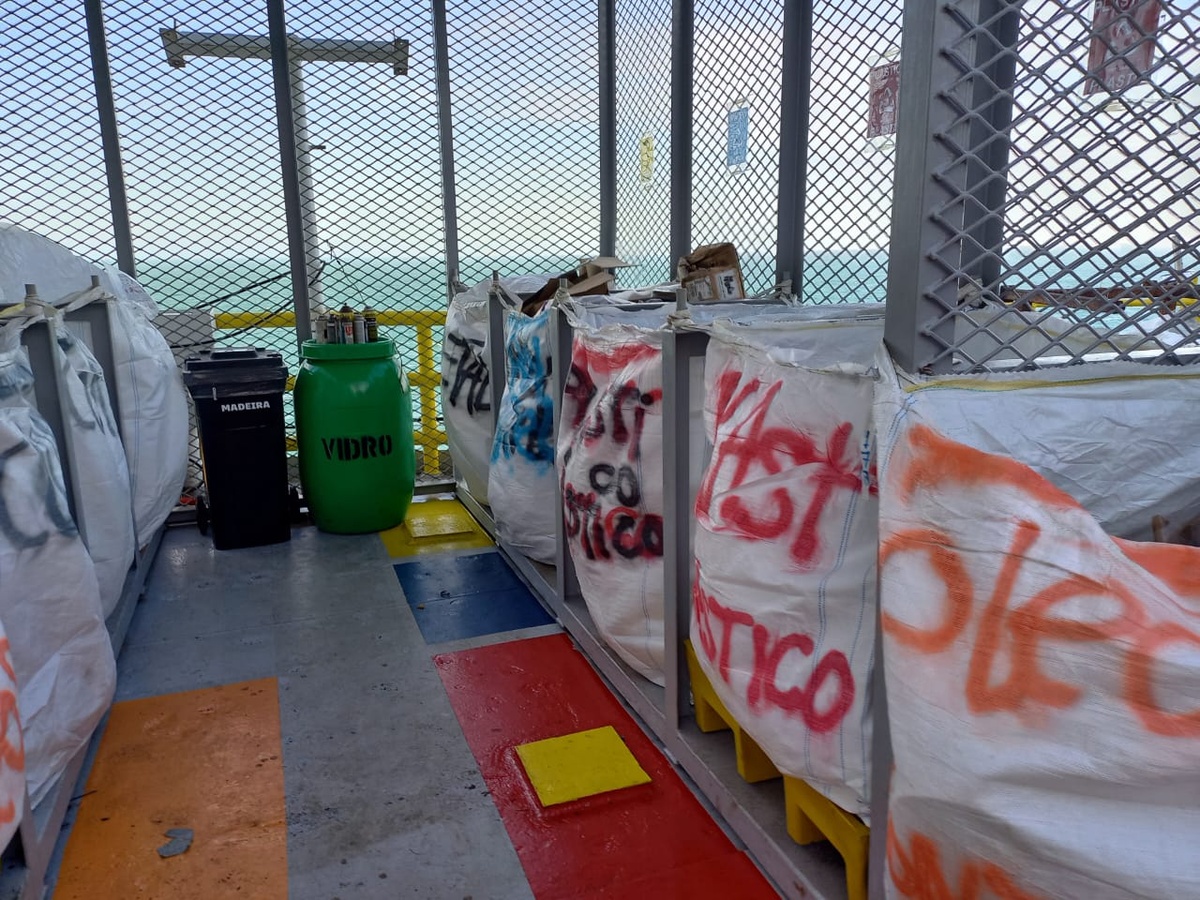
Foresea achieves 100% offshore waste reuse in 2025, eliminates landfill disposal, and consolidates sustainable strategy with 1,500 tons recycled.
-
With earth, bamboo, straw, and lime mortar, a specialist builds a house for just over $460 and draws attention for its cost being much lower than traditional construction.

-
Rodrigo de Freitas Lagoon advances in environmental recovery with sanitation, elimination of irregular sewage, and the resumption of water sports in Rio de Janeiro.


This happens because it allows different consumers to use electric energy from renewable sources, such as solar or wind, without needing to invest in their own infrastructure.
Thus, cooperatives or consortia generate this energy and distribute it to participants, offering not only cost savings but also sustainability.
Additionally, joining shared energy represents a strategic step for companies that wish to align economy and environmental responsibility.
For this reason, the model is becoming increasingly relevant in a scenario where consumers value brands committed to the future of the planet.
The History of the Energy Matrix and the Emergence of Shared Energy
During the 20th century, Brazil structured its energy matrix based on large hydropower plants.
Although this centralized system met demand for many years, it began to face limitations with population growth, increased consumption, and water crises.
In light of this, the search for cleaner sources accelerated the emergence of new forms of energy generation, such as shared energy.
Over time, the drop in costs of photovoltaic systems and technological advances enabled consumers to also become producers.
As a result, the so-called distributed generation boosted energy cooperatives and solidified the model of shared energy.
Today, this model represents a turning point by democratizing access to clean, affordable, and decentralized energy.
In addition to technological advancements, environmental policies and the criteria of ESG (Environmental, Social, and Governance) have also strengthened this trend.
Thus, companies that adopt renewable energy demonstrate environmental responsibility, attract investors, and gain consumer trust.
Moreover, they face regulatory demands that impose limits on greenhouse gas emissions with more security.
Economic Benefits and Democratic Access to Clean Energy
As a consequence of the transformations in the sector, the carbon footprint has become one of the main environmental indicators today.
Therefore, reducing this footprint has become an urgent goal for modern businesses.
And one of the most effective ways to achieve this is by replacing fossil sources with renewable alternatives.
When a company adopts shared energy, it replaces electricity generated by thermoelectric plants using coal or natural gas with clean and renewable energy.
As a result, this choice directly contributes to the decarbonization of operations and lowers electricity costs.
Generally, participants in this model can save up to 20% on their electricity bills.
Additionally, small and medium-sized enterprises benefit even more as they do not need to invest in their own equipment.
This allows them to quickly join the system, which was previously accessible only to large corporations.
Now, shared energy has become an affordable solution for businesses of all sizes.
Furthermore, besides direct savings, companies observe indirect gains: better reputation, brand appreciation, access to green financing lines, and competitive advantage in the market.
These benefits reinforce the value of shared energy as a smart and sustainable solution.
How Shared Energy Works in Practice
According to COGECOM, one of the largest cooperatives in the sector, more than 60,000 consumer units in eight Brazilian states already use shared energy.
Together, they move over 800 million kWh of renewable energy per year.
This number shows that the model is already part of the reality for thousands of companies.
The operation is simple.
A cooperative installs and operates a solar or wind power plant and injects the energy generated into the electrical grid.
Then, the local distributor calculates the energy credits each member receives.
These credits appear as discounts on the electricity bill.
Therefore, there is no need to install equipment or make structural changes in the company.
This model allows consumers to share the benefits of the same plant, fairly and transparently.
Besides saving money, the system also collaborates with global environmental goals and follows the United Nations Sustainable Development Goals UN, such as access to clean energy, combating climate change, and promoting innovation.
Legislation, Innovation, and Social Impact
Since 2015, Normative Resolution 687 from Aneel has authorized the use of shared generation among different consumer units.
This regulation has boosted the growth of clean energy cooperatives.
Additionally, the government has been updating regulations to facilitate participation and increase legal security for participants.
Besides the positive environmental impact, the shared energy model stimulates the growth of micro and small renewable energy producers.
It also encourages the emergence of energy communities and strengthens the local economy.
Distributed production, in turn, reduces dependence on large utilities and makes the electrical system more resilient.
Another important benefit is the generation of green jobs.
Technicians, engineers, electricians, and environmental managers find new opportunities within this sector.
The creation of local production chains also drives regional commerce and attracts investment in innovation and sustainability.
A New Model of Sustainable Development
The decision to adopt shared energy for cost reduction goes beyond immediate savings.
That’s because companies commit to efficiency, sustainability, and the future of the planet.
They demonstrate that it is possible to grow without compromising natural resources.
Given the climate changes that are already affecting the global economy, those who anticipate environmental demands gain a competitive advantage.
In this case, shared energy represents a strategic solution.
It allows companies to reduce expenses, meet ESG goals, and contribute to the transformation of the Brazilian electric sector.
More than a technical alternative, shared energy represents a new mindset.
It is a model based on cooperation, collective responsibility, and smart resource use.
By investing in this solution, businesses align with a model of more equitable, cleaner, and efficient development.
Shared energy for cost reduction ultimately solidifies as a smart choice that combines economy with positive impact.
By adopting it, companies build a solid reputation, attract new opportunities, and actively participate in the energy transition.
This is a decision that harmonizes the present with the future.











Seja o primeiro a reagir!