





 Portuguese
  English
  Spanish
  5 min of reading
  0 comments


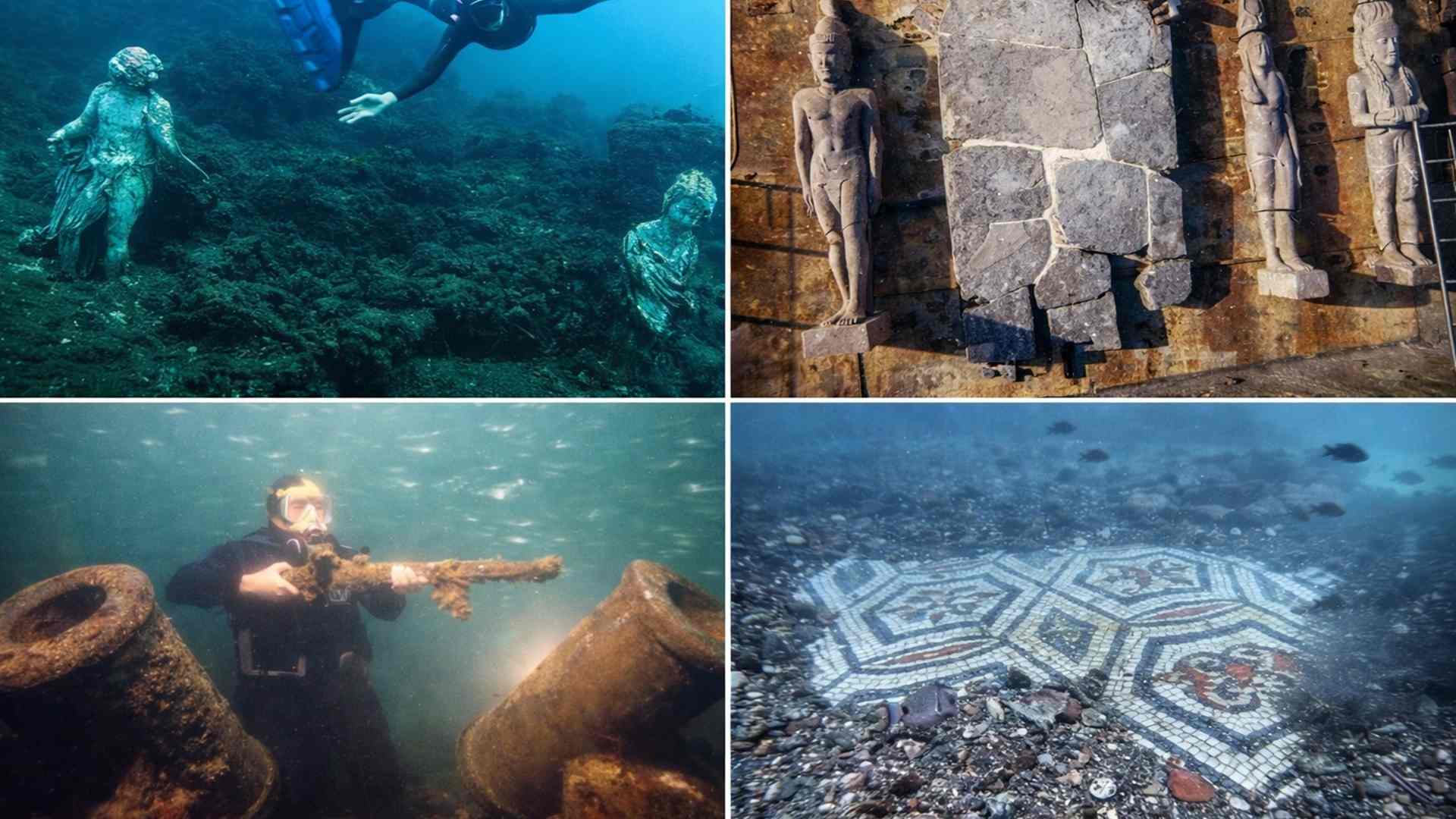
Between 2024 and the Beginning of 2026, Advancements in Submarine Archaeology, Scientific Diving, Geophysics, and 3D Modeling Allowed Us to Map Temples, Ports, Neighborhoods, and Streets of Seven Submerged Cities, Revealing How Natural Disasters, Subsidence, and Environmental Changes Transformed Ancient Urban Centers into Landscapes Preserved Under Water
Between 2024 and the beginning of 2026, underwater research revisited seven submerged cities across four continents, revealing temples, ports, residential neighborhoods, and preserved urban networks underwater, expanding knowledge about trade, urban planning, and the natural processes that led to the loss of these historic centers.
Submarine archaeology has entered a phase of technical expansion in recent years, combining scientific diving, geophysical surveys, and digital reconstructions to reinterpret cities that disappeared beneath rivers, seas, and lakes. These studies have repositioned known sites and revealed new layers of information about how these spaces functioned before being submerged.
The seven cases analyzed in this survey encompass distinct historical contexts, from Pharaonic Egypt to Edo period Japan, but share a common element: all offer direct evidence of complete or partially preserved urban landscapes that remained invisible until recent methodological advancements.
-
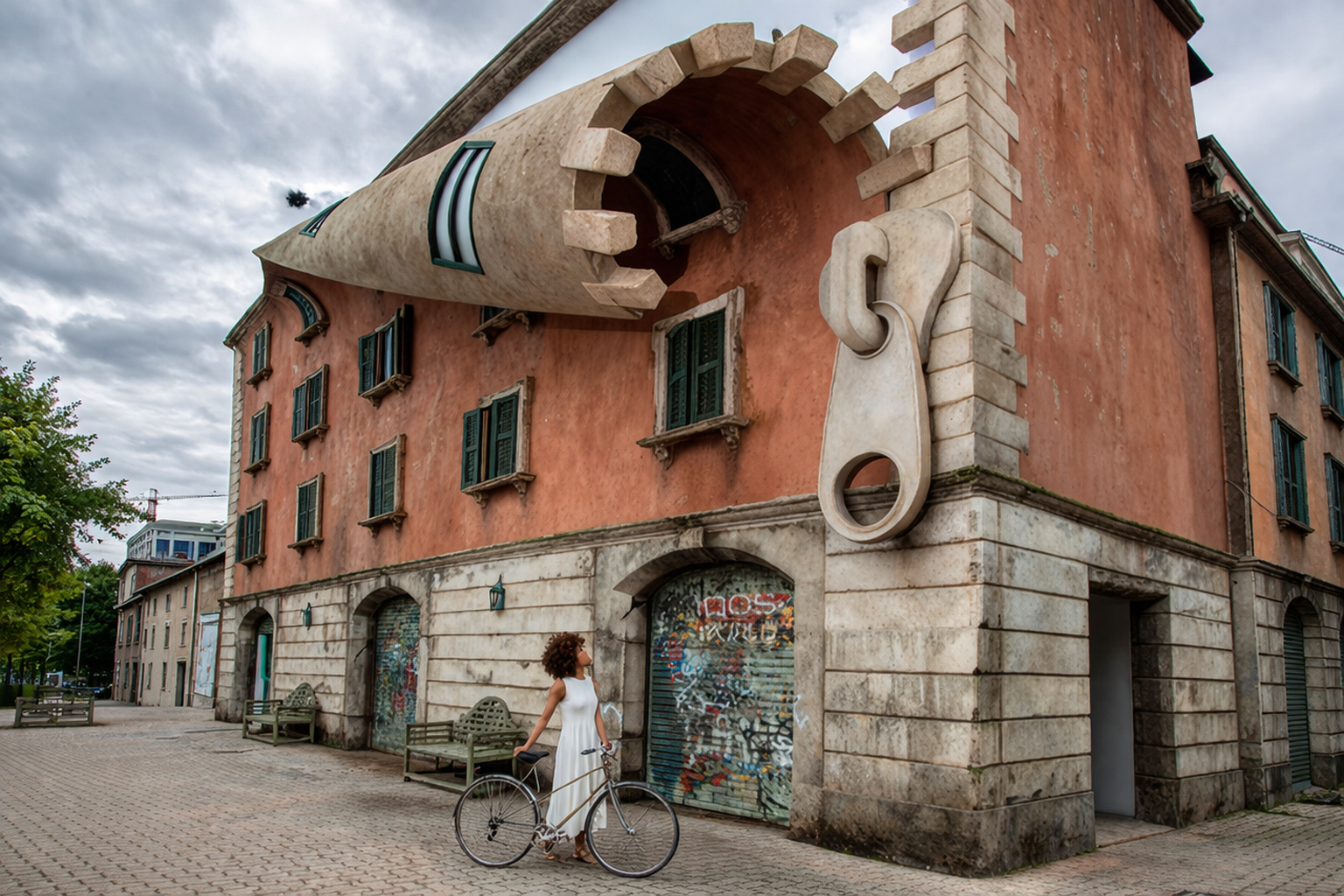
With a façade that resembles a giant zipper, the building in Milan creates a sense of strangeness, featuring lighting that transforms engineering and attracts the attention of residents and tourists.
-
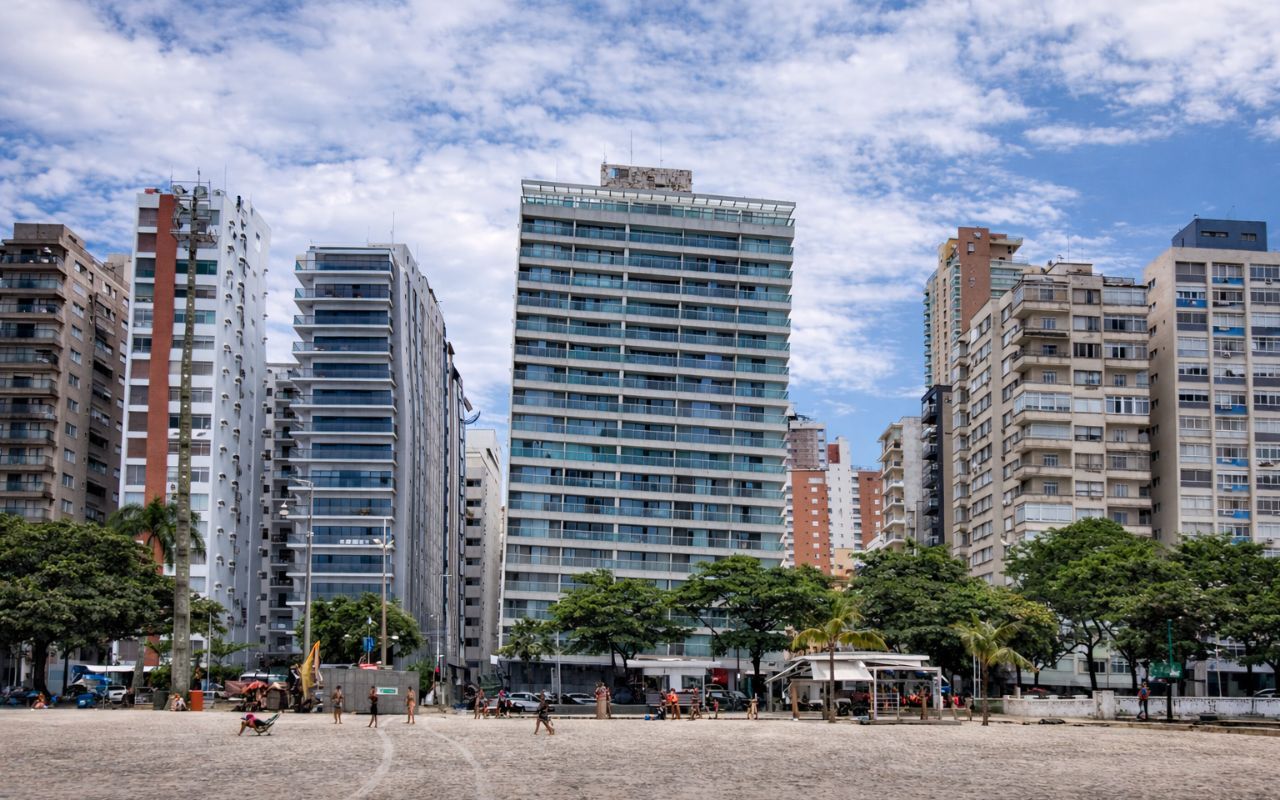
The Brazilian city has 319 crooked buildings built on sandy soil without proper deep foundations, houses the largest beach garden in the world, with over 5 km, and is still considered the birthplace of surfing — meet Santos, in São Paulo.
-
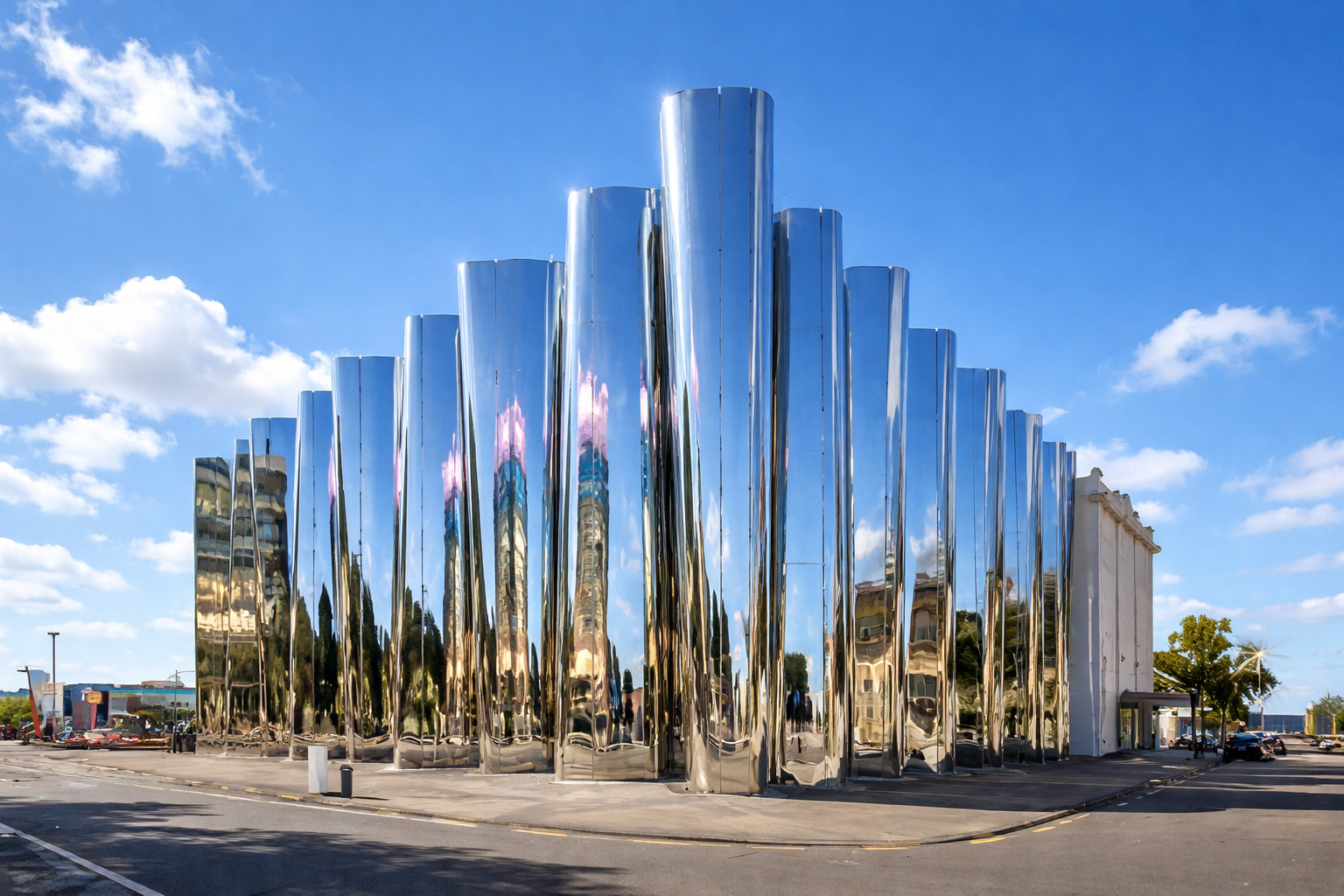
New Zealand builds a shimmering building that vibrates, featuring a 62-seat cinema, moving sculptures, and an environment where sound, light, and energy are felt in the body.
-
Two colored cubes of 2.5 m transform a public bathroom into a selfie spot in Western Australia, costing up to 75% less than traditional construction and helping to reduce vandalism in public spaces.

Thonis-Heracleion – Egypt
Submerged in the Bay of Abu Qir, near Alexandria, Thonis-Heracleion was an important Egyptian port that connected Mediterranean trade to the economy of the Nile Valley. Recent excavations have expanded the mapping of the urban complex beyond traditionally known areas.
Underwater missions led by Franck Goddio’s team from the European Institute of Marine Archaeology documented new zones around the Temple of Amon and identified a Greek sanctuary dedicated to Aphrodite located east of the main structure.
Among the finds are imported bronze and ceramic objects, as well as Greek weapons, reinforcing evidence of an active presence of Hellenic merchants and mercenaries at the site before the formal Hellenistic period.
The discoveries confirm that Thonis-Heracleion operated as a multicultural port, integrating religious, commercial, and logistical spaces in an urban environment that was later devastated by subsidence and flooding associated with earthquakes.
Canopus – Egypt
Also located in the Bay of Abu Qir, Canopus continues to reveal large-scale submerged structures associated with the Roman period.
Surveys released in August 2025 point to what archaeologists describe as the underwater layout of a complete Roman city.
The records include temples, cisterns, docks, fish tanks, as well as statues and architectural elements recovered during documentation and controlled extraction operations.
The set indicates a coastal urban center with advanced port engineering and water management infrastructure, suggesting prolonged occupation and successive phases of reconstruction until Roman dominance.
The work highlights the maritime and commercial relevance of Canopus within the economic environment of Alexandria, offering a detailed portrait of urban activities preserved under sediments and shallow waters.
Toru-Aygyr – Lake Issyk-Kul, Kyrgyzstan
At the end of 2025, underwater research at Lake Issyk-Kul reinforced the interpretation of Toru-Aygyr as a fully developed medieval city, rather than just a small regional outpost.
The documented area includes baked brick buildings, a grain mill with a preserved stone, large ceramic vessels, and a substantial Muslim necropolis from the 13th and 14th centuries, with burials oriented towards Mecca.
Researchers also identified a large building interpreted as a possible religious or civic public structure, described in different sources as a potential mosque, madrasa, or bathhouse.
Various studies associate the city’s disappearance with a significant earthquake in the 15th century, followed by changes in the coastline, connecting Toru-Aygyr directly to the trade routes of the Silk Road.
Baiae – Italy
Baiae, an ancient Roman resort in the Bay of Naples, remains one of the most accessible and studied submerged urban sites in the world, and continues to produce new relevant discoveries.
In July 2024, researchers reported the identification of an underwater mosaic floor in opus sectile associated with a Roman villa, highlighting high-cost decorative techniques linked to the urban elite.
In August 2025, the discovery of a submerged Roman bathhouse with features compatible with heating and bathing systems typical of Roman urban infrastructure was announced.
These findings reinforce that Baiae is not just a widely known site, but an urban environment that still reveals new structural and decorative elements of great scientific impact.
Olous – Greece
Olous was an ancient coastal city in northeastern Crete, gradually submerged by tectonic subsidence and rising sea levels over the centuries, differing from lost cities due to sudden events.
Parts of the city remain visible under shallow waters near present-day Elounda, including walls, foundations, and other urban remnants observed for decades by researchers and local residents.
Recent surveys, conducted with modern recording techniques and geophysical methods, refined the mapping of submerged structures, enhancing the understanding of the original urban layout.
The studies confirmed that substantial residential and port areas of Olous are currently submerged, illustrating how gradual environmental changes can erase entire urban centers over time.
Dwarka – India
The ancient city of Dwarka, off the coast of Gujarat, is recognized by archaeological records and historical traditions as an important port center of the late Harappa period or the beginning of the Indian historical era.
In early 2026, the Archaeological Survey of India announced a renewed program for deeper land and underwater exploration, focusing on maritime sectors that remain under-investigated.
The next stages are concentrated on submerged zones near Bet Dwarka and the Gomti River, where structural anomalies and rocky formations suggest urban occupation.
The initiative indicates that larger portions of Dwarka’s built environment may remain preserved under sediments and shallow waters, expanding understanding of ancient regional maritime networks.
Hibara-juku – Japan
Hibara-juku was a post town from the Edo period, located in present-day Kitashiobara village in Fukushima Prefecture, submerged in 1888 after the eruption of Mount Bandai.
Although the city’s fate was known from historical records, December 2025 marked a significant scientific rediscovery through a high-resolution three-dimensional reconstruction.
Researchers from the Japan Agency for Marine-Earth Science and Technology and Kyoto University utilized multibeam sonar surveys combined with historical cadastral maps.
The study identified city blocks, streets, waterways, and access to sanctuaries preserved on the lake bed, transforming written history into an urban landscape mapped with unprecedented accuracy.








-

-

3 pessoas reagiram a isso.