





 Portuguese
  English
  Spanish
  3 min of reading
  0 comments


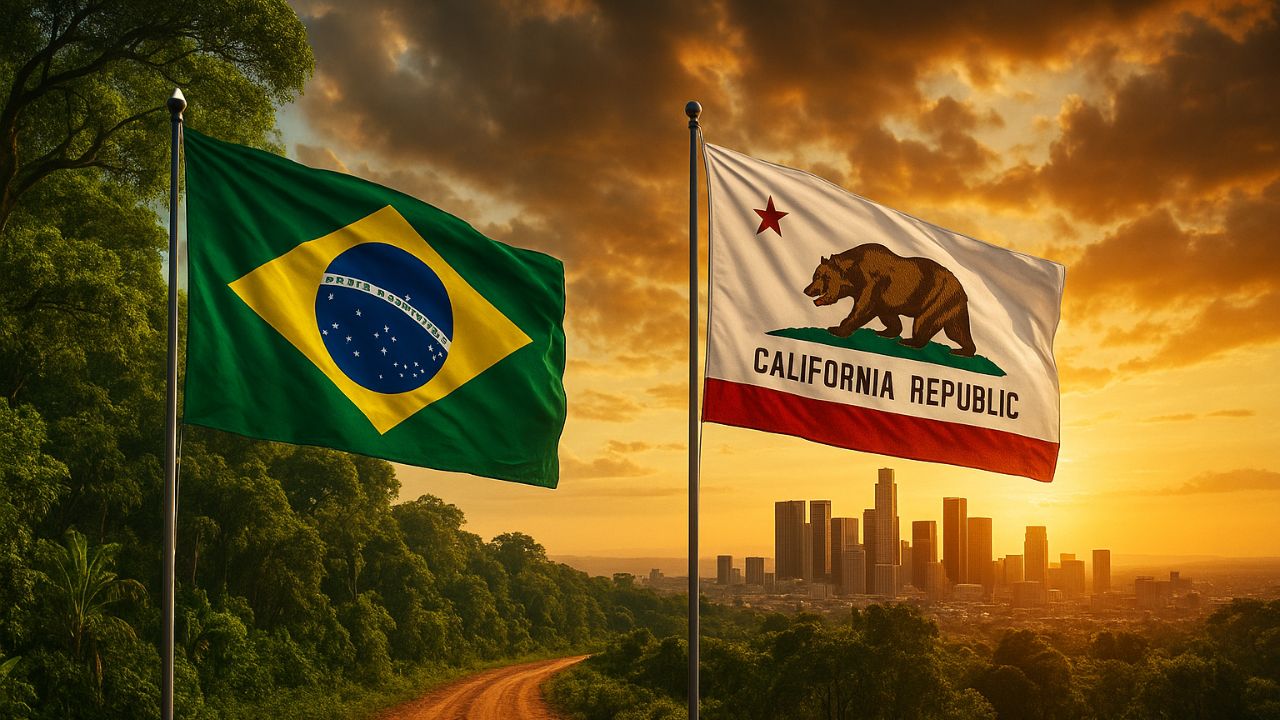
Five-Year Partnership Between Brazil and California Aims to Zero Carbon Emissions by 2050 and 2045, Respectively, in a Movement That Contrasts With the Climate Skepticism of Figures Like Donald Trump.
A new and strategic cooperation agreement has been signed between Brazil and California, establishing an ambitious five-year plan to accelerate climate actions. The partnership, formalized in New York during a meeting between the Minister of Environment and Climate Change, Marina Silva, and California Governor Gavin Newsom, aims to align the efforts of two economic giants to achieve carbon neutrality in the coming decades. The information, confirmed by Agência Brasil, marks a significant step in subnational diplomacy.
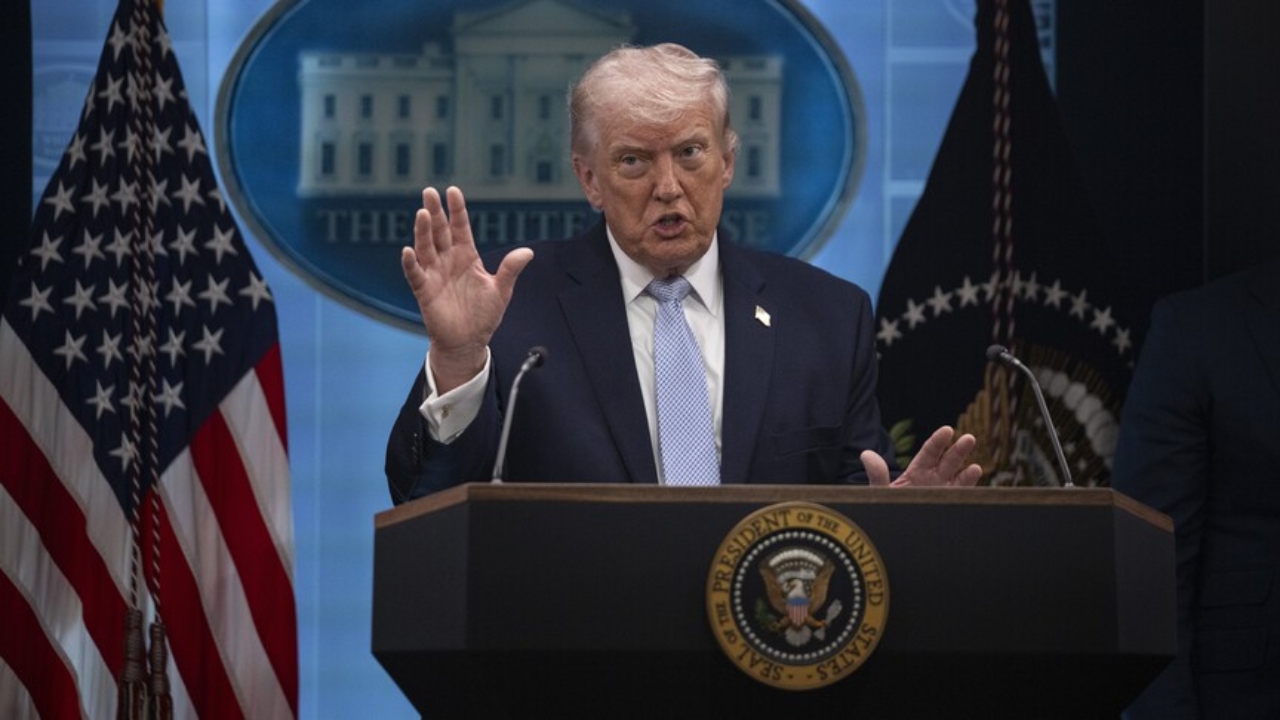
The announcement gained even more relevance as it occurred on the same day that former US President Donald Trump labeled the climate emergency a “sham” during his speech at the United Nations General Assembly (UN). In a clear counterpoint, Minister Marina Silva highlighted that the memorandum of understanding benefits not only the populations involved but “all of humanity”, especially considering the previous stance of the US federal government to withdraw from the Paris Agreement.
The Detailed Plan for Joint Action
The main objective of the alliance is to ensure that Brazil and California achieve their climate neutrality goals, projected for 2050 and 2045, respectively. To this end, the five-year plan will not be limited to abstract goals. As detailed by the Ministry of Environment and disclosed by Agência Brasil, the initiative will focus on mitigating greenhouse gas emissions, promoting a fair and sustainable energy transition, and adapting cities through nature-based solutions, such as ecosystem restoration.
-
SUS surpasses Brazil and inspires a revolution in health: agreement with Mexico could bring universal, free, and more accessible care to millions of people outside the country.

-
With a total blockade of software, data, and connected systems, the U.S. has completely closed its doors to Chinese cars and transformed vehicles into geopolitical weapons, creating a new technological battlefield that could reshape the global automotive industry.

-
With US$ 65.8 billion and 34 new ships, the U.S. launches a mega naval plan that prioritizes nuclear submarines, strengthens military logistics, and repositions the strategy for prolonged conflicts in the Pacific.

-
Trump pressures NATO in Europe with threats regarding bases and the use of troops in Spain and Germany to punish allies and change the military balance in the bloc.
The practical implementation of the agreement will take place through a series of concrete actions. High-level technical dialogues, expert exchanges, joint workshops, and the continuous sharing of successful experiences are planned. In addition to knowledge exchange, the partnership aims to create a favorable environment for economic incentives, investments in innovations, and the expansion of clean technologies, driving a low-carbon market that can generate new job and development opportunities in both regions.
Political Contrast and the Global Relevance of the Partnership
The collaboration between Brazil and California represents a politically impactful movement. Governor Gavin Newsom, a member of the Democratic Party, has positioned California, the fifth-largest economy in the world, as a global leader in the climate agenda, directly opposing the skeptical stance of the Republican Party, represented by Trump. The partnership with Brazil, an environmental power, strengthens this leadership and sends a clear message to the world: climate action can and must advance, regardless of political obstacles at the federal level.
“By strengthening our partnership with Brazil, California reaffirms a simple truth: global challenges require global cooperation,” Newsom stated, according to Agência Brasil. The governor also celebrated the consolidation of collaboration as a preparatory step for the UN Climate Conference (COP) that Brazil will host, reinforcing the importance of unity to “protect critical ecosystems and build economies that work for people and our planet”. The California Environmental Protection Agency will work directly with the Brazilian ministry to structure the actions.
A Strategic Axis for the Green Economy
The alliance formed between Brazil and California is more than a diplomatic document; it is the creation of a strategic axis focused on leading the transition to a green economy. By joining forces, the two governments demonstrate that it is possible to build a sustainable and prosperous future, even in the face of global political divergences. This five-year plan will serve as a laboratory for public policies and innovations that can inspire other nations and states to accelerate their own journeys toward climate neutrality.
Do you agree with this change? Do you think it impacts the market? Share your opinion in the comments, we want to hear from those who live this in practice.









-

-

2 pessoas reagiram a isso.