





 Portuguese
  English
  Spanish
  4 min of reading
  0 comments


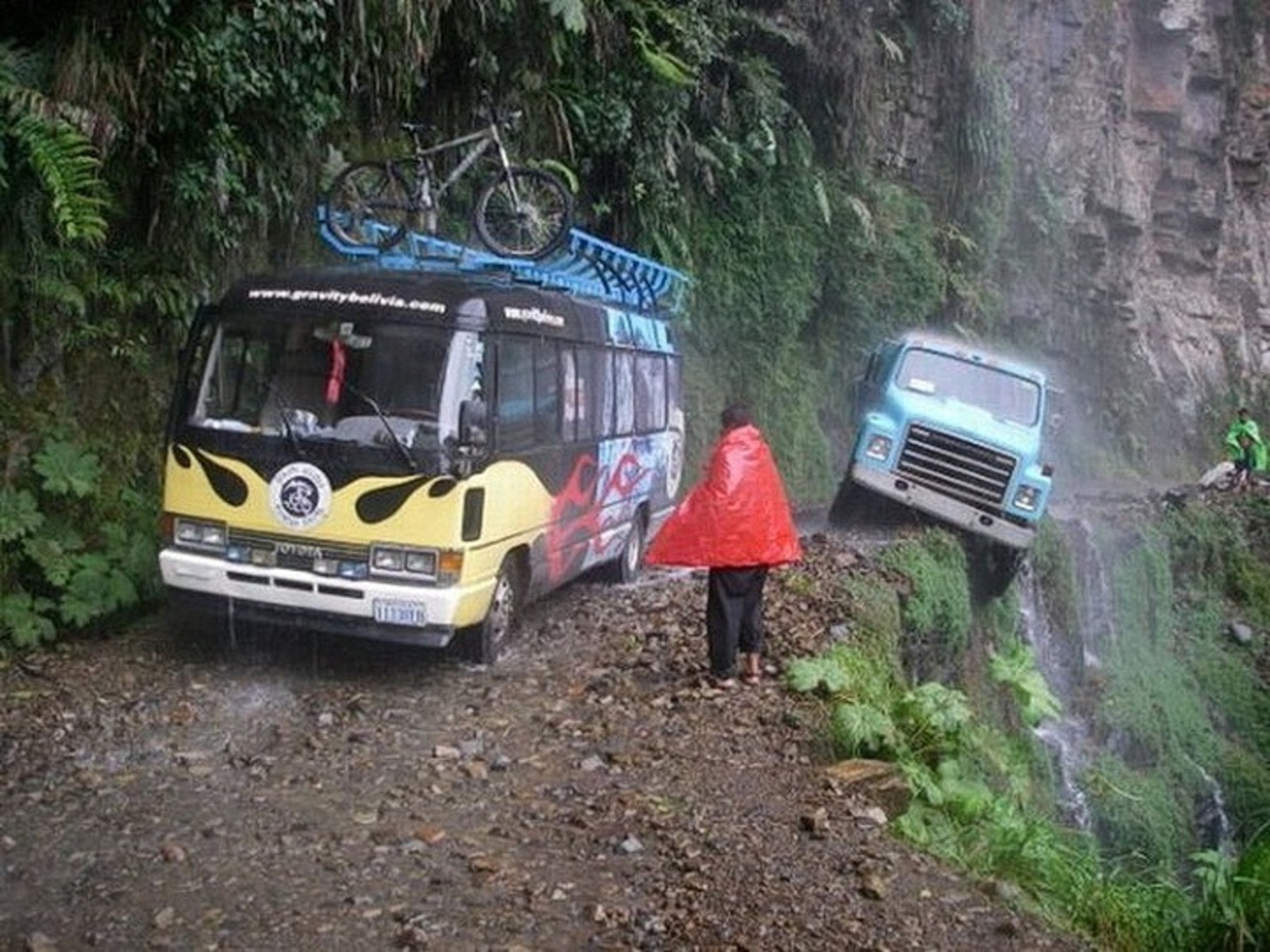
Built in the 1930s Using Paraguayan Prisoners, the Yungas Road Connects La Paz to the Amazon, Combines Lush Nature, Constant Risk, and Today Attracts Adventurers in Search of Adrenaline and Unique Scenery
The Yungas Road in Bolivia gained worldwide fame both for its stunning landscape and the tragedy surrounding it. Built in the 1930s, it connects the Andes to the Amazon lowlands and for decades was one of the most dangerous routes on the planet. Hence, it became known as the “Death Road” or “Camino de la Muerte.”

A Route That Challenges Nature
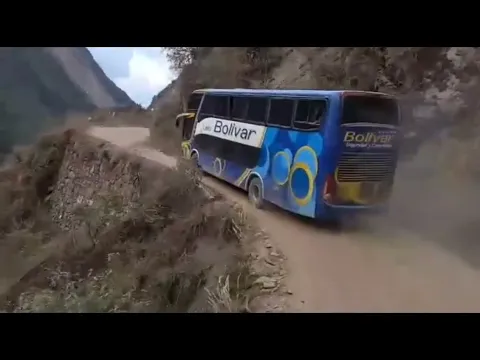
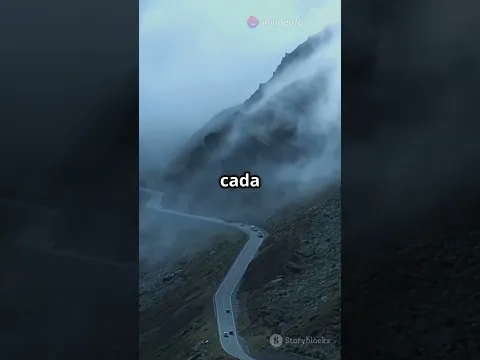
The road starts in La Paz, high in the Andes Mountains, and descends to the Yungas Valley, on a route filled with narrow curves and cliffs.
It begins at an altitude of 4,800 meters and drops more than 3,500 meters in just 64 kilometers, crossing clouds, fog, and stone walls.
-
Goodbye iron: new technology from Xiaomi promises to revolutionize the way we iron clothes with 500 kPa steam, continuous flow of 120 g/min, heating in 65 seconds, and six smart modes for different fabrics.

-
Rio Pardo, the most mysterious city in Rio Grande do Sul: untouched Pampas castle, the missing treasure of the Devil Boy, bride’s saint, invisible tunnels, and a 200-year curse today.
-
China retires the J-7 fighter after years of military protection and can now transform military items into drones, following more than 60 years of operation of the J-7, derived from the MiG-21, with thousands of units produced and strategic use in the PLAAF and PLANAF.

-
Volunteers are sought to live in the mountains for a month: a study pays people to stay at 2,500 meters, with 24-hour monitoring of sleep, metabolism, and blood pressure.

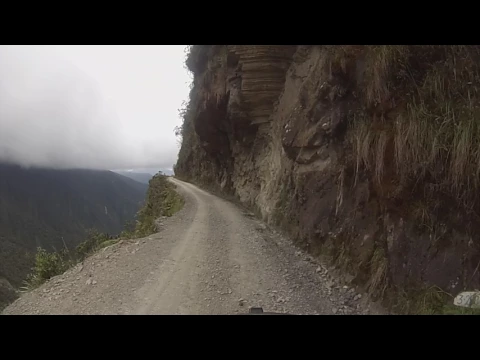
The scenery is breathtaking, but the risk is constant. The lack of guardrails, tight curves, and limited space make every stretch a test of nerves.
The road, at several points, is less than three meters wide, requiring heightened attention from drivers.
Memorials That Tell Stories
Along the road, there are crosses, flowers, and photographs in honor of the victims who lost their lives there. These memorials show that danger is not just a legend.
The peak of accidents occurred in the 1980s and 1990s, a period when hundreds of people died every year.
It was during this time that the Inter-American Development Bank popularized the nickname “Camino de la Muerte.”
It was estimated that between 200 and 300 drivers fell off the road annually. The most tragic accident occurred in 1983 when a bus plummeted off a cliff, killing more than 100 passengers.
A Road Made by Prisoners
The origin of the Yungas Road dates back to the post-Chaco War period. The Bolivian government used Paraguayan war prisoners for its construction, aiming to create a direct link between La Paz and the northern Amazon areas.
The result was a precarious road, carved into the mountainsides, where the lack of structure became a constant.
In addition to the dangerous curves, small waterfalls cascading down the mountains cross the road, wetting the asphalt and making it slippery.
The high altitude and unpredictable weather worsen the challenge for those daring to venture along this route.
The Value of the Yungas Valley
Even in the face of danger, the valley has strategic and economic importance. The word “Yungas” comes from the Aymara language and means “warm lands.”
The region is fertile, with great biodiversity, and hosts coca plantations and gold reserves. This natural wealth explains why, despite the risks, the road has always been vital for local transport.
Adventure and Adrenaline on Two Wheels
Today, the Death Road attracts tourists and adventurers from all over the world. Mountain bikers traverse the route in descents that combine beauty and adrenaline.
Specialized companies offer guided tours but warn that the abrupt temperature changes and terrain conditions require physical preparation and caution.
In many stretches, cyclists and drivers share curves without visibility, making each encounter a tense situation. The landscape is fascinating, but respect for the risk remains essential.
Exclusive Rules to Avoid Tragedies on the Death Road
To reduce accidents, Bolivian authorities implemented specific rules on the Yungas Road.
Unlike the rest of the country, traffic moves on the left, allowing drivers a better view of the road’s edge and oncoming traffic.
Another important rule is that vehicles ascending have priority. Those descending must reduce speed and pull over, facilitating passage for those going in the opposite direction.
These measures were adopted precisely because the region’s topography complicates maneuvers and requires millimeter precision.
A Safer Future for the Death Road
In recent years, the Bolivian government has intensified efforts to improve the road’s safety. New guardrails have been installed, and an alternative route with two lanes has been created for the most critical stretch to the north.
Despite these changes, the fascination with the old Death Road remains. It continues to symbolize the combination of natural beauty, human courage, and the eternal challenge of facing the limits imposed by the mountain and life itself.
With information from Greatbigstory.







-

-

-

-

-

22 pessoas reagiram a isso.