Portuguese
 Spanish


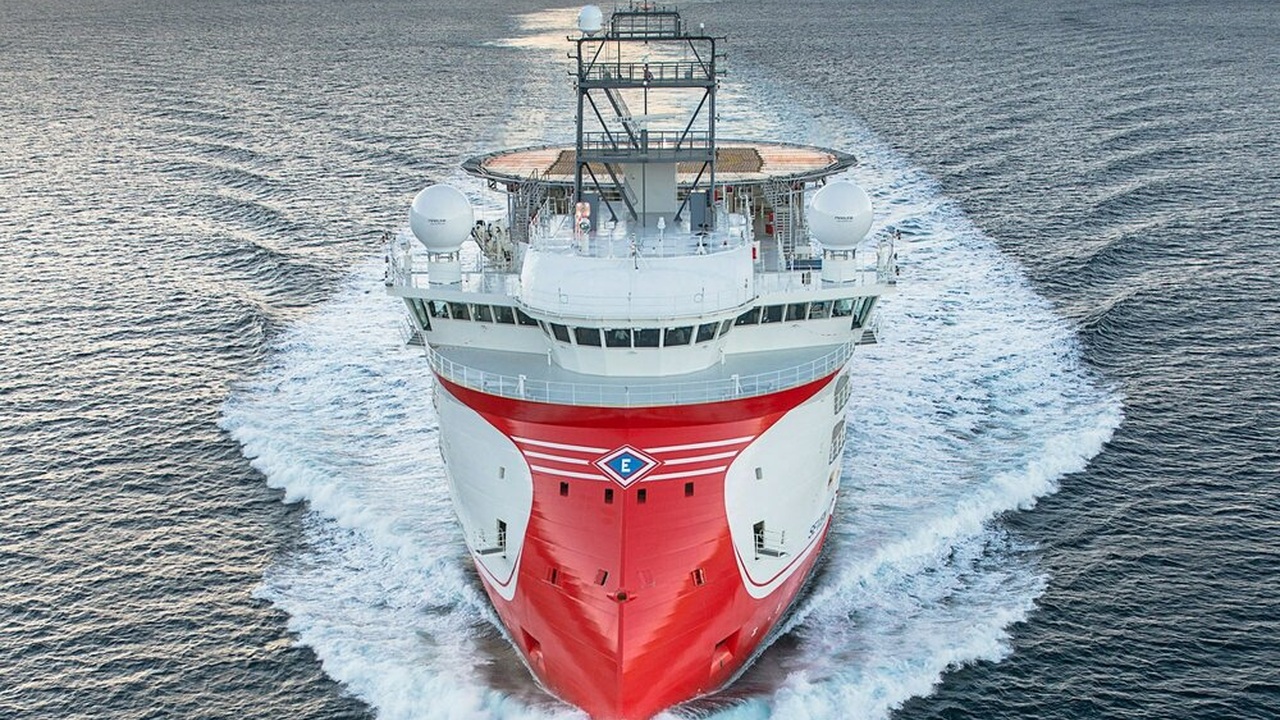

Subsea7 announced the extension of its agreement with Equinor through the end of 2028. On the Norwegian continental shelf, the Seven Viking uses remotely operated vehicles and a module-handling system to service subsea wells.
Equinor extended its agreement with Subsea7 through the end of 2028 to use the Seven Viking to inspect, maintain and repair oil and gas wells on the Norwegian continental shelf. Subsea7 announced the extension on November 26, 2026. The original contract was signed in 2018 and had already been extended through the end of 2027. Subsea7 announcement on the latest extension.
The announcement adds one year to the previous term. Subsea7 placed the extension in its US$50 million to US$150 million contract-value bracket but did not disclose an exact amount. Project management and engineering will continue to be handled by the company’s Stavanger office. Announcement on the previous extension.
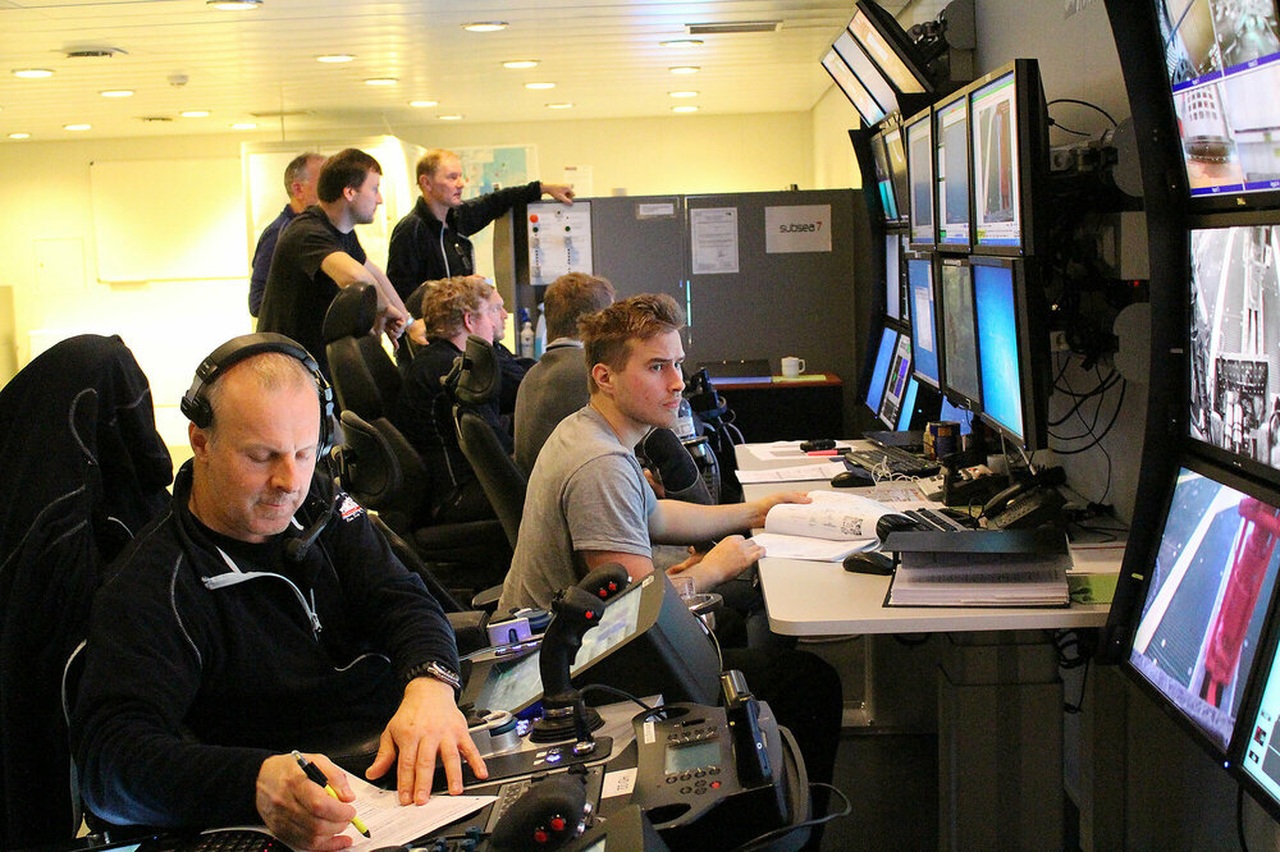
Pilots monitor the wells on screens aboard the vessel
The Seven Viking is 106.5 meters long and carries three remotely operated vehicles, known as ROVs. Subsea7’s technical datasheet lists two as work-class vehicles rated for depths of up to 3,000 meters. The third is designed for observation and rated for depths of up to 2,000 meters. These are equipment specifications. The contract announcement does not state the depth of any individual intervention.
-
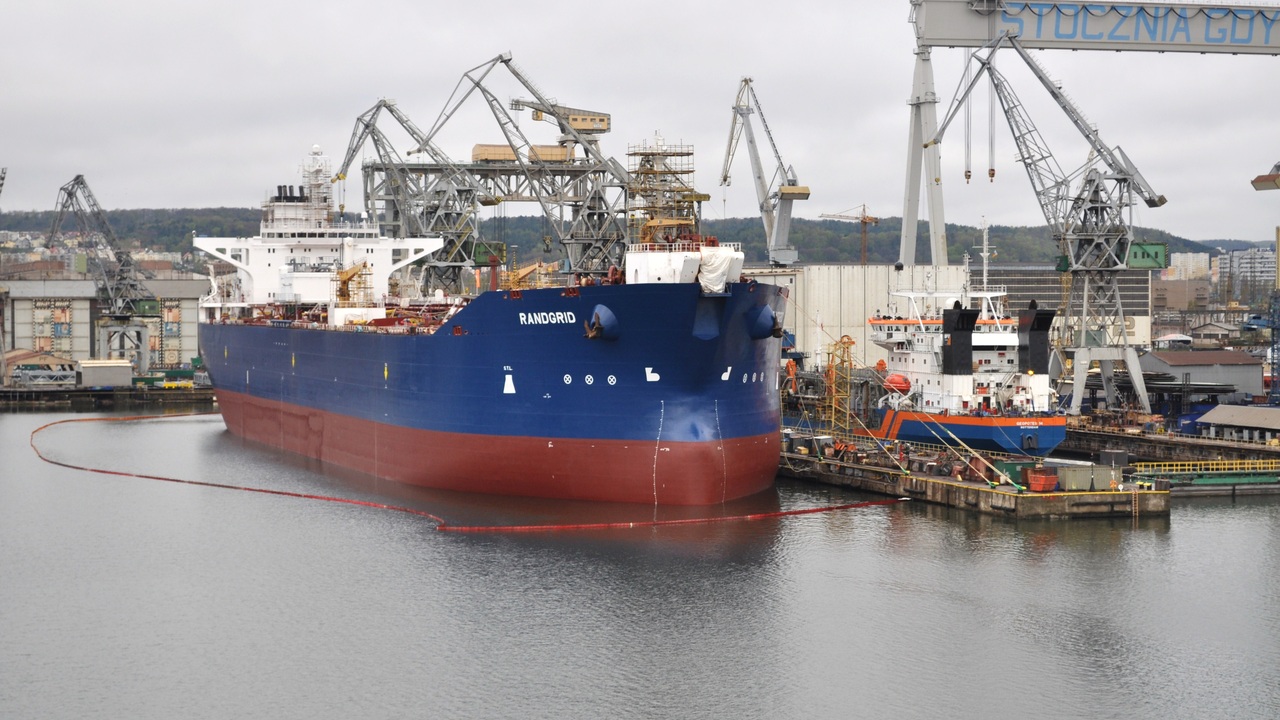
Oil-storage vessel planned 82 km off Quissamã sparks debate over support routes and Espírito Santo fishing grounds

-
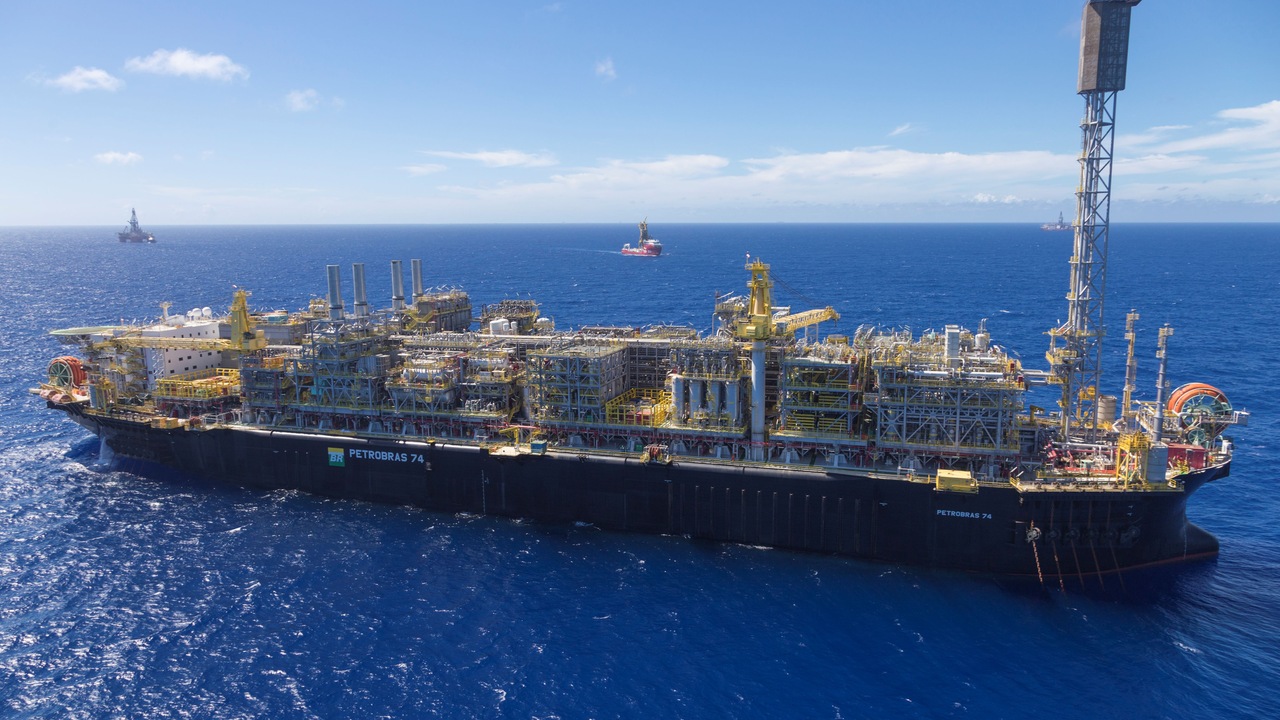
ExxonMobil wins about 1 million barrels of government-owned Búzios crude in auction, including cargoes from the P-74 and P-77 platforms
-
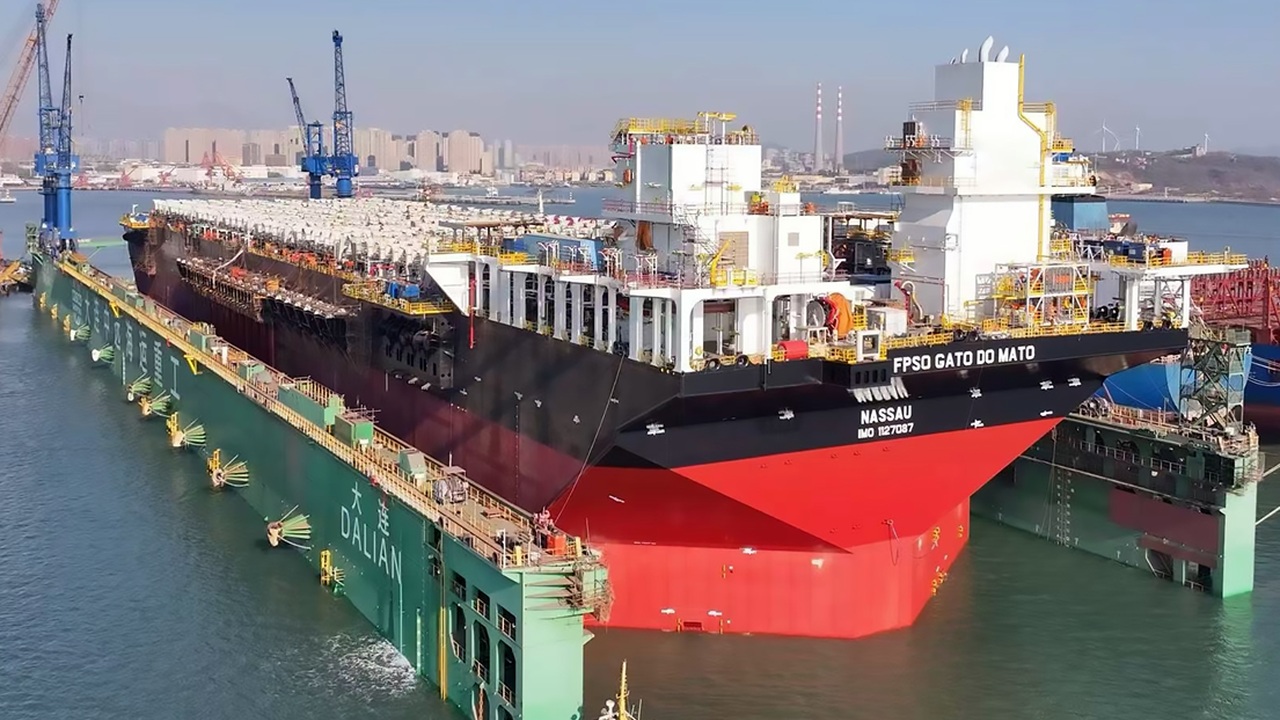
How shipyards in Japan and China joined the hull of Shell’s Gato do Mato FPSO, which will operate in Brazil’s pre-salt fields
-
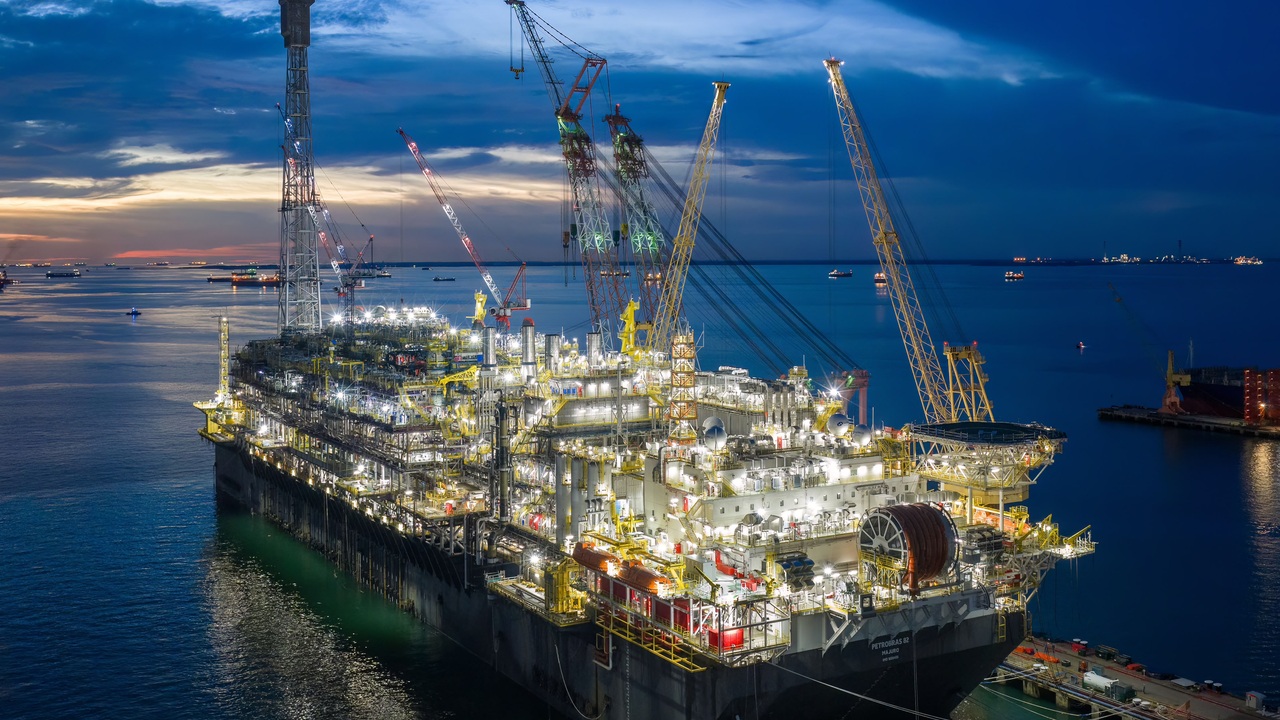
Two platforms are headed to Brazil and one remains at the shipyard: Petrobras’ plan to push Búzios above 2 million barrels a day of capacity
From the control room, pilots use camera feeds to guide the vehicles. Observation ROVs allow them to examine equipment on the seafloor. Work-class vehicles can handle tools and operate components as required for a scheduled intervention. Seven Viking technical datasheet from Subsea7.
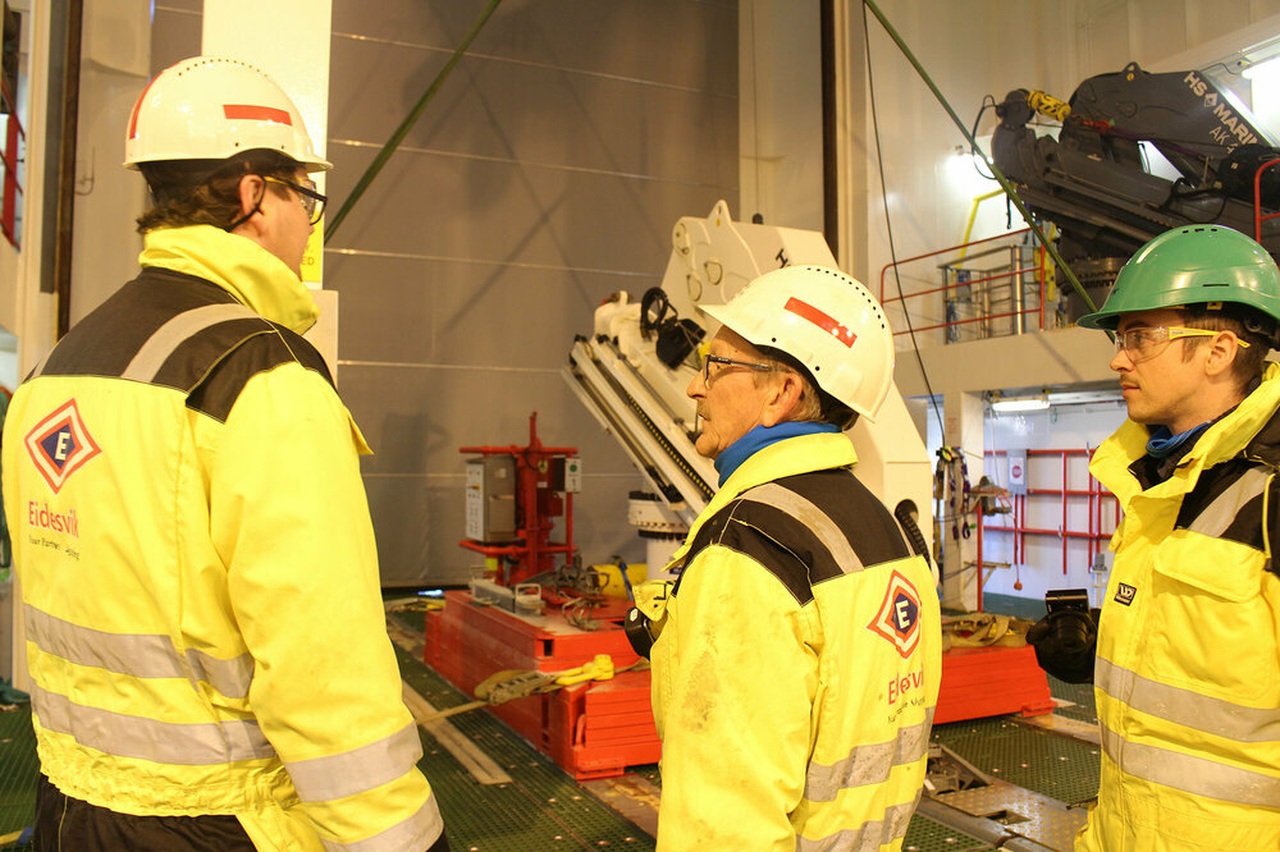
An opening in the hull allows heavy equipment to be lowered
The vessel also has a moonpool, an opening in the hull through which the crew lowers and retrieves equipment directly from the deck. The technical datasheet specifies handling subsea modules weighing up to 70 metric tons. The handling system is integrated into the vessel and allows it to work with components used to control wells, such as valve assemblies and flow-regulating modules. Seven Viking project information and gallery from Ulstein.
With remotely operated vehicles (ROVs) and handling equipment on board, the same vessel can inspect a structure and support the removal or installation of components when the work requires it. The extension keeps this capability available to Equinor through the end of 2028. The announcement does not list the wells that will be serviced during that period.