





 Portuguese
  English
  Spanish
  4 min of reading
  0 comments


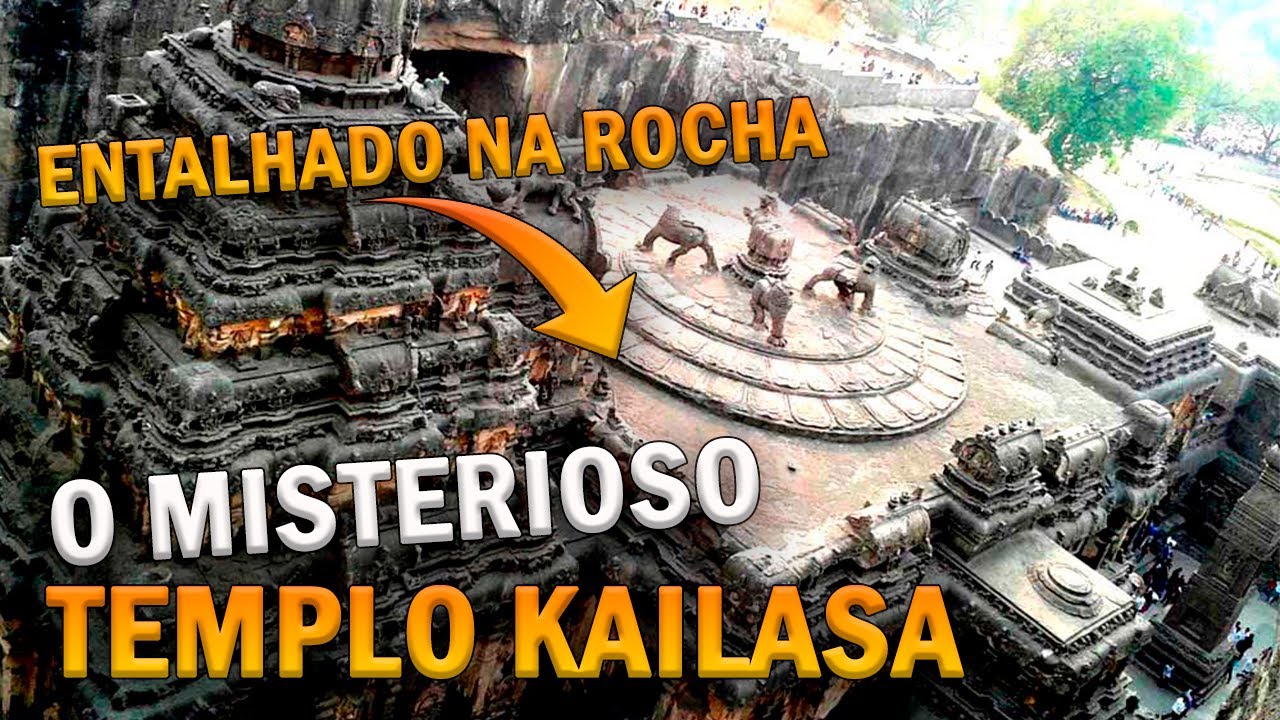
Excavated Vertically From A Single Block Of Basalt, The Kailasa Temple Removed About 400 Thousand Tons Of Rock And Remains The Largest Monolithic Structure Ever Created.
The Kailasa Temple, located in the Ellora Caves complex in the state of Maharashtra, India, represents one of the most extreme feats ever achieved by ancient engineering and architecture. Unlike virtually all major constructions in the world, it was not assembled with blocks, stones, or columns raised from the ground up. The process was exactly the opposite.
The entire structure was created by descending excavation, starting from the top of a continuous rock mass. Instead of building walls, artisans removed everything that was not part of the final temple. The result is a completely functional monolithic building, sculpted from a single block of basalt rock, without joints, mortar, or added pieces.
The Descending Excavation That Removed Hundreds Of Thousands Of Tons
Archaeological studies and technical estimates indicate that about 400 thousand tons of solid rock needed to be removed to reveal the temple in its final form.
-
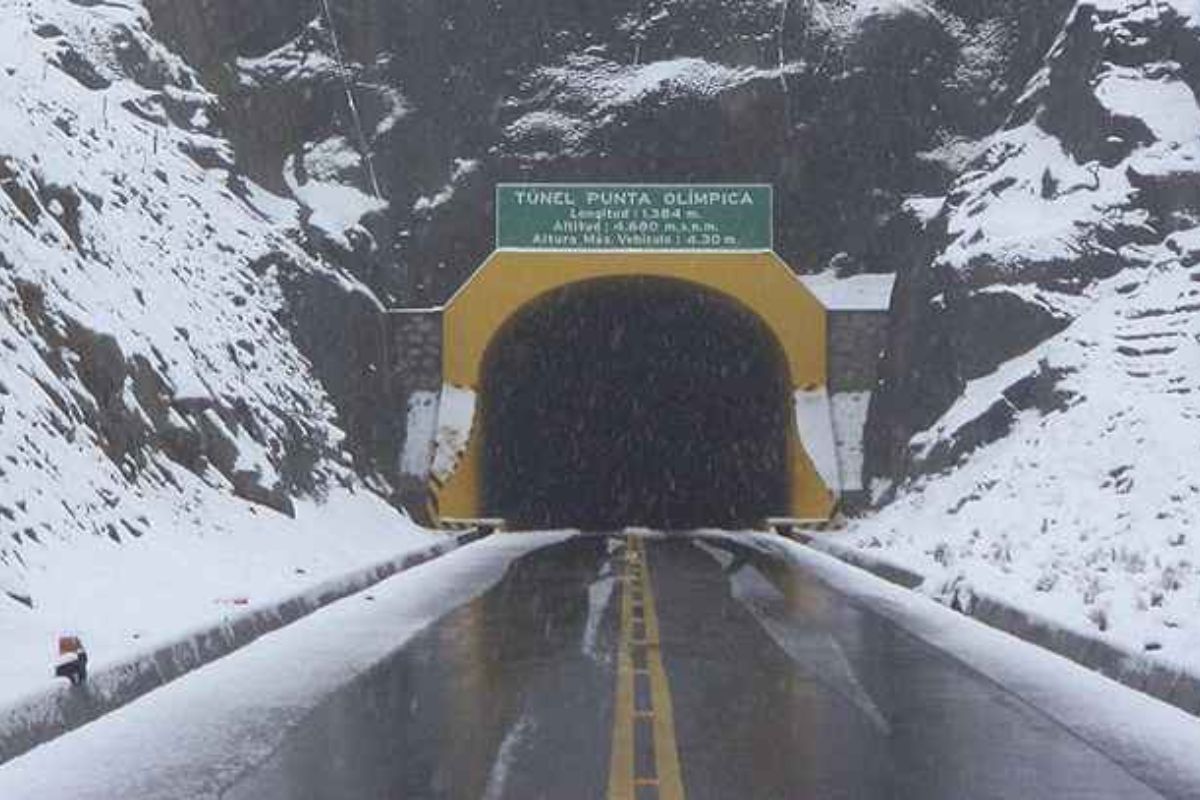
Peru built a tunnel at an altitude of 4,738 meters cutting through the Andes Mountains, and the road leading to it reaches 4,818 meters, making it the highest paved road in the entire world.
-
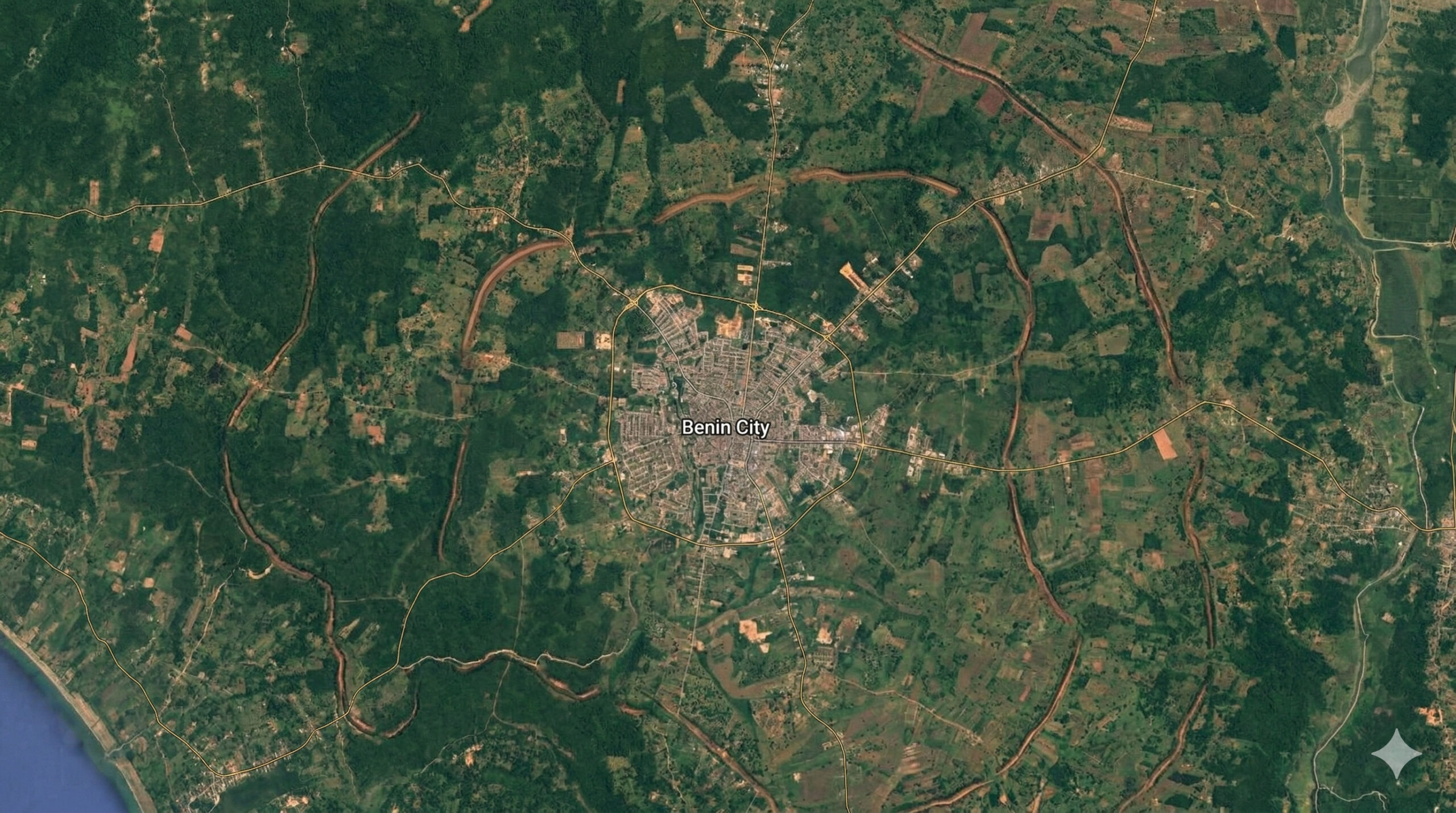
Seen from space, green arcs survive amid the urban expansion of Nigeria like the remnants of a megastructure of earth over 16,000 km long, the walls of Benin City were so long that they surpassed in scale many more famous defensive systems in history.
-
The Maputo-Katembe Bridge changed Mozambique, 3 km over the ocean, 680 m suspended and 140 m towers, a Chinese project costing US$ 700–800 million that ended ferries and also brought debt.

-
Dutch people are replacing common fences with “rain fences,” fences that store rainwater in the garden: up to 2,160 liters, relieving the sewage system during storms and helping to cope with drought in the summer.

All this material was extracted manually, using only simple tools like chisels, iron hammers, and heat fracturing techniques.

The adopted method required absolute precision. Since there was no possibility of “correcting” structural errors afterwards, each cut had to be definitive. A serious failure could compromise the entire work, as the temple could not be dismantled or rebuilt.
The excavation began at the top of the rock and progressed vertically downward, first creating the roof, then the walls, columns, sculptures, corridors, inner courtyards, and finally the lower levels.
Dimensions That Place The Temple Among The Largest Structures Of The Ancient World
The Kailasa Temple stands approximately 33 meters tall, about 50 meters long, and 30 meters wide, dimensions comparable to modern multi-story buildings. The central courtyard is deep, surrounded by vertical walls carved directly from the original rock.
The level of detail is impressive: columns, friezes, mythological sculptures, staircases, side shrines, and internal bridges are all part of the same monolithic block. Nothing was added later. Everything was already “inside the mountain” and was just revealed.
This characteristic makes the Kailasa the largest monolithic structure ever made by humans, surpassing in volume other famous monolithic works of the ancient world.
Structural Engineering Without Formal Calculations, But With Impeccable Logic
Even without modern structural mathematics, the builders applied extremely advanced principles of stability. The columns were sculpted respecting proportions that ensure uniform load distribution.

The outer walls remain thick in critical areas, while the internal voids were carefully positioned to not compromise the integrity of the mass.
The temple has remained structurally stable for over 1,200 years, resisting earthquakes, erosion, thermal variations, and weather conditions, without showing significant structural collapses.
This demonstrates that the empirical knowledge accumulated by Indian artisans of the time was sufficient to handle problems that would today be addressed by civil engineers specialized in rock and massive structures.
Invisible Logistics: Where Did All The Removed Rock Go?
One of the great mysteries of the Kailasa Temple is the logistics. If about 400 thousand tons of rock were removed, that amounts to tens of thousands of manual transportation trips, at a time without industrial wheels, cranes, or large scale pack animals for this type of work.
There are no clear records indicating where all this material was discarded. Some may have been reused in other constructions in the region, while another part was likely spread over decades of excavation. The absence of large waste deposits near the site continues to intrigue archaeologists to this day.
Construction Time And Labor Force
Conservative estimates indicate that the excavation of the Kailasa Temple may have taken between 15 and 30 years, involving hundreds of artisans working continuously. The work had to be extremely coordinated, as multiple excavation fronts were occurring simultaneously at different levels of the temple.
The complexity of the project suggests that there was a complete architectural planning before the start of the excavations, something rare for works of this type in the ancient world.
Why The Kailasa Remains A Unique Case In The History Of Construction
Unlike pyramids, cathedrals, or temples built by adding materials, the Kailasa represents a radically different constructive logic: architecture through absolute subtraction. The building does not exist because it was assembled, but because everything around it was removed.
This approach eliminates common problems of joints, multiple foundations, and fitting failures, but requires a precision and a long-term vision that are nearly impossible to replicate.
To this day, no modern structure has been executed on a similar scale using the same concept of complete descending monolithic excavation.
A Silent Colossus Of Human Engineering
The Kailasa Temple does not rely on legends or exaggerations to impress. Its physical numbers, its construction method, and its survival over time place it among the greatest feats ever accomplished by humanity in terms of direct transformation of the natural environment.
More than a religious temple, it is a material proof that extreme engineering existed long before concrete, steel, and modern machines.









Seja o primeiro a reagir!