





 Portuguese
  English
  Spanish
  5 min of reading
  4 comments


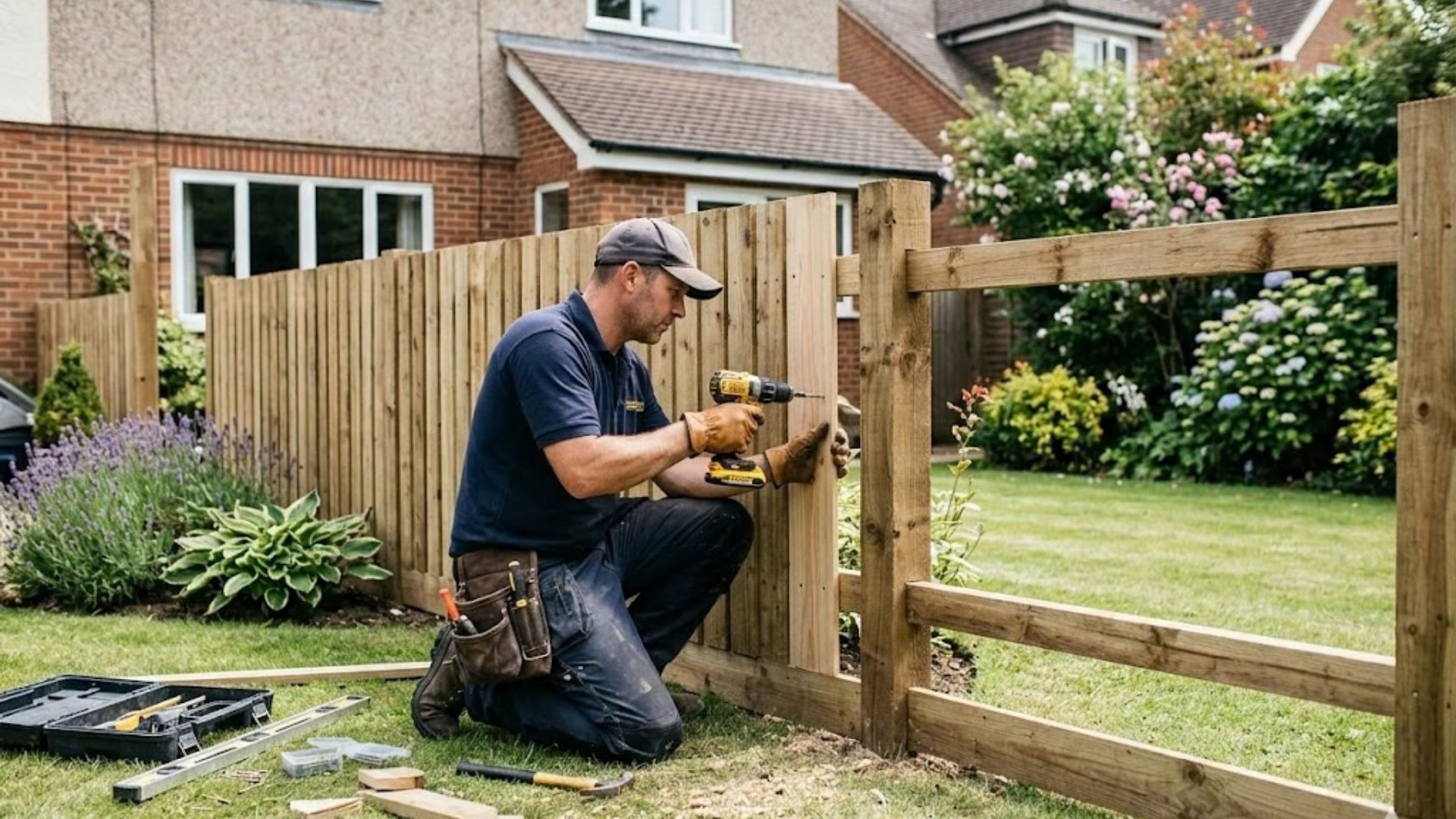


Gabion structures are leaving engineering works and gaining space in gardens, backyards, and architecture projects by uniting contemporary aesthetics, high resistance, and reduced maintenance. A system formed by metal mesh filled with natural stones appears as a durable alternative for fences, low walls, and external dividers.
Gabion structures, previously associated largely with containment works and erosion control, have begun to occupy more space in garden, backyard, and leisure area projects as they combine resistance, drainage, and low maintenance.
Formed by boxes or baskets of metal mesh filled with stone, the system has been adapted from civil engineering for residential and decorative applications, in proposals that combine structural function and contemporary design.
Advancement of the Gabion in Landscape Architecture and Residential Architecture
The popularization of this type of solution is directly related to the technical performance of the material and the search for less demanding fencing in daily life.
-
China completes the most critical section under the Yangtze River with the intelligent tunneling machine Linghang, excavating 11.32 continuous kilometers at depths of up to 89 meters and transforming the Chongming-Taicang tunnel into a landmark that redefines the scale of high-speed rail engineering in the 21st century.

-
The government of São Paulo surprises South America with a plan to transform the famous Ibirapuera with underground shops, air conditioning, and a 25-year concession in a billion-dollar project that expands the audience, alters a protected area, and provokes an immediate reaction.

-
With a lifespan of up to 60 years and a cost up to 30% higher than conventional concrete, self-healing concrete is already being used in Brazil to eliminate leaks, reduce maintenance, and is changing the real cost of construction projects.

-
Engineered wood CLT challenges steel and concrete and promises construction that is up to 2x faster with a lower environmental impact in modern civil engineering.

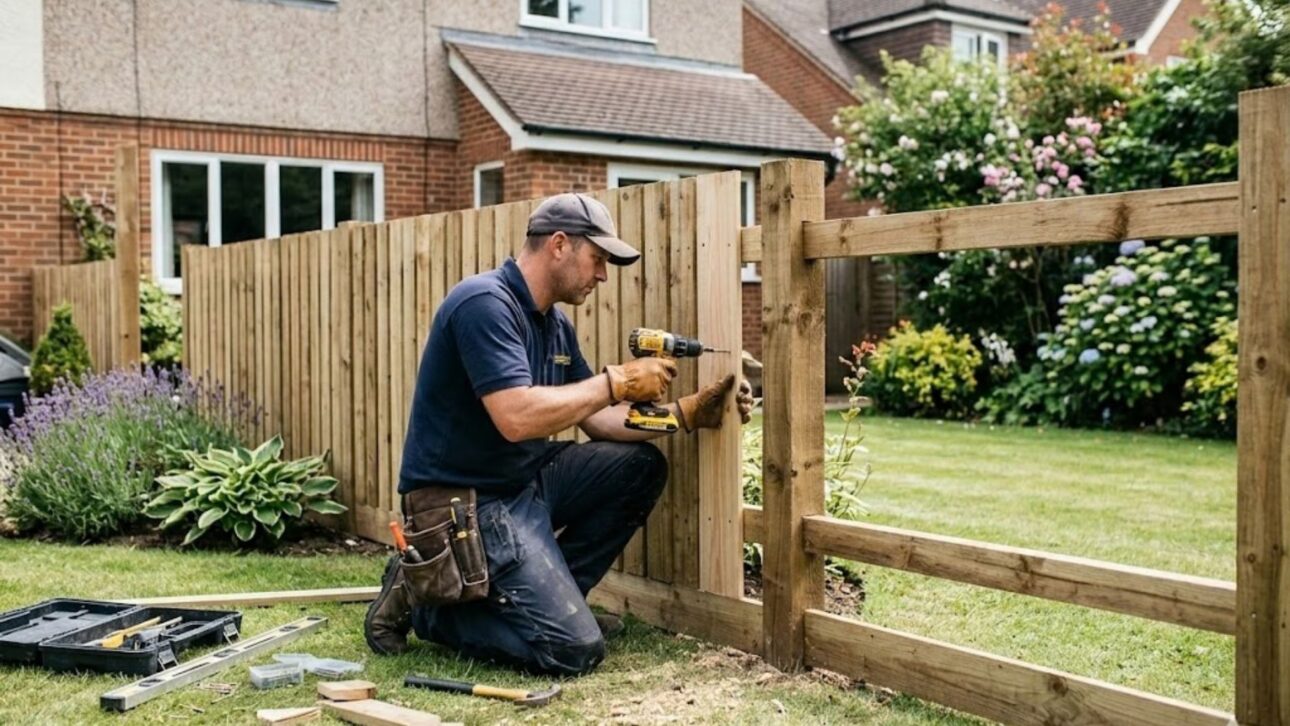
Instead of relying on recurrent painting, as is the case with wood and some exposed metal structures, the gabion works with natural stone and mesh protected by galvanization or specific coatings, which enhances its resistance to weather when the product is correctly specified for the environment.
In practice, this means that the gabion appears not only as a fence but also as a low wall, divider between outdoor areas, containment on slopes, base for benches, lateral closure of flower beds, and a compositional element in architecture projects.
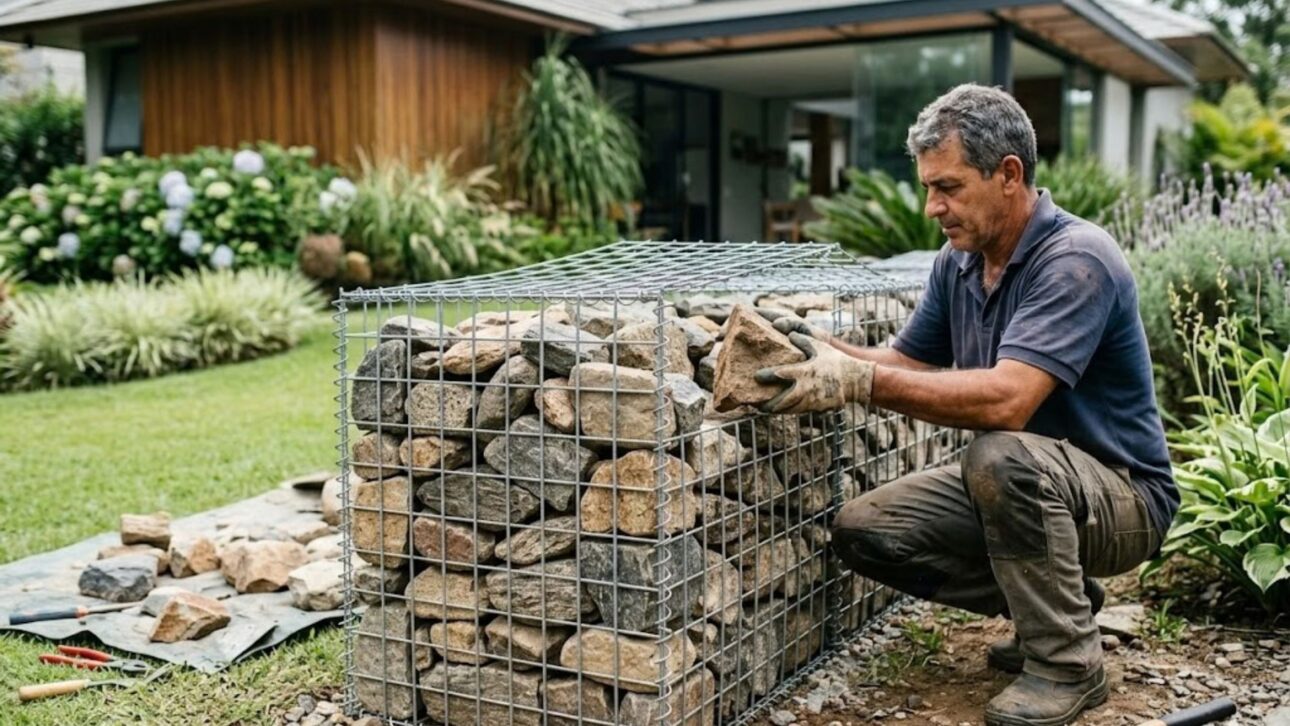
The aesthetic appeal helps explain the trend: the combination of metal and stone creates a robust visual, with a natural finish, that complements dry gardens, gourmet areas, and contemporary proposals.
How the Gabion Left Civil Engineering for Landscaping
The system did not arise in landscaping.
Technical documents and engineering manuals treat the gabion as a structure employed in soil containment, bank protection, slope stabilization, and hydraulic works.
In such applications, the mass of the stones and the internal locking of the assembly help resist the forces of the ground and water, while the mesh distributes tensions and maintains the shape of the block.
This origin helps to understand why the material has also attracted attention in residential settings.
By migrating to landscaping, it retained characteristics valued in heavy construction, such as load-bearing capacity, drainage behavior, and construction flexibility, but gained a new aesthetic function.
Thus, it became an alternative for those seeking a more durable closure than conventional fences and less subject to a worn appearance over the years.
Why Gabion Fences Require Less Maintenance
One of the main advantages of the gabion is the fact that it dispenses with steps common to other fencing.
As the filling is done with stones, there is no need for sanding, varnishing, or periodic repainting.
Moreover, the metal mesh, when following technical standards and receiving proper protection, was designed to resist corrosion in external use, although the lifespan depends on local conditions, humidity, environmental aggressiveness, and the type of coating adopted.
Another decisive point is drainage.
Unlike closed walls, the gabion is a porous and permeable structure.
This allows water to pass through and reduces the formation of hydrostatic pressure behind the structure, a relevant factor in containment and also in areas subjected to heavy rainfall or moist soil.
In garden projects, this feature helps avoid some of the problems associated with infiltration and water accumulation along the closure.
Still, low maintenance does not mean complete absence of care.
Experts recommend periodically checking for deformations, the state of the mesh, the settling of stones, and the performance of the base, especially when the structure performs a containment function or is in more aggressive environments, such as coastal areas.
When the gabion is used for structural purposes, sizing must be done by a qualified professional.
Service Life and Resistance of the Gabion Structure
The promise of long-lasting durability often drives interest in gabions, but the technical literature addresses this point with caution.
Technical assessments indicate that the lifespan of gabions can vary according to the class of protection of the wire and the exposure environment, ranging from about ten years in certain configurations to several decades under favorable conditions.
Therefore, the reference to up to 50 years of durability may make sense in specific contexts, but should not be interpreted as a universal rule.
In dry and less aggressive areas, well-specified systems tend to demonstrate prolonged performance.
Conversely, in regions with intense salt air, frequent contact with water, or corrosive agents, the choice of coating and stone directly influences durability.
Longevity, therefore, depends less on a generic promise and more on the combination of design, material, and execution.
Where the Gabion Works Best in Garden Projects
In residences, the gabion usually performs best in gardens with contemporary proposals, sloped terrains, country houses, beach properties with well-specified designs, and outdoor areas that require robust closure without losing visual integration with the landscaping.


It also appears in condominiums and communal spaces, where the combination of resistance and aesthetic presence weighs in the selection of materials.
There is still room for compositions with wood, lighting, and vegetation.
Climbing plants, flower beds, and green volumes can soften the mineral appearance of the structure, while stones of different sizes and colors alter the final result.
This degree of variation explains why the gabion has ceased to be seen merely as a technical solution and has come to occupy a prominent place in projects that value texture, contrast, and permanence.
What to Observe Before Installing a Gabion in the Garden
Despite its simple appearance, the result depends on some prior care.
The base must be prepared according to the weight of the structure and the soil conditions.
The type of mesh, the wire coating, and the granularity of the stones also interfere with performance and finishing.
In low and decorative fences, execution tends to be more straightforward.
In retaining walls, slopes, and pieces subject to significant loads, sizing requires calculation and technical specification.
With this set of characteristics, the gabion has gained space precisely where traditional fences often present limitations.
Wood requires frequent maintenance, common metal can suffer from corrosion, and living fences demand continuous pruning.
On the other hand, the gabion has established itself as a hybrid alternative, being both constructive and ornamental, supported by attributes that originated from engineering and were incorporated into contemporary landscaping.









Onde se encontra o gabião?
oi. Preciso muito erguer um muro de uns 3,50 m de altura por 30 M de comprimento e seria instalado grudado no muro menor de 2m já existente o qual divide minha casa da casa vizinha. Pra evitar questões vou subir colado partindo do chão.. A técnica do gabiao serve? Tenho muitos problemas com invasão.
Vc deve consultar empresa especializada neste tipo de contenção, que vai analizar o tipo de solo através de sondagem do terreno e verificar a situação da vizinhança para ver como pode ser feito e se pode ser utilizado o gabião no seu caso.
Você precisa chamar um profissional capacitado e habilitado, pois você tem um problema de segurança, mas a solução técnica, será proposta por um técnico ou engenheiro ou técnico especializado. Não adianta você querer resolver, contratando a empresa A ou B, pois ela irá executar exatamente o que fora contratada, e você como leiga no assunto poderá contratar uma empresa erroneamente para solucionar o seu possível problema, no entanto poderá criar outro ainda mais grave.
No caso do Sistema de Contenção de divisas através de gabiões de aço, ele atende a questão de contenção e necessariamente mantém a drenagem do entorno (a água irá percolar pelo sistema), essa avaliação não é você quem faz, e sim o seu engenheiro (viabilidade técnica e financeira).
Contudo, vale ressaltar que nos casos mais extremos ou absurdos, quem construir um muro de arrimo (divisa do terreno) contratando diretamente um pedreiro, e o mesmo vier a ceder, entrando em colapso e cair sobre o vizinho, gerando danos, ou até morte, o responsável é o proprietário que ordenou a execução do muro…não é o pedreiro o responsável!!! Eu estou vendo muitas notícias de muros que caem sobre pessoas que nada tem a ver com o assunto, e o dono do muro sofrerá as consequências (apenas para você refletir).
Por fim, quando você chamar um profissional para visitar a tua casa, ele irá elencar todas as possibilidades possíveis e impossíveis para você compreender, e irá recomendar a melhor solução pra você resolver o seu problema, elaborando um projeto, cotando materiais e não de obra, desempenhando uma função que ele sabe melhor do que ninguém, e com isso você poderá dormir tranquilamente (segurança e tranquilidade) Pense nisso!!!
Para contratar um engenheiro, você deve ter a indicação de um, ou pode solicitar a indicação de um profissional através do respectivo conselho de classe: CREA, CAU, CFT (engenheiro/arquiteto/técnico).
Espero ter lhe ajudado…boa sorte!!!