





 Portuguese
  English
  Spanish
  4 min of reading
  0 comments


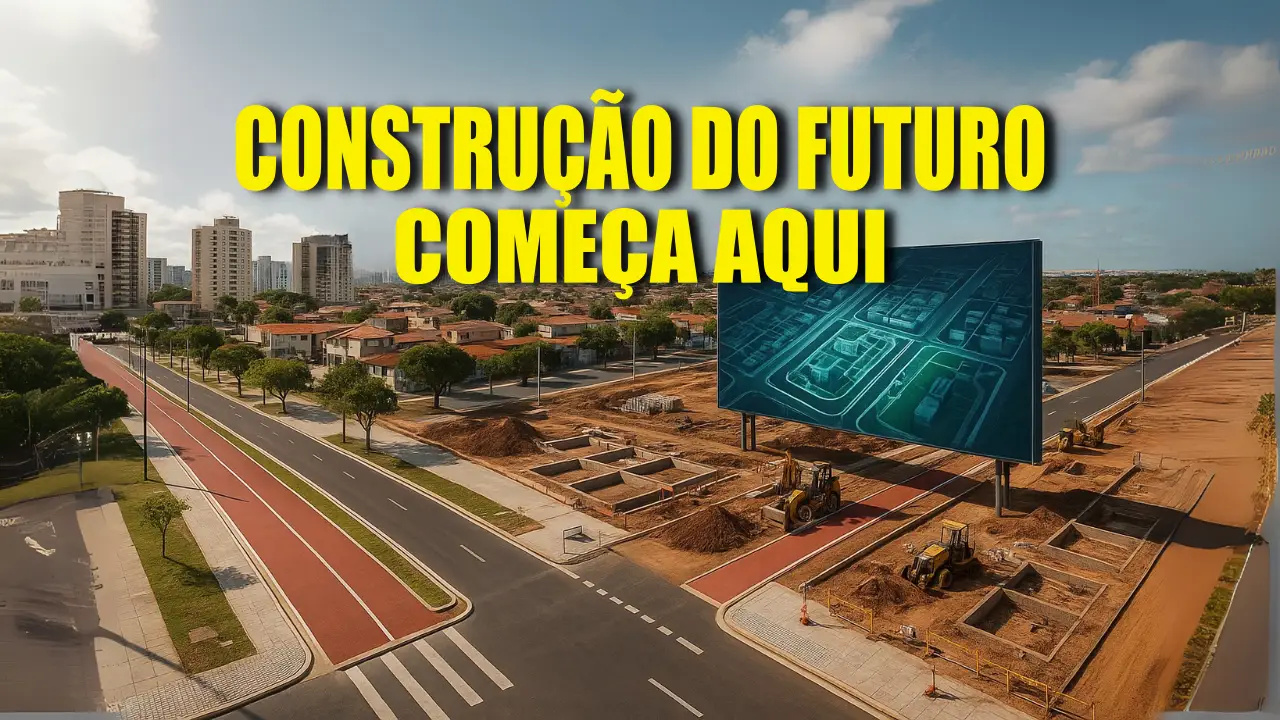
Pioneering Project in DF Uses BIM Technology to Revolutionize Urban Engineering, Bringing Smart Planning and More Efficient Execution
Imagine a construction site that you can navigate like a game: 3D maps, traffic simulations, and piping, all ready before the first shovel hits the ground. This is the revolution arriving in Ceilândia. The GDF has just inaugurated an ambitious urban redevelopment in Pôr do Sol, and for the first time in DF, an infrastructure, construction, and engineering project is being conducted entirely in BIM (Building Information Modeling). The goal? Strategy, transparency, and efficiency on a public scale.
Technology That Transforms Public Works Management
The adoption of BIM by the Department of Works and Infrastructure of DF (SODF) represents a game-changing shift in how public works are designed and executed. By replacing outdated 2D plans and scattered documents with a unified digital model, the agency has begun to compile all technical information, from drainage and sewage networks to paving and urban elements, into a single three-dimensional system.
This virtual environment allows each stage to be simulated in advance, anticipating interferences and refining costs and timelines with precision. As a result, construction no longer depends on emergency adjustments and operates under integrated, transparent, and efficient control, resulting in real savings for public coffers.
-
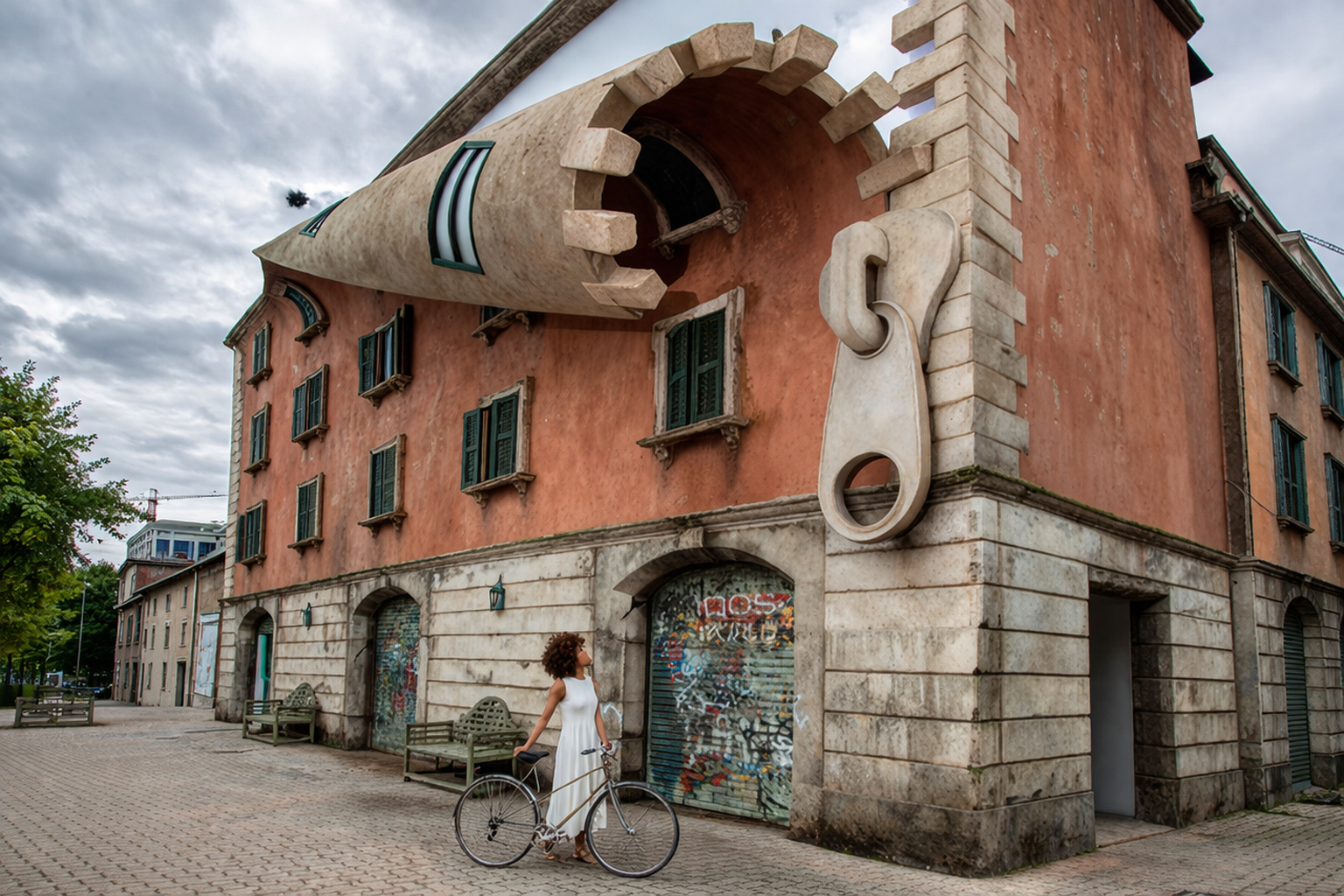
With a façade that resembles a giant zipper, the building in Milan creates a sense of strangeness, featuring lighting that transforms engineering and attracts the attention of residents and tourists.
-
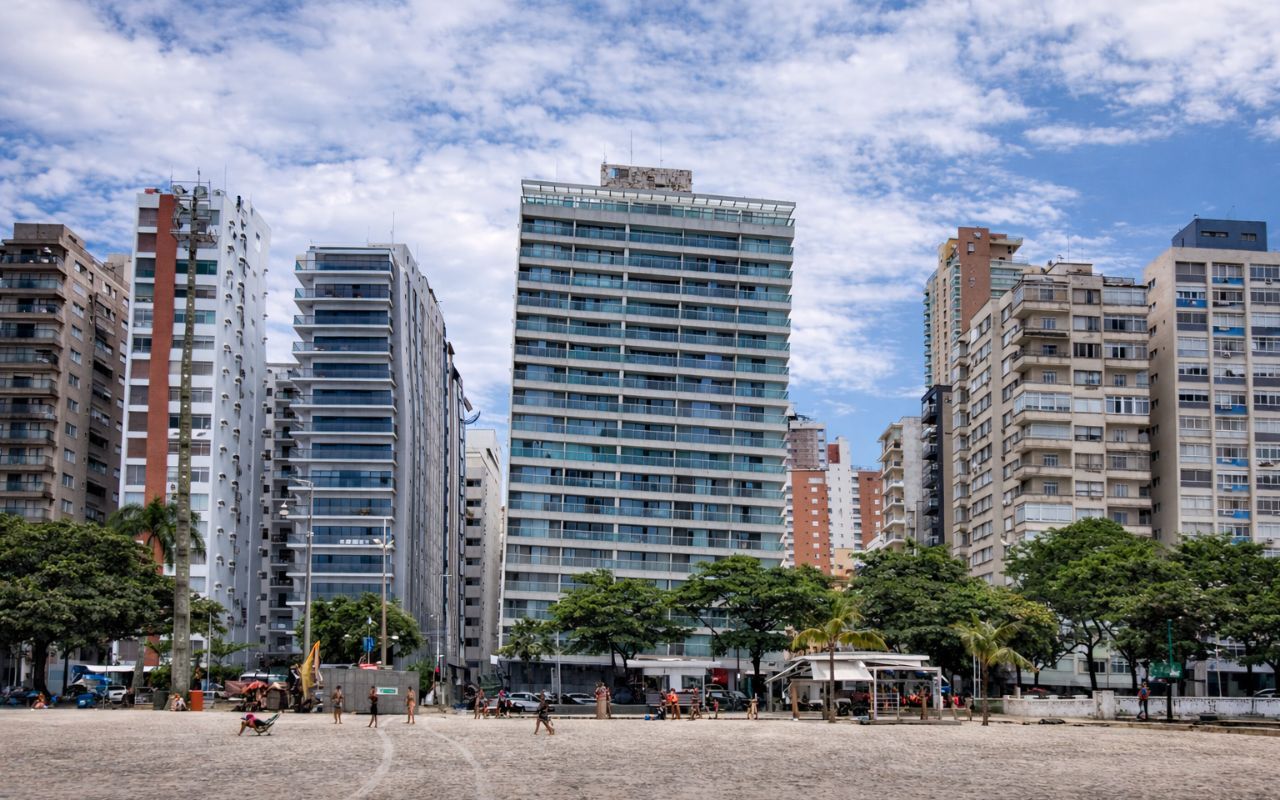
The Brazilian city has 319 crooked buildings built on sandy soil without proper deep foundations, houses the largest beach garden in the world, with over 5 km, and is still considered the birthplace of surfing — meet Santos, in São Paulo.
-
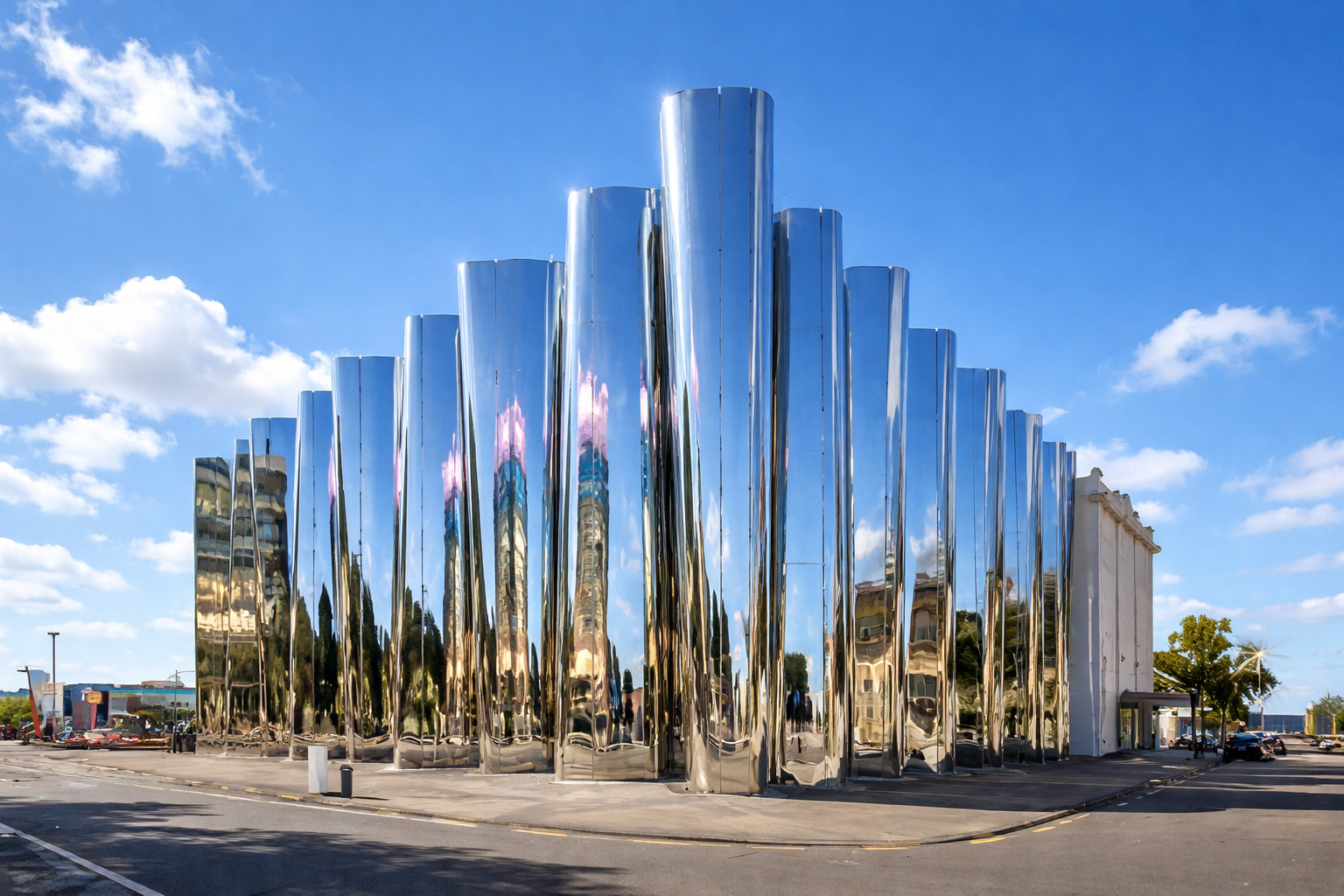
New Zealand builds a shimmering building that vibrates, featuring a 62-seat cinema, moving sculptures, and an environment where sound, light, and energy are felt in the body.
-
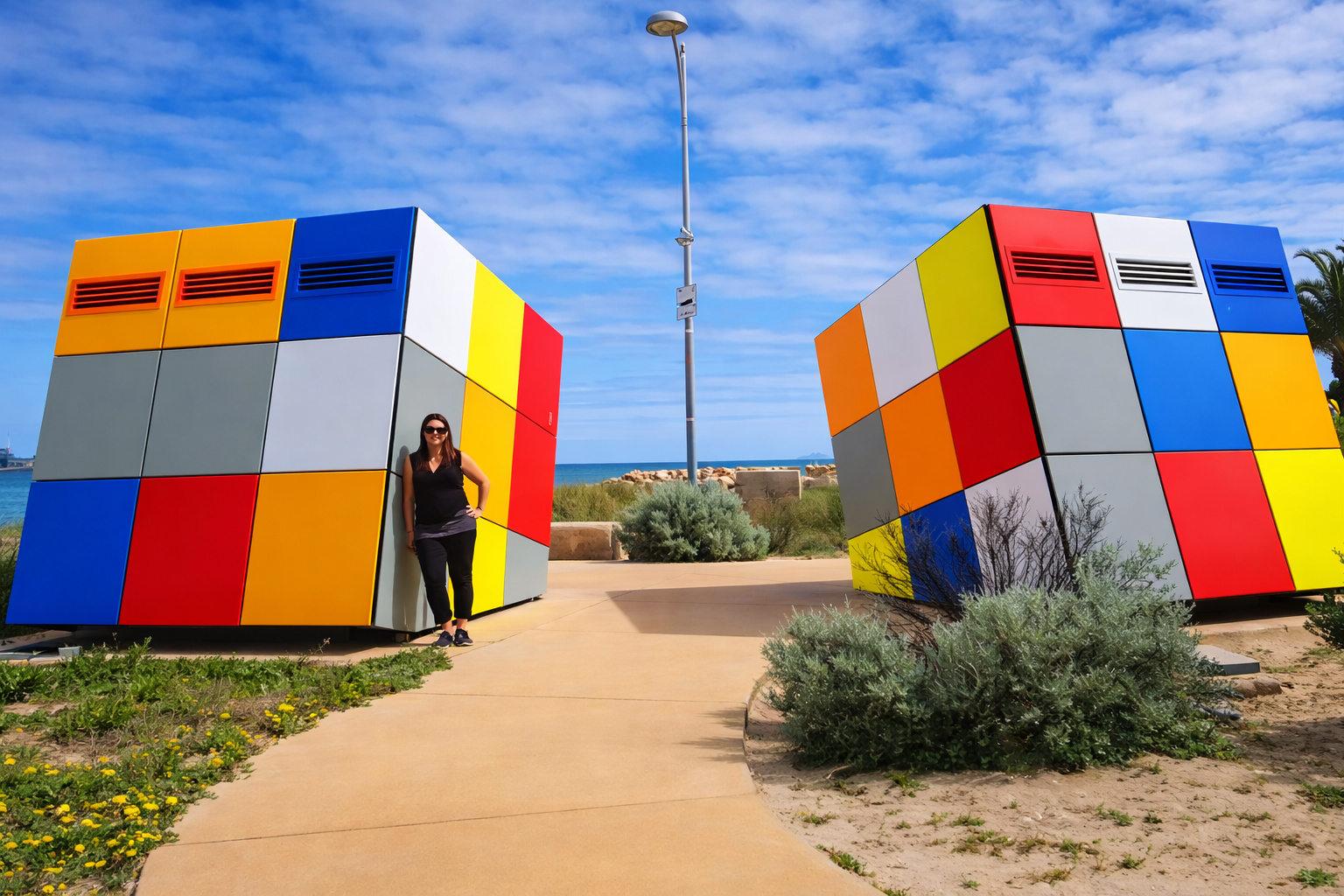
Two colored cubes of 2.5 m transform a public bathroom into a selfie spot in Western Australia, costing up to 75% less than traditional construction and helping to reduce vandalism in public spaces.

Large-Scale Urban Intervention
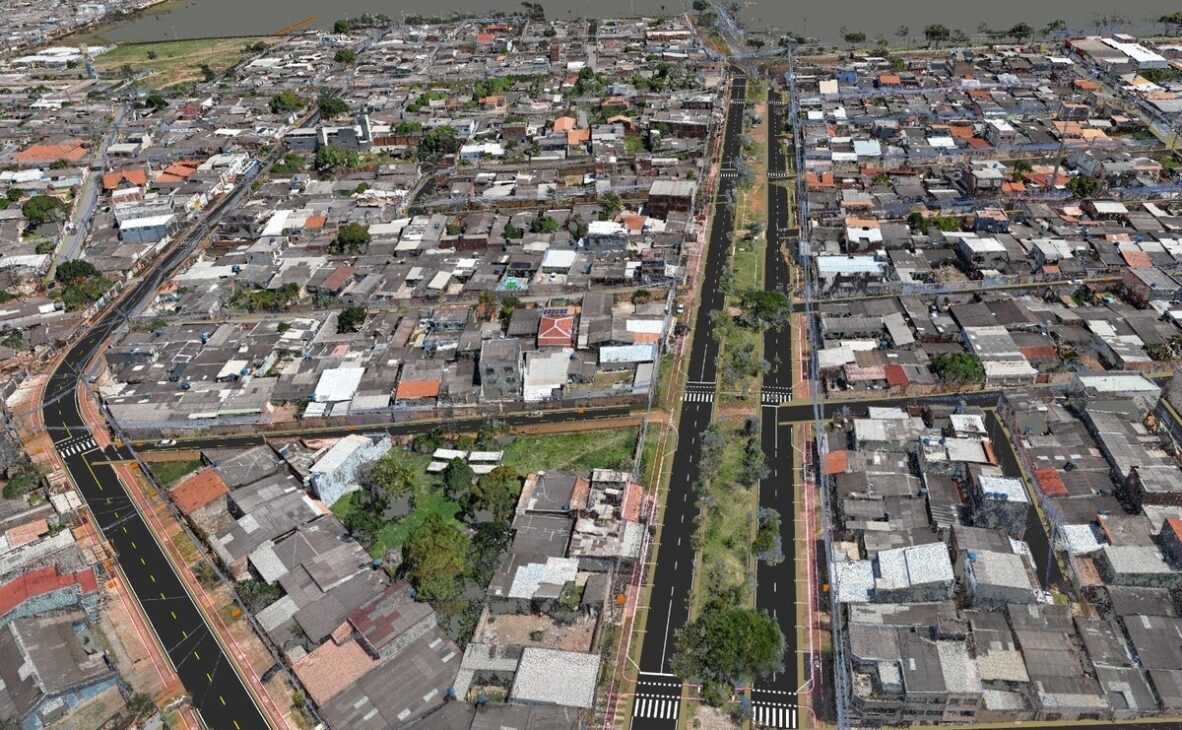
During an official presentation to the Pôr do Sol community, the Department of Works detailed the scope of the project that is about to remodel the local urban fabric.
The intervention includes the paving of 150 streets; approximately 27 kilometers in length, with asphalt application on the main avenues and interlocking blocks on the smaller streets, ensuring better surface drainage.
The redevelopment also includes the installation of 22 kilometers of stormwater drainage, 93,000 square meters of accessible sidewalks, five kilometers of bike lanes and roundabouts, as well as water, sewage networks, and signage.
The execution will be divided into two lots: the first will have a bid launched in July, followed by the second in October. The forecast is that the works will begin in 2025, bringing the neighborhood a complete and planned urban infrastructure.
Work fronts have already begun to move on-site, with preliminary stages such as earthworks, sidewalk installation, and technical networks underway. This physical start of the work reinforces the practical character of BIM modeling, which guides every construction decision based on previously simulated data, minimizing uncertainties and accelerating execution.
Expert Approval: Intelligence and Pioneering Spirit
Carlos Maciel, Undersecretary of Projects at the Department of Works and Infrastructure (SODF), highlights the revolutionary nature of BIM in public engineering:
“A project designed in BIM is an intelligent project because all management can be done in an integrated manner, from conception to final delivery. The model gathers data from all disciplines involved, such as drainage, paving, sidewalks, and water and sewage networks, facilitating decision-making and monitoring of execution.”
Secretary Valter Casimiro emphasizes the pioneering nature of the project: “The Pôr do Sol project is the first elaborated entirely in BIM, but it will not be the only one. We are inaugurating a new level of efficiency in DF’s infrastructure, with a direct impact on the quality of public services.”
A Model That Is Already a National Reference
Far beyond technological innovation, the use of BIM meets stringent federal guidelines, such as those set by the National BIM Dissemination Strategy — an initiative by the Federal Government that guides the modernization of public management in Brazilian works. With its full implementation in the Pôr do Sol project, the Federal District positions itself at the forefront of national public infrastructure, adopting a methodology that reduces rework, ensures process traceability, improves cost control, and strengthens transparency in bidding. The recognition of BIM as an essential technical standard is already endorsed by institutions such as Confea and Sinduscon-DF, and SODF, aligned with this vision, even offers an official manual for applying the modeling in urbanism and engineering projects.
What’s Ahead: BIM as the New Standard in Public Engineering
The application of BIM in the Pôr do Sol project is just the beginning of a structural change. According to Secretary Valter Casimiro, the Department of Works intends to adopt the methodology in all its future projects, consolidating a new standard of quality, control, and efficiency for public engineering in DF. Thus, modeling ceases to be a technological gamble and becomes integrated into institutional routine, aligned with legal requirements, principles of sustainable development, and best international practices in infrastructure and construction. The Federal District, by systematically investing in this transition, positions itself as a concrete reference for other states seeking to modernize their public works policies with responsibility and long-term vision.
The Pôr do Sol project marks a watershed moment for public engineering in DF. It is not just about paving but the adoption of a model that combines smart planning, transparent execution, and concrete benefits for those who live and circulate in the neighborhood.
Leave Your Opinion: Do you think this public construction model is efficient? Do you have questions about BIM? Comment below or share this article so more people can learn about the impact of this new paradigm in infrastructure!








Seja o primeiro a reagir!