





 Portuguese
  English
  Spanish
  3 min of reading


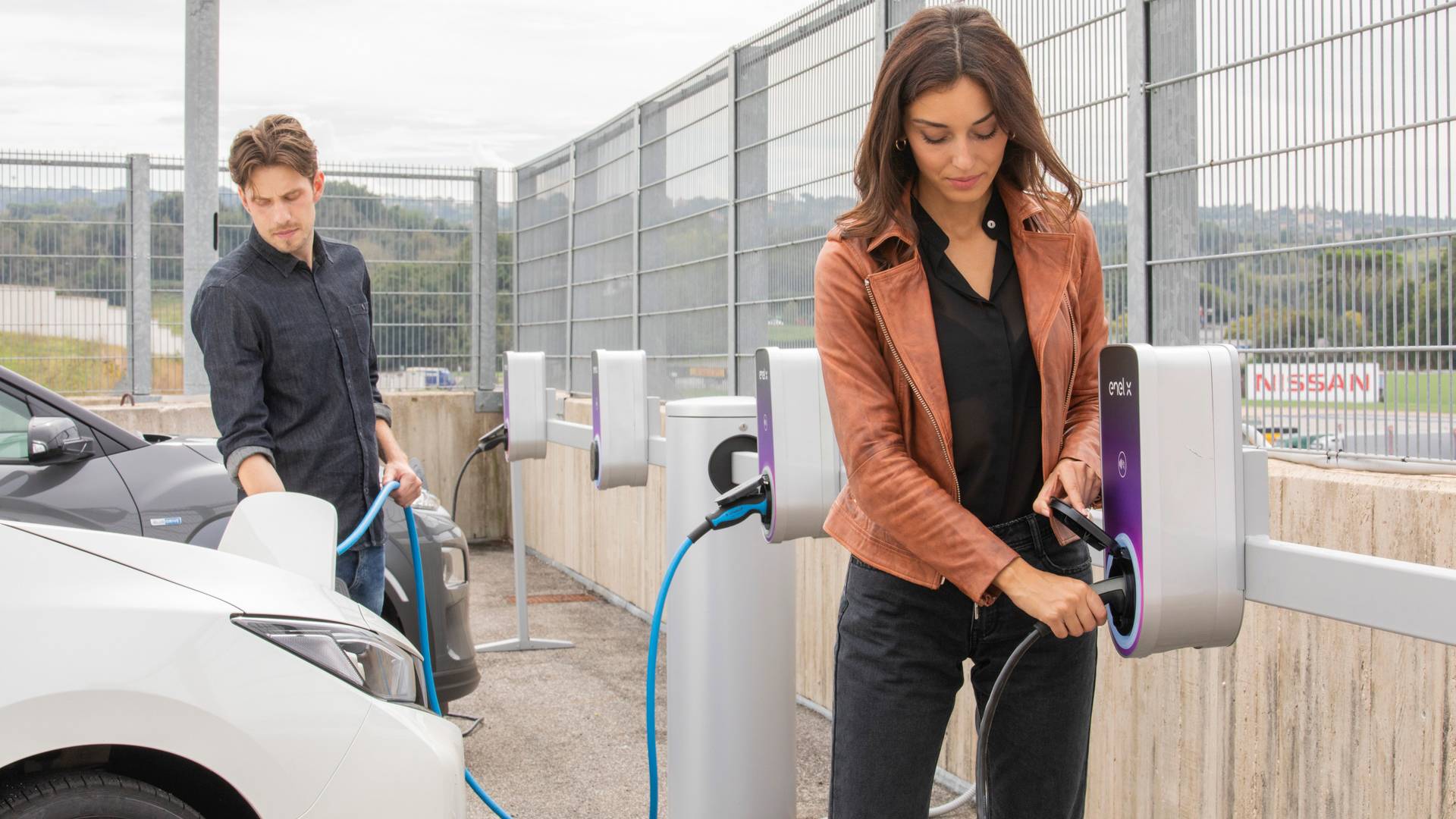
BP Is Already Reaping The Results Of Using Its Fast Charging Stations For Electric Cars And Claims That In The Near Future They Will Be More Profitable Than Gas Stations
Emma Delaney, head of customers and products at BP, stated that the charging stations are close to becoming more profitable for the company than gas stations. Recent numbers from the multinational show that, in margin, its electric refueling network, BP Pulse, is approaching the profit obtained from fuel offered to distributors. Therefore, soon the electric car division may become profitable on its own, according to the British conglomerate.
Read Also
UK Profit In The Electric Vehicle Fueling Sector Rises By 45%
According to Delaney, we are reaching a point where the business indicators for charging stations will be better than those for gas stations. The executive chose not to disclose when BP’s electric car charging stations will surpass gas stations, but reported that the UK’s profit from supplying energy to electric vehicles grew by 45% just between the second and third quarters of last year.
Overall, BP is experiencing a significant opportunity with fast charging stations for businesses and consumers, as well as fleet services.
-
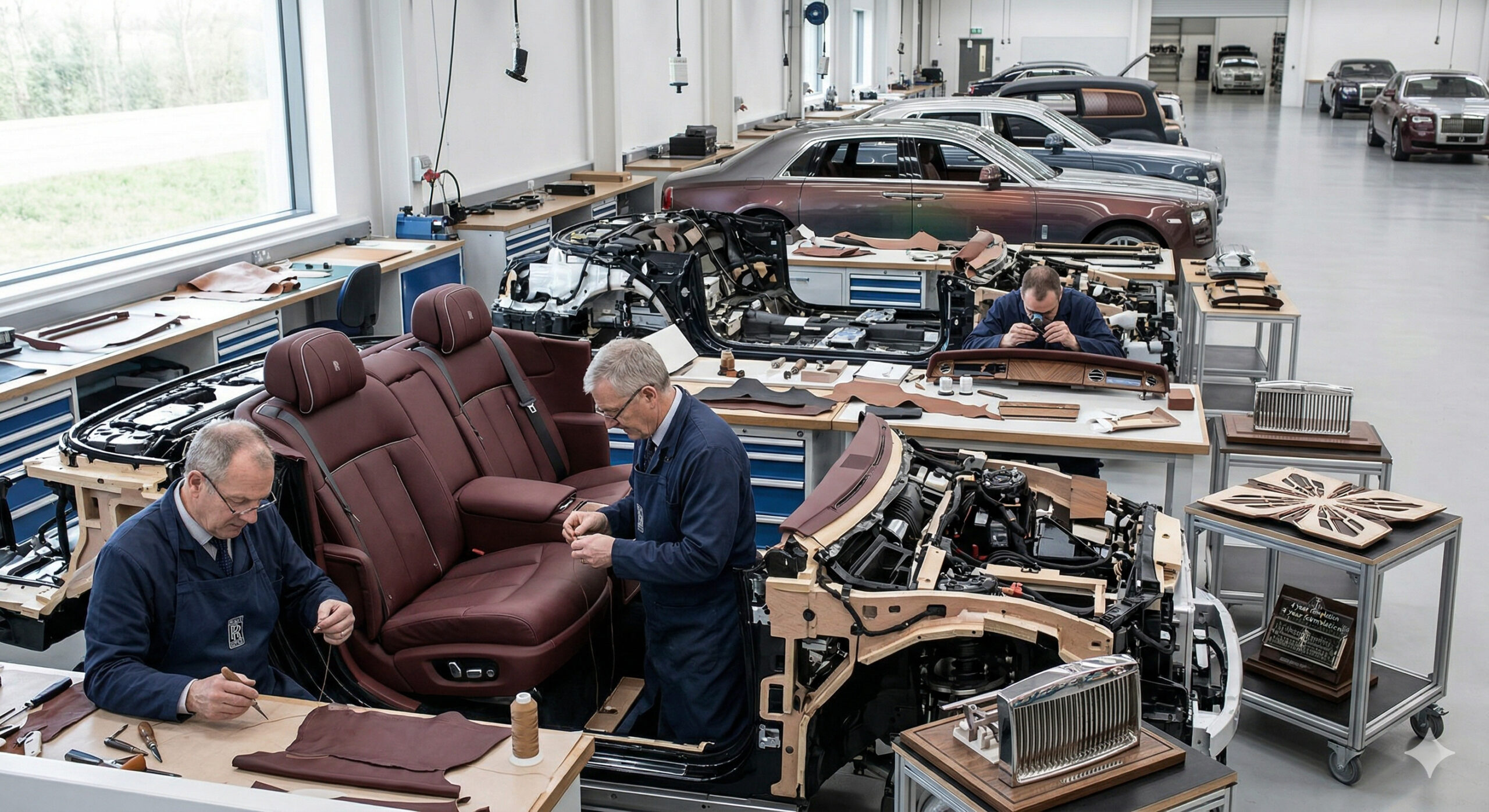
While much of the industry rushes to automate production, Rolls-Royce takes over 600 hours to hand-build each car in Goodwood and still accepts orders so complex that they can take up to four years to be completed.
-
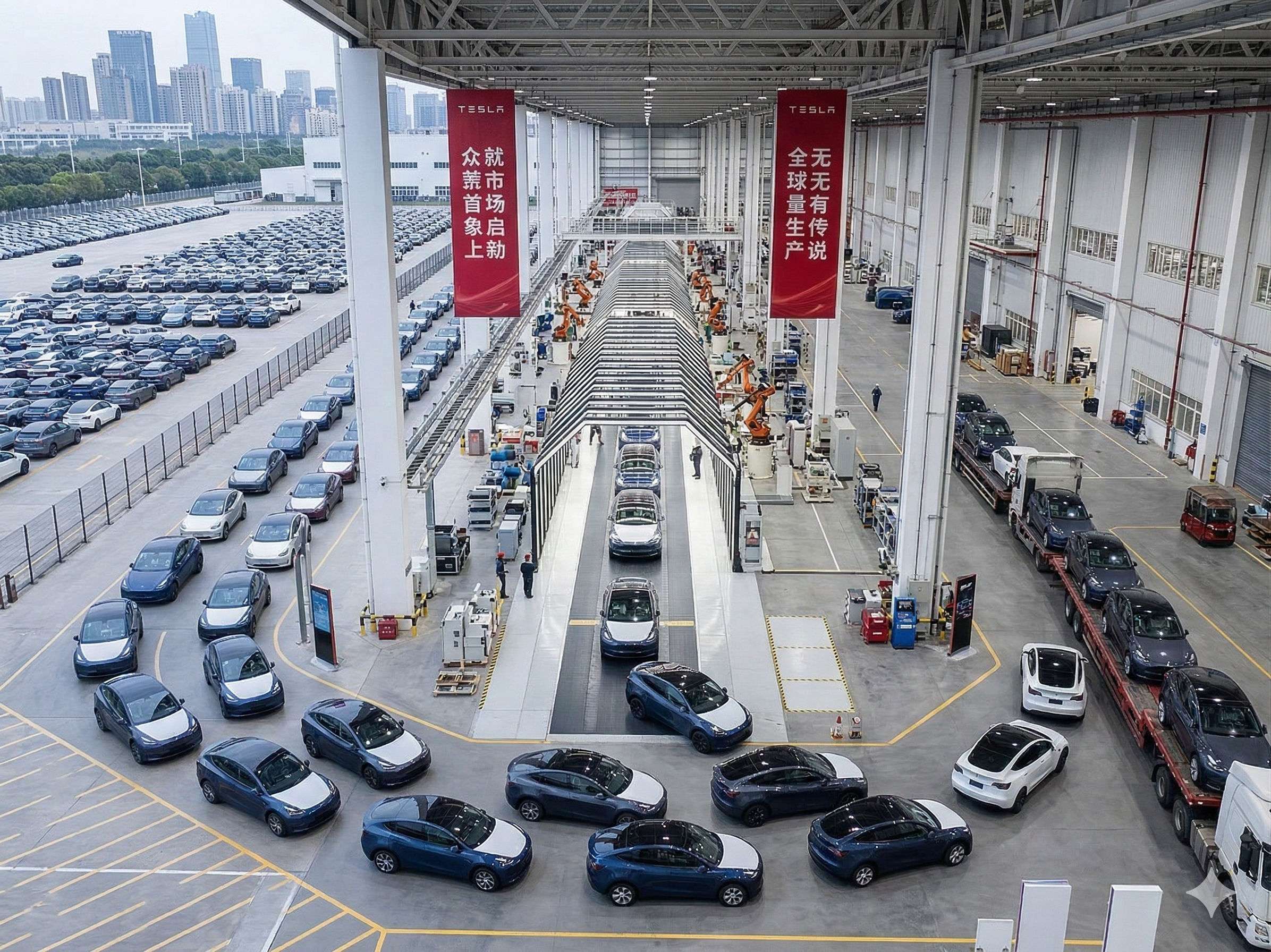
Smaller than the Model Y, lighter, with a single motor and designed to cost less than the current Model 3, Tesla’s new compact electric SUV is born in China and could seal the automaker’s return to the race for mass-market electric vehicles.
-
Kawasaki took the technology from its most brutal racing bikes, squeezed it into a 400cc 4-cylinder engine that revs to 15,000 RPM, and created the ZX-4R, a machine that shouldn’t exist in this displacement but is making experienced riders rethink everything they thought they knew about mid-range motorcycles.

-
The culture of cars that jump on the asphalt was born in the garages of Mexicans in the 1940s, was treated as a crime in the United States for decades, and has now become an official postage stamp of the American Postal Service in a twist that no one expected.

BP Estimates 70,000 Charging Stations By 2030
By the beginning of the next decade, BP plans to expand the number of fast charging stations from the current 11,000 to 70,000, further sidelining gas stations.
Unlike rival Shell, which has its own charging unit, BP will focus on charging stations in the range of 50 to 150 kW. The head stated that the company has truly chosen to pursue high-speed charging on the go, rather than slow charging.
BP began offering charging for electric cars 12 years ago, but only from 2017 onward did it start considering expanding its network for these vehicles, talking to manufacturers and considering ways to enter the market. Since then, the company has invested in new charging technologies and auxiliary batteries.
100% Sustainable Charging Station
In the port of Ghent, Belgium, Elektrapel opened a charging station for electric cars that operates entirely on wind power. The unit is connected to three new wind turbines recently placed along the R4, which should produce about 33,000 MWh annually. This is equivalent to the energy requirements of approximately 11,000 electric cars per year.
The station has two charging points, and if two vehicles are charged simultaneously, this will happen at a speed of 175 kW. This means that 200 km of range can be charged in about 20 minutes or less.
However, it is worth noting that not all vehicles support these speeds. If only one vehicle is charged, the charging speed can reach 350 kW, equivalent to 100 km of range in just 8 minutes. However, there are currently no models that can support this speed.








Seja o primeiro a reagir!