Portuguese
  Spanish


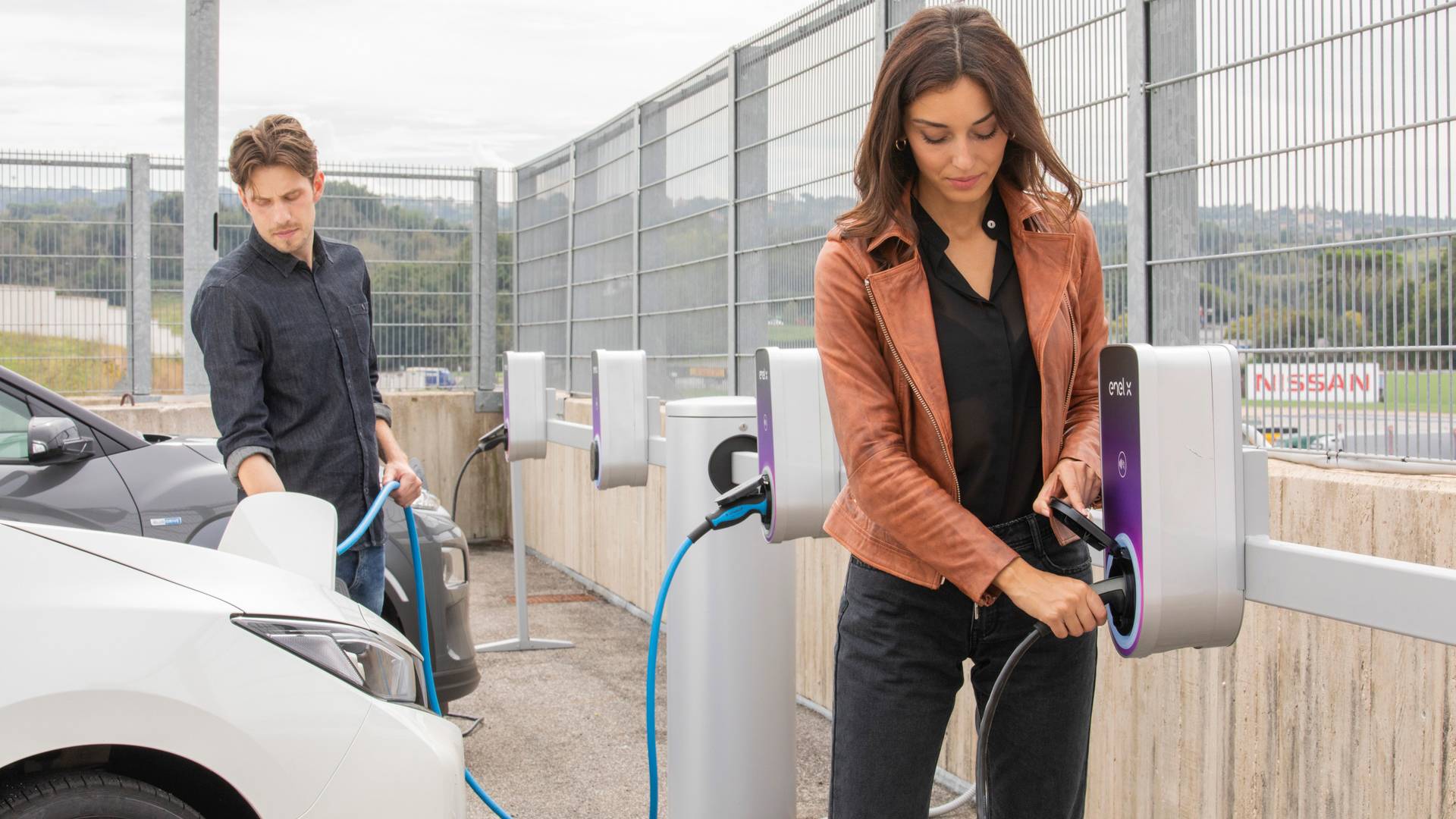

BP Is Already Reaping The Results Of Using Its Fast Charging Stations For Electric Cars And Claims That In The Near Future They Will Be More Profitable Than Gas Stations
Emma Delaney, head of customers and products at BP, stated that the charging stations are close to becoming more profitable for the company than gas stations. Recent numbers from the multinational show that, in margin, its electric refueling network, BP Pulse, is approaching the profit obtained from fuel offered to distributors. Therefore, soon the electric car division may become profitable on its own, according to the British conglomerate.
Read Also
UK Profit In The Electric Vehicle Fueling Sector Rises By 45%
According to Delaney, we are reaching a point where the business indicators for charging stations will be better than those for gas stations. The executive chose not to disclose when BP’s electric car charging stations will surpass gas stations, but reported that the UK’s profit from supplying energy to electric vehicles grew by 45% just between the second and third quarters of last year.
Overall, BP is experiencing a significant opportunity with fast charging stations for businesses and consumers, as well as fleet services.
-
2027 Toyota Corolla Cross Unveiled: New Design, Enhanced Fuel Efficiency, Reduced Maintenance Costs, Advanced Technology, Connected Services, and Up to 10-Year Warranty

-
Fiat Cronos Precision 2018: Affordable Sedan with Spacious Trunk and Reliable Maintenance
-
Volkswagen to Cut Production by 1 Million Cars by 2030, Reducing Jobs and Platforms, Focusing on More Profitable Models

-
Toyota Launches First 100% Electric Car in Brazil: bZ4X with 343 HP, All-Wheel Drive, 361 km Range, Priced at $419,990 BRL, Limited to 99 Units



BP Estimates 70,000 Charging Stations By 2030
By the beginning of the next decade, BP plans to expand the number of fast charging stations from the current 11,000 to 70,000, further sidelining gas stations.
Unlike rival Shell, which has its own charging unit, BP will focus on charging stations in the range of 50 to 150 kW. The head stated that the company has truly chosen to pursue high-speed charging on the go, rather than slow charging.
BP began offering charging for electric cars 12 years ago, but only from 2017 onward did it start considering expanding its network for these vehicles, talking to manufacturers and considering ways to enter the market. Since then, the company has invested in new charging technologies and auxiliary batteries.
100% Sustainable Charging Station
In the port of Ghent, Belgium, Elektrapel opened a charging station for electric cars that operates entirely on wind power. The unit is connected to three new wind turbines recently placed along the R4, which should produce about 33,000 MWh annually. This is equivalent to the energy requirements of approximately 11,000 electric cars per year.
The station has two charging points, and if two vehicles are charged simultaneously, this will happen at a speed of 175 kW. This means that 200 km of range can be charged in about 20 minutes or less.
However, it is worth noting that not all vehicles support these speeds. If only one vehicle is charged, the charging speed can reach 350 kW, equivalent to 100 km of range in just 8 minutes. However, there are currently no models that can support this speed.