





 Portuguese
  English
  Spanish
  3 min of reading


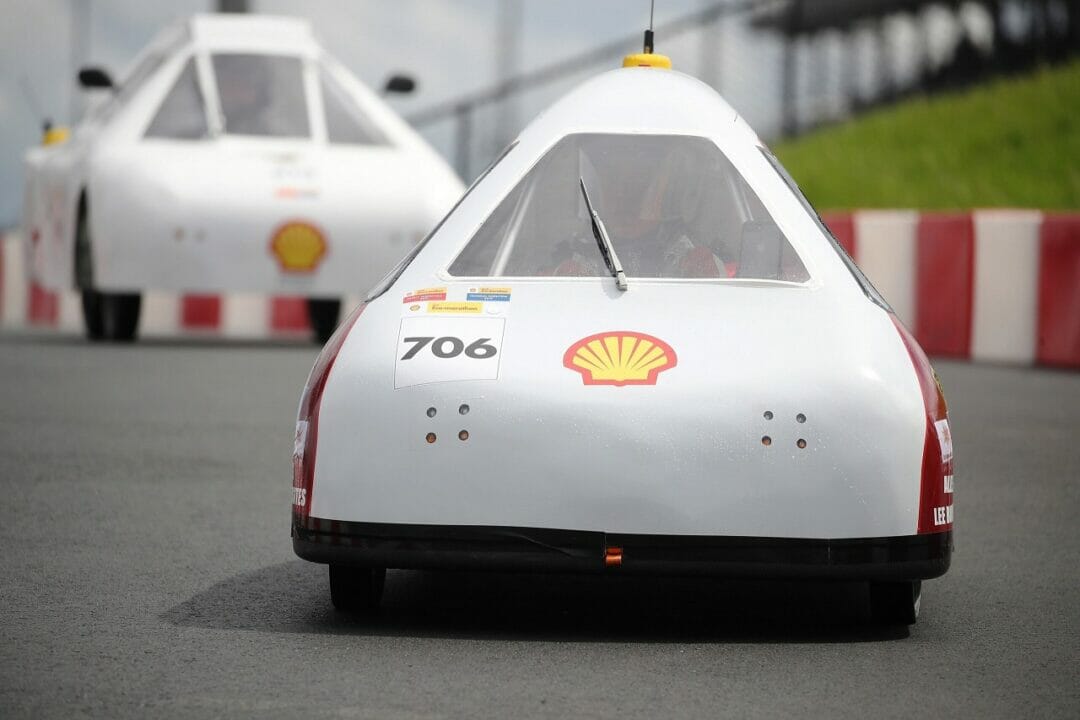
Brazilian Teams Develop Car That Achieves 715 Km/L and Win Competition Organized by Shell. The Event Also Featured Hydrogen and Battery-Powered Cars That Surprised.
The Shell Eco-Marathon, the main automotive engineering competition among universities in Brazil and other Latin American countries, has reached its 6th edition with new features. For the first time, the event included two teams that bet on hydrogen as an energy source; however, combustion and electric cars still dominate. Among the combustion models is the car that achieves 715 km/l developed by Brazilians.
Learn More About the Shell Event
The Eco-Marathon is divided into four categories based on the energy source of each project: Internal Combustion, Hydrogen Fuel Cell, Electric Battery, and Urban Concept. It is important to highlight that Shell does not charge a registration fee; however, it is up to the universities and students to seek sponsors to finance not only the project but also travel and accommodation in Rio de Janeiro.
The event started last Wednesday (29) and lasted until Friday (1). In addition to the students’ travel, there is also the transportation of vehicles to the Pier. A student from the Captain Ustáriz University in Bolivia stated that a truck transported the prototype from Cochabamba to the border with Brazil.
-
After being stalled for seven years in the desert, the 1 km skyscraper in Saudi Arabia has resumed construction, rising one floor every three days, and is now on track to surpass the Burj Khalifa by 2028.

-
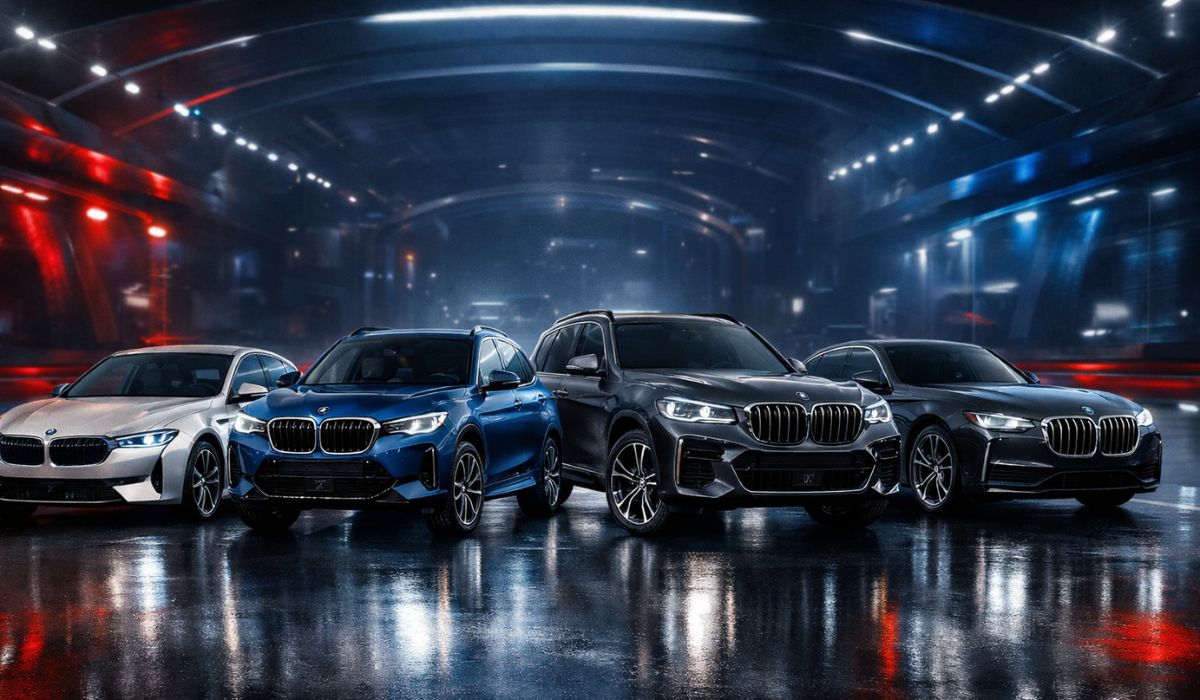
BMW entered 2026 ready to turn the tables with an avalanche of launches that mix new electric vehicles, refreshed SUVs, transitioning sedans, and sports cars, in an offensive that accelerates the Neue Klasse era and could reshape the global premium competition.
-
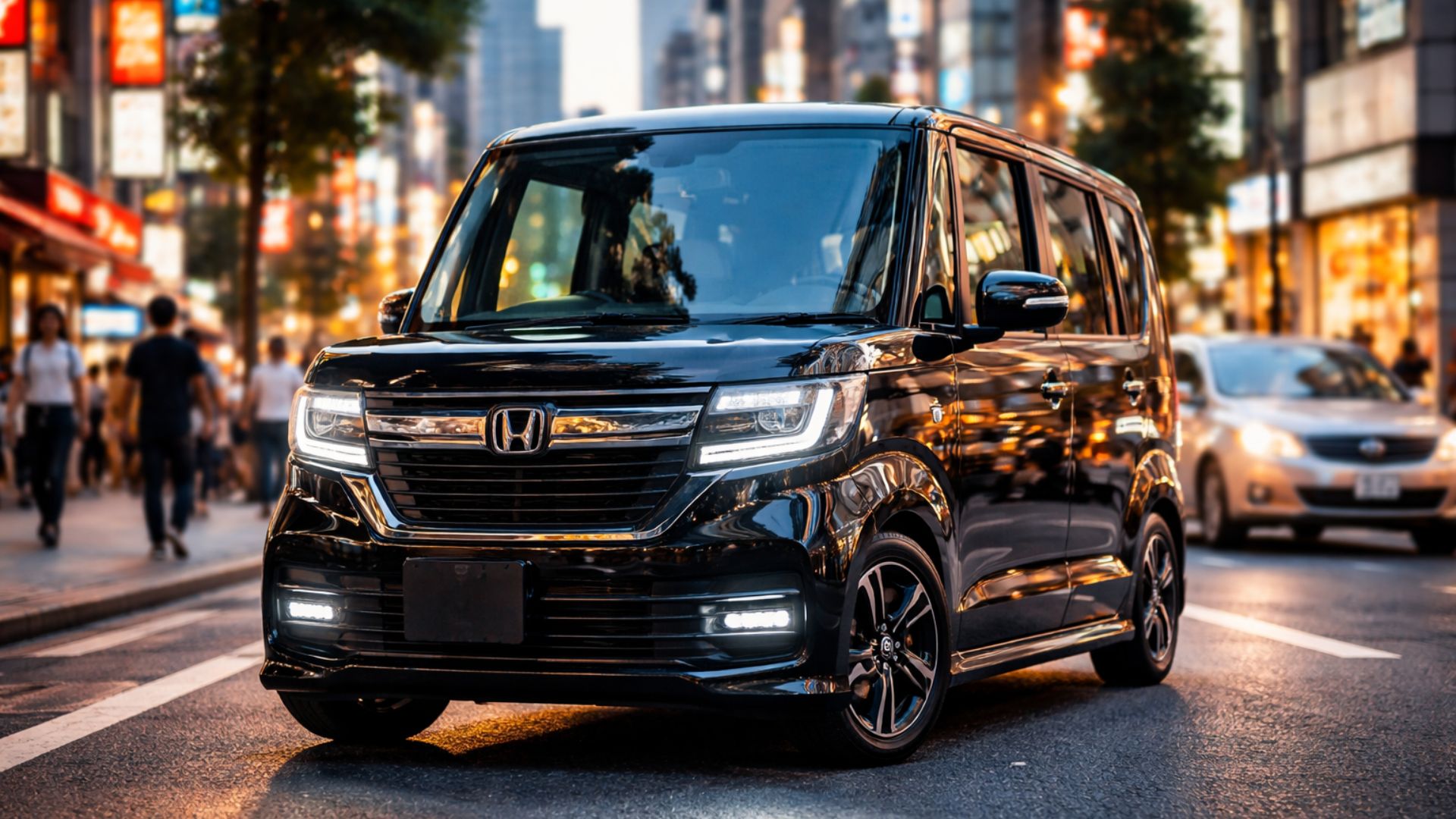
Honda’s mini car is a hit with a 0.66 turbo engine, selling 198,893 units, leading sales for the 5th consecutive year, featuring Honda SENSING and optional 4×4 traction, with a spacious interior and measuring just 3.39 m in Japan.
-
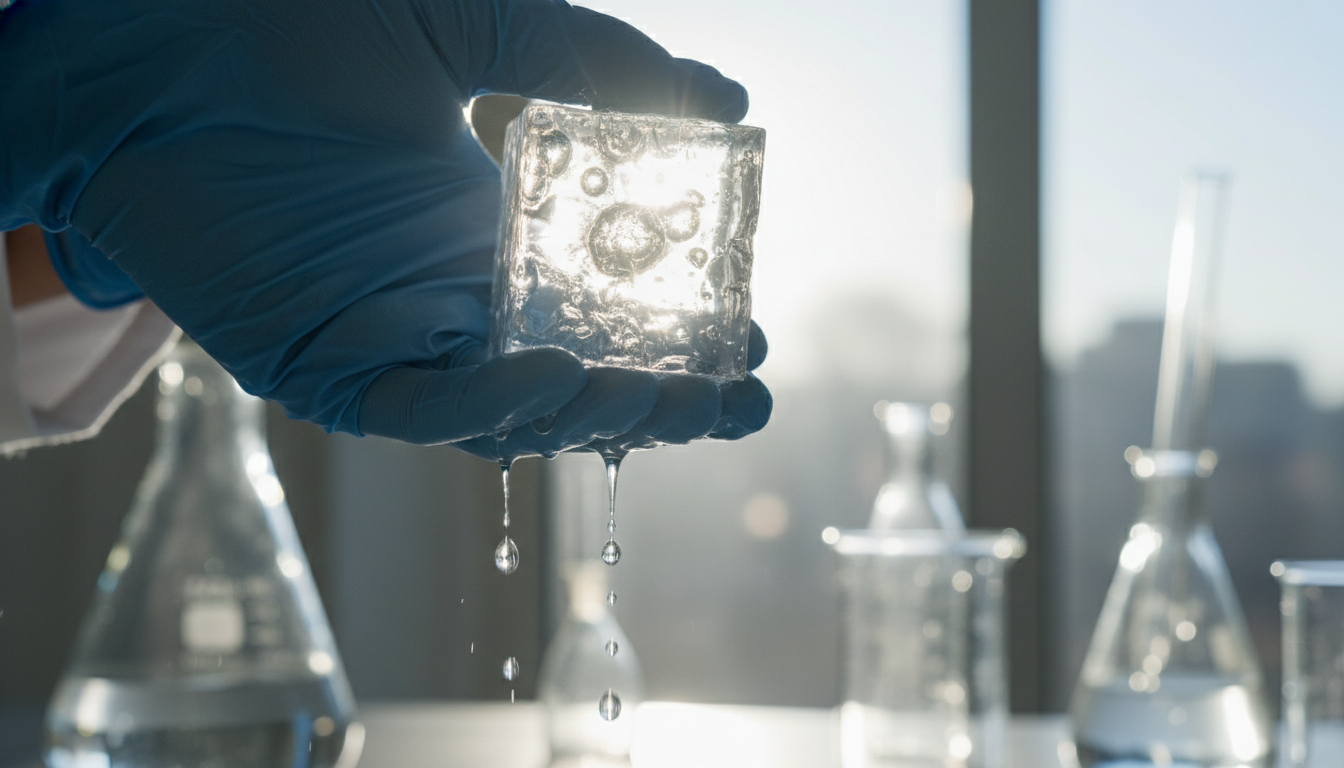
Scientists create a “molecular sponge” that transforms dirty water and even water from the Dead Sea into potable water using only sunlight and without consuming any electrical energy.
The vehicle passed through Federal Revenue and was loaded onto a Brazilian truck, which completed the final transfer to Rio de Janeiro. Meanwhile, the students traveled by plane, with a stop in São Paulo.
The event, which included a hydrogen-powered car, operates like a race, where the universities have designated areas that serve as pits, where they leave vehicles, computers, tools, and mechanical components. The primary objective is to pass the technical inspection, which according to Shell, is the most challenging part.
Check Which Teams Presented Hydrogen-Powered Cars
The prototypes must meet various technical criteria to have the chance to undergo a consumption test on the track. According to Norman Koch, global manager of the Shell Eco-Marathon, about 15% of competitors fail the inspection.
The technicians evaluate weight, visibility, brakes, dimensions, design, electronics, mechanics, horn, emergency button, and even the effort required to enter and exit the vehicle. The driver undergoes physical and psychotechnical evaluations and must wear gloves, helmet, and FIA-approved suit, according to the International Automobile Federation.
Among the teams that failed was the National Autonomous University of Mexico (UNAM), which also bet on the hydrogen fuel cell as an energy source. A part of the system that converts energy in the hydrogen-powered car did not arrive in Rio de Janeiro in time.
The participants withdrew and did not attend the last day of the event. Meanwhile, the Bolivian team bravely fought to put the first hydrogen-powered car in the history of Eco-Marathon Brazil on the track.
After dealing with issues involving brakes, leaks, the horn, and current escapes, the prototype managed to complete two laps. Unfortunately, the hydrogen-powered car stopped before completing the third.
Brazilian Teams Develop Car That Achieves 715 Km/L
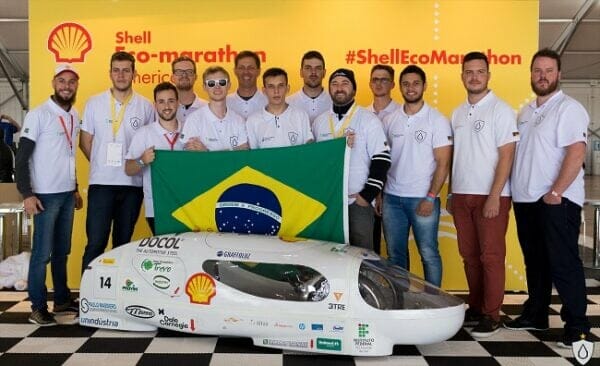
The best result among the combustion engine prototypes is from the Federal Institute of Education of Rio Grande do Sul, located in Erechim, with a car that achieves 715.7 km/l. The second place went to the Federal Technological University of Paraná, which scored 647 km/l.
Among the electric motor prototypes, the Federal University of Minas Gerais won with a score of 367 km/kWh. The leadership of the Minas Gerais team was closely contested as the Federal Institute of South Rio Grande achieved 364 km/kWh and took second place.






Seja o primeiro a reagir!