Portuguese
  Spanish



Renault Announces Launch of Its Hydrogen Car, A Concept Made with 70% Recycled Materials. The Hydrogen-Powered Car Will Also Be 95% Made from Recyclable Materials
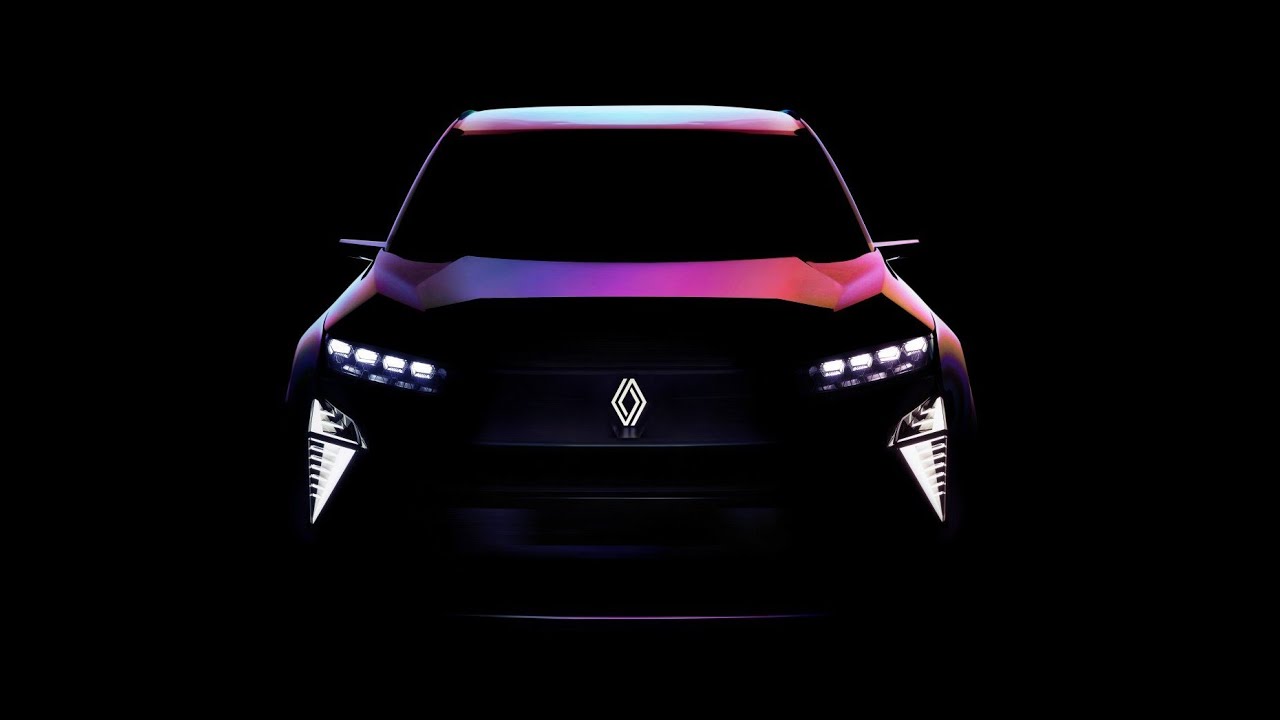
Renault announced last Wednesday (11) that it plans to launch its new hydrogen-powered car, with a reveal date set for May 19. The concept focuses on sustainability and will be made with 70% recycled materials and 95% recyclable materials. Initially, Renault only showcased the interior and exterior of the vehicle. Inside, the hydrogen car features a dashboard with a multi-screen layout, different textures on the steering wheel, and seats with extended headrests. Outside, the vehicle has a lit Renault logo.
Details About the New Hydrogen-Powered Car from Renault
It’s not possible to know much about the vehicle for now, but it is already observable that the front is composed of a divided headlight and a hood with a detailed design.
It is still unclear whether the vehicle is an SUV or a hatchback. Renault, which works with hydrogen fuel cell technology, providing production vans through HYVIA, may have in this hydrogen car a common combustion engine that could be converted to use hydrogen as fuel, as was done by Toyota with its GR Yaris.
-
Suitcase-sized hydrogen engine spins at 25,000 rpm, nearly doubling the efficiency of conventional cars and replacing exhaust smoke with water vapor

-
1983 Chevrolet Runs Over 100,000 km Without Gasoline, Powered by Wood Chips, Reaches 125 km/h in Airport Test

-
Workshop Converts Giant Tractor Tire Tricycle into a Three-Wheel Drive Hybrid with 36,000-Watt Electric Motor Capable of Climbing Hills

-
Sales of Brazil’s Cheapest Electric Car Halted Before First Deliveries: E-Motors Suspends Emova Easy Due to Import Tax Increase and Rising Freight Costs

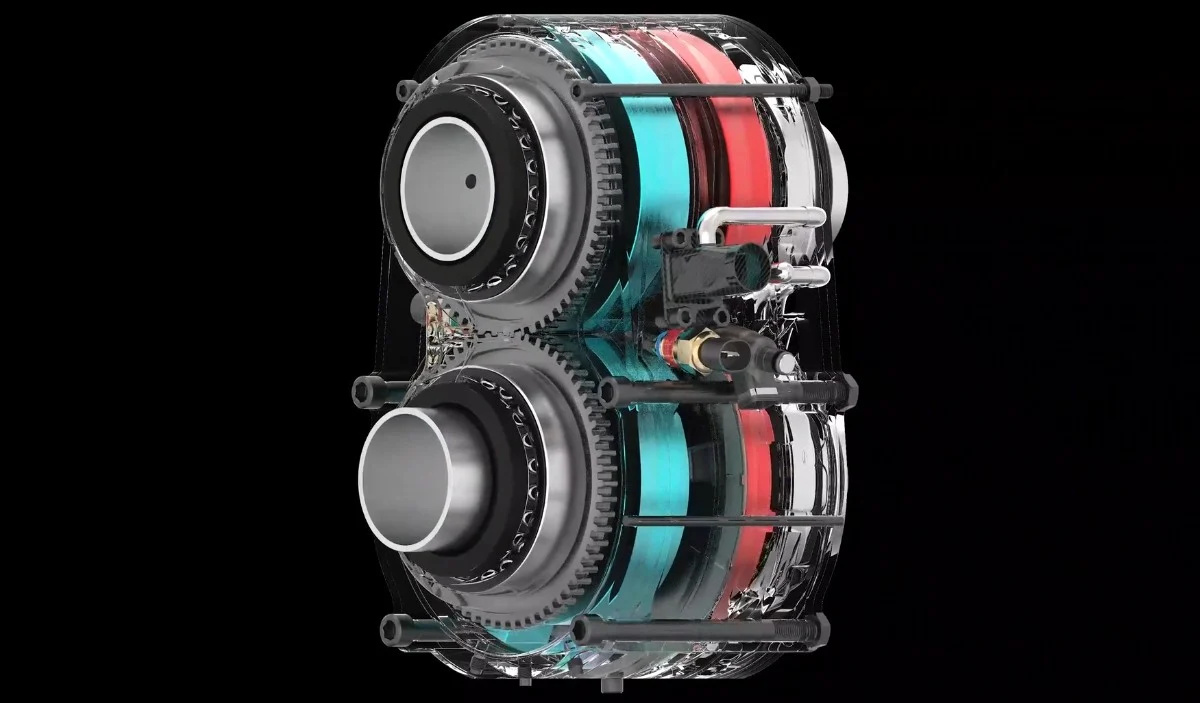



The French automaker will showcase the model at the Change NOW event, which will take place in Paris, France, from May 19 to 21. In the hydrogen car’s engine, the burned fuel explodes, moving the pistons, just like in gasoline vehicles. However, instead of emitting polluting gases like CO2, it only releases water vapor through the exhaust.
In fuel cell engines, a chemical reaction occurs that also emits water vapor, but generates electricity instead of an explosion. This powers an electric motor. Although it makes no noise, this model can also be refueled at a gas station and not from a plug.
Renault CEO Speaks About Hydrogen Car
According to Luca de Meo, CEO of Renault, the model will also receive an electric version, in addition to the hydrogen one. It is possible to see, from the teaser released by the brand, traces of the Megane, primarily in the shape of the headlights and the hood.
The vehicle features cameras in the side mirrors replacing traditional mirrors and has a front end that resembles the company’s new subcompacts. The brand’s executive also emphasized that the hydrogen-powered car is much more than a design study and states that the company plans to bring the model to reality.
Renault Zoe Equipped with a Tank Carrying 200 Liters of Fuel Combining Hydrogen and Manure
Stepping away from the automaker itself, last week an electric Renault Zoe was equipped with a tank carrying 200 liters of fuel that combines hydrogen and manure, setting a record by traveling 2,055.68 km on a single charge.
The vehicle was developed by ARM Engineering, based in France, and uses a renewable synthetic methanol known as G-H3, which has characteristics that allow it to power electric cars through a dedicated cell.
The record achieved by the modified Renault Zoe was obtained on the Albi circuit in France, with the vehicle reaching 50 km/h. By using the biomass and hydrogen-based fuel, the vehicle’s range was essentially five times greater than what was offered by the raw electric model, at about 385 km. The vehicle spent three days on the track to cover over 2,000 km. Five drivers took turns at the wheel from seven in the morning until midnight.