





 Portuguese
  English
  Spanish
  3 min of reading
  4 comments


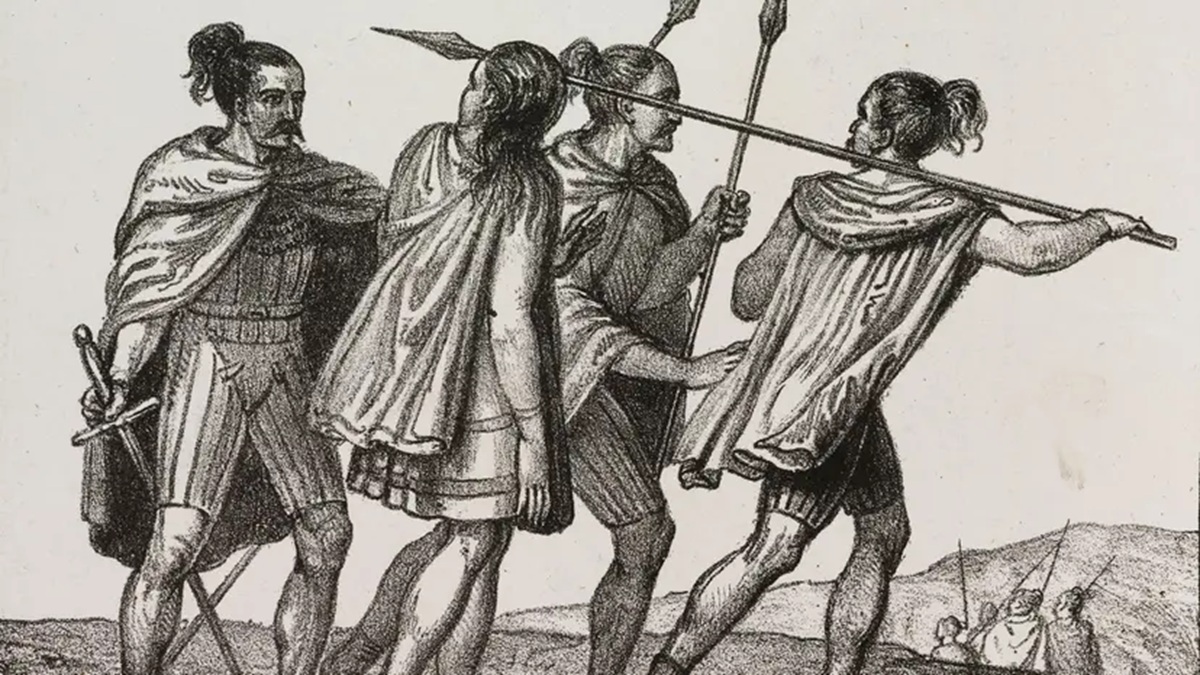


Study Reveals How Western Hunter-Gatherer Genes, Survivors of the Ice Age, Increase the Chances of Living to 100, With 38% More Probability for Italians With These Genetic Characteristics.
A recent study published in the journal GeroScience reveals that the longevity of Italian centenarians is directly linked to their genetic ancestry, with descendants of Western hunter-gatherers, survivors of the Ice Age, showing 38% more chances of living over 100 years.
The Role of Hunter-Gatherers in Longevity
Researchers investigated the distant past of ancestral populations to understand the longevity of people who live over 100 years.
The analysis revealed that Italian centenarians share a common genetic trait: they all descend from the first inhabitants of Europe, the Western hunter-gatherers, who survived the adversities of the Ice Age.
-
The silent villain of the home office sits on the desk, stays on all day, and can increase the electricity bill.

-
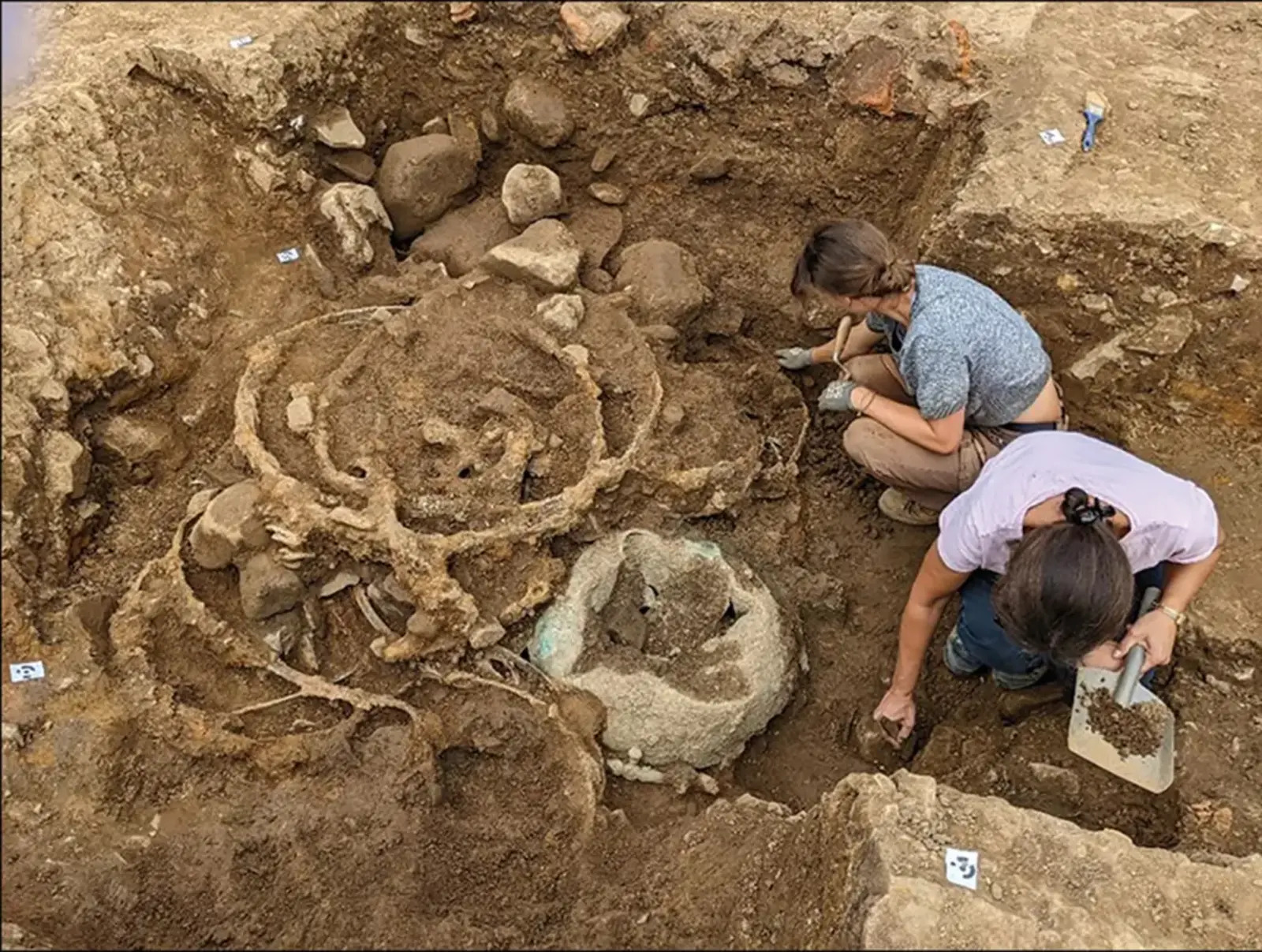
Archaeologists are excavating Iron Age treasure in England and have found, among 950 metal pieces, rare remains of four-wheeled carts that could change what was known about transport and wealth in ancient Britain.
-
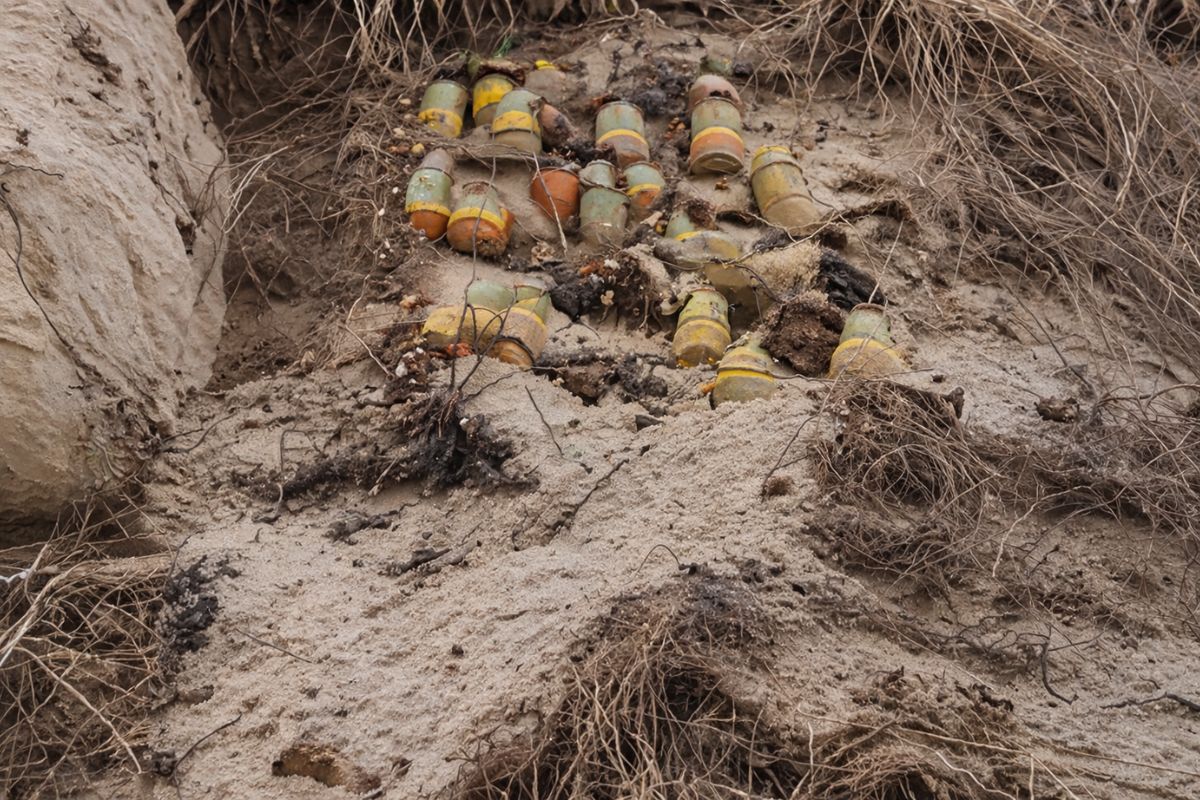
More than 150 World War II phosphorus grenades were found buried in the sand of a beach in northeast England, and one person was burned after touching the artifacts that ignite spontaneously upon contact with air.
-
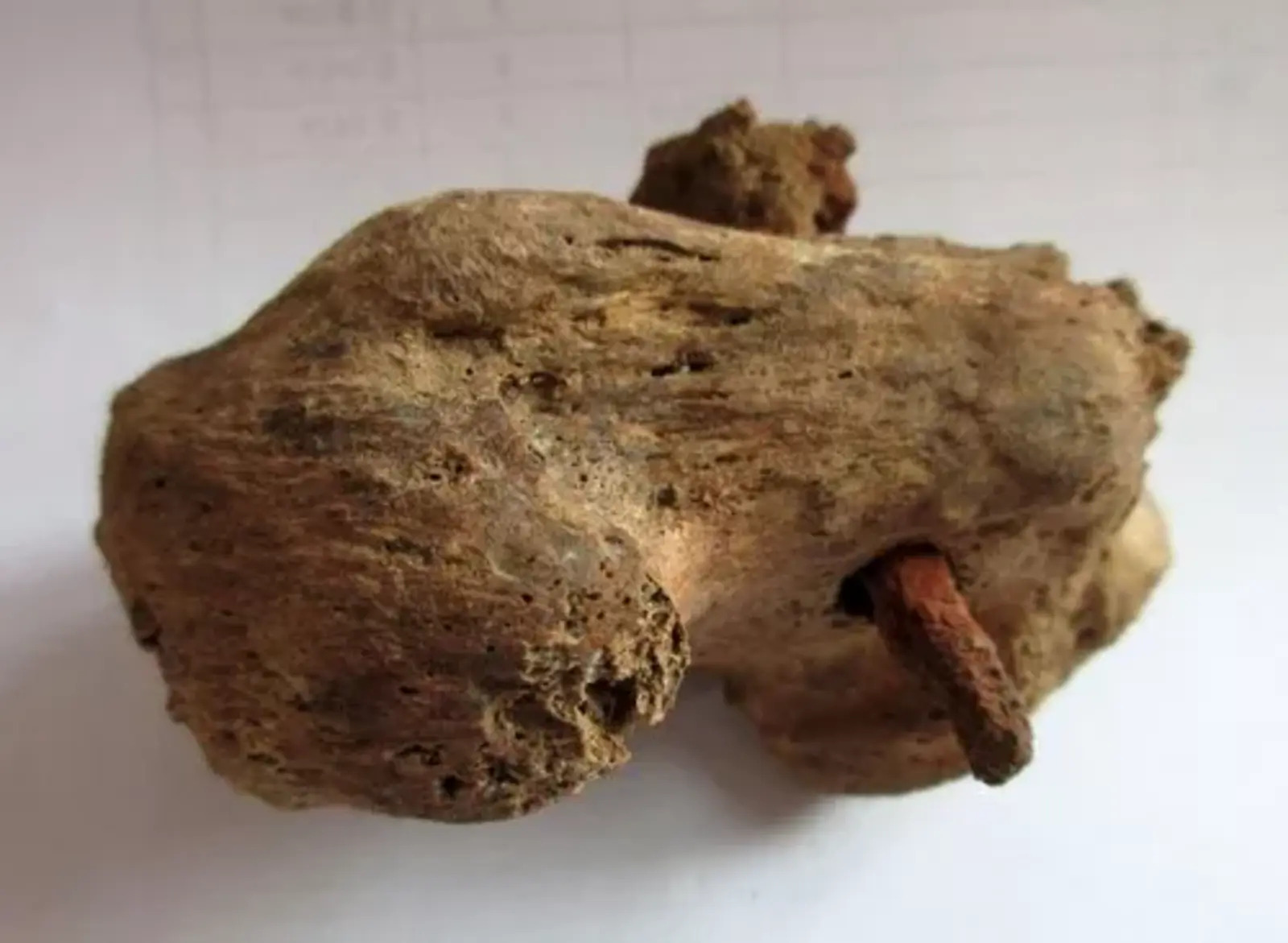
Archaeologists are surprised by a skeleton found with 13 nails, including one through the heel, revealing one of the rarest findings on crucifixion ever seen in the region.
Hunter-Gatherer Genes and Longevity
The study, which analyzed 333 Italian centenarians and 103 genomes of ancestral Europeans, suggests that human longevity may be rooted in genes transmitted by these ancestral groups.
The researchers observed that the greater the presence of hunter-gatherer DNA, the higher the likelihood of a person reaching 100 years.
This increase in longevity was especially notable among women, with the probability of reaching centenarians increasing by 38% for each small increase in ancestral DNA.
Genetic Evolution Facing Adversities
Contrary to what one might expect, the traditional Italian diet is not responsible for this longevity.
The research indicates that genetic factors, not dietary habits, play a crucial role. The study focused on how the genes of hunter-gatherers integrated into the genetic heritage of modern Italians.
These groups faced extreme conditions after the Ice Age, which led to the strengthening of defense mechanisms and energy production in the human body, passing this adaptation on to future generations.
Advances in Paleogenomics
Paleogenomic analysis, which compares ancient DNA with modern genomes, allowed scientists to deepen the study of the relationship between ancestral populations and longevity.
The results confirmed that defensive mechanisms evolved to allow survival during periods of scarcity and extreme difficulty, favoring prolonged life.
These robust genes, legacies from our ancestors, continue to influence the health and longevity of Italians.
The Impact of Adversities on Longevity
Researchers emphasize that, although lifestyle and diet may influence longevity, the main factors come from evolutionary mechanisms that faced adversities in the distant past.
This not only strengthened the body’s resistance but also provided a genetic legacy that enabled longer life in specific populations.
The study shows how the hardships of the past, such as survival after the Ice Age, shaped the genes of European populations, especially in Italy.
This genetic impact helped create a people with a greater capacity to withstand difficulties and consequently live longer. Ultimately, longevity is more deeply rooted in genetic evolution than in dietary or environmental choices.





Tá errado ..
o Japão sempre teve o maior número de centenários .
Sou descendente italiano,dois tios faleceram com noventa e oito anos, minha mãe está com noventa e cinco anos forte que só,eu tenho setenta e oito anos graças a Deus praticando atividade física com muita energia.
Na família da minha mãe italiana formada de 12 filhos todos esses tios ultrapassaram os 90 anos numa boa . Vida rural . Origem de Milão.