





 Portuguese
  English
  Spanish
  6 min of reading
  0 comments


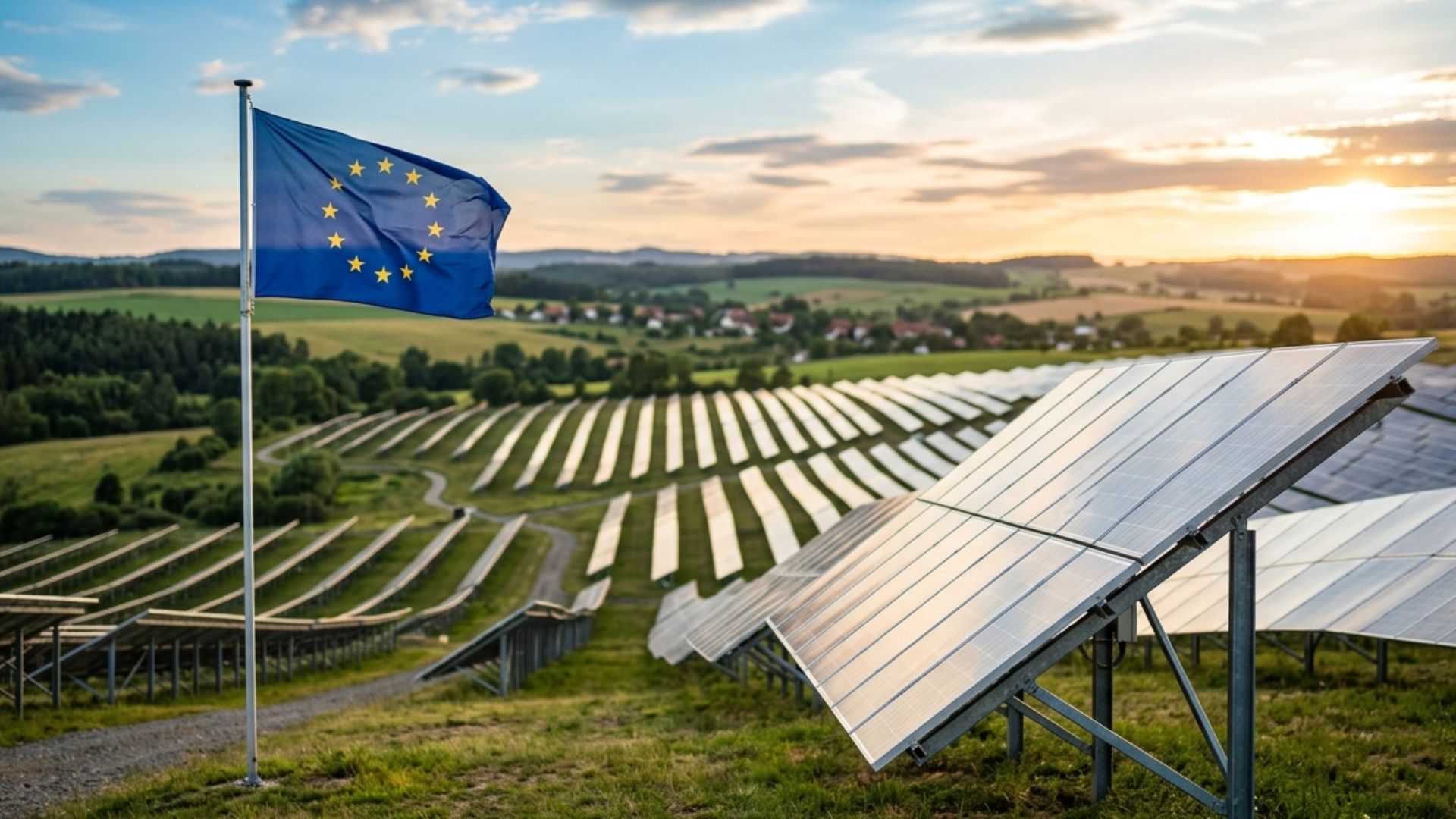
Europe accelerates its energy economy by saving billions of euros with solar energy in March, reducing costs, external dependency, and revealing leaders in the clean transition.
The Europe is going through a decisive moment in its energy economy. In March, solar energy was responsible for savings exceeding 3 billion euros, according to an analysis by SolarPower Europe, republished by Euro News. This result comes amid a historic surge in oil and gas prices, driven by geopolitical tensions in the Middle East.
Right at the beginning of the month, solar generation began saving more than 100 million euros per day. This immediate impact demonstrates how solar energy has ceased to be merely an environmental alternative and has taken on a strategic role in the economy of Europe.
At the same time, the increase in energy costs has reinforced the need for independence from imports. Local production, driven by solar energy, has helped reduce the continent’s exposure to external shocks and global market volatility.
-
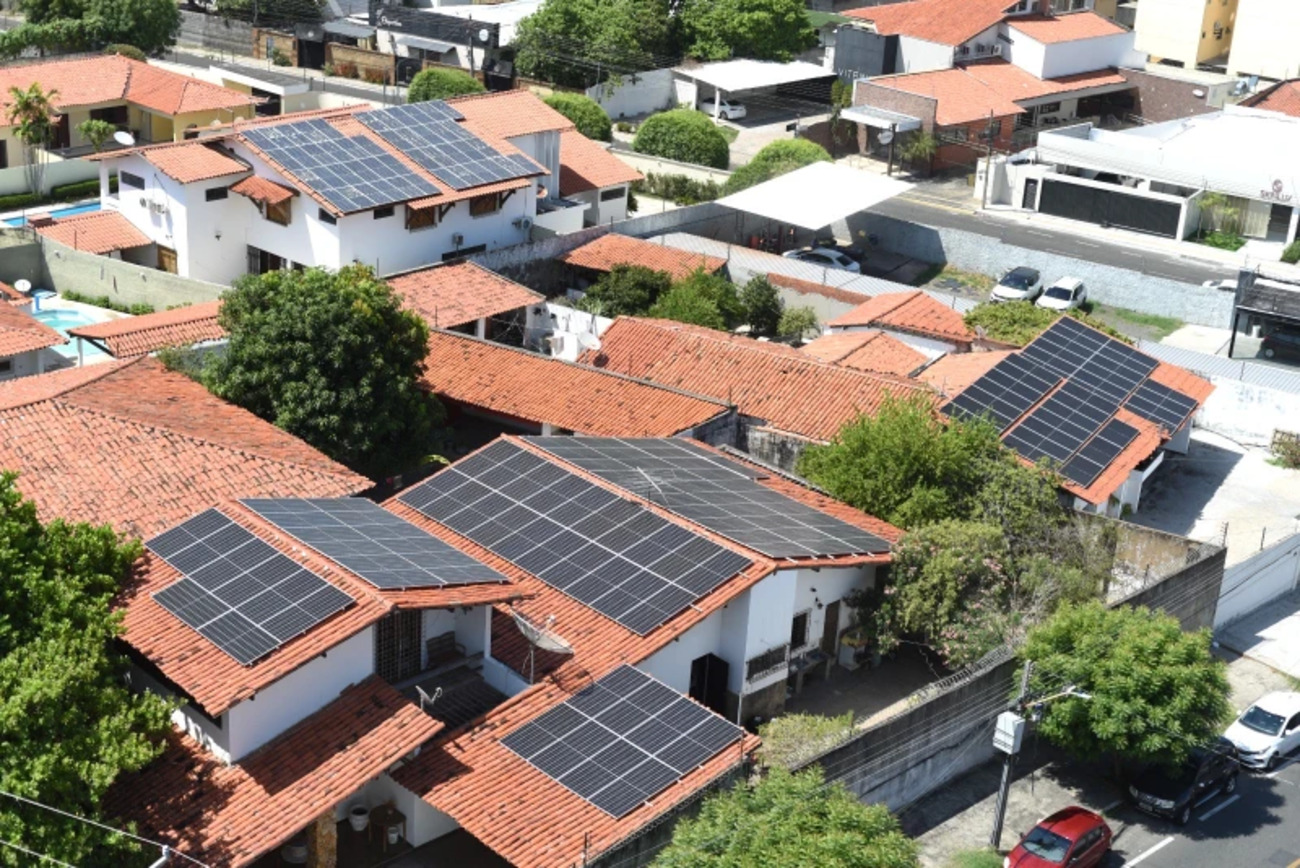
Piauí reaches a historic milestone in energy transition: State records nearly 160,000 households powered by solar energy and leads growth in the Northeast.
-
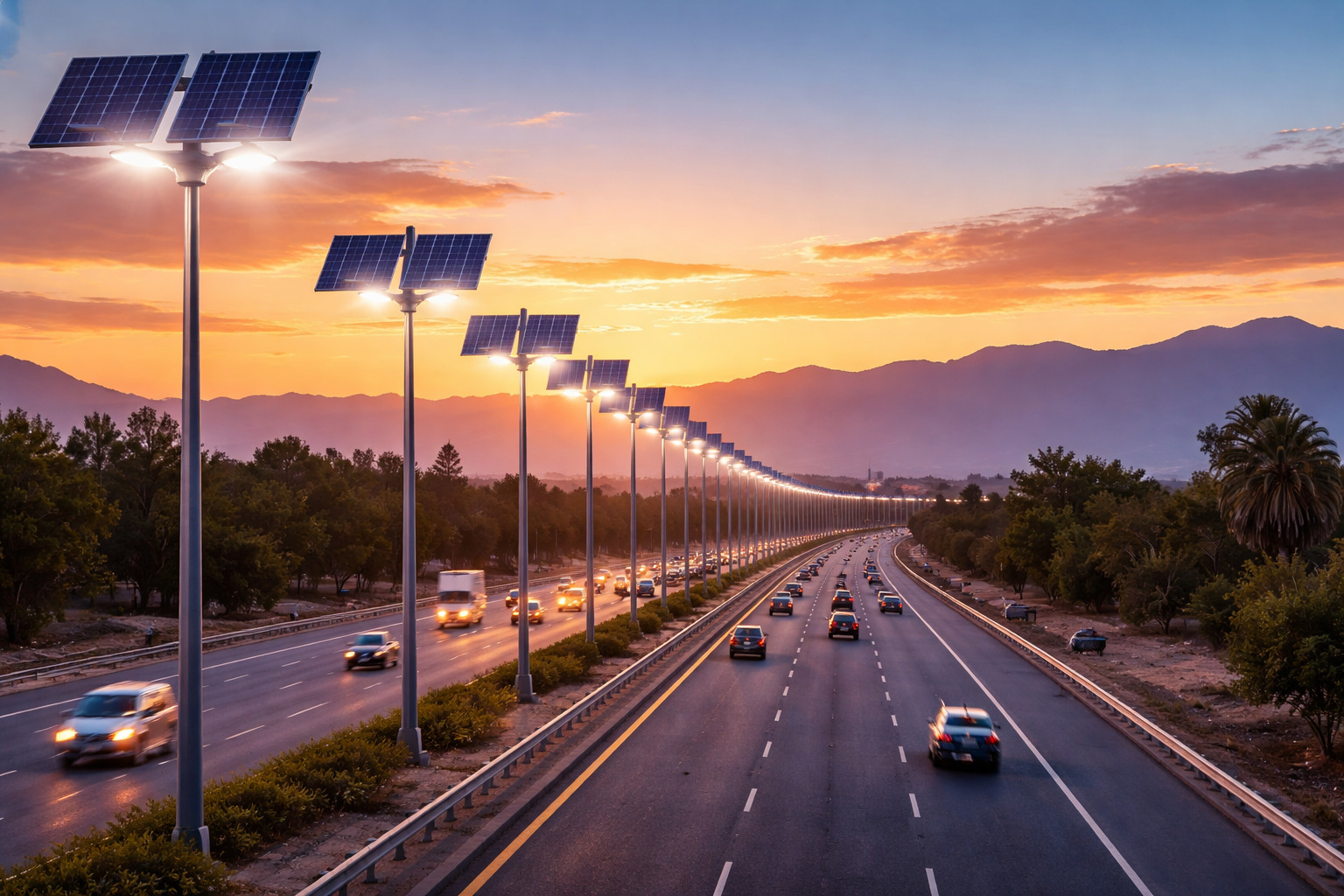
Argentina debuts its first 100% solar-powered highway and transforms an entire road into a showcase of clean energy.
-
Minas Gerais reaches a historic record and surpasses the power of Itaipu, but network costs generate debate: Understand why solar energy in MG impacts the electricity bill of those without panels.
-
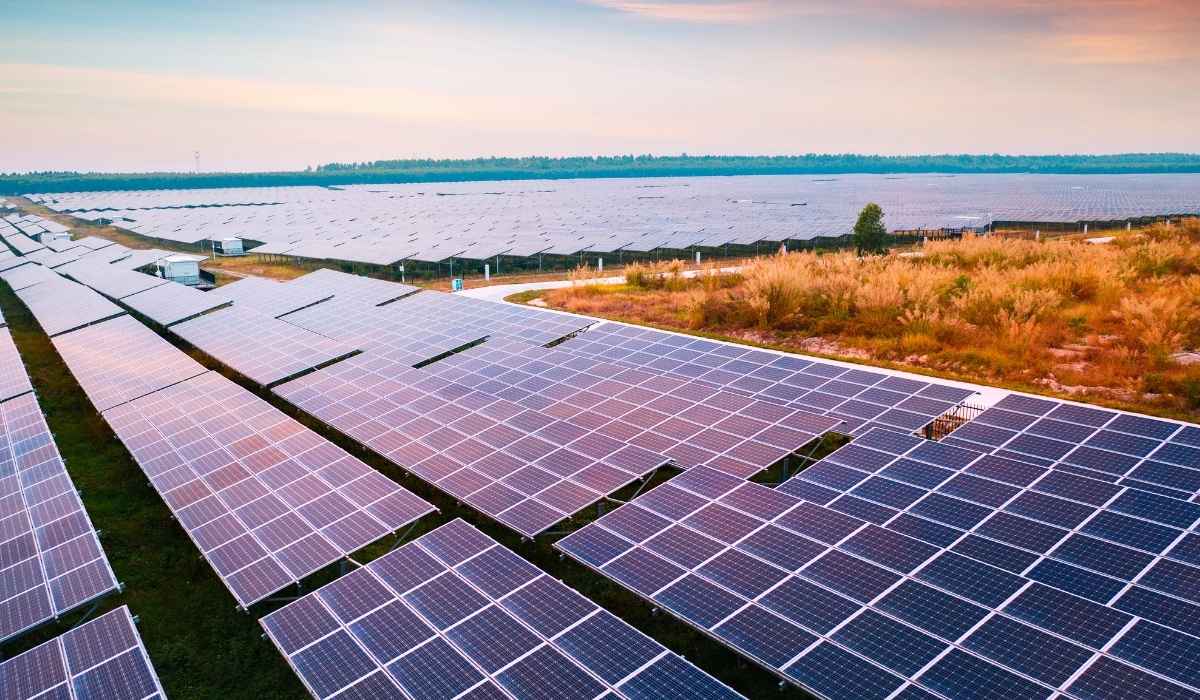
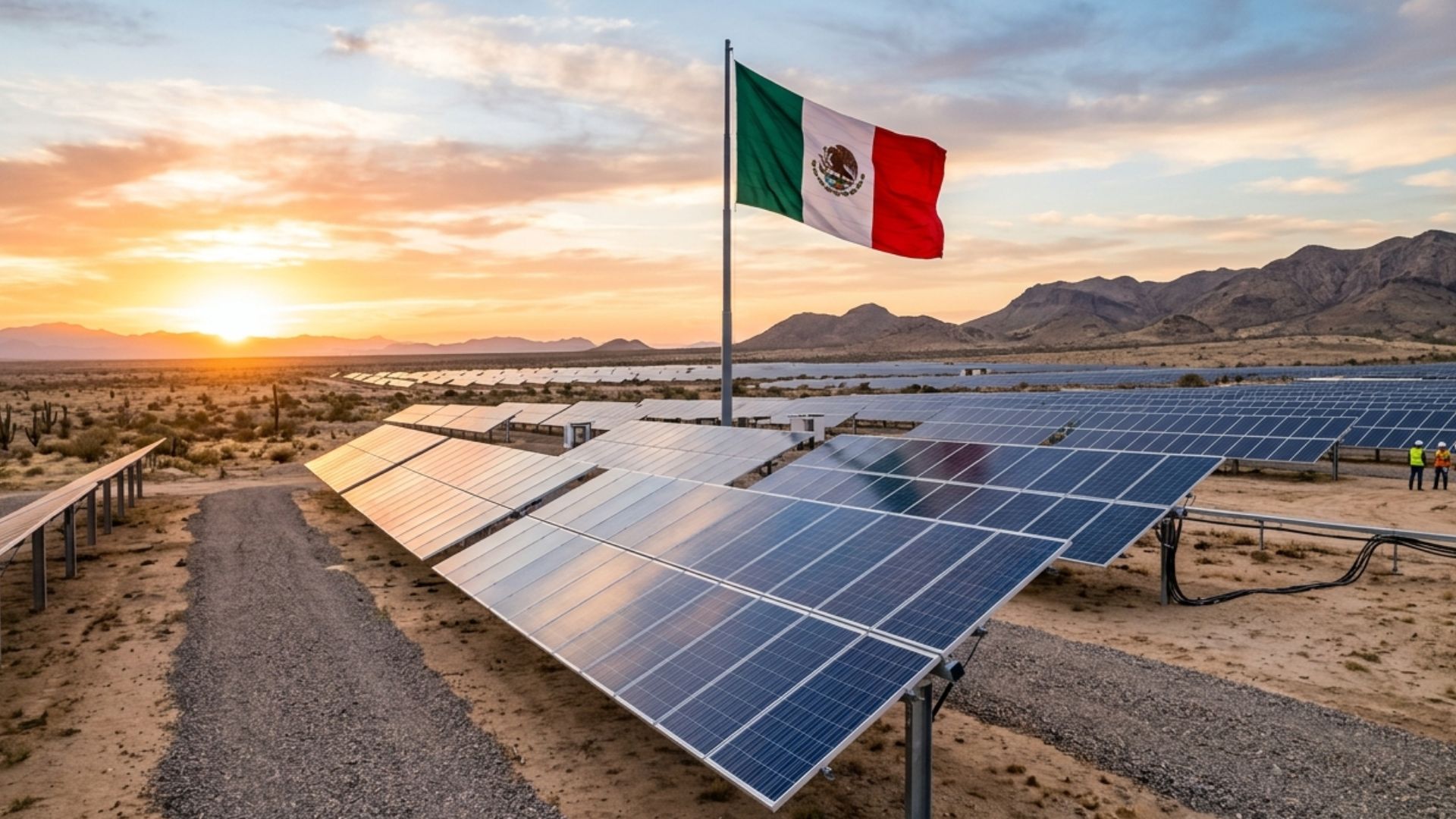
Mexico surprises the world by building the future largest solar plant in Latin America, advancing with planned expansion to over 1 GW, and boosting solar energy in the country.

Solar energy reduces pressure on Europe’s economy amid surge in prices
The European energy landscape has become more complex with the sharp rise in fossil fuel prices. The price of Brent crude oil surpassed 107 euros at the end of March, accumulating a rise of over 50%. Meanwhile, natural gas, measured by the Dutch TTF index, recorded an increase of nearly 70%.
Much of this pressure is associated with the impact in the Strait of Hormuz, through which about one-fifth of the world’s oil exports pass. The effective blockade of the region has further exacerbated the situation.
In this context, solar energy has begun to protect the economy. By reducing the need for imports, it has directly contributed to the stability of the economy of Europe, avoiding additional spending in euros.
How solar energy generated billion-euro savings throughout March
Data shows that solar energy had a concrete and measurable impact. In just the first 20 days of March, solar production allowed savings of around 2 billion euros that would have been allocated to the import of fossil fuels.
This accumulated savings reflects not only the increase in installed capacity but also the efficiency of the European energy system. According to analyses based on Rystad Energy consultancy, renewable generation significantly reduced the total cost of energy supply.
Among the main observed effects, the following stand out:
- Direct reduction in electricity generation costs
- Less dependence on imported gas and oil
- Greater stability in electricity prices
- Financial relief for consumers and businesses
These factors demonstrate how solar energy positively impacts the economy of Europe, especially in times of crisis.

Europe strengthens energy security with advancement of solar energy
Energy security has become a strategic priority for Europe. With high prices and international instability, reliance on fossil fuels has become a significant risk for the economy.
In this scenario, solar energy plays a central role. As a local, abundant, and low operational cost source, it reduces external vulnerability and strengthens energy autonomy.
Moreover, the impact is not limited to the short term. Experts point out that if gas prices remain high, total savings by 2026 could reach 67.5 billion euros.
This potential reinforces the need to accelerate investments and public policies aimed at expanding solar energy across Europe.
The role of solar energy in transforming the European electricity market
The growth of solar energy is profoundly transforming the functioning of the electricity market. Traditionally, the price of electricity was determined by the most expensive sources, usually gas plants.
With the increasing share of solar, this model is beginning to change. Renewable sources, due to their lower operational costs, reduce the frequency with which fossil plants set prices.
This generates a series of positive impacts:
- Decrease in average electricity prices
- Reduction of volatility in the energy market
- Greater predictability for consumers and industries
This new scenario shows how the energy economy of Europe is evolving, with solar energy at the center of this transformation.

Countries leading the energy transition and redefining the European economy
Leadership in the energy transition is not concentrated in a single country, but some stand out. Austria leads with about 90% of electricity coming from renewable sources, driven by hydropower.
Following closely are Sweden, with 88%, and Denmark, with 80%. Other countries also show relevant advances, such as Portugal, with 65.8%, and Spain, with 69.7%.
Spain, in particular, has heavily invested in solar and wind energy. Since 2019, the country has added over 40 GW to its installed capacity. According to the think tank Ember, this growth has reduced the influence of fossil plants on electricity prices by 75%.
These examples show how consistent policies can strengthen the economy and accelerate the energy transition in Europe.
Solar and wind energy surpass fossil fuels and mark a new chapter in Europe
One of the most important milestones recently occurred: for the first time, wind and solar energy generated more electricity in the European Union than fossil fuels.
According to data from Ember, renewable sources reached about 30% of electricity generation, surpassing fossil fuels by a small but symbolic margin.
This advancement represents a structural change in the economy of Europe. It indicates that the energy transition is no longer a future trend but a consolidated reality.
Moreover, recent events reinforce this change. In the United Kingdom, even though it is not part of the EU, wind energy reached a record of 23,880 megawatts in a single day, enough to power about 23 million homes.
Challenges that may limit the growth of solar energy in Europe
Despite the advancements, the expansion of solar energy faces challenges. For the first time in a decade, the European solar market shows signs of slowing down.
Among the main obstacles are:
- Lack of adequate infrastructure in the electrical grids
- Need for greater storage capacity
- Regulatory barriers in some countries
- Disinformation about renewable technologies
Experts argue that Europe needs to act quickly to prevent these challenges from compromising the economy and energy progress.
The director of SolarPower Europe, Walburga Hemetsberger, emphasizes that this is the time to learn from previous crises and accelerate strategic investments.
What is at stake for the European economy in the coming years
The advancement of solar energy represents much more than a technological change. It redefines how Europe structures its economy and deals with global crises.
In addition to solar energy, other technologies also contribute to this transformation. Heat pumps, for example, have already saved about 20 billion euros in 2025 and are expected to generate another 5.3 billion between January and April of this year.
These numbers show that the energy transition is a broad and interconnected process, with direct impacts on competitiveness and economic sustainability.
A cheaper, resilient, and sustainable energy future in Europe
Solar energy has established itself as one of the main tools to strengthen the economy of Europe. By generating billion-euro savings, it demonstrates that sustainability and economic efficiency can go hand in hand.
The current scenario makes it clear that investing in clean energy is not just an environmental issue but a strategic decision. Europe is already reaping the benefits of this choice, with reduced costs, greater energy security, and less external dependency.
The future points to a continuous expansion of renewables. And as solar energy gains ground, the continent moves closer to a more stable, accessible energy model, prepared to face new global challenges.







Seja o primeiro a reagir!