





 Portuguese
  English
  Spanish
  3 min of reading
  0 comments


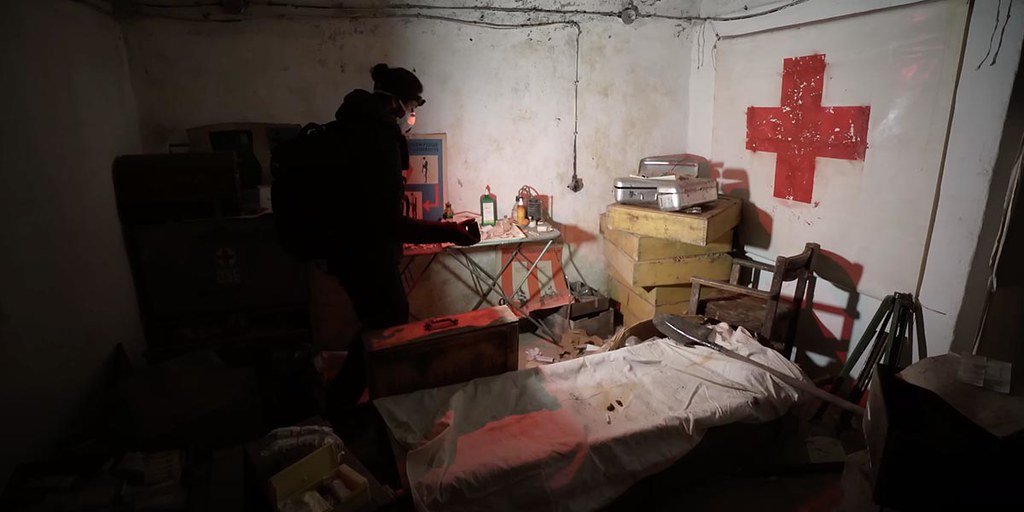
Explorer Discovers An Abandoned Cold War Bunker, Still Intact And Full Of Medical Supplies, Revealing A Fascinating Insight Into The Health And Survival Preparations Of That Era Of Global Tensions.
During the Cold War, the global tension between the capitalist and communist blocks led many countries to take measures to protect themselves from nuclear, chemical, and biological threats. One of these precautions was the construction of underground shelters to protect the population in case of attacks.
Hungary, a country that lived under the communist dictatorship imposed by Stalin after World War II, was one of the places where these constructions became part of the mandatory infrastructure.
Starting in 1950, under the BGS (Bomba-Gáz-Szilánk, which means “Bomb, Gas, and Shrapnel”), the construction of shelters in all building basements was mandated as a way to protect the population against bomb attacks, chemical weapons, and shrapnel.
-
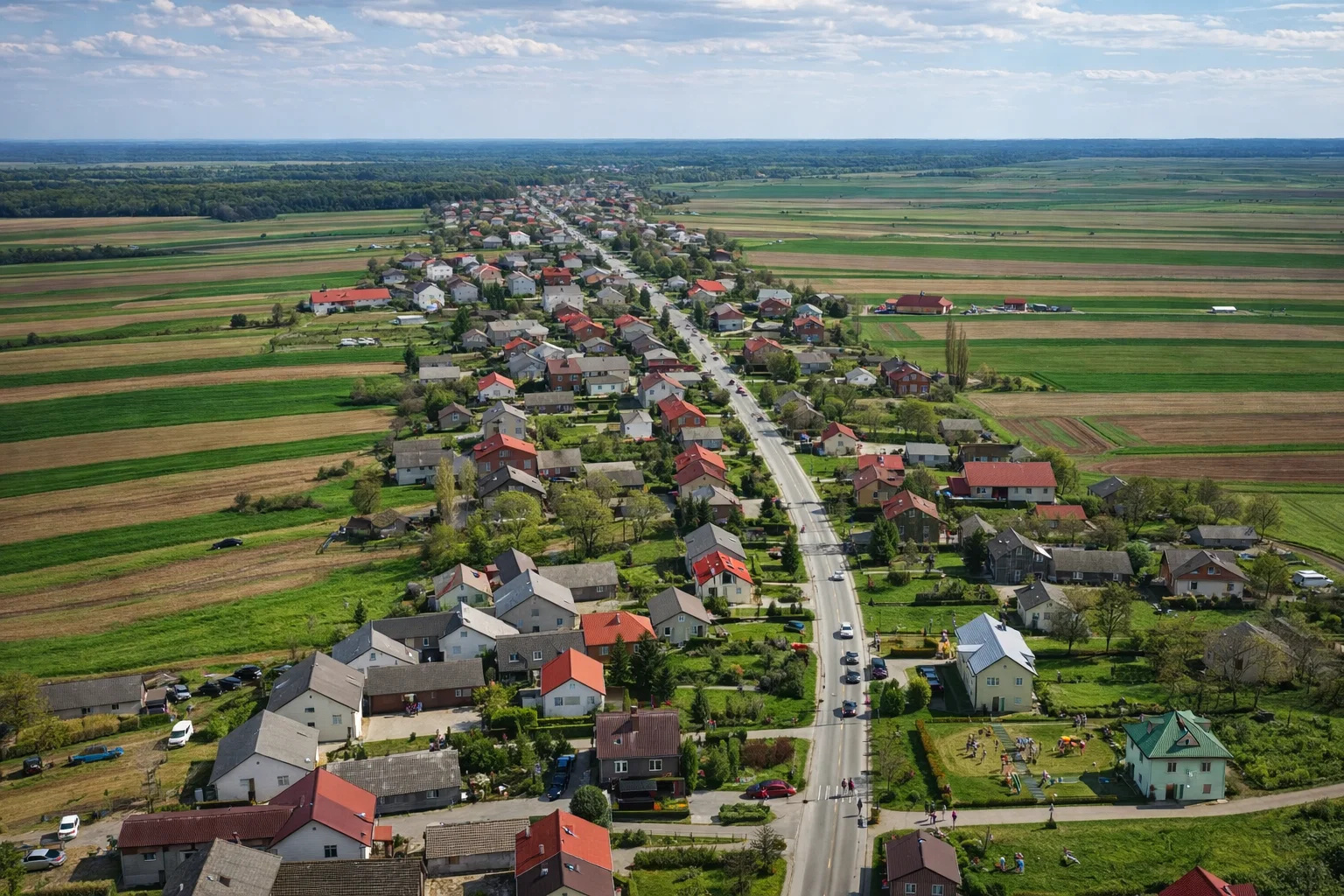
With around 6,000 residents on a single 9 km street, a village in Poland maintains a strong sense of community, cultivates strawberries and potatoes, and becomes the target of a false image created by artificial intelligence.
-
Sleeping at different times each day can be a bomb for your heart and even double your risk of having a heart attack.

-
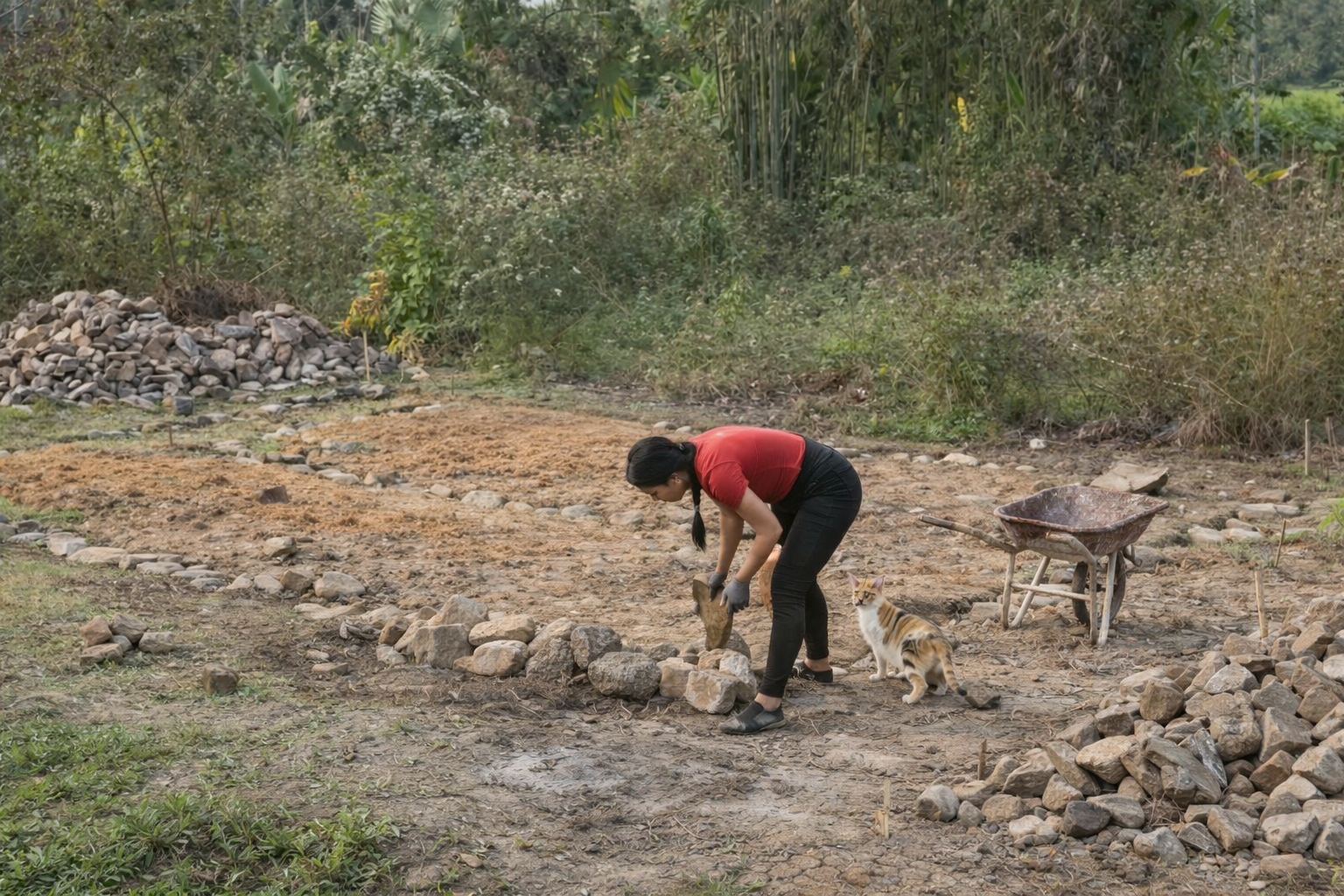
Without help and without heavy machinery, a woman builds a house from scratch with stone, wood, and cement, erects a chimney, creates a complete leisure area, and transforms an empty lot into her dream home.
-
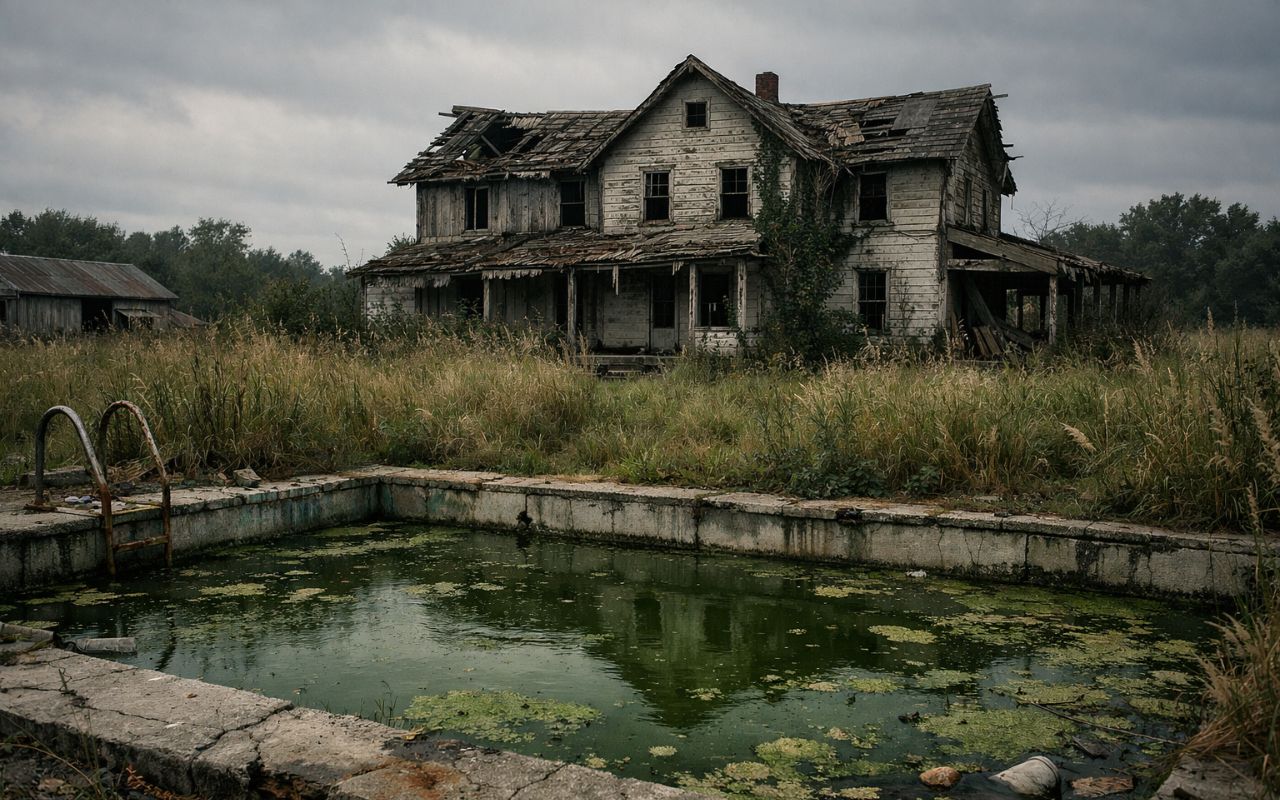
Couple transforms abandoned house after years of being closed; residence was overgrown with weeds, had a green pool, and a deteriorated structure in the interior of Rio de Janeiro.

These shelters were not just a safe space against physical attacks, but also contained equipment for decontamination and medical treatment in case of exposure to toxic substances.
A notable example of this type of shelter is the Szikla Kórház (Stone Hospital), a secret medical facility located beneath the Buda Castle district in Budapest. Currently, this facility has been transformed into a museum, preserving the history and horrors that could have occurred.
Great Discovery From A YouTube Channel
Recently, a YouTube channel called Aghorn & Louis, dedicated to urban exploration, uncovered another bunker in Hungary. This shelter, which appears to have been built in the 1960s in Budapest, was full of medical supplies, indicating that it was used until relatively recently, possibly within the last two decades.
The images captured by the explorers show a large quantity of medical equipment, which despite being abandoned, is still in good condition, although the environment is deteriorated.
One of the most shocking details they noted was the intense and unpleasant smell, likely due to the presence of chemical products stored on-site.
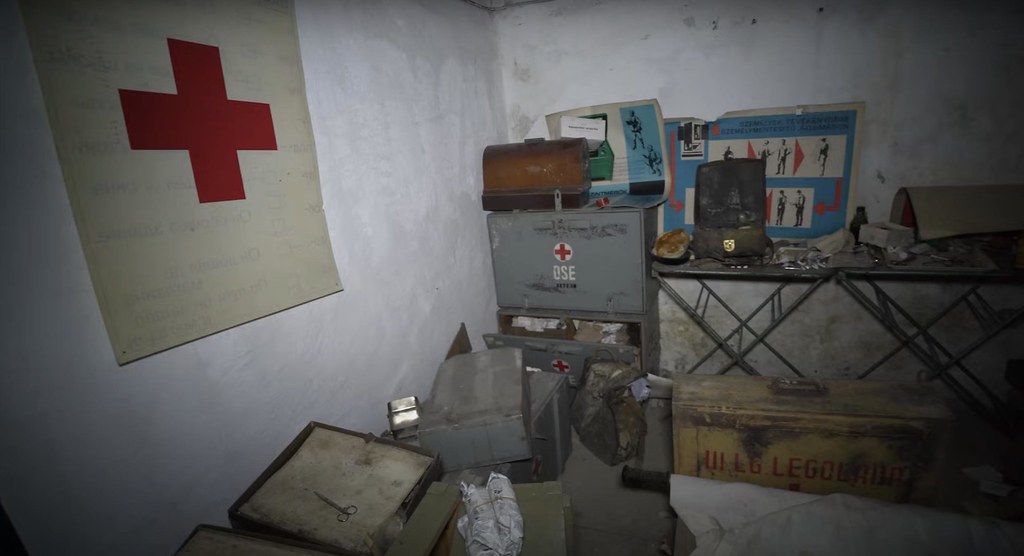
Among the items found were vials for treating people contaminated by neurotoxic gases, deadly substances designed to directly affect the nervous system and cause total collapse.
This type of equipment is a grim reminder of the threats that were feared during the height of the Cold War.
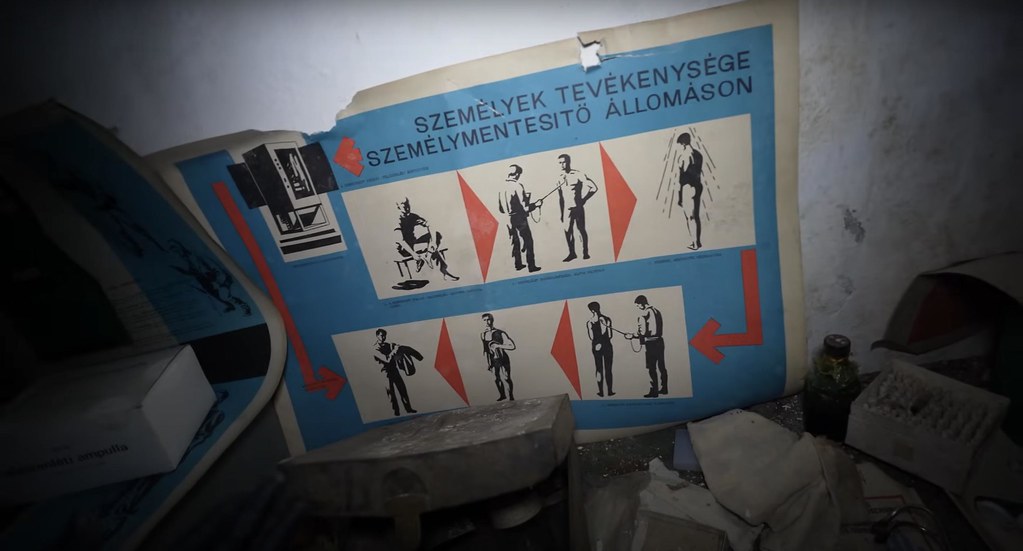
Additionally, inside the bunker, there was a plaque with instructions in Hungarian about decontamination procedures, suggesting that the location was primarily intended to treat people exposed to radiation or toxic gases.
Despite the state of abandonment, it is impressive how much material has remained intact over the years. It would be ideal for all this collection to be preserved in a museum, like the Szikla Kórház, so that this important part of Hungary’s history and the Cold War could be properly documented and shared with future generations.
This find makes us reflect on the time when the fear of imminent destruction shaped the society and architecture of the involved countries. These bunkers, now abandoned, are silent reminders of an era when the worst-case scenario was always lurking.









-

Uma pessoa reagiu a isso.