





 Portuguese
  English
  Spanish
  3 min of reading
  0 comments


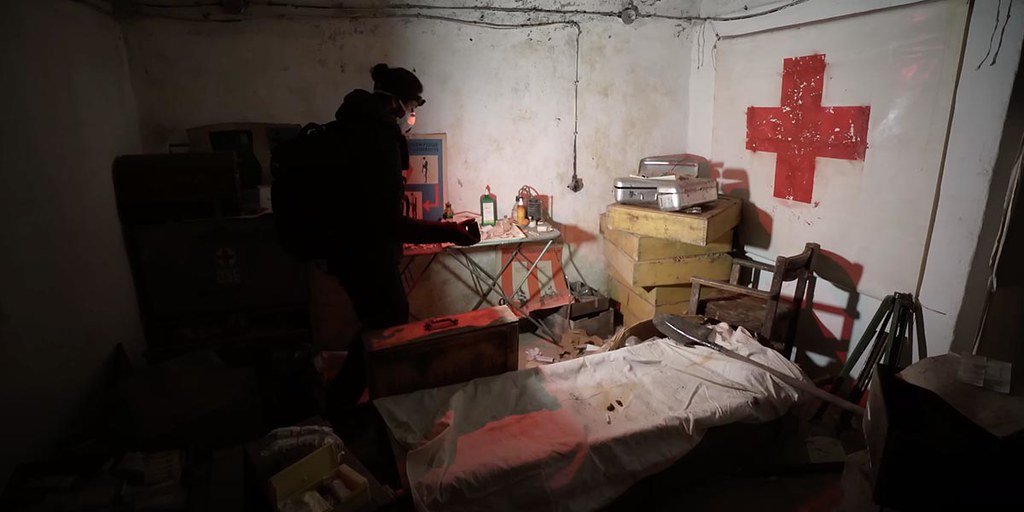
Explorer Discovers An Abandoned Cold War Bunker, Still Intact And Full Of Medical Supplies, Revealing A Fascinating Insight Into The Health And Survival Preparations Of That Era Of Global Tensions.
During the Cold War, the global tension between the capitalist and communist blocks led many countries to take measures to protect themselves from nuclear, chemical, and biological threats. One of these precautions was the construction of underground shelters to protect the population in case of attacks.
Hungary, a country that lived under the communist dictatorship imposed by Stalin after World War II, was one of the places where these constructions became part of the mandatory infrastructure.
Starting in 1950, under the BGS (Bomba-Gáz-Szilánk, which means “Bomb, Gas, and Shrapnel”), the construction of shelters in all building basements was mandated as a way to protect the population against bomb attacks, chemical weapons, and shrapnel.
-
What many people consider a weed has become a bicycle in the hands of a Chilean. José Tomás transforms coligüe, a native bamboo that grows up to five times faster than pine, into bikes, canes, and cutlery.

-
Reports about the possible arrest of Diogo Defante in the USA during the 2026 World Cup are making waves on social media and raising questions about what really happened.
-
The 71-year-old Korean pastor who built a box in the wall to save abandoned babies and has already taken in more than 2,000 children without asking for the name of any mother.
-
Mother of four faces financial difficulties in São Paulo, swaps jobs outside the home for sweet and savory pies, and turns the kitchen into a source of income to support the family while studying nursing to change her children’s future.




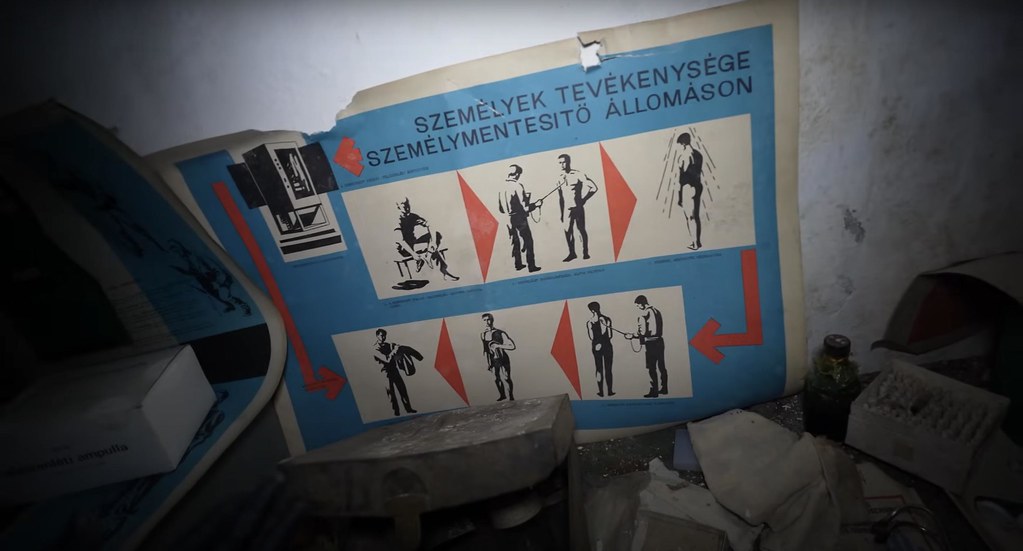
These shelters were not just a safe space against physical attacks, but also contained equipment for decontamination and medical treatment in case of exposure to toxic substances.
A notable example of this type of shelter is the Szikla Kórház (Stone Hospital), a secret medical facility located beneath the Buda Castle district in Budapest. Currently, this facility has been transformed into a museum, preserving the history and horrors that could have occurred.
Great Discovery From A YouTube Channel
Recently, a YouTube channel called Aghorn & Louis, dedicated to urban exploration, uncovered another bunker in Hungary. This shelter, which appears to have been built in the 1960s in Budapest, was full of medical supplies, indicating that it was used until relatively recently, possibly within the last two decades.
The images captured by the explorers show a large quantity of medical equipment, which despite being abandoned, is still in good condition, although the environment is deteriorated.
One of the most shocking details they noted was the intense and unpleasant smell, likely due to the presence of chemical products stored on-site.
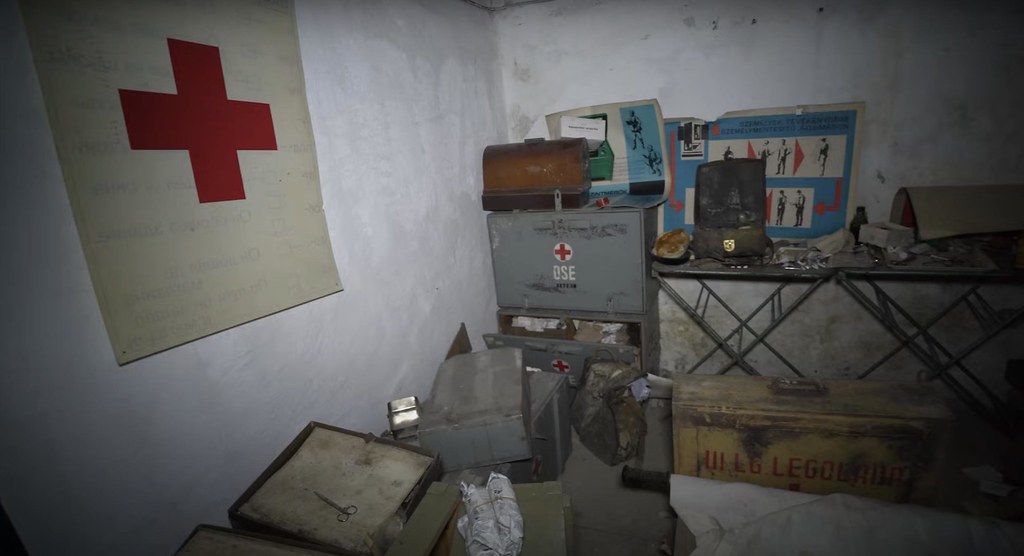
Among the items found were vials for treating people contaminated by neurotoxic gases, deadly substances designed to directly affect the nervous system and cause total collapse.
This type of equipment is a grim reminder of the threats that were feared during the height of the Cold War.
Additionally, inside the bunker, there was a plaque with instructions in Hungarian about decontamination procedures, suggesting that the location was primarily intended to treat people exposed to radiation or toxic gases.
Despite the state of abandonment, it is impressive how much material has remained intact over the years. It would be ideal for all this collection to be preserved in a museum, like the Szikla Kórház, so that this important part of Hungary’s history and the Cold War could be properly documented and shared with future generations.
This find makes us reflect on the time when the fear of imminent destruction shaped the society and architecture of the involved countries. These bunkers, now abandoned, are silent reminders of an era when the worst-case scenario was always lurking.







-

1 person reacted to this.