Portuguese
  Spanish


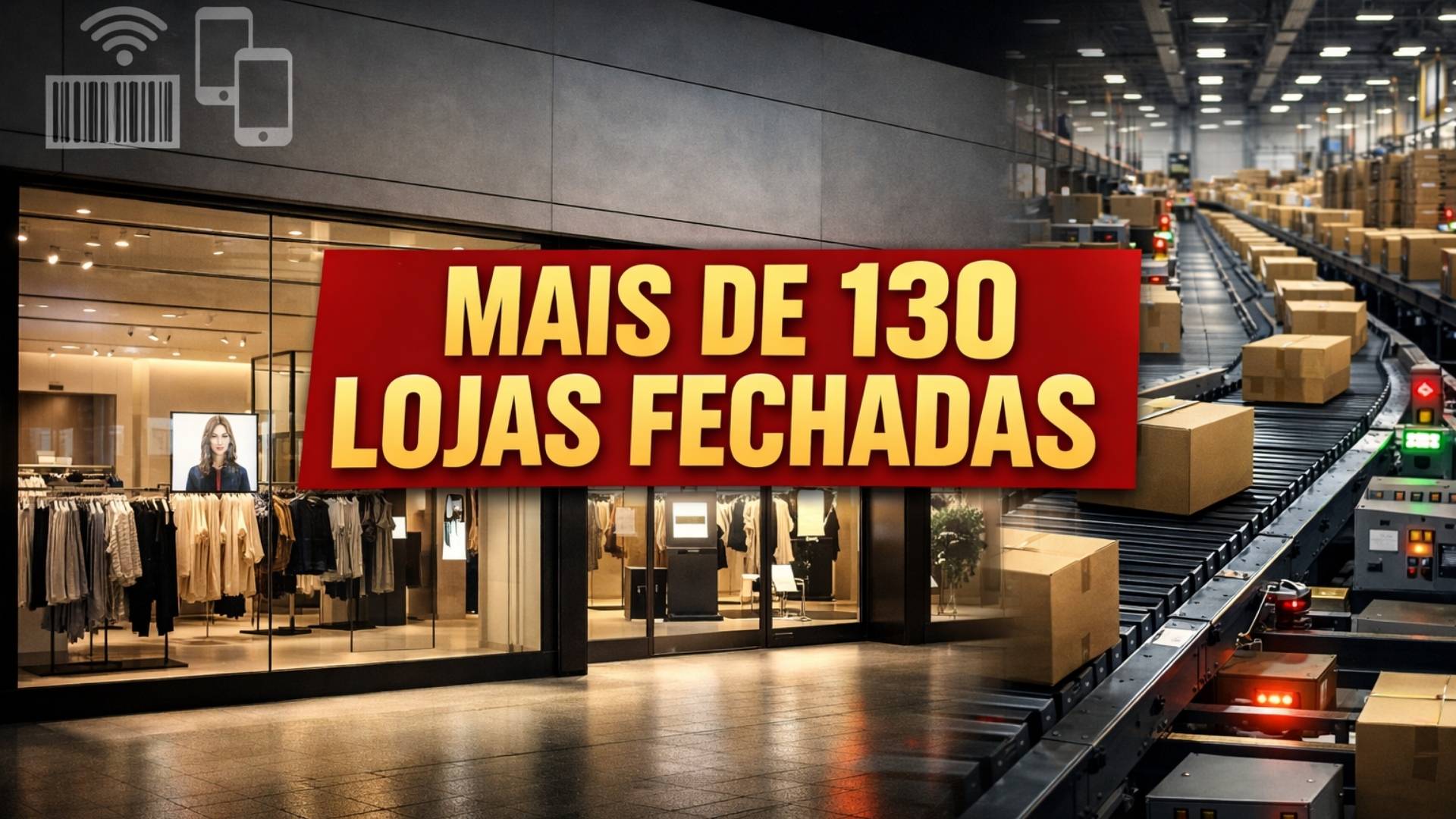


Global Reorganization of Inditex Reduces Number of Physical Stores, Expands Investment in Larger Units and Strengthens Integration with Digital Channels and Logistics, Amid the Transformation of Fashion Retail and the Expansion of E-Commerce in Various Markets.
Inditex, the Spanish group that controls brands such as Zara, Pull&Bear, and Oysho, has been reducing its network of physical stores while also concentrating investments in larger units and digital channels.
The strategy is reflected in the most recent financial reports and occurs amid structural changes in fashion retail, marked by the expansion of e-commerce and the logistical reorganization of large networks.
In the balance sheet for the first quarter of the fiscal year 2025, the company reported operating 5,562 stores at the end of the period, a number lower than the previous year, when it had 5,698 points of sale.
-
As Brazil Expands Social Welfare, Survey Reveals 40% Blame Poverty on Laziness, While 58% Cite Lack of Opportunities

-
China Tightens Control on Antimony, Driving Prices from $22,000 to Nearly $40,000 per Ton as U.S. Rushes to Bolster Strategic Reserves

-
BlackRock Freezes $1 Billion in Brazilian Renewable Energy, Impacting 1.5 GW of Planned Projects and Highlighting Investor Concerns Over Infrastructure Bottlenecks Cutting Up to 25% of Solar and Wind Generation
-
Labor Shortage: Despite Record Average Salary, 90% of Brazilian Bar and Restaurant Owners Struggle to Hire Key Roles Like Sushi Chefs and Head Cooks


During the same period, the company reported sales of € 8.3 billion, with a 1.5% increase compared to the first quarter of the previous fiscal year.
Store Reduction and Review of the Physical Model
The decrease in the total number of stores is part of a process that the company itself describes as network optimization.
In corporate communications, Inditex states that it prioritizes larger spaces located in strategically considered areas, with greater integration to digital channels.
This guideline was already mentioned in the 2024 annual report, when the group ended the fiscal year with 5,563 stores in operation.
In the same document, the company highlighted the growth of online sales, which reached € 10.2 billion for the year-to-date, reinforcing the weight of e-commerce in the group’s performance.
According to data released by the company, the goal is not to eliminate physical presence, but to reorganize it.
The strategy envisions fewer addresses but with larger areas, more services, and expanded functions that go beyond direct sales to consumers.
Adjustments by Brand and Consolidation of the Global Network
The analysis by brand helps to size the restructuring without resorting to estimates by country.
Between April 30, 2024, and April 30, 2025, the number of Zara stores decreased from 1,806 to 1,754.
During the same period, Zara Home reduced its network from 409 to 388 units, while Oysho went from 429 to 395 stores.
In total, the difference of 136 points of sale in the year-on-year comparison reflects the consolidation movement described by the company.
Nonetheless, Inditex reported having opened stores in 26 markets during the quarter.
The data indicates that the process combines closures, format changes, and selective openings, according to the assessment of each region.
Superstores and Technology at the Point of Sale
In its most recent institutional materials, Inditex has presented examples of restructured or newly opened stores focusing on larger physical areas and the incorporation of technological resources.
In 2024, when announcing a new store concept in Lisbon, the company described a model based on spacious areas, with a renewed layout and integration with digital tools.
The incorporation of technology at the point of sale is not new.
Since 2018, the group has been disclosing tests and implementations of solutions such as RFID tags and interactive mirrors, aimed at identifying items and connecting consumers to stock information and available combinations.
According to the company, these tools seek to integrate the in-store experience with the digital environment.
In presentations about the concept of so-called anchor stores, Zara also mentions features that allow customers to check product availability, shop online, and choose in-store pickup.
Integration Between Physical Stores and E-Commerce
The connection between stores and e-commerce appears as a central axis of the reorganization.
Inditex states that it operates with integrated inventories, applications, and systems that allow consumers to start shopping on one channel and finalize it on another.
In the report for the first quarter of 2025, the company assessed that the execution of the business model remained consistent, even in a scenario of more moderate consumption growth in some markets.
The company also highlighted the positive reception of the spring and summer collections during that period.
Within this framework, stores are beginning to perform additional functions, such as pickup, exchange, and return points for orders placed online.
According to the company, this integration seeks to reduce timelines and enhance convenience for consumers.
Logistics as the Foundation for Reorganization
The review of the store model occurs alongside investments in logistical infrastructure.
In Spain, the distribution center in Malpica, Zaragoza, has been cited by local outlets as part of the reinforcement of the group’s operational capacity.
In July, the Cadena SER radio reported that Inditex announced the start of operations at the complex after a testing phase, with around 250 workers in the initial stage.
The report also mentioned investment estimates that could reach € 600 million when the center is fully operational, along with the projection of up to 1,500 direct jobs.
According to information released by the company and local authorities, the expansion of logistical capacity aims to reduce supply timelines and support both physical stores and e-commerce in different markets.
Impact on Consumer Shopping Experience
By combining a more concentrated physical network, investments in technology, and integrated logistics, Inditex structures a model in which consumers can transition seamlessly between store and digital environment.
Retail sector experts point out that this type of integration has become standard among large global chains, given the change in purchasing behavior.
However, the consolidation of this format depends on standardization of processes, reliability of inventories, and efficient operation of services such as pickup and returns in different countries and brands within the group.
With fewer stores and greater concentration in large units, how will this reorganization influence the consumer’s relationship with the group’s brands in the coming years?