





 Portuguese
  English
  Spanish
  3 min of reading
  0 comments


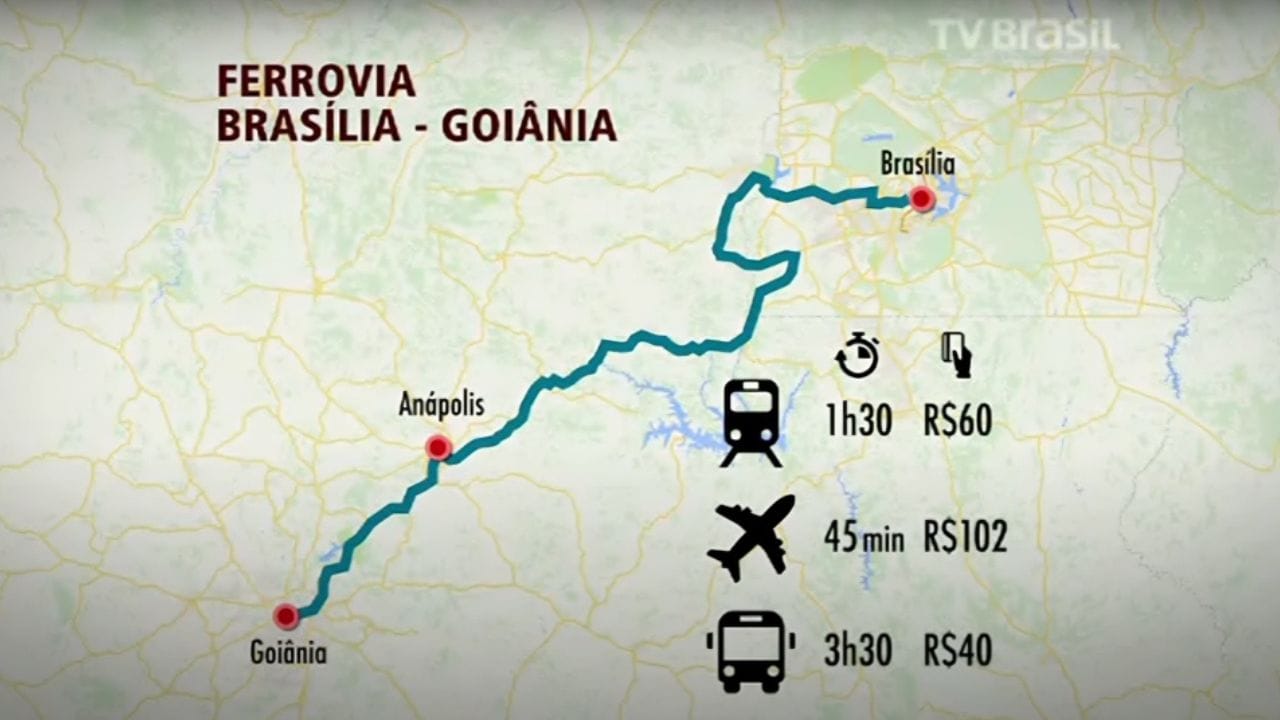
The Ambitious High-Speed Train Project, With an Estimated Investment of 14 Billion Reais, Aims to Connect Brasília and Goiânia, Promising a Significant Transformation in the Region’s Mobility and Infrastructure.
The Federal Government of Brazil has revealed ambitious plans for the installation of a high-speed train connecting the cities of Brasília and Goiânia, as reported by Veja magazine. The project’s estimated cost is approximately 14 billion reais and represents a significant milestone in the development of the country’s transportation infrastructure, promising to revolutionize mobility between these two important regions.
The current President of Brazil, during a meeting at the Palácio do Planalto with Senator Jorge Cajuru and Senator Leila Barros, expressed the desire to start the construction of the bullet train, marking the government’s initiative towards modernizing national transportation systems. The project will be executed in three distinct phases, culminating in the final phase with the implementation of the high-speed train, popularly known as the “bullet train.”
Construction of a Light Rail Vehicle (VLT) System


The first phase of the project involves the construction of a Light Rail Vehicle (VLT) system or Bus Rapid Transit (BRT), connecting Luziânia to Santa Maria in the state of Goiás, and even to the Santa Maria region in the Federal District. This initial phase aims to provide an efficient and rapid transportation solution, paving the way for the subsequent phases of the project.
-
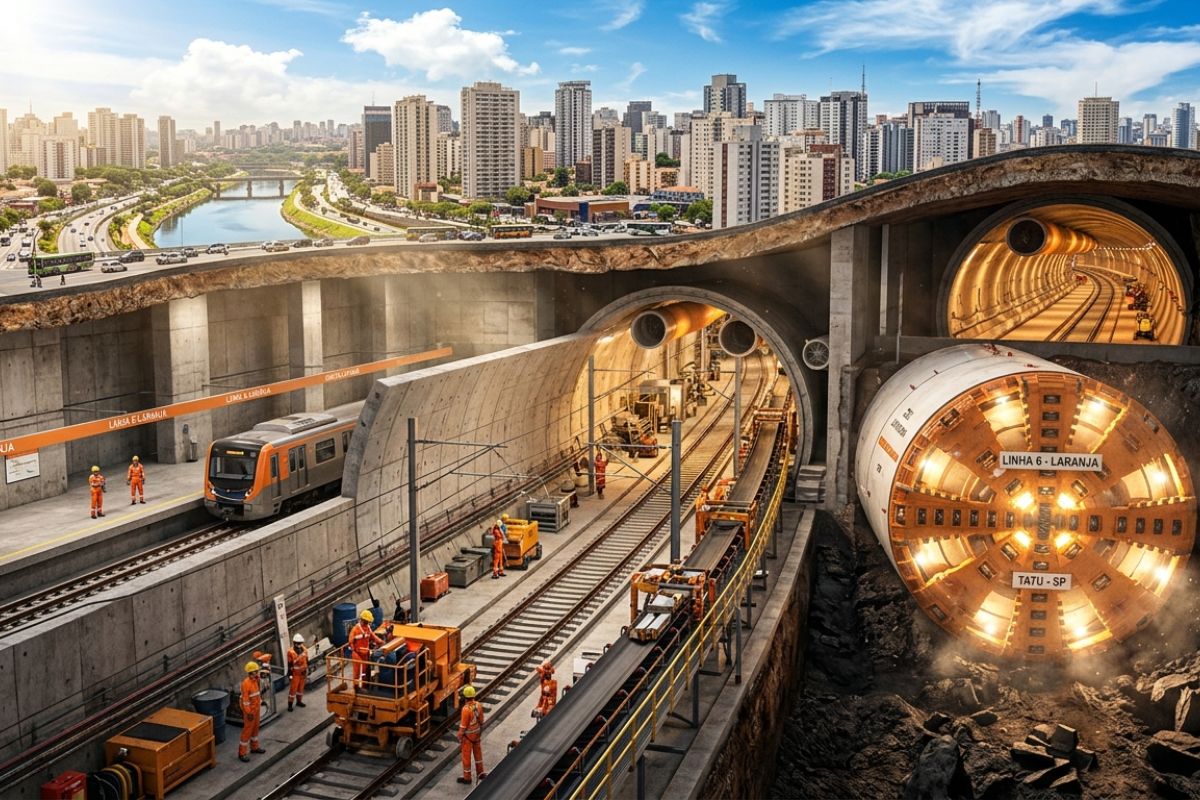
Under São Paulo, Line 6-Orange reaches 15.3 km and 15 stations, promising 23 minutes from Brasilândia to the Center and 633,000 passengers per day; with autonomous trains, it will open a partial section in October 2026.
-
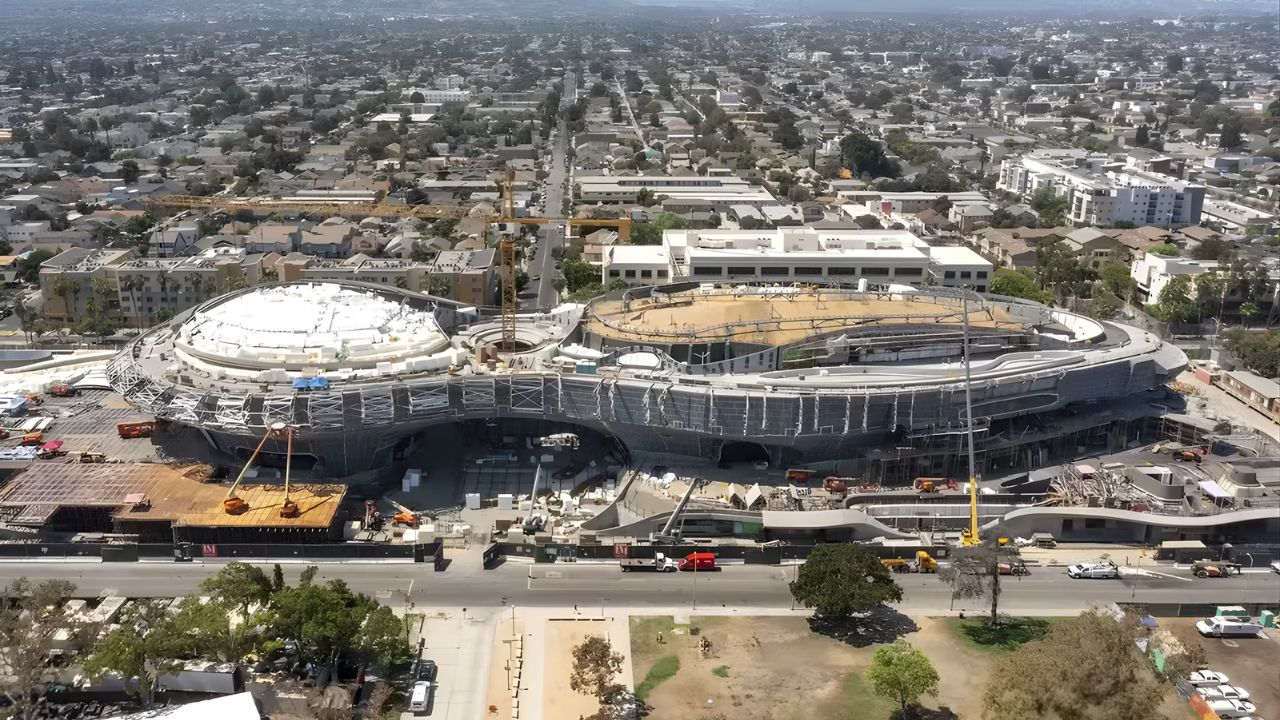
Created by George Lucas with over $1 billion, a futuristic museum in the shape of a spaceship with 1,500 curved panels is about to open in Los Angeles and will house one of the largest private collections of narrative art in the world.
-
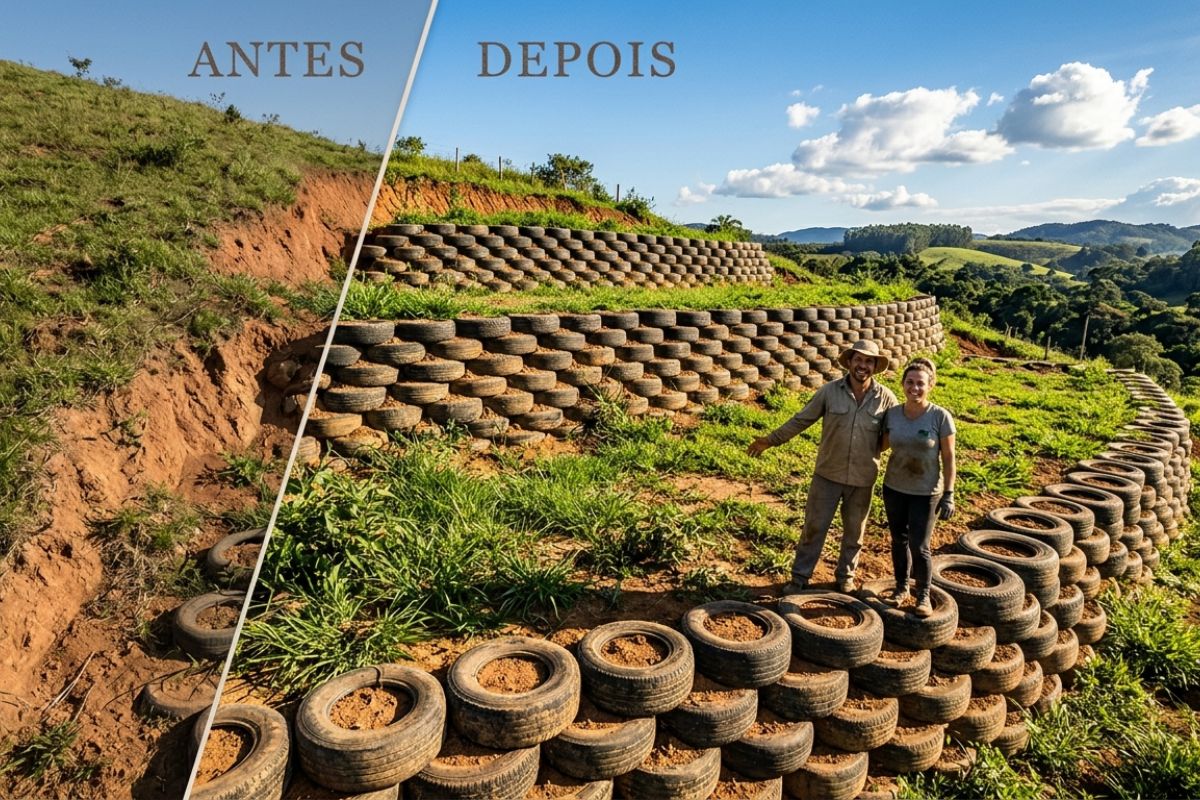
Couple shows how they built a retaining wall on their property using 400 old tires: sloped land turned into plateaus, tires are aligned, filled, and compacted with layers of soil, with grass helping in support and at almost zero cost.
-
Engineer explains drainage during the rainy season: the difference between surface water and deep water, ditches, gutters, and water outlets on the road, as well as drains and drainage mattresses, to prevent erosion, aquaplaning, and flooding at the construction site today.


The second phase is expected to involve the construction of a VLT between Valparaíso de Goiás and the junction of the highways at the border with the Federal District. This phase of the project aims to improve connectivity and reduce travel time between the cities, benefiting a large portion of the population that commutes daily for work and other commitments.
Implementation of the Bullet Train Between the Federal District and Goiânia
The final and most awaited phase is the implementation of the bullet train between the Federal District and Goiânia. This high-speed train promises to significantly shorten the travel time between the two cities, offering passengers a fast, comfortable, and efficient means of transportation. The high speed of the bullet train will allow for agile travel, becoming a attractive alternative compared to conventional transportation methods.
Despite the optimistic statements from authorities, Veja magazine’s report suggests that plans are still in the initial phase, with technical details and timelines yet to be defined. The complexity and cost of the project present significant challenges, but if successful, the bullet train between Brasília and Goiânia could serve as a model for future high-speed transportation projects in Brazil.
The bullet train project between Brasília and Goiânia is a bold step by the Federal Government towards a future of advanced mobility and modern infrastructure, aligning Brazil with global standards for efficient and sustainable transportation. We will closely monitor the developments of this innovative project, which promises to be a game-changer in the history of Brazilian transportation.





Seja o primeiro a reagir!