






 Portuguese
  Spanish
  2 min of reading
  0 comments


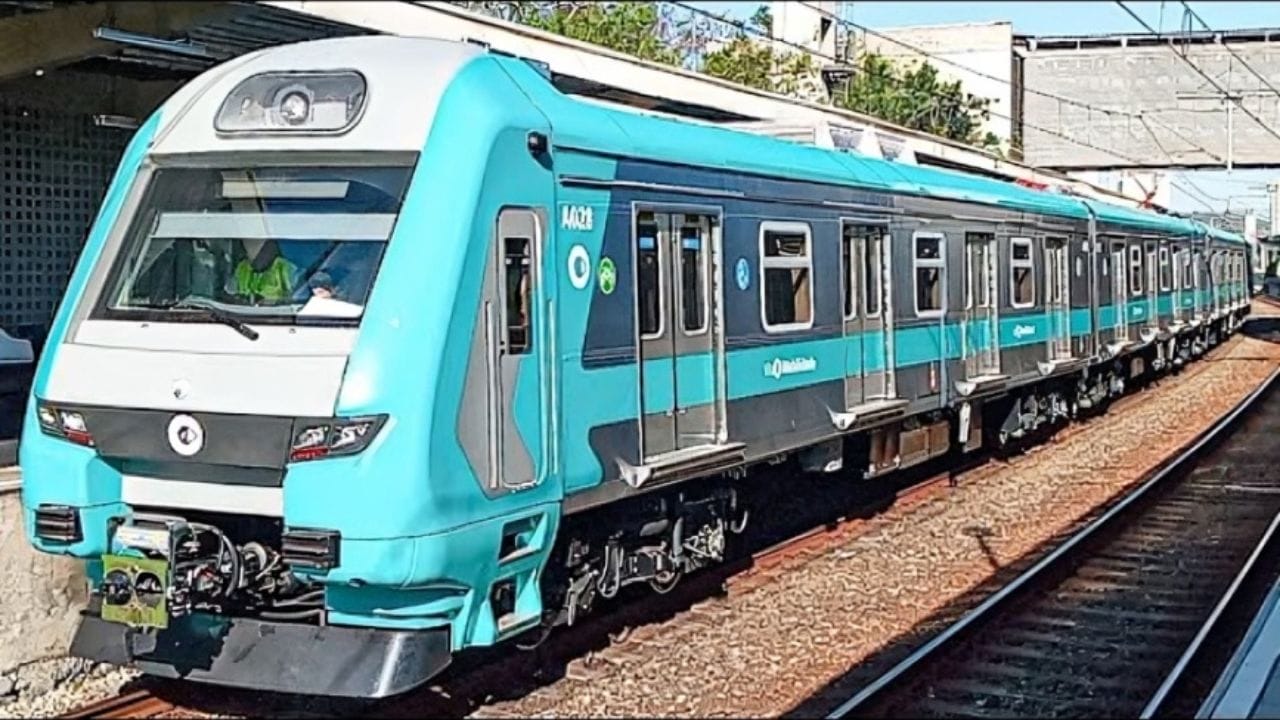
Rail Transportation Has Just Received A Major Boost With The Arrival Of The New Series 8900 Trains Acquired By Via Mobilidade To Operate On Lines 8 And 9 Of The Metropolitan Train System Of São Paulo. This Article Explores The Fascinating Process Of How A Train Leaves The Assembly Line And Arrives At The Operating Lines.
The Series 8900 trains are being manufactured in the city of Taubaté, where Alstom opened a factory in 2015. This location, which has already generated over 700 jobs, has an investment of about 14 million euros. The train is part of a investment package of R$ 3 billion for the first three years of Via Mobilidade’s concession.
Each train goes through a series of meticulous assembly steps. It starts with the joining of stainless steel parts, followed by the installation of electrical and electronic equipment. The interiors are then assembled with fire-resistant materials, and finally, the complete set is prepared for the journey to São Paulo.
Transport To São Paulo
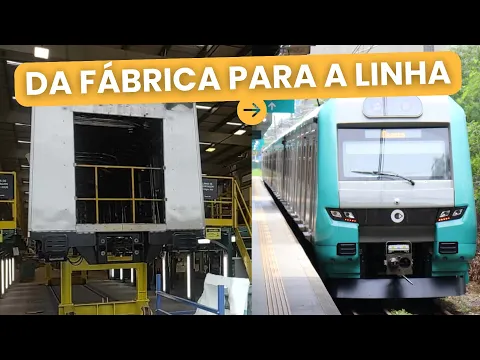

The trains are packaged and loaded onto trucks for transport from Taubaté to Osasco. In some cases, the transport of trains is done by the railway itself, but due to the location of the factory, the route for these specific trains is done by road.
-
Why can the crane operator only obey the correct signalman on the construction site: among dozens of workers, a hand raised by the wrong person can confuse the maneuver and turn a load of tons into an immediate risk.

-
What changes with the new public transportation rules that can reduce pressure on fares and pave the way for zero fare in Brazil?
-
Retired trains leave European tracks and become tons of steel, aluminum, and copper in dismantling yards where recycling exceeds 90%, but batteries, composites, and electronics create a new frontier of railway waste.
-
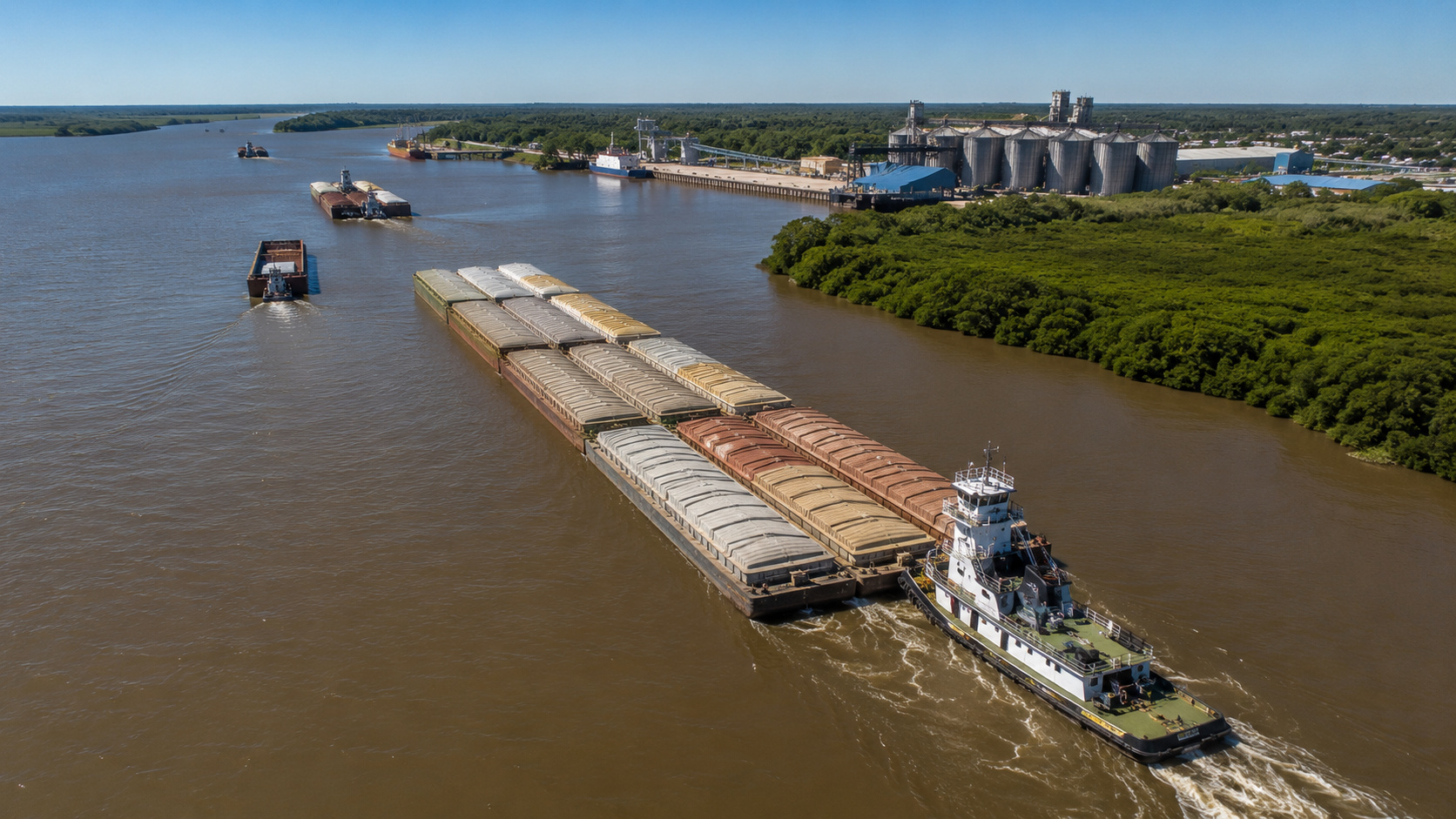
Argentina confirms Belgian giant to lead strategic Paraná River waterway and promises to reduce logistical costs on one of South America’s most important routes

Upon arriving at Pátio Presidente Altino in Osasco, the trains are unwrapped and the cars are placed onto the tracks one by one. This process includes lifting the cars using hydraulic jacks and correctly positioning them on the rails.
Tests And Operation
After being placed on the tracks, the trains undergo a series of static tests at the yard. Then, they enter a phase of dynamic testing, called white run, where they operate without passengers, but simulating real operating conditions. After this phase, the trains begin to transport passengers on lines 8 and 9.
The arrival of the new Series 8900 trains is a significant milestone for the São Paulo railway system. The innovative process of production, transport, and implementation of these trains demonstrates Via Mobilidade and Alstom’s commitment to continuous improvement of public transport services. Passengers on lines 8 and 9 can expect a more efficient, comfortable, and safe service with the inclusion of this modern train in their daily routine.







Be the first to react!