





 Portuguese
  English
  Spanish
  2 min of reading


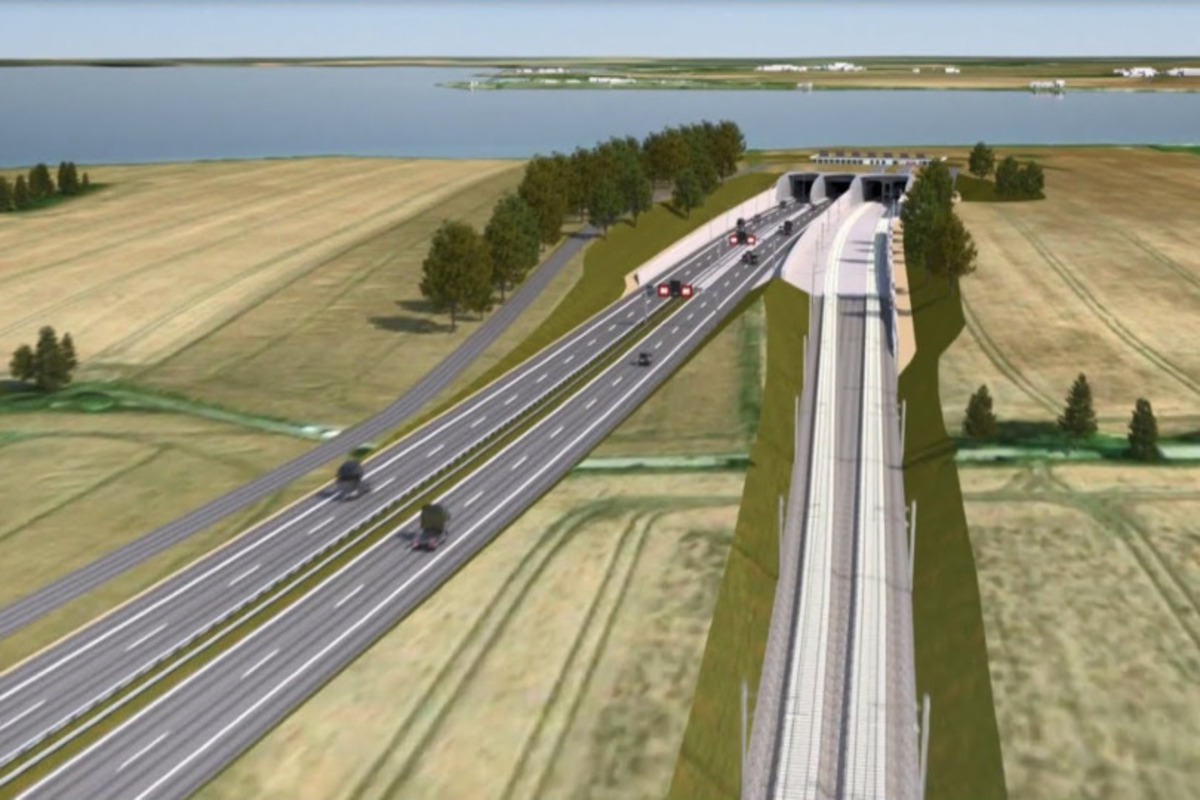
The Fehmarnbelt Fixed Link Tunnel Will Feature Two Dual-Carriageways and Two Electrified Railways, Connecting Germany and Denmark. It Will Be the Longest Combined Road and Rail Tunnel Anywhere in the World When Completed in 2029.
This project will cost about R$ 55 billion and will cross one of the sections of the Baltic Sea, known as the Fehmarn Belt, connecting with Rodbyhavn in Denmark and Lolland and Puttgarden in northern Germany.
The entire journey will take seven minutes by train and about ten minutes by car, avoiding a 160-kilometer detour through mainland Denmark. The travel time by train from Hamburg, Germany, to Copenhagen, Denmark, will be reduced from five hours to just three.
World’s Longest Underwater Tunnel to Connect Denmark and Germany
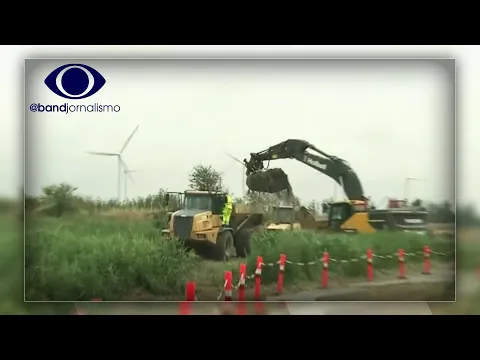

Denmark is also planning to build some high-speed electric rail lines for the tunnel. Train services will also continue to the borders of Sweden, Norway, and Finland.
-
American Airlines starts selling trips as if they were flights, with check-in and baggage check at the airport, but on short routes, passengers board luxury buses connecting cities to major hubs in the U.S.

-
São Paulo surprises the world with a colossal railway network project that promises over 1,000 km of tracks, R$ 194 billion in investments, and 40 projects connecting the capital to the interior with fast and sustainable trains.
-
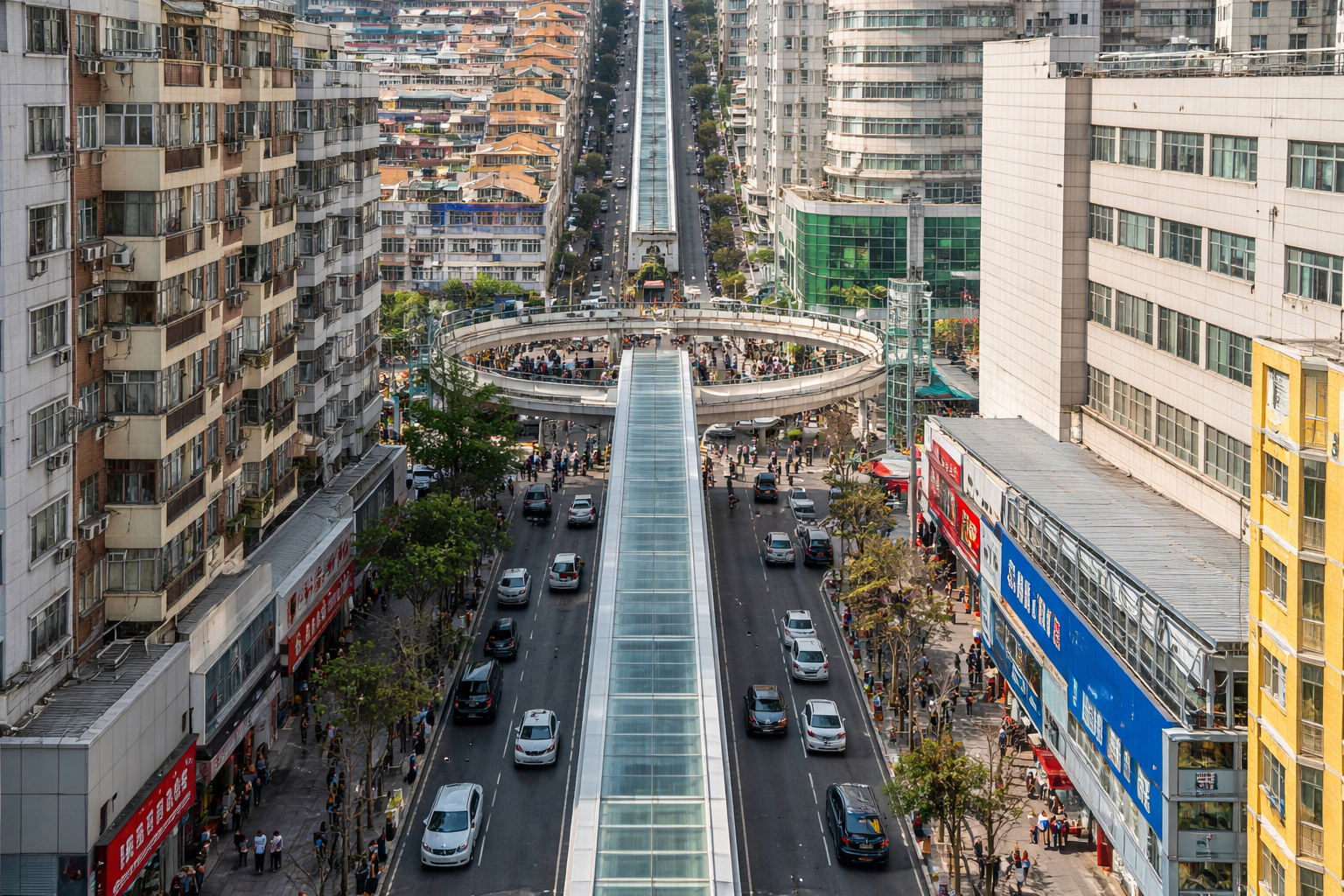
The world’s largest escalator, measuring 905 meters in China, reduces urban travel time from 1 hour to about 20 minutes and transforms mobility in mountainous regions with an engineering solution adapted to the terrain.
-
A R$ 300 million logistics giant is taking shape in Serra with over 100,000 m² and raises a question: how can this transform e-commerce and distribution in the state?
Fermern A/S reported that the tunnel “will increase capacity and alleviate congestion on Denmark’s railways and roads.” It also stated that it will significantly improve the economy “in terms of time, CO2 emissions, energy, and fuel.”








Seja o primeiro a reagir!