





 Portuguese
  English
  Spanish
  2 min of reading


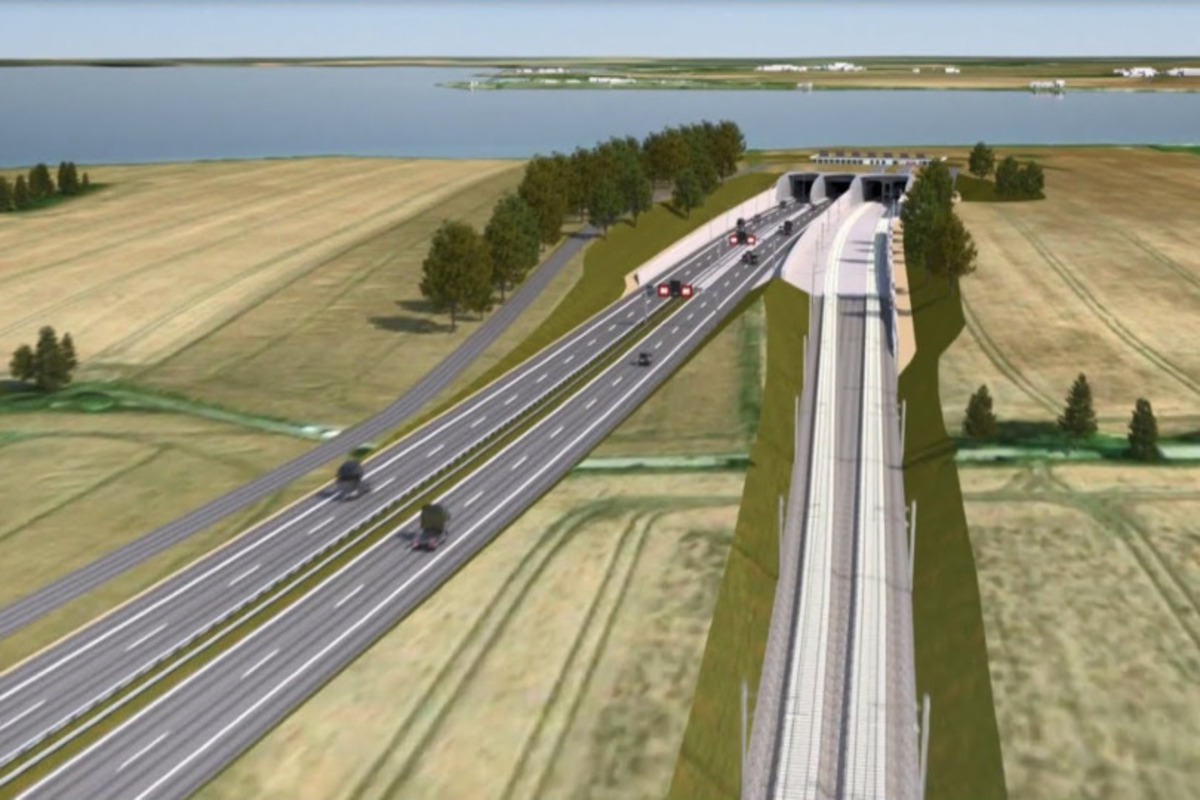
The Fehmarnbelt Fixed Link Tunnel Will Feature Two Dual-Carriageways and Two Electrified Railways, Connecting Germany and Denmark. It Will Be the Longest Combined Road and Rail Tunnel Anywhere in the World When Completed in 2029.
This project will cost about R$ 55 billion and will cross one of the sections of the Baltic Sea, known as the Fehmarn Belt, connecting with Rodbyhavn in Denmark and Lolland and Puttgarden in northern Germany.
The entire journey will take seven minutes by train and about ten minutes by car, avoiding a 160-kilometer detour through mainland Denmark. The travel time by train from Hamburg, Germany, to Copenhagen, Denmark, will be reduced from five hours to just three.
World’s Longest Underwater Tunnel to Connect Denmark and Germany


Denmark is also planning to build some high-speed electric rail lines for the tunnel. Train services will also continue to the borders of Sweden, Norway, and Finland.
-
AI-powered cameras start fining drivers without seatbelts and using cell phones in São Paulo and Rio de Janeiro.

-
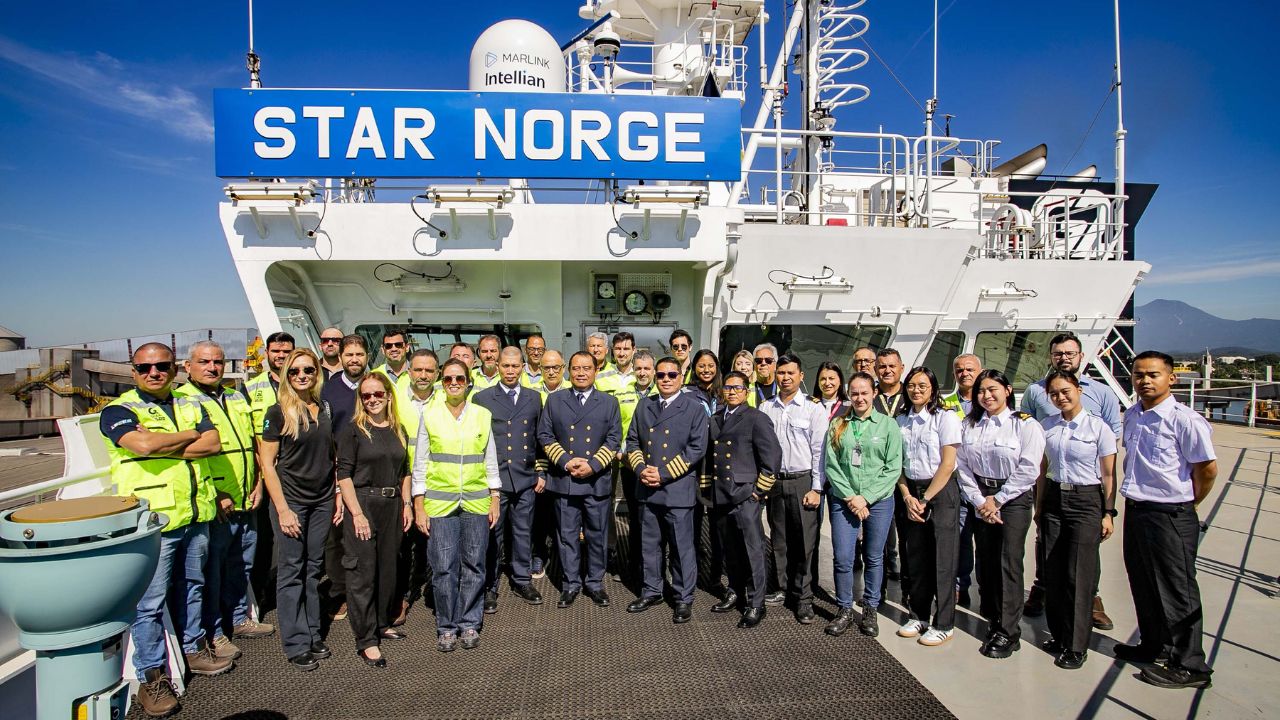
Port of Paranaguá receives Star Norge, a sustainable ship from Norway, with 14,200 tons of cellulose

-
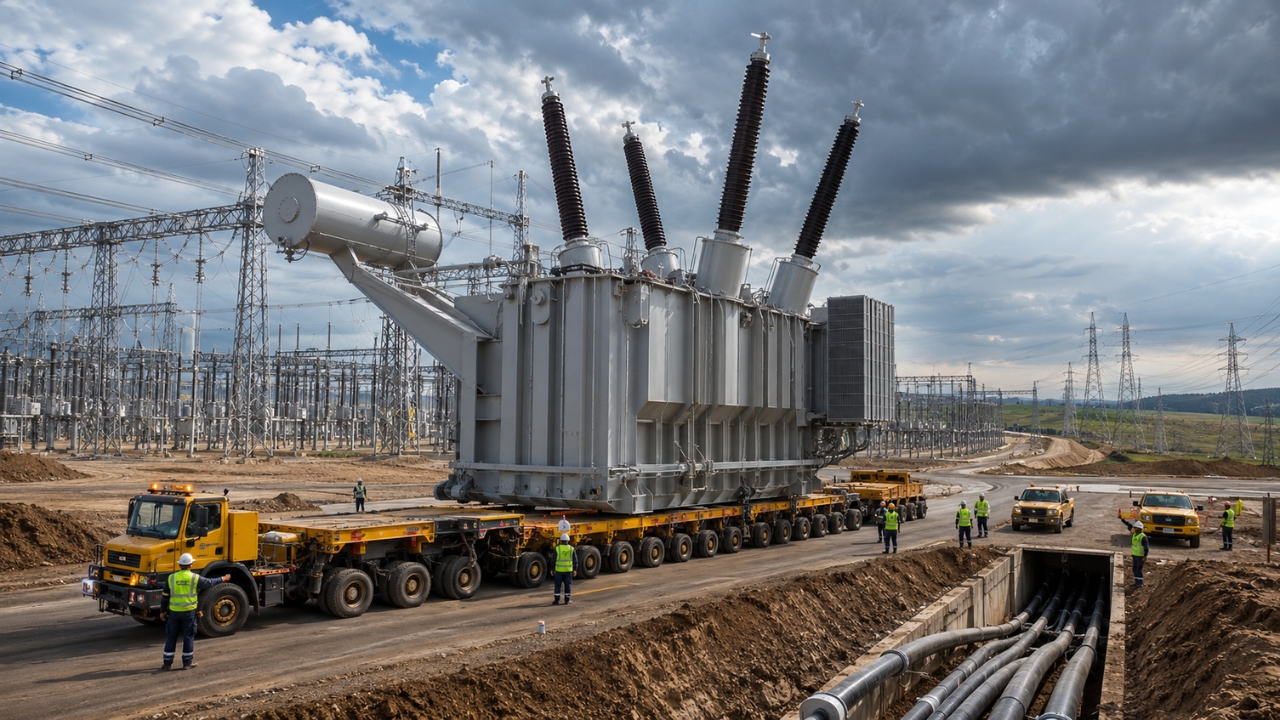
With 300 tons and a journey of more than 800 km, a giant transformer leaves Minas Gerais, crosses roads in a special operation, and arrives in the interior of São Paulo to integrate the hidden structure that carries energy underground in Brazil.
-
CNH do Brasil sets record with 303% increase in the first four months of 2026: 4.8 million applied for their first driver’s license



Fermern A/S reported that the tunnel “will increase capacity and alleviate congestion on Denmark’s railways and roads.” It also stated that it will significantly improve the economy “in terms of time, CO2 emissions, energy, and fuel.”







Be the first to react!