





 Portuguese
  English
  Spanish
  3 min of reading
  0 comments


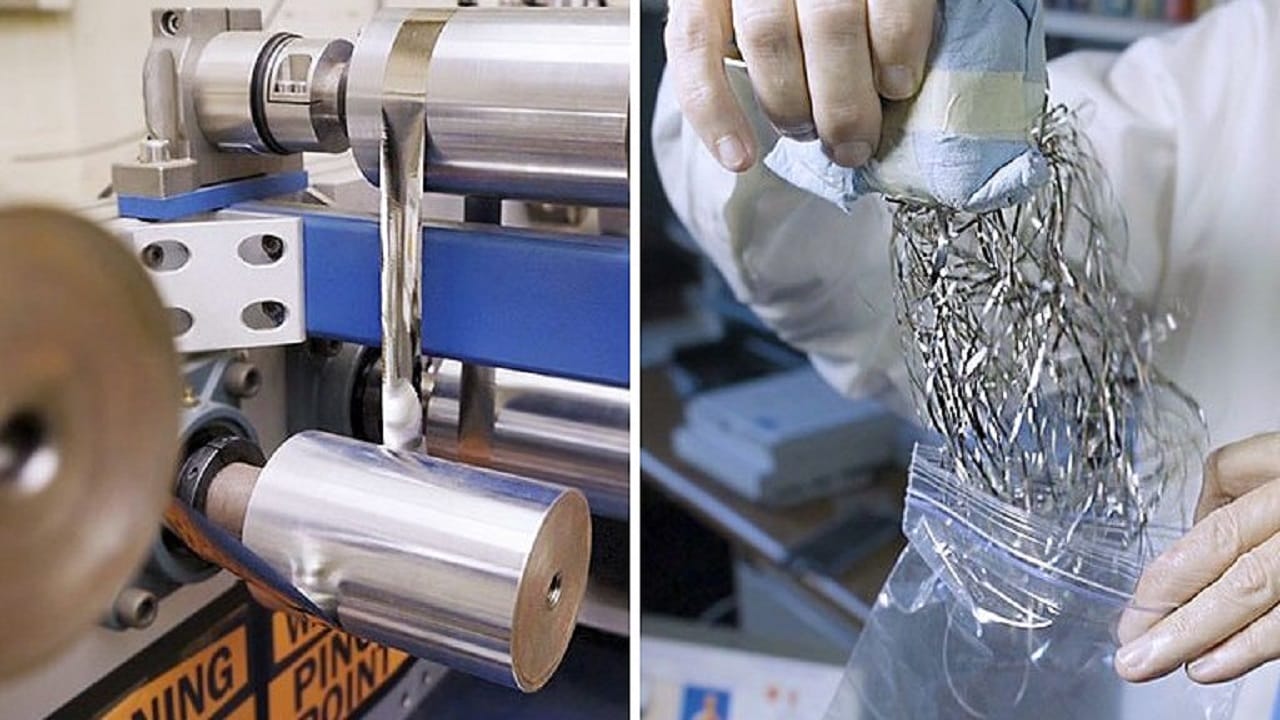
Company Challenges Tradition And Develops A New Electric Motor Without Magnets That Promises To Revolutionize The Electric Car Market. Discover The Advantages Of This New Propulsor.
The electric motor is a fundamental component that has been the highlight of the electric car industry. It plays a crucial role in converting electrical energy into motion of the wheels. There are various types of motors used in electric vehicles, such as induction motors with permanent magnets and switched reluctance motors, each with its advantages and disadvantages in terms of efficiency, cost, weight, size, and performance. Recently, ZF introduced an innovative electric motor that dispenses with the use of permanent magnets, capturing the industry’s attention.
New Motor Without Magnets From ZF Is A Strong Competitor To Conventional Motors
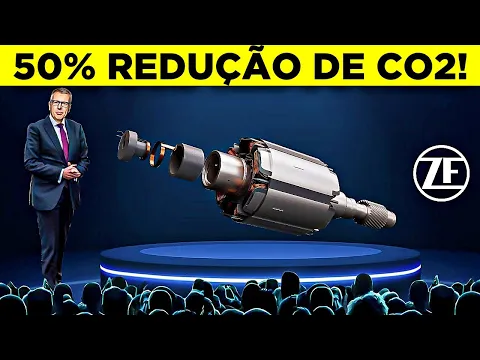

According to ZF, this more developed variant of an externally excited synchronous motor (FSM) is an alternative to the so-called permanent magnet synchronous machines (PSM). The latter are currently the most commonly used motors in electric cars, but they rely on magnets that require rare earth materials to produce.
With its new electric motor without magnets, called I 2 SM, ZF aims to make electric propulsors extremely sustainable in production and highly powerful and efficient in operation. Global companies are intensely dedicated to developing innovative electric motors without magnets. Due to this accelerated growth of the electric car market, ZF stands out in this field.
-
Hyundai has unveiled the Boulder, a square SUV with a body-on-frame design, 37-inch mud tires, and carriage-style doors that seems to be made to take on the Ford Bronco and the Scout Traveller in the United States.
-
Largest public charging network in Brazil: BYD reaches 125 fast chargers and accelerates national expansion of electric mobility.
-
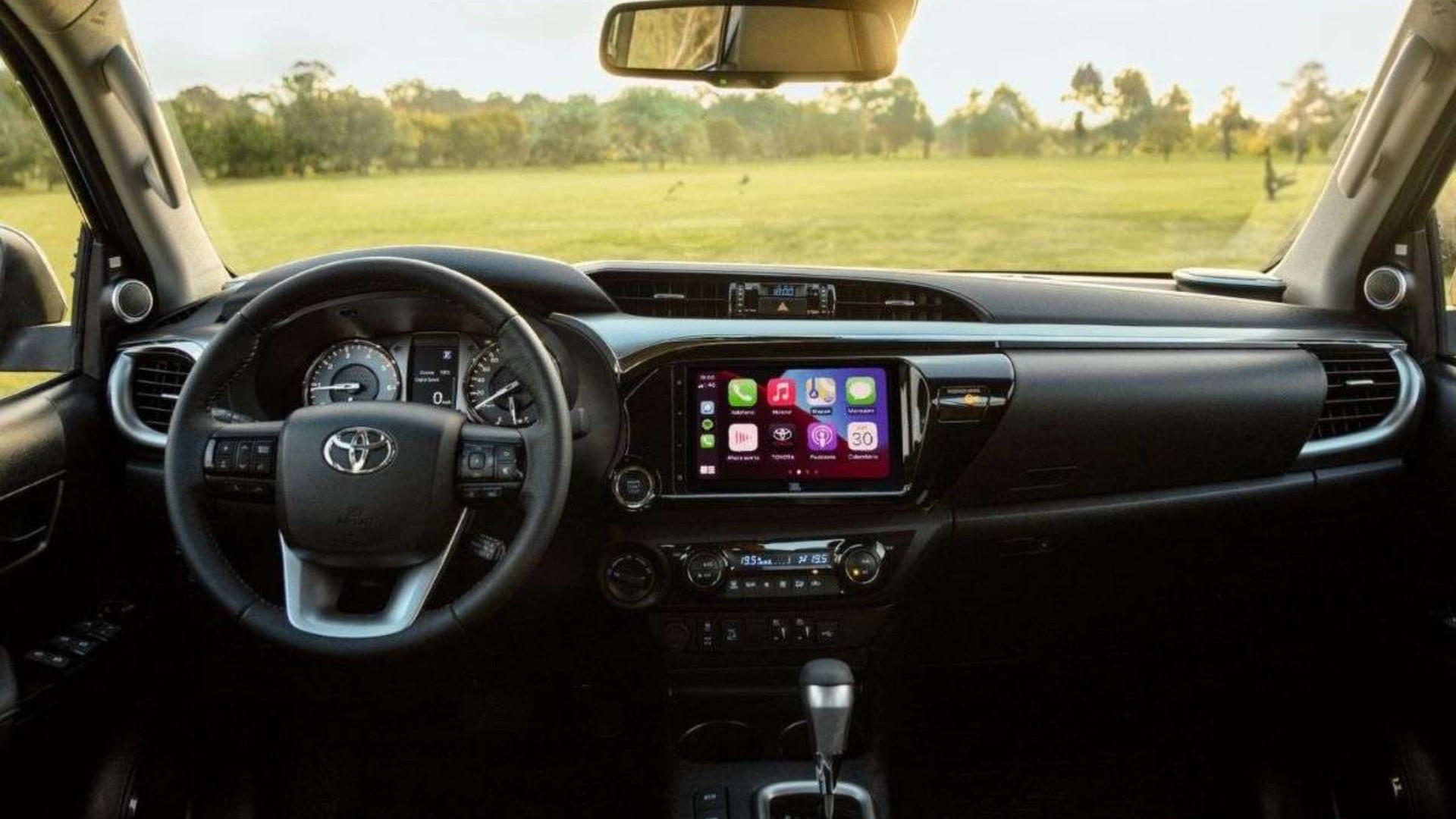
The Toyota Hilux is R$ 75.5 thousand cheaper and bets on the 2.8 turbodiesel engine with up to 204 hp and 50.9 kgfm to catch up with the VW Saveiro, which leads with 4,472 sales.
-
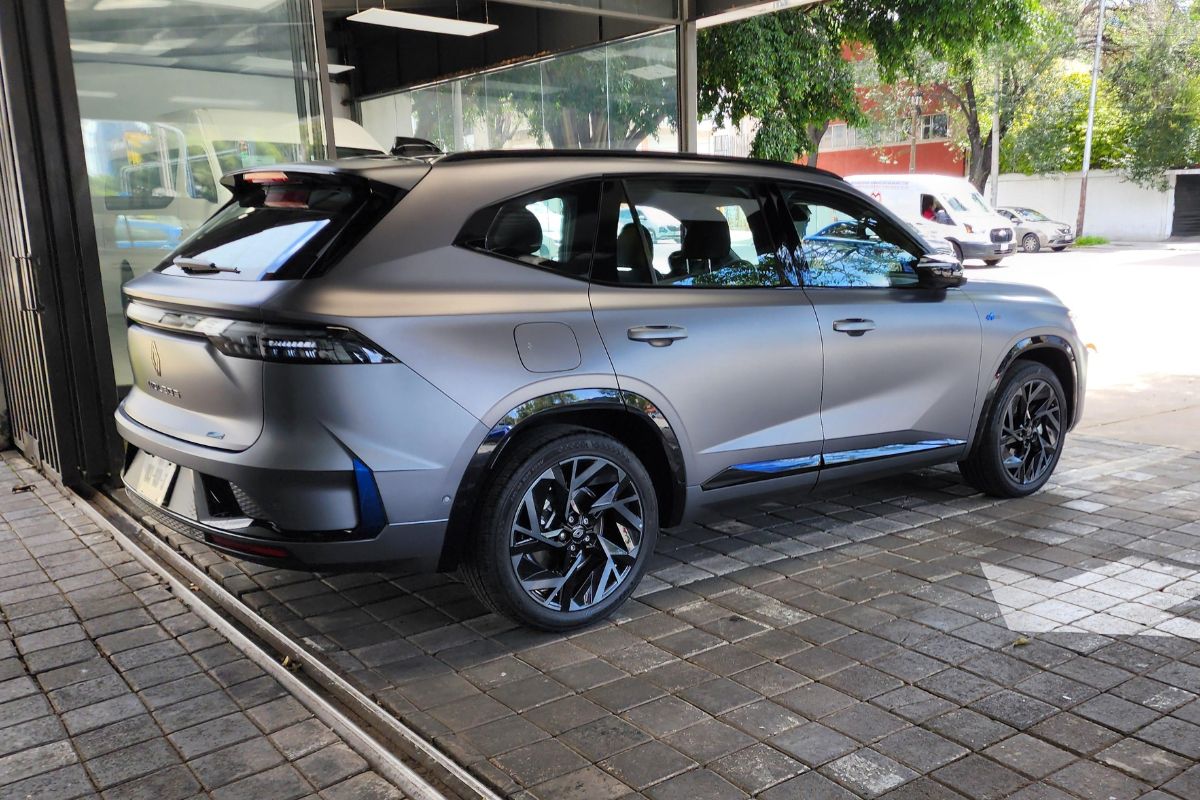
The new Renault Koleos has a screen exclusively for the passenger that is invisible to the driver, heated rear seats, and 29 assistance systems, but its Chinese competitors cost R$ 40,000 less and deliver more power.

It develops unique approaches, intelligently integrating an inductive transmitter within the new electric motor without magnets, resulting in a compact design.
This motor rivals the performance of the conventional permanent magnet synchronous motors preferred in current electric car engineering. Martin Fischer, from ZF’s board, states that their technology replaces magnets while maintaining performance equal to that of synchronous motors, where electric current generates an effective magnetic field.
Traditional Electric Motors Are Harmful To The Environment
The main advantage of this new electric motor without magnets is the elimination of essential rare earth materials in traditional motors, which are problematic in terms of environmental impact and supply chain. These magnets, sourced from mining, can be potentially damaging to the environment and present significant challenges.
However, traditional magnetless motors incorporate elements such as rings or sliding brushes to conduct electricity to the coils, which increases size, weight, and friction, as well as potential wear over time. For these reasons, many electric car manufacturers still prefer permanent magnet motors for being less complicated and more efficient.
However, the development of ZF’s new electric motor without magnets proves to be a promising alternative. These new technologies can reduce the environmental impact of electric car production and contribute to a more sustainable future in the industry.
Magnetless motors like this, which combine efficiency with compact design, are examples of technological evolution towards more conscious and environmentally responsible engineering.
Challenges Overcome By ZF In The Production Of The Electric Motor Without Magnets
The design of the new electric motor without magnets faces a significant challenge, such as delivering power to the rotating parts without creating friction, wear, or noise. An effective solution is induction. Contactless, this technique employs electromagnetic waves to transmit electricity to the coils inside the motor, without the need for physical contact or mechanical components. This eliminates the limitations of brushes or rings that take up space and reduce the efficiency of the propulsors.
ZF, a leader in automotive technology, has created a new contactless inductive electric motor. This motor, known as a synchronous motor, with inductive excitation in the rotor, features an inductive transmitter on the rotor shaft compared to motors with brushes or rings.
Its axial length is reduced by approximately 3.5 inches, fitting where the permanent magnet synchronous motor would fit without sacrificing power or torque density. This motor, known as I 2 SM, outperforms a permanent magnet synchronous motor (PSM) in certain situations like driving at high speeds. It operates more efficiently than the PSM, as it has no permanent magnets, avoiding eddy currents and heat loss.










Seja o primeiro a reagir!