





 Portuguese
  English
  Spanish
  3 min of reading
  0 comments


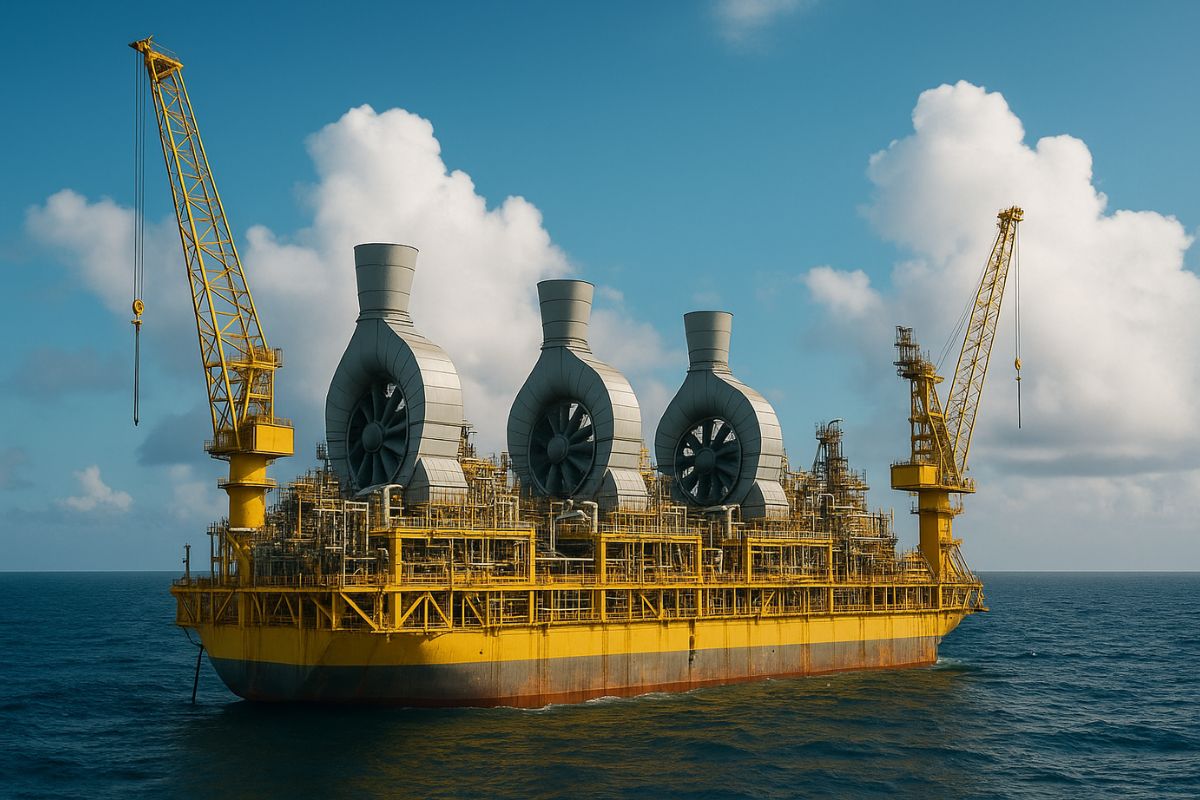
Raia Project, Operated by Equinor with Petrobras and Repsol, Will Have FPSO with Combined Cycle Technology and Could Change the National Energy Mix by 2028
Brazil has taken another step towards energy security with the construction of a new gas platform of cutting-edge technology, located in block BM-C-33 of the Campos Basin. Called the Raia Project, the venture will be equipped with combined cycle turbines and is expected to meet up to 15% of the national demand for natural gas, according to data from Equinor.
The gas platform is part of a joint effort by Brazilian and foreign companies to transform the country into a strategic supplier for the region. The onboard technology includes large gas turbines and heat recovery systems, ensuring greater efficiency and lower carbon emissions — all installed on a floating unit (FPSO) at more than 2,900 meters deep.
Billion-Dollar Partnership with Operations Expected by 2028
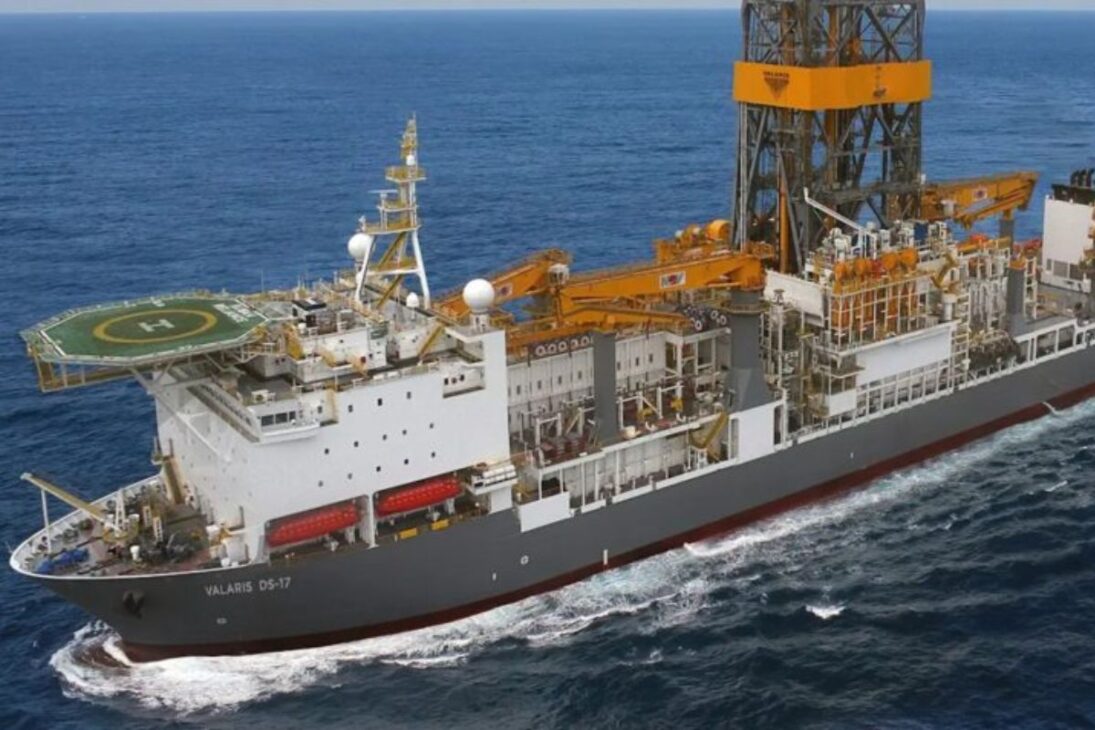
The Raia Project is led by Norwegian Equinor, in consortium with Repsol Sinopec and Petrobras. The total investment exceeds US$ 9 billion (approximately R$ 45 billion), with operations expected to begin in 2028. The gas platform will feature aeroderivative turbines ranging from 25 to 40 MW, supplied by companies like GE and Siemens, allowing for energy generation on the offshore unit itself.
-
Petrobras surprises the world again by announcing a new discovery in the pre-salt with excellent quality oil.
-
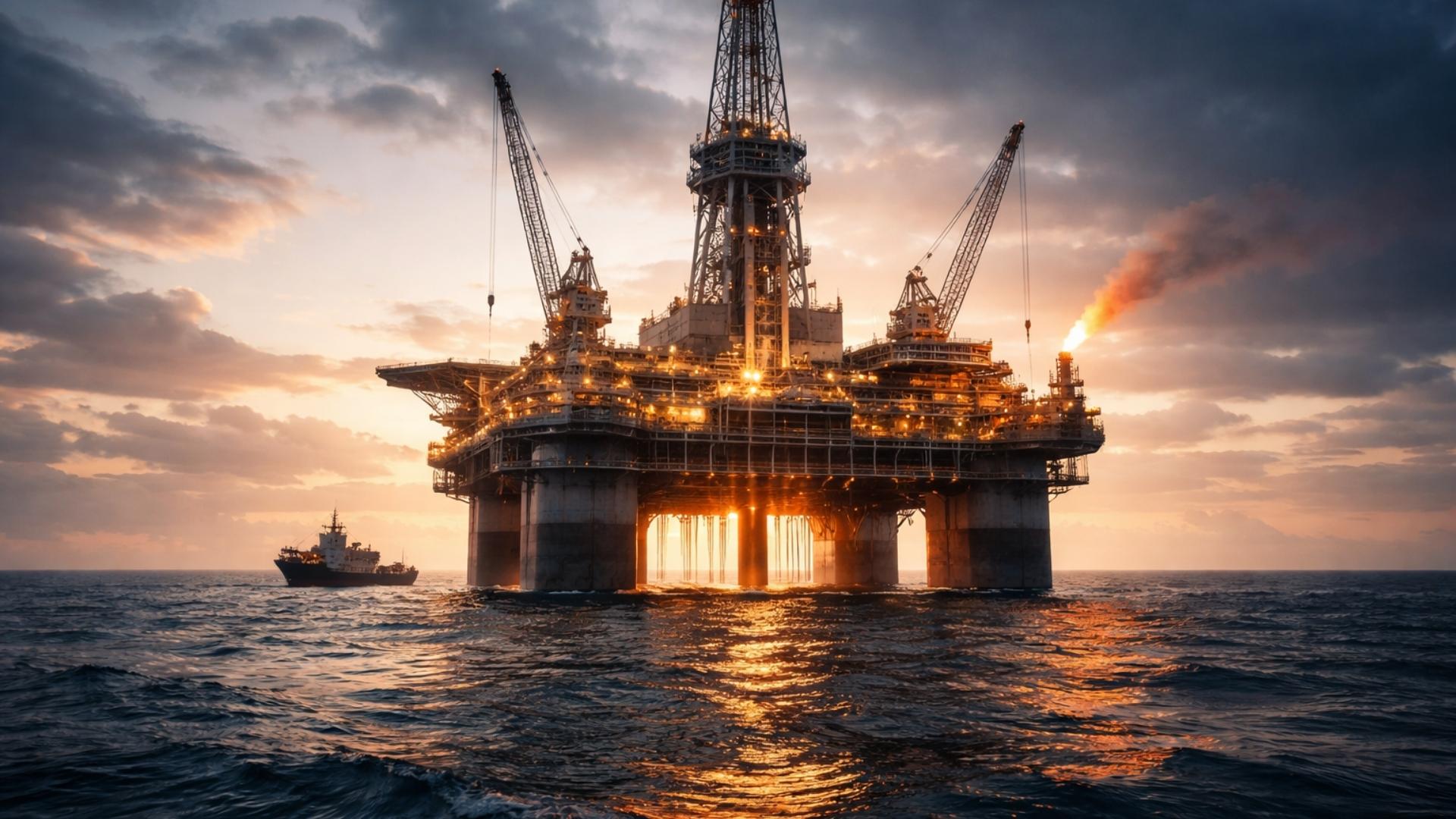
Offshore industrial demand in Macaé skyrockets with the recovery of oil and gas and could grow by up to 396% by 2026 in the Campos Basin.
-
Offshore industrial demand in Macaé surges with the recovery of oil and gas and could grow by up to 396% by 2026 in the Campos Basin.
-
Brazilian giant expands borders in the Southeast: Petrobras confirms new oil discovery in ultra-deep waters in the pre-salt of the Campos Basin.


Part of the gas will be earmarked for export, but at least half will serve the domestic market, highlighting fertilizers, ceramics, and thermal generation industries. According to Petrobras, the project could reduce the need for imports and lower the price of cooking gas and electricity bills in the country.
FPSO with Combined Cycle Reduces Emissions by Up to 30%
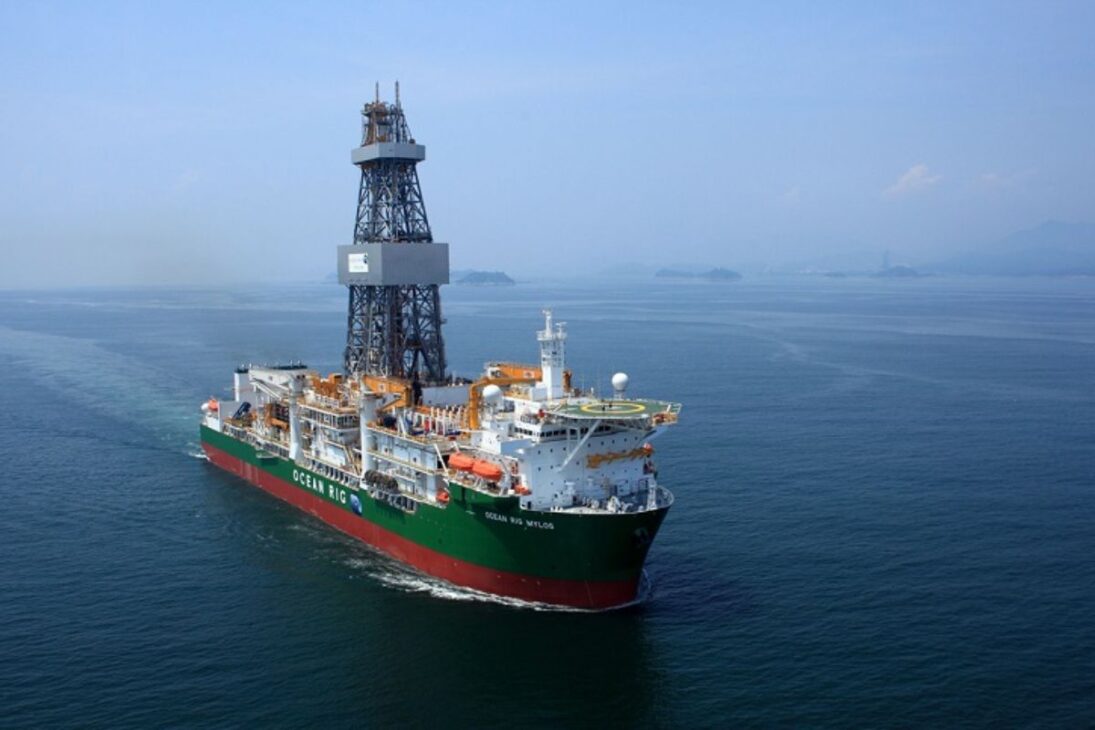
The major differentiator of the new gas platform is the use of combined cycle technology (CCGT), which combines gas turbines with steam turbines, using residual heat to generate more energy. This increases efficiency to up to 60% and reduces CO₂ emissions by about 30% compared to conventional platforms.
According to Equinor, the estimated emissions from the FPSO will be less than 10 kg of CO₂ per barrel equivalent of oil produced. The same technology was used in the Bacalhau project, also operated by the company. The FPSO will also have a gas processing system, condensate separation, and subsea pipelines integrated into the national grid.
Raia Can Transform the Natural Gas Sector in Brazil
Currently, Brazil produces about 45 million m³/day of gas, but consumes over 60. The entry of the new gas platform will enable a significant leap, with up to 16 million m³/day coming from Raia alone. In a later phase, the goal is to export up to 30 million m³/day, including to neighboring countries like Argentina.
The project is aligned with the New Gas Law and the government’s reindustrialization plan. Additionally, Petrobras plans to raise R$ 3 billion in financing for projects related to the production and flow of gas from BM-C-33, focusing on infrastructure such as pipelines and UPGNs.
Direct Impact on the Economy and Employment
Studies by the Energy Research Company (EPE) estimate that the natural gas chain will generate more than R$ 500 billion by 2028, creating 44,000 jobs. The new gas platform will also supply thermoelectric plants and industries that depend on the input, such as the fertilizer sector — in which Brazil still imports 90% of the demand.
In social terms, the project is expected to strengthen industrial hubs in the Southeast and Northeast, as well as create direct jobs in cities like Macaé (RJ). For the final consumer, cheaper gas can translate into lower electricity and LPG costs.
Environmental Licensing and Future Challenges
Despite the optimism, the licensing of the new gas platform faced criticism. In July 2025, Minister Marina Silva warned of “flaws in the evaluation process,” but Ibama cleared the operation with conditions. Equinor claims that the project meets international standards for decarbonization and biodiversity.
Other challenges include bureaucracy, the cost of flow infrastructure, and the volatility of the global energy market. Nonetheless, analysts consider Raia a milestone in the country’s energy transition, combining security, efficiency, and lower climate impact.
Do you think this new gas platform can indeed reduce prices and make Brazil more independent in the energy sector? Share your thoughts in the comments.







Seja o primeiro a reagir!