





 Portuguese
  English
  Spanish
  5 min of reading
  0 comments


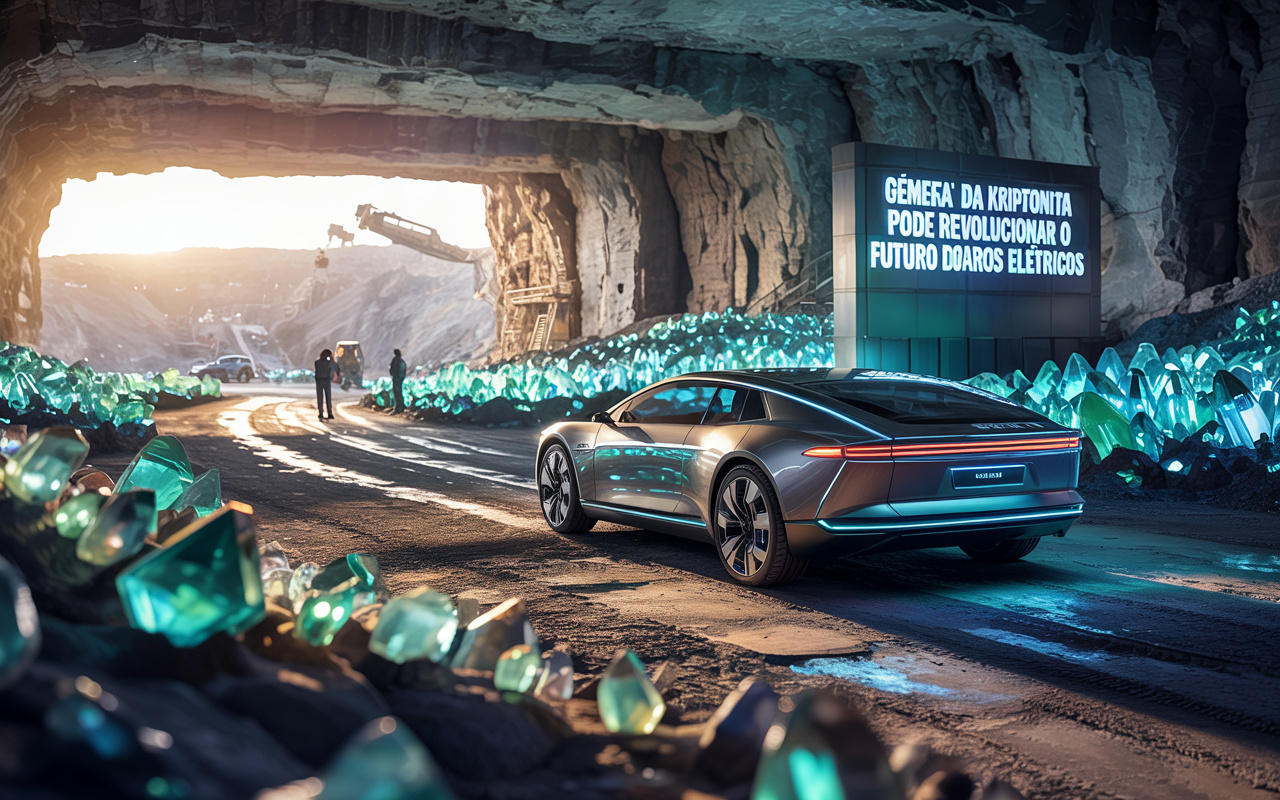
Jadarite, A Mineral Similar To Kryptonite, May Contain Enough Lithium To Fuel Millions Of Electric Cars, But Exploration Is Threatened By Environmental Impacts In The Jadar Valley In Serbia.
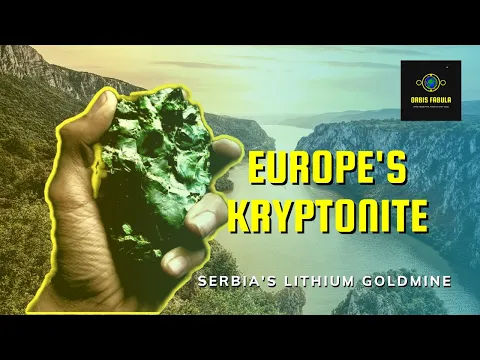
In an era marked by the race for sustainable solutions, a little-known mineral may redefine the future of electric mobility: Jadarite. Discovered in the early 2000s in the Jadar Valley in Serbia, this exotic substance became known not only for its rarity and unusual composition—which resembles the famous Kryptonite from comics—but also for containing enough lithium to power millions of electric vehicles for decades.
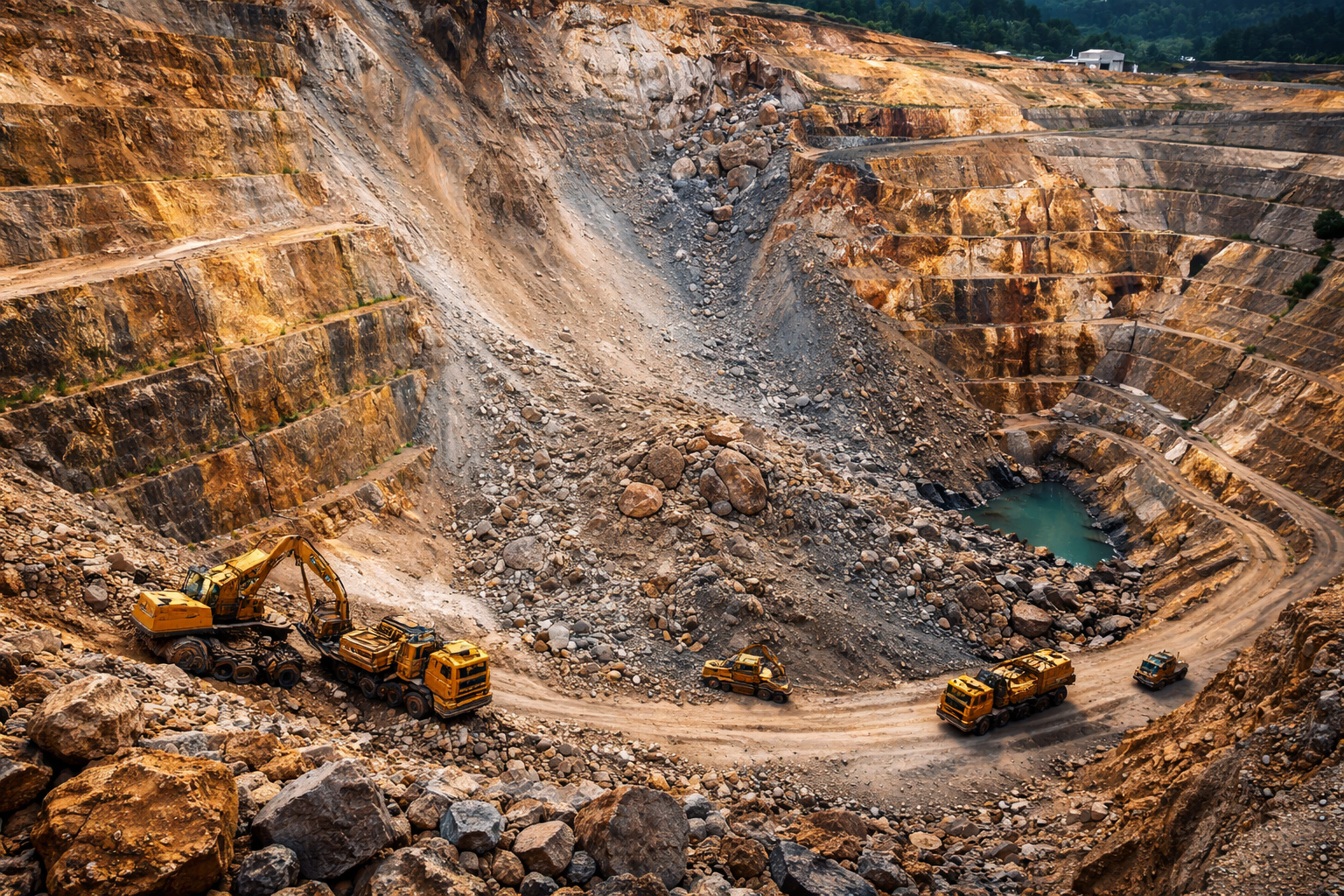
The discovery, made by the mining company Rio Tinto, revealed one of the largest lithium deposits in the world. According to scientists from the Australian Nuclear Science and Technology Organization (ANSTO), the Jadarite deposit may contain 2.3 million tons of the mineral, enough to produce batteries for over a million electric cars each year. However, despite the revolutionary potential, the mining project is stalled due to deep environmental concerns.
Jadarite Deposit: The Most Valuable Mine That Has Yet To Be Explored
The Jadarite deposit is located in western Serbia, a region with strong agricultural and cultural activity. The ore, with the chemical formula LiNaSiB₃O₇(OH), contains lithium, boron, silicate, sodium, and hydroxide—a combination that makes it similar to the fictional Kryptonite, with the difference that, in the real world, it might hold the key to advancing the energy transition.
-
After China, it’s now the turn of the USA to ‘secure’ a share of Brazil’s natural resources: the country buys critical rare earths for R$ 3 billion and enters the center of the global technology dispute.
-
Rare earths are in everything, from cell phones to bullet trains, and what almost no one realizes is why they have become the target of such a delicate global war.
-
Brazil extracts 26.3 million tons of ore from what was previously treated as waste, transforming residues into wealth, producing over 3 million tons of sand, and demonstrating how national mining is relearning to generate value.
-
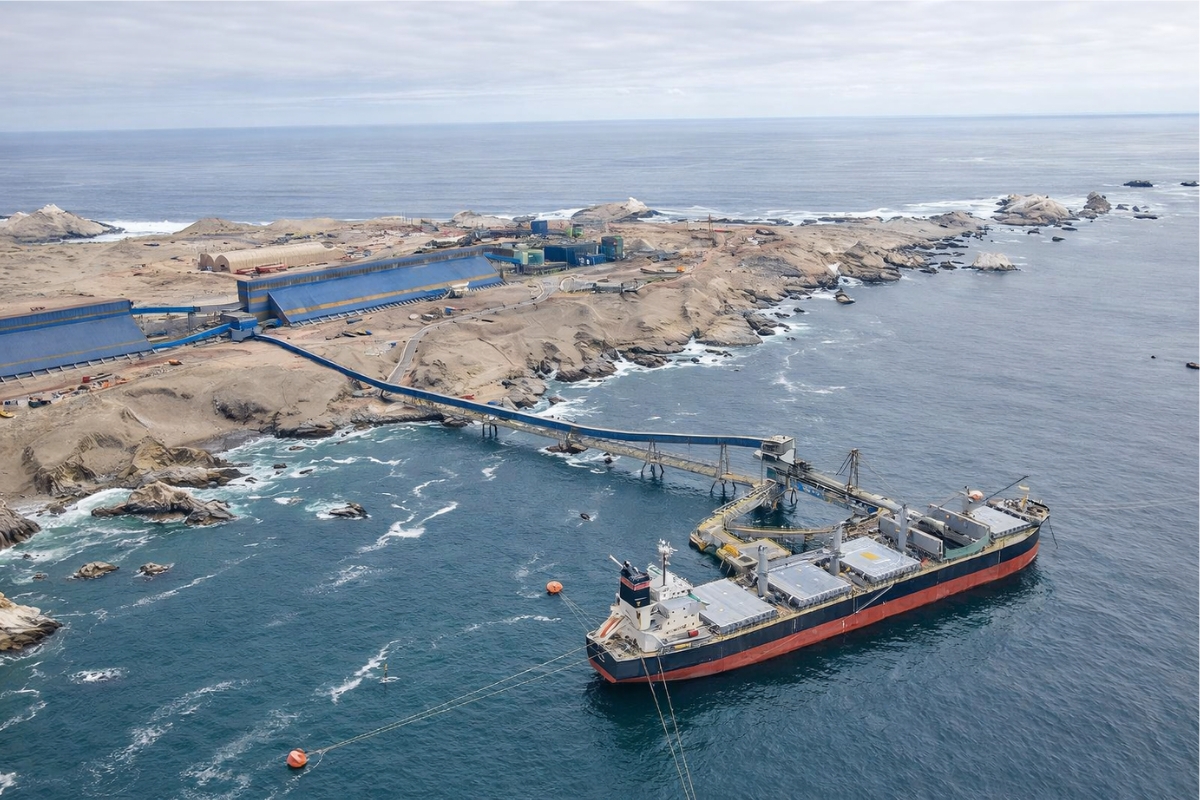
A $3.5 billion megaproject in Latin America pumps desalinated seawater at 1,050 liters per second over 194 km to keep a copper supermine in the Andes operational for another 20 years.


Studies reveal that Jadarite is extremely rich in lithium (3.39% by weight) and boron (14.65%), making its extraction economically attractive. Furthermore, boron can be reused as a byproduct, further increasing the commercial value of the deposit.
Lithium From Jadarite: The Hope For The Green Automotive Industry
Lithium is the heart of electric car batteries, cell phones, laptops, and solar energy storage systems. With the explosion in demand for electric vehicles, the need for reliable and abundant sources of this mineral has become a strategic priority for companies and governments.
The deposit in the Jadar Valley has the potential to become the largest lithium source on the planet, even surpassing large projects in Chile, Australia, and China. If properly exploited, lithium from Jadarite could meet the global demand for batteries for decades—a promising perspective for electric vehicle manufacturers like Tesla, BYD, Volkswagen, and other automotive electrification giants.
Jadarite Can Fuel Millions Of Vehicles—But There Is An Environmental Cost
Despite the technical optimism, the project faces strong local and international resistance. In 2022, after public protests and environmental impact studies, the Serbian government suspended Rio Tinto’s mining licenses, temporarily freezing the project.
Reports indicate serious risks:
- Contamination of the Jadar River basin, with toxic substances reaching groundwater.
- Deforestation and biodiversity loss, especially in sensitive areas.
- Soil and air pollution, caused by chemicals and dust from soil movement.
- Risk to agriculture and destruction of cultural and archaeological areas, essential to the region’s identity.

These threats raise a dilemma: how to extract a mineral essential for the green transition without compromising the very environment that is to be preserved?
Jadarite: Between The Kryptonite Of Comics And The Energy Solution Of The Real World
The similarity between Jadarite and Kryptonite is not just a chemical curiosity. Just like the substance that weakened Superman, Jadarite has enough power to shake the pillars of the energy industry—but, unlike fiction, here it can strengthen the planet by allowing a faster transition from fossil fuels to renewable sources.
For scientists like Michael Page from ANSTO, the importance of Jadarite goes beyond its economic value. According to him, we are faced with a mineral capable of altering energy geopolitics, reducing dependence on countries that currently dominate lithium production, such as Chile and Australia.
Jadarite And Geopolitics: The New “White Gold Rush”
With the demand for lithium skyrocketing, the competition for new sources is already being called the “white gold rush.” Countries like the USA, China, and members of the European Union are investing billions to secure access to the mineral, essential for their electrification and decarbonization plans.
In this context, Serbian Jadarite emerges as a geostrategic asset of immense value, capable of transforming the country into a global lithium supply hub—if and only if it can balance economic growth with environmental sustainability.
Future Of Jadarite: What Comes Next?
For now, the future of Jadarite remains uncertain. Rio Tinto continues to push for a review of the government decision, and negotiations between the company and the Serbian government are ongoing. At the same time, NGOs, scientists, and local communities are calling for more sustainable alternatives for extraction, demanding guarantees for environmental protection and respect for the cultural heritage of the region.
If extraction is resumed with strict sustainability criteria, the Jadarite deposit could become a global example of how responsible mining can coexist with the energy transition.
If, on the other hand, environmental damage outweighs the benefits, extraction could be blocked for an indefinite period—or even abandoned.
Jadarite is both a technological promise and an ecological warning. Its potential to revolutionize the electric vehicle sector is undeniable, but how it will be exploited will determine whether it is remembered as a solution or as a symbol of the risks of rampant mining.
The world is watching. While the automotive industry dreams of an abundant lithium source to fuel the electric revolution, nature and local communities are hoping for responsibility, science, and balance.





Seja o primeiro a reagir!