





 Português
  Inglês
  Espanhol
  9 min de leitura
  0 comentários


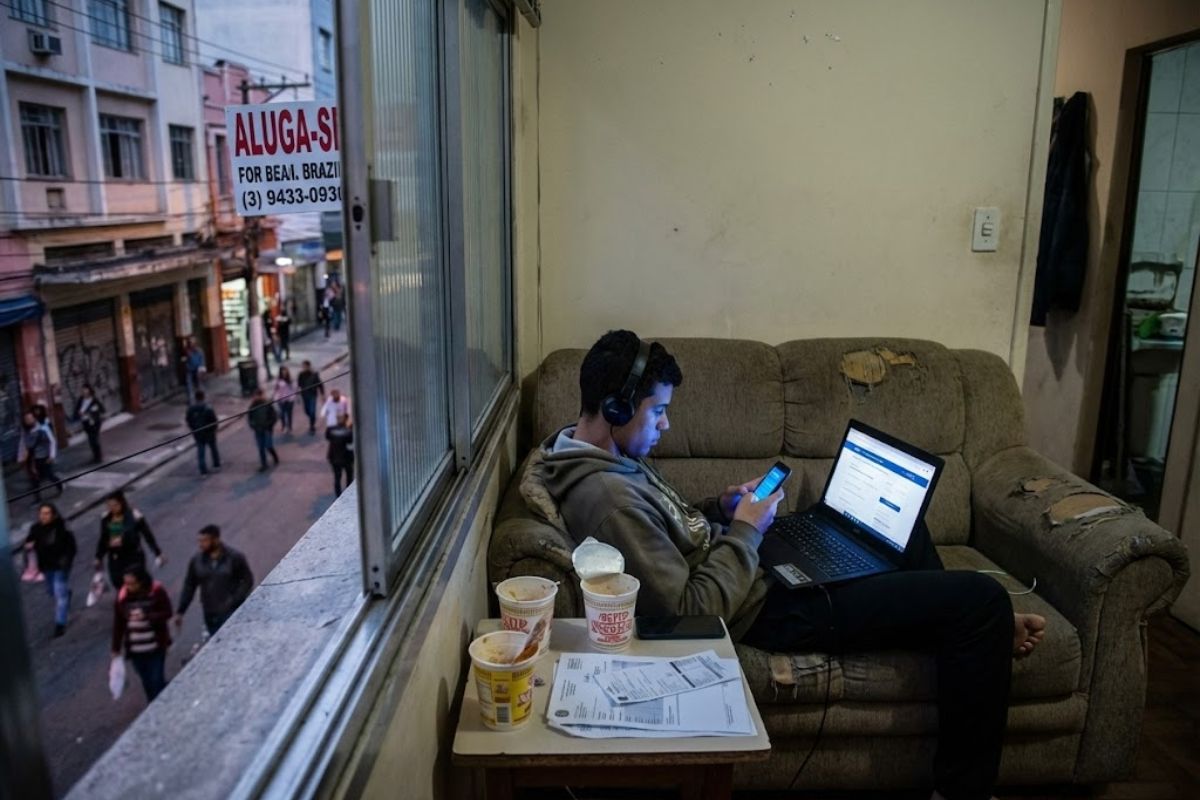
Generation Z Has Entered Adulthood in a Brazil of Successive Crises, Salaries That Do Not Keep Up with the Cost of Living, Constant Performance Pressure, Screen Addiction, Growing Loneliness, Rising Anxiety, and Alarming Levels of Depression, Even with Low Unemployment and More Accessible Higher Education for Young People.
Generation Z, comprised of young people born between 1997 and 2010, entered the job market under the impact of the 2008 recession, the protests of 2013, and the COVID-19 pandemic, in an environment of persistent inflation and fierce competition for jobs, which helps explain the climate of widespread malaise.
Although often portrayed in memes that mock their behavior, Generation Z today accounts for 48.8 million people in Brazil, equivalent to 23.2% of the population, trying to build a life amidst almost continuous political, economic, and social instabilities. Between the rising cost of living and salaries that do not keep pace, young people find themselves pressured to work more, earn less, and still meet unattainable standards of success, beauty, and emotional performance.
Series of Crises, Tight Budgets, and More Expensive Living
According to FGV Social researcher Janaína Feijó, “this generation does have an additional difficulty when it comes to acquiring goods and services, which are a measure of an individual’s quality of life.”
-
With an unusual prize, Japan transforms office chairs into a resistance race on the streets, ISU-1 Grand Prix grows, fills stages, and pays 90 kilograms of rice.

-
House in England with a 7.6-meter shark embedded in the roof attracts attention worldwide and becomes a curious attraction in Oxford.

-
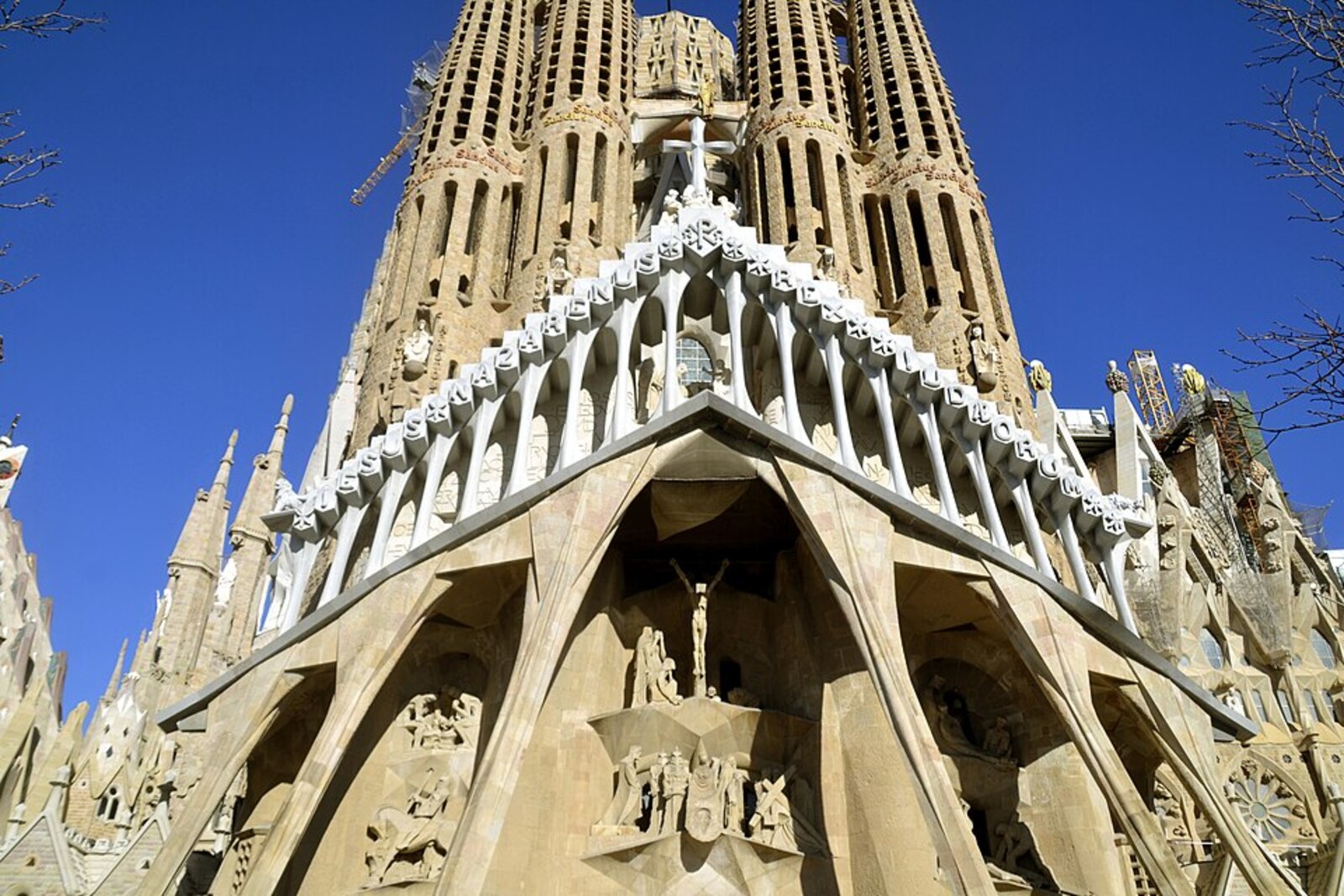
Masterpiece in Spain, under construction since 1882, receives 4.8 million visits in a year and impresses with its gigantism and architecture.
-
Attracting around 250,000 people a year, a lighthouse 200 meters from the sea, on a 60-meter high cliff, on the North Sea coast in Denmark, becomes one of the most impressive examples of how nature can threaten historical buildings.

In recent decades, salary adjustments have simply not kept pace with the rising cost of living, putting Generation Z at a disadvantage when accessing housing, leisure, and basic consumption.
Meanwhile, this group grows up comparing its own reality to the youth of Generation X (1965 to 1980) and Generation Y (1981 to 1996).
Back then, these young people also faced hyperinflation, confiscation of savings, the transition from military dictatorship to democracy, wars, and conflicts.
But Generation Z tends to idealize this past, as if life had been automatically easier for their parents, ignoring some of the difficulties faced before.
At the same time, there are advancements that today’s youth truly benefit from. The unemployment rate is the lowest in historical series, at 5.6%, according to IBGE, and qualifications have become more accessible: about one-third of students who complete high school go on to college, with an increase in the presence of women and Black people in universities and careers.
The problem is that this broader entry point also brought much more competition.
Brutal Competition, Performance Pressure, and a Hostile Job Market
Feijó points out that, with so many people entering university and seeking better jobs, the competition for opportunities has intensified, which falls directly on Generation Z.
Young people, according to her, need to present a complete package of “socio-emotional skills” required by employers from an early age, while also demonstrating practical experience that, precisely because they are young, they have not yet been able to accumulate.
In practice, this creates a vicious cycle: without experience, they cannot effectively enter the job market, and without entering the market, they cannot gain the experience that the market itself demands.
In daily life, this equation translates into poorly paid internships, temporary contracts, informal work, long periods of job searching, and a constant feeling of professional inadequacy.
Deloitte’s annual research shows the main concerns of Generation Z in Brazil and helps measure the scale of this pressure: 34% cite the cost of living as their biggest problem, 25% mention unemployment, 24% climate change, 22% mental health, and 18% security and crime.
In other words, fears range from finances to the planet, along with a constant sense of threat to physical and emotional integrity.
Authenticity, Fluidity, and Defensive Consumption
In terms of behavior, McKinsey highlights that Generation Z associates the act of buying with expressing authenticity and personal values, much more so than previous generations.
It’s not just about acquiring a product, but about signaling who one is, what one believes in, and with which causes one wants to be identified.
This group also strongly values fluidity, including gender and belief, challenging rigid labels and traditional standards.
Long-term commitments, such as buying a home or starting a family, are often deferred, both out of preference and economic necessity.
Instead of building wealth as an absolute priority, many prefer to gather experiences, travel, explore different careers, and maintain some freedom in an uncertain environment.
As noted by Deloitte partner Marcos Olliver, “Generation Z seeks more experiences, not necessarily to maintain assets and eventually wealth, as a generation did 30 or 40 years ago, which aspired to home ownership and stable jobs.”
In a world where stability seems increasingly fragile, investing in experiences and flexibility seems more rational than committing to decades of debt.
Tired Body, Overloaded Mind: The Lifestyle That Ails
Health indicators help translate the feeling of exhaustion into numbers. In the last 10 years, the consumption of ultra-processed foods increased by 5.5% among Brazilians, according to the University of São Paulo (USP).
At the same time, 84% of young people are sedentary, according to IBGE, and 66% of Brazilians have difficulty sleeping, according to research published in the scientific journal Sleep Epidemiology.
The World Health Organization (WHO) also points out that up to 21% of young people aged 13 to 29 feel lonely frequently. Less interaction in real spaces, screen-heavy routines, poor diets, disrupted sleep, and little physical activity create fertile ground for mental health issues.
It is precisely in this combination that Generation Z lives their daily routine.
Psychologist and USP professor Ana Barros reminds us that “the interaction in real spaces and collective practices has been lost; we had more active neighborhoods that offered, in different ways, a more solid support network with clearer boundaries.”
Without this network, young people face frustrations, fears, and conflicts more isolated, worsening anxiety and depression.
Social Media, Screen Addiction, and the Pursuit of Immediate Validation
Digitally native by definition, Generation Z grew up alongside the rapid rise of social media, mobile internet, and apps that promise constant interaction.
Theoretically, it has never been easier to talk to others; in practice, it has never seemed so difficult to create deep and lasting bonds.
For Ana Barros, “technology has completely changed social relations, the way we experience and construct our subjectivity, and contact with others.”
She explains that today, subjectivity operates under the logic of visibility and immediate reflection, where everything needs to be seen, liked, and approved quickly.
This creates an intense need for external validation, with constant pressure to meet unrealistic standards and expectations, fueled by algorithms that continuously deliver comparisons with seemingly perfect lives.
When a young person fails to meet this standard, feelings of anguish, shame, and inadequacy arise, which add to the material difficulties of daily life.
Depression at Alarming Levels Among Young Brazilians
Data on mental health shows that the problem is not just a perception: it is a real crisis. Approximately 40% of women and 29% of men in Generation Z in Brazil reported suffering from depression in 2024, according to the World Mental Health Day survey by the Organization for Economic Cooperation and Development (OECD).
This situation is serious even when compared to other age groups. Among members of Generation X, the proportion is 32% of women and 25% of men, while in Generation Y the figures reach 38% and 31%, respectively.
In other words, all generations show high rates of emotional suffering, but Generation Z concentrates the most dramatic indicators, especially at the moment of transition to adulthood.
The combination of an uncertain future, pressure for high performance, economic instability, toxic social media, and little community support creates an environment where the diagnosis of depression almost seems to be the norm, not the exception.
When Mental Health Becomes a Priority, Not a Luxury
Amid so many warning signs, an important movement has emerged: mental health has ceased to be taboo and has entered the list of priorities.
Consultant Marcos Olliver sees this as a positive point and a differentiating factor for Generation Z. Whereas in the past talking about therapy felt like weakness, today it is increasingly seen as basic care.
According to research from Vida LinkedIn, around 13% of Brazilians undergo therapy and 15% take medication to treat psychiatric issues, while 41.6% consider mental health a priority.
Generation Z, in particular, tends to embrace this discourse more forcefully, naming their suffering, seeking professional help, and demanding more accountability from companies regarding the issue.
In practice, this directly impacts professional behavior: 56.2% of young people desire jobs with remote work options and flexible hours, and 71.6% say they would leave positions if the environment were toxic or the work misaligned with their values.
In the name of well-being, they are less willing to accept exhausting schedules, abusive leadership, and organizational cultures that disrespect boundaries.
Prioritizing Private Life, Reevaluating Work, and Redesigning Dreams
In this scenario, Generation Z tends to prioritize private life over work, questioning models that place career as the absolute center of existence.
The quest for balance between personal time, emotional relationships, leisure, and mental health weighs as heavily as salary and health plans when evaluating opportunities.
This does not signify a lack of ambition, but a change in the standard by which success is measured.
Instead of merely accumulating material possessions, many young people prefer to invest in continuous learning, purposeful projects, entrepreneurship, and career paths that allow some control over time and routine.
It is a response to the unprecedented pressures they face and also an attempt to protect their own mental health.
Barros sees this movement as a relevant turning point: “this indicates that, despite the unprecedented pressures young people are facing, they are also developing strategies of their time, such as using social media to form virtual communities and share what they feel.”
In other words, the same platforms that contribute to their distress can also serve as spaces for support and reinventing connections.
Not All Generation Z is the Same: Class, Race, and Opportunities
Despite the seemingly homogeneous label, the category “Generation Z” is not a scientific consensus and carries important limitations.
By emphasizing differences between age groups, this framework tends to obscure convergences and often reflects the perspective of an upper-middle-class view, distancing itself from the reality of most young people.
Feijó notes that people with different income and education levels exhibit very different behaviors, even within the same generation.
Among the Black and brown population with lower income, for instance, the dream of homeownership remains much stronger, as acquiring basic material goods is still an urgent step towards social ascension.
Meanwhile, among the wealthier, predominantly white or Asian individuals, there is more space to dream about entrepreneurship, investing, and diversifying income sources, rather than focusing solely on immediate survival.
Dreams may change, but structural challenges (inequality, racism, violence, economic insecurity) continue to mark the trajectory of the entire Generation Z, albeit in different forms.
Does Generation Z Live Worse than Their Parents?
In the end, the answer is not simple. Generation Z lives in a country with more access to education, lower unemployment, and greater diversity in universities, but pays the price of a high cost of living, weakened community ties, intense competition, and a constant bombardment of digital stimuli.
If the feeling is that “they earn less, spend more, and are overwhelmed,” it is because data on health, work, and well-being confirms that malaise is not drama; it is diagnosis.
The lingering question is how long society, companies, and governments will take to adjust rules, public policies, and expectations to a reality in which psychological suffering has become a central part of the youth experience.
And you, looking at your routine or that of the young people around you, do you think Generation Z is really living worse than their parents, or are they just reinventing what it means to have a good life in today’s Brazil?










-

Uma pessoa reagiu a isso.