





 Portuguese
  English
  Spanish
  3 min of reading
  0 comments


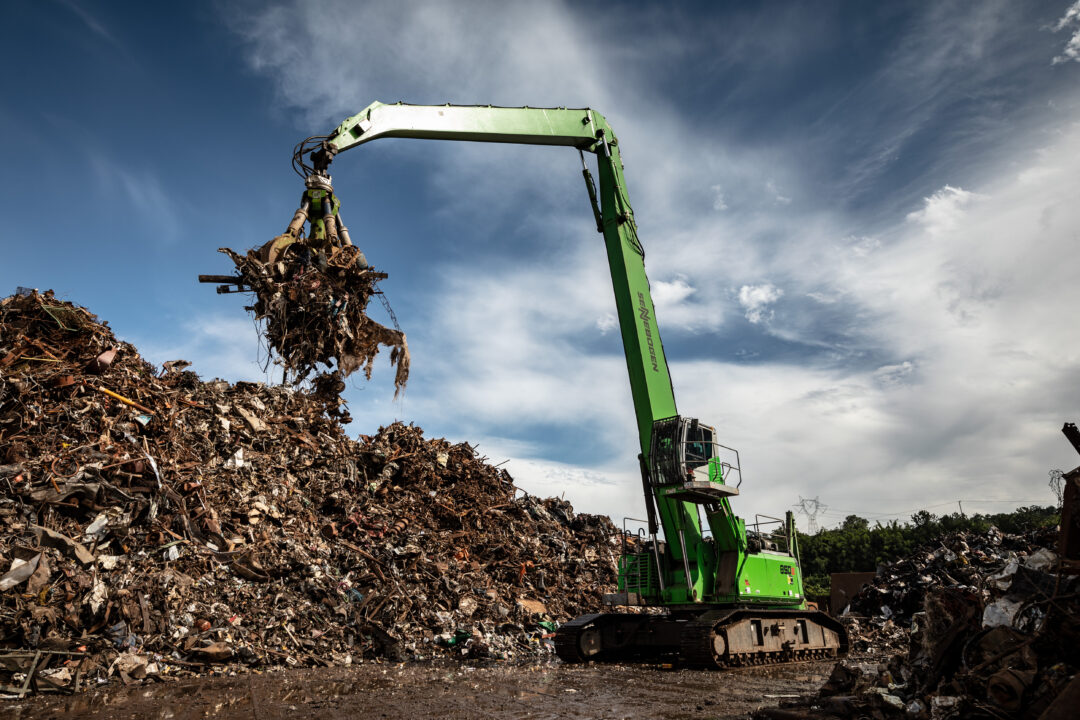
Gerdau and Petrobras Sign Memorandum of Understanding to Explore Commercial Opportunities and Develop Sustainable Businesses Focused on Steel Decarbonization.
Gerdau and Petrobras signed a Memorandum of Understanding (MoU) dedicated to investigating commercial opportunities and fostering partnerships aimed at low-carbon businesses. This collaboration aims to unite efforts towards decarbonization, enhancing strategies that reduce emissions in the operations of both companies.
The main focus will be on Research and Development, essential for creating innovative solutions that contribute to a low-carbon economy. Moreover, this strategic alliance aligns with the commitment to develop and promote sustainable businesses, ensuring innovation and environmental responsibility in the sector. The partnership reinforces the companies’ dedication to overcoming global climate challenges.
Partnership for Low-Carbon Fuels
The collaboration between Petrobras and Gerdau encompasses the analysis of sustainable business models, focusing on low-carbon fuels, hydrogen and its derivatives, as well as CO2 capture, transportation, and storage (CCS). Additionally, R&D projects will be conducted aimed at material integrity in marine environments and steel production through the ‘direct reduction’ process using natural gas instead of coal. This process represents a sustainable alternative to conventional steel production, utilizing natural gas in place of coal.
-
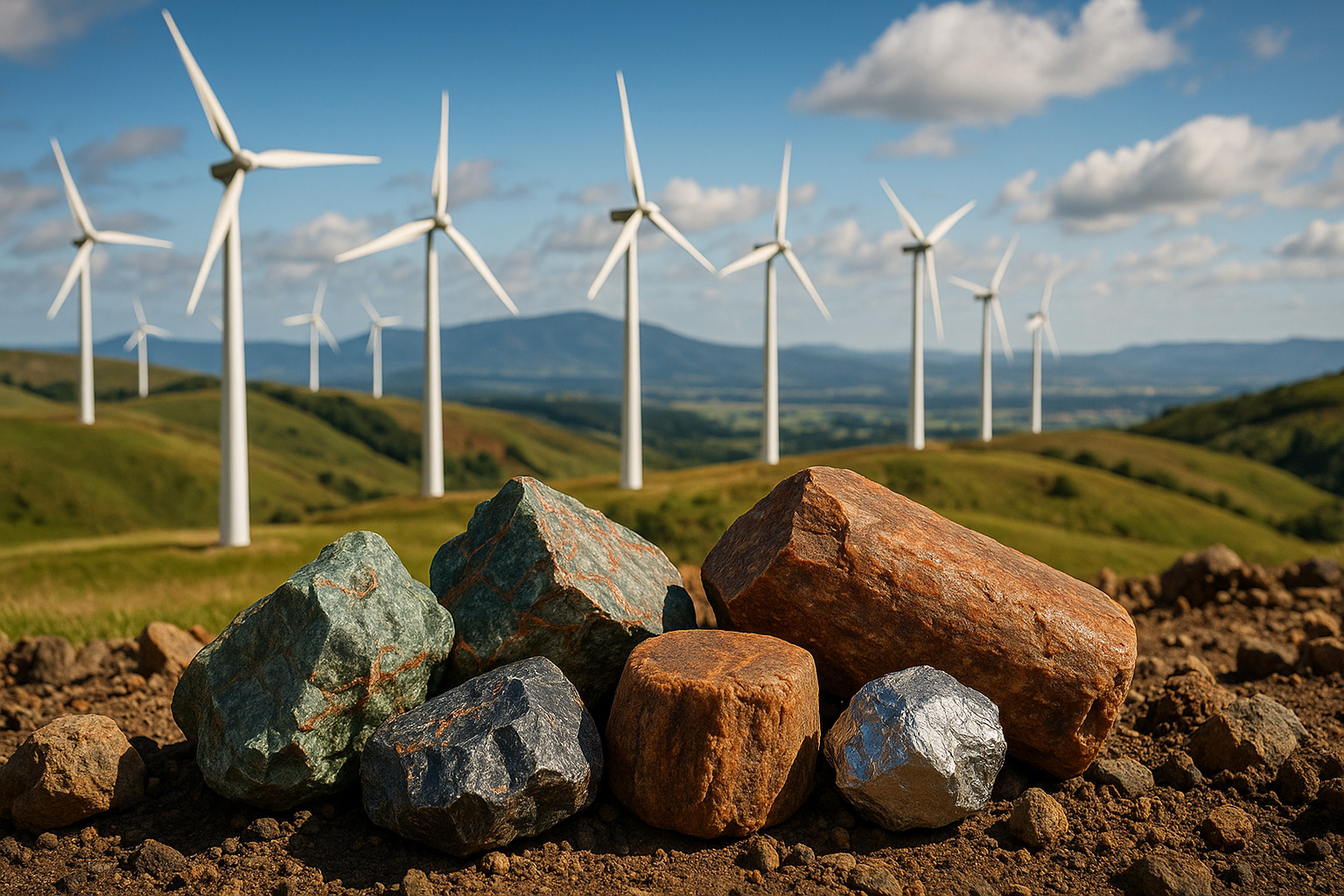
The Brazilian state accelerates industrial competitiveness with a focus on the extraction of strategic minerals to boost the energy transition in Goiás.
-
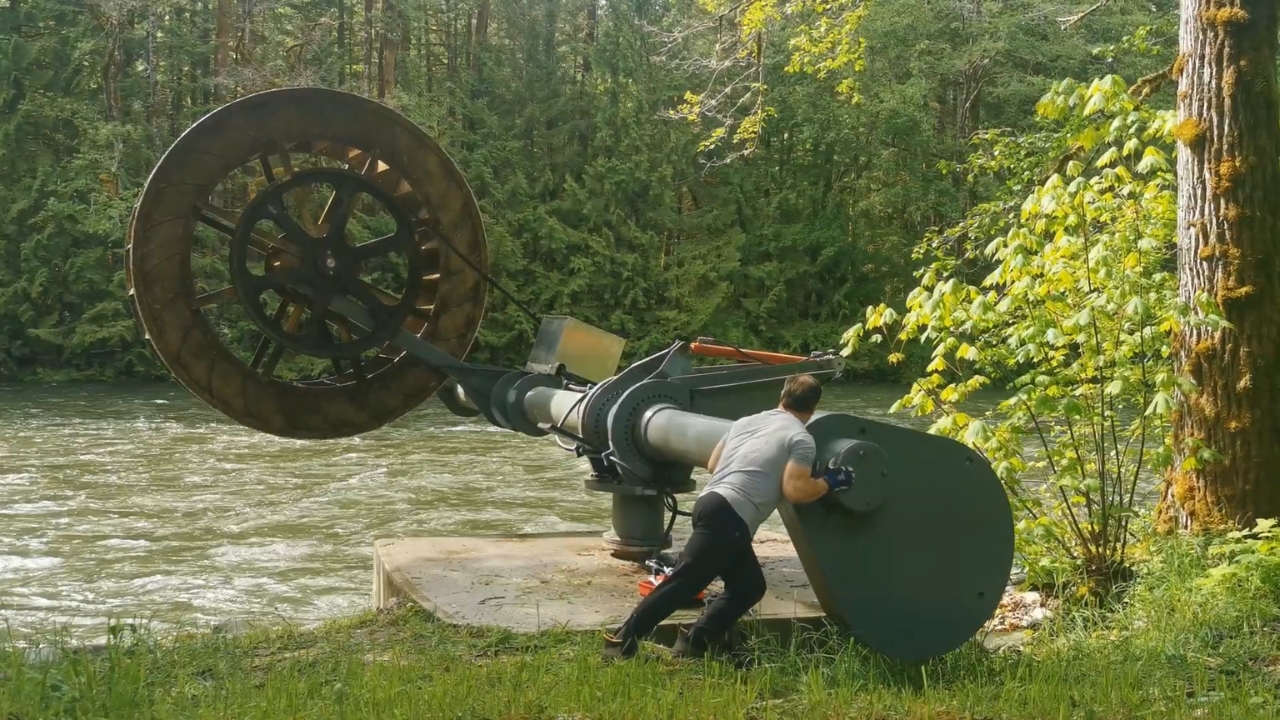
A Canadian retiree creates a hydroelectric system on a real river, generating energy continuously throughout the day and demonstrating how the power of water can supply a house with stability even in a simple structure.
-
Petrobras reaffirms its commitment to the market and ensures that it will carry out the energy transition safely to maintain national sovereignty.

-
Researchers discover a possible hydrogen deposit of up to 46 million tons beneath an ancient coal basin, and the volume could exceed half of the entire global production.


Sustainable Alternative for Steel Production
Gerdau, recognized as the largest steel producer in Brazil and a leader in metal scrap recycling in Latin America, stands out with one of the lowest greenhouse gas emissions intensities in the global steel industry. This is due to its sustainable production matrix, which utilizes scrap recycling and the use of bio-reducing agents (charcoal). According to Flávia Souza, Global Director of Energy and Supply at Gerdau, the company remains committed to further reducing its emissions intensity of Greenhouse Gases (GHG), which is currently 0.91 t CO₂e per ton of steel (Scopes 1 and 2), aiming to reach 0.82 t CO₂e per ton of steel by 2031.
Commitment to a Sustainable Future
With 123 years of history, Gerdau is committed to being an essential part of the solutions for the environmental challenges society faces, working in collaboration to build a more sustainable future for the entire planet. Partnerships like this between Petrobras and Gerdau are crucial for the development of technologies and initiatives that promote a low-carbon economy, creating commercial opportunities and advancing the decarbonization of the steel industry. Flávia Souza emphasizes that these collaborations are fundamental to addressing environmental challenges, offering innovative and sustainable solutions.
Exploration of Sustainable Solutions
In a strategic move to tackle the environmental challenges of the 21st century, Petrobras and Gerdau announced the signing of a Memorandum of Understanding to explore and develop sustainable solutions within low-carbon businesses. Maurício Tolmasquim, Director of Energy Transition and Sustainability at Petrobras, emphasizes that this alliance aims to drive decarbonization through the exploration of innovative and sustainable technologies, establishing new direct reduction processes and reducing emissions intensity in steel production. Partnerships of this type are essential to enhance decarbonization efforts, facing environmental challenges and ensuring that companies are at the forefront of building a low-carbon economy. The commercial opportunities created by these initiatives highlight the importance of a continued commitment to sustainability and the pursuit of potential partnerships that can contribute to a greener future.
Sustainable Technologies and Initiatives
Through these initiatives, both Gerdau and Petrobras aim to develop technologies that can be widely adopted, promoting a significant reduction in greenhouse gas emissions. The adoption of a low-carbon economy is essential to mitigate the impacts of climate change and create a sustainable future for all. Ultimately, collaboration on sustainable business projects and innovative production processes, such as direct reduction, are decisive steps to tackling environmental challenges and steering the steel industry towards effective and lasting decarbonization.
Source: © tatiane.nelli@fsb.com.br









Seja o primeiro a reagir!