






 Portuguese
  Spanish
  4 min of reading
  0 comments


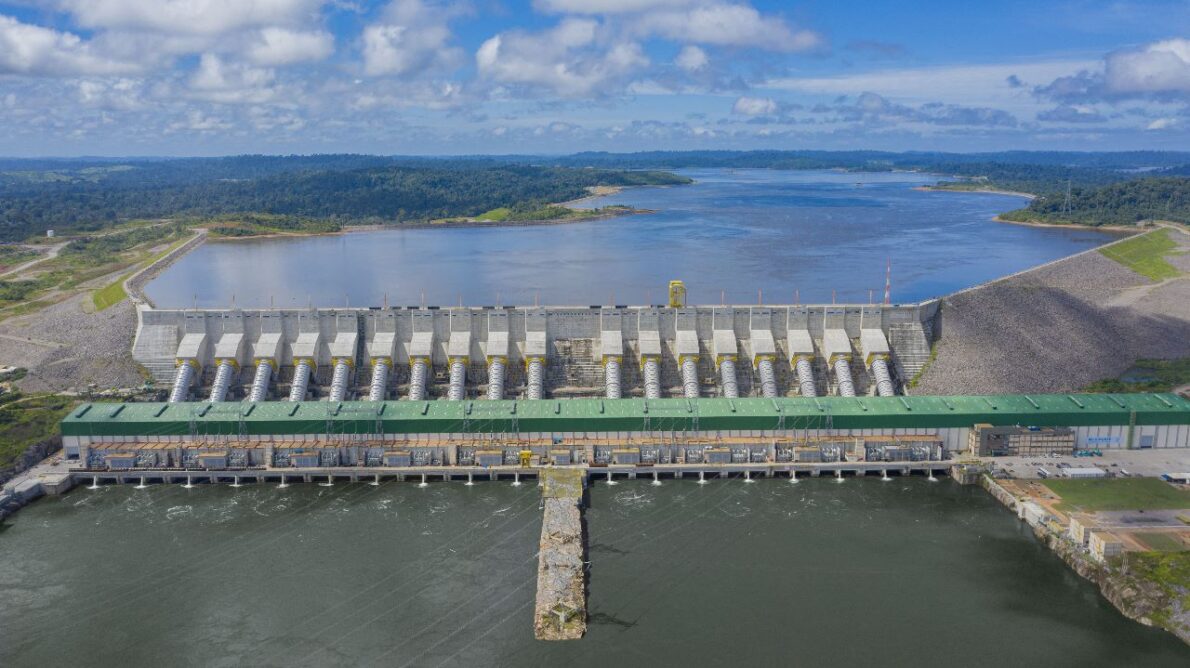
Norte Energia Obtains Gold Seal for GHG Emission Inventory 2023. Emission Indices of the Belo Monte Hydroelectric Power Plant Concessionaire Are Lower Than Other Renewable Sources.
Norte Energia was awarded the Gold Seal for its 2023 Greenhouse Gas (GHG) Emission Inventory. Thus, Norte Energia stood out for the transparency and accuracy of the data presented, which is essential for measuring and managing its emissions.
The emission indices reported by the Belo Monte Hydroelectric Power Plant Concessionaire are lower compared to other renewable energy sources. This demonstrates the company’s commitment to sustainability and reducing environmental impact. This achievement highlights Norte Energia’s environmental responsibility, underscoring its dedication to combating climate change.
Consecutive Recognition for Norte Energia
This is the third consecutive time that Norte Energia, the concessionaire of the Belo Monte Hydroelectric Power Plant, has been recognized with a certificate issued by the Brazilian GHG Protocol Program (PBGHG). The Gold Seal from PBGHG represents the highest level of recognition granted to inventories that are complete and externally verified, reflecting companies’ determination to manage their pollutant gas emissions and contribute to global sustainability.
-
Brazilian scientists are simultaneously advancing two research projects on clean hydrogen and driving solutions that could transform the energy matrix, enhance industrial competitiveness, and accelerate large-scale emission reduction targets.

-
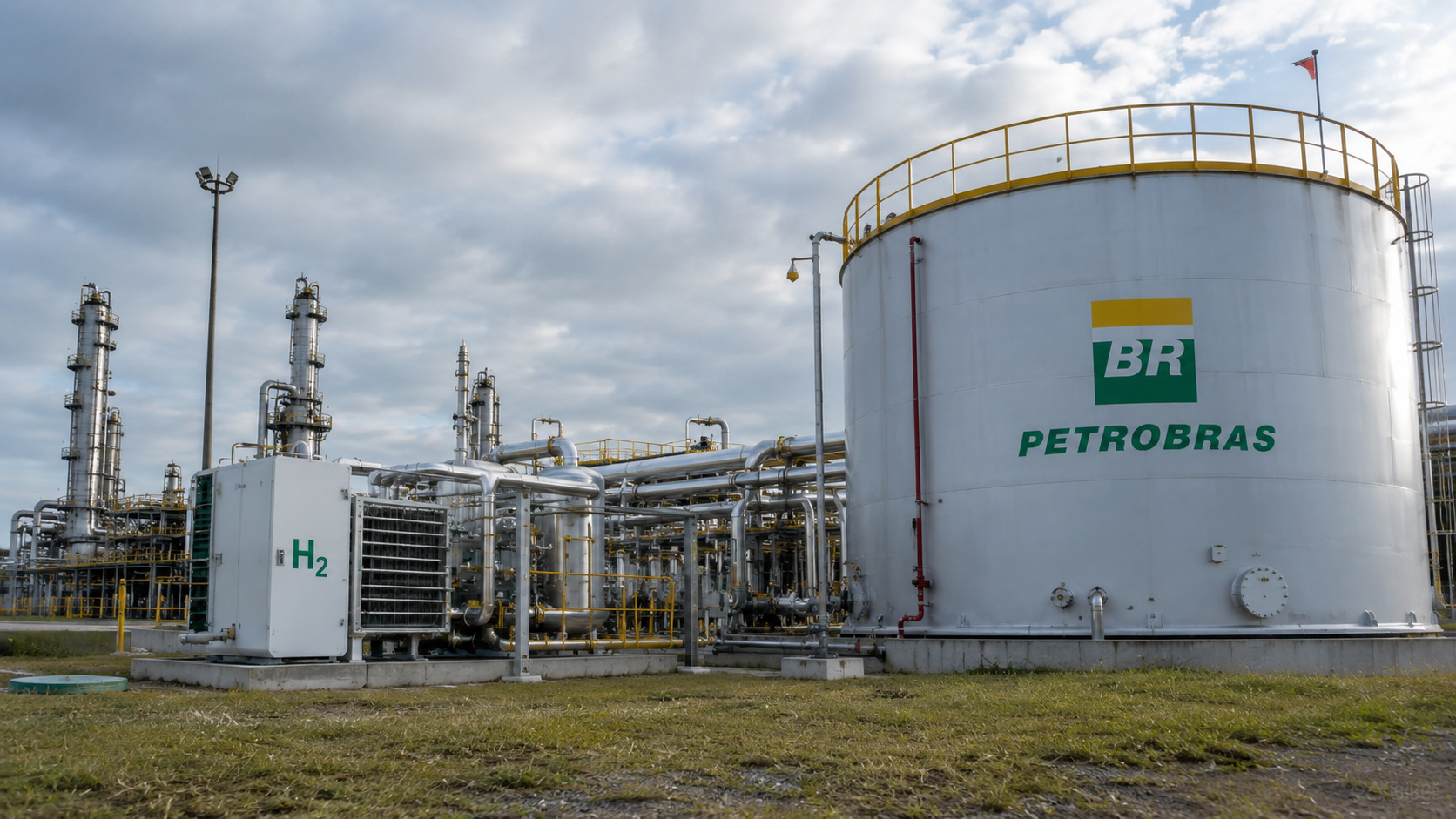
Advancement in renewable energy: A R$ 150 million project launched by Petrobras and Finep aims to create state-of-the-art electrolyzers for green hydrogen, strengthening national research and preparing Brazil to compete in a billion-dollar energy market.
-
Illiterate or semi-literate grandmothers were trained to repair solar systems, open rural workshops, and light up homes that still depended on kerosene.
-
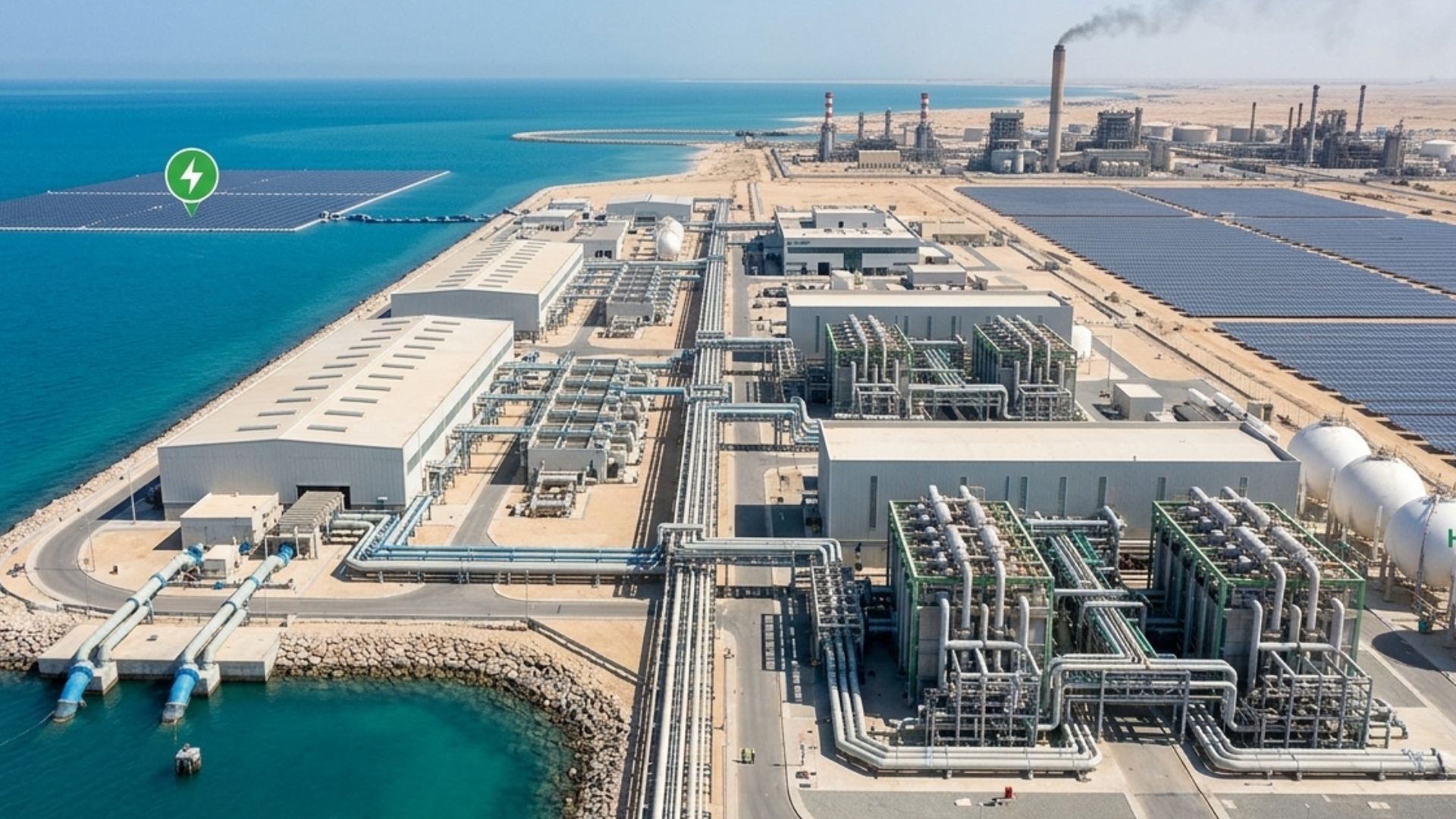
The world has bet on green hydrogen as the fuel of the future, but now faces the side effect: producing 1 kilogram requires about 9 liters of ultrapure water, and the largest projects on the planet are precisely in the driest regions of the Earth, where water is already scarce for people.



Importance of the Gold Seal
The GHG Emission Inventory of Norte Energia reports that emissions from the Belo Monte Hydroelectric Power Plant remain exceptionally low, according to parameters from the Intergovernmental Panel on Climate Change (IPCC), published in 2014, regarding Renewable Energy Sources and Climate Change Mitigation. According to the document, fossil thermals have emissions that far exceed those of hydropower plants. The PBGHG methodology shows that Belo Monte has an emission intensity indicator of 0.358 gCO₂/kWh, a value that is even lower compared to other renewable and nuclear sources.
Comparison with Other Energy Sources
The Ministry of Science, Technology and Innovation (MCTI) highlights that the average factor for electricity generation from sources connected to the National Interconnected System (SIN) is 0.0385 tCO₂e/MWh, while for Belo Monte this factor is only 0.000358 tCO₂e/MWh. This represents an impressive difference of 10,654.19% lower compared to the system average. ‘This is an important reflection of the intense work we do at the company’, points out the president of Norte Energia, Paulo Roberto Pinto.
Significant Emission Reduction
The GHG Emission Inventory of Norte Energia also shows that the company’s efforts resulted in a 48.9% reduction in emissions in scope 1 (those directly resulting from activities under the company’s control) and a 20.4% reduction in scope 2 (related to indirect emissions associated with the company’s electricity consumption) compared to 2022. This demonstrates Norte Energia’s commitment to continually improving its processes, aimed at sustainability and reducing environmental impacts.
Challenges in Scope 3 and New Strategies
However, there was an increase in reported emissions for scope 3 (which includes all direct emissions occurring in the company’s value chain, such as transportation, waste, and business travel), rising from 2.9 tCO₂e in 2022 to 9.8 tCO₂e in 2023. The increase is explained by the strategic decision of Norte Energia to implement improvements in its processes, establishing an ESG Clause to balance environmental, social, and governance aspects, integrating it into all contracts with suppliers from April 2023.
Impact of Emissions at Belo Monte and Pimental Plants
As the concessionaire of the Belo Monte Complex, which includes the Belo Monte and Pimental plants, Norte Energia provides crucial data on emissions generated by these hydroelectric plants. The indicators are obtained by the ratio between the net energy generated and emissions from scopes 1, 2, and 3. In 2023, the company generated 31,317,141.88 MWh of net energy and emitted 11,219.31 tCO₂e, resulting in an emission indicator of 0.000358 tCO₂e/MWh.
About the Brazilian GHG Protocol Program
Conducted by the Sustainability Studies Center of the Getúlio Vargas Foundation (FGVces), the Brazilian GHG Protocol Program is responsible for adapting the GHG Protocol method to the Brazilian context, developing calculation tools for estimates of corporate greenhouse gas (GHG) emissions. Its main goal is to promote the corporate culture of GHG emission inventory in Brazil, providing participants access to instruments and international quality standards for accounting emissions and publishing inventories in the Public Emission Registry.
Training and Capacity Building
The PBGHG also actively works on training member organizations for the preparation of organizational GHG inventories, offering training based on the GHG Protocol method. Thus, Norte Energia, concessionaire of the Belo Monte Hydroelectric Power Plant, remains firmly committed to sustainability and innovation in managing its emissions, ensuring a more balanced future for future generations.
Source: NORTE ENERGIA Press








Be the first to react!