Portuguese
 Spanish


Rabobank study finds that the expansion of corn ethanol plants is transforming Brazil’s market, boosting domestic demand and prices while reducing reliance on grain exports
The growth of corn ethanol is changing the destination of some of Brazil’s agricultural output. A Rabobank study projects that plants will consume about 27 million metric tons of the grain in 2026, strengthening the domestic market and intensifying competition for corn that was previously destined mainly for export.
Corn ethanol gains ground and reshapes Brazil’s market
For years, exports played a key role in absorbing Brazil’s corn surpluses. Now, the expansion of ethanol plants is creating another outlet for a growing share of the harvest.
A Rabobank study by analyst Marcela Marini finds that the biofuels industry is playing an increasingly influential role in the balance of grain supply, demand and prices.
-
Asia accelerates biofuel use with B50 diesel, E20 gasoline, and tax incentives; consumption set to grow 11% in 2026, outpacing 7% global growth

-
Brazil may import 562 million liters of ethanol in early 2027, up 59%, despite being a major producer

-
Cooperalfa invests R$230 million in a biodiesel plant in Chapecó to produce up to 414 million liters annually and create 110 jobs
-
Goiás to Establish R$140 Million Plant to Convert Industrial Waste into Biomethane, Fueling 100 Buses via 25-Kilometer Pipeline



The main difference lies in the pace of consumption. While exports depend on international market conditions, plants need a continuous supply of corn to keep operating year-round.
This creates more predictable demand and gives farmers an alternative way to sell their crops within Brazil.
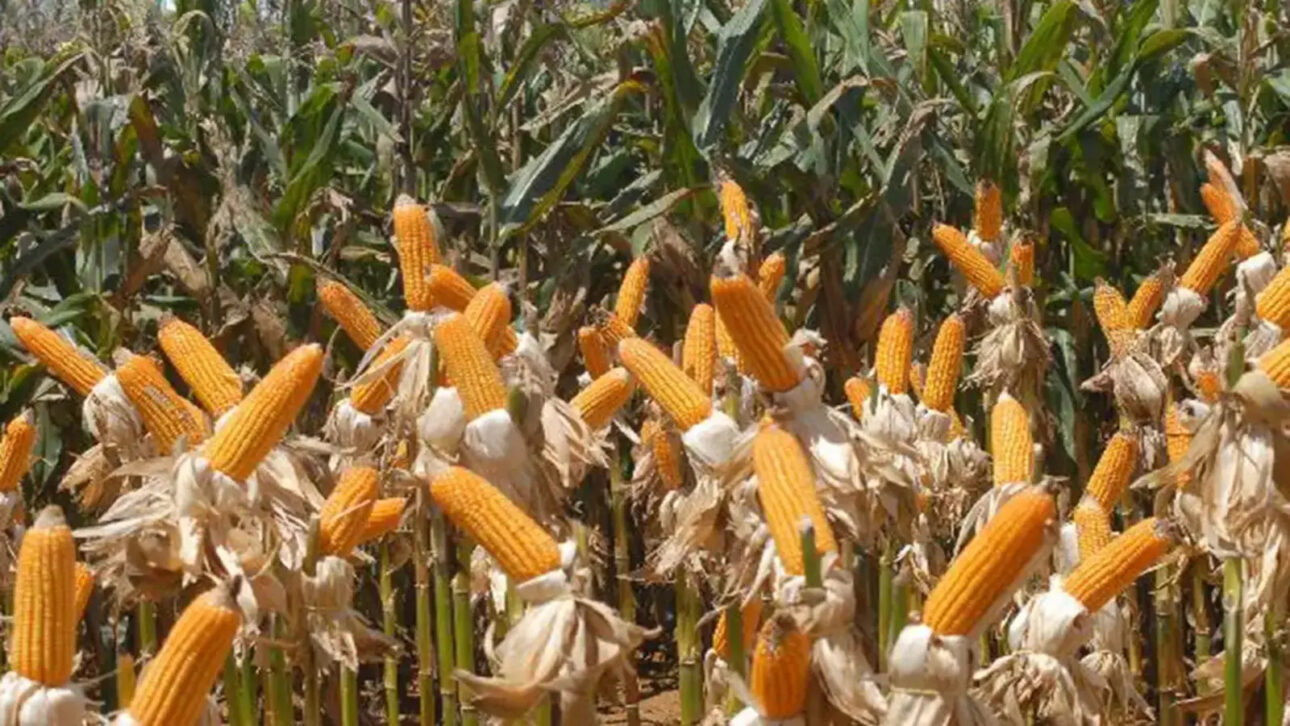
Corn production grows 7.7% a year, with Mato Grosso leading the second crop
The industry’s expansion follows a decade of strong growth in agriculture.
From 2016 to 2025, Brazil’s corn production grew at a compound annual rate of 7.7%, outpacing soybeans, which grew by 5.9%.
Much of that growth came from the second crop, planted after the soybean harvest.
Mato Grosso accounts for about 50% of Brazil’s second-crop corn production and illustrates how the market has changed.
In Sorriso, a municipality in Mato Grosso, corn traded in 2013 at a discount of about US$3.30 per bushel compared with the international benchmark.
A bushel is a unit used in grain trading.
In the following years, that gap narrowed as export infrastructure improved, particularly along the Northern Arc, and ethanol plants increased their purchases.
Plant demand could lift prices and make exports less competitive
Rabobank estimates that rising domestic consumption could bring Brazilian prices closer to export parity, a benchmark used to compare domestic sales with the international market.
During periods of tighter supply, domestic prices could even exceed that level.
For producers, this could mean better marketing conditions. For exporters, however, Brazilian corn could become less competitive internationally.
The institution notes that growth in corn ethanol production does not eliminate the surplus available for export. The change lies in the share of the crop absorbed by Brazil itself.
Plant storage capacity could ease logistics during harvest
Another effect of the expansion is the storage capacity of industrial facilities.
With their own facilities to receive and store the grain, ethanol plants can ease some of the pressure on transportation and distribution during the second-crop harvest.
Rabobank also points to potential profitability gains for farmers, as corn makes a greater contribution to annual revenue per hectare.
This outlook could encourage investment in agricultural technology and productivity.
According to the institution, the continuation of this transformation will depend on Brazilian producers’ ability to keep pace with the growth of the biofuels industry.
With information from Folha de Curitiba.