





 Portuguese
  English
  Spanish
  4 min of reading
  0 comments


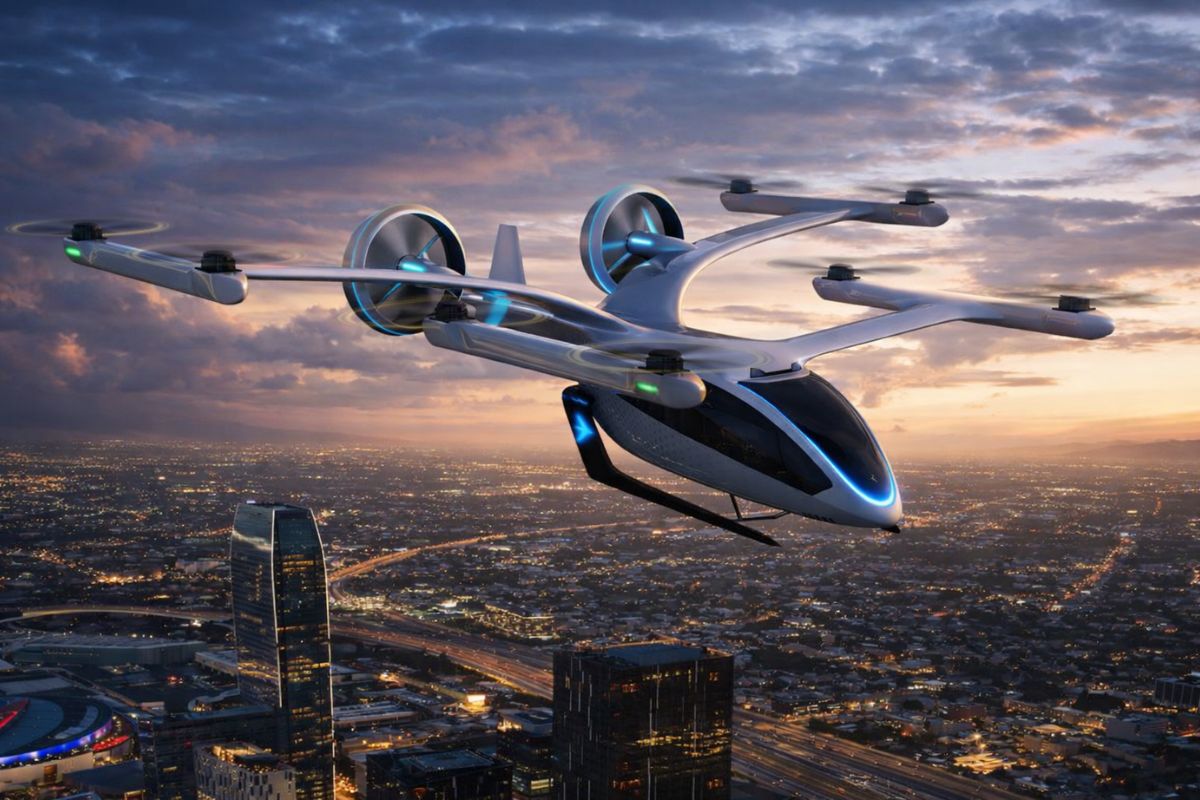
With Eve, Embraer’s Subsidiary, The Agreement with AirX Foresees Two Initial Deliveries, Reservations for Up to 50 eVTOLs, and Future Operation in Tokyo and Osaka Starting in 2029, Signaling Strategic Entry into Asia-Pacific and Immediate Impact on Investor Risk Perception.
Embraer has entered a symbolic phase of urban air mobility by confirming, through Eve Air Mobility, the first sale of eVTOL to Japan. The contract with AirX, the largest helicopter charter company in the country, starts small in initial volume but large in commercial and technological significance.
With delivery expected for 2029, the operation was designed for Tokyo and Osaka, on last-mile routes and for tourist uses. The design includes two aircraft at the start and an option to purchase up to 50 additional units, a combination that helps gauge real demand without losing strategic speed.
What Was Signed and Why Japan Matters So Much

The agreement involves Eve Air Mobility, a subsidiary of Embraer, and AirX, an already established operator in local air transportation. Those signing, in this case, are not just purchasing aircraft: they are adopting a new operational model in one of the world’s most demanding regulatory environments for aviation.
-
The government is considering a temporary subsidy for cooking gas following the spike in oil prices due to the war in Iran and warns about the impact of 20% of imports on the prices paid by families.

-
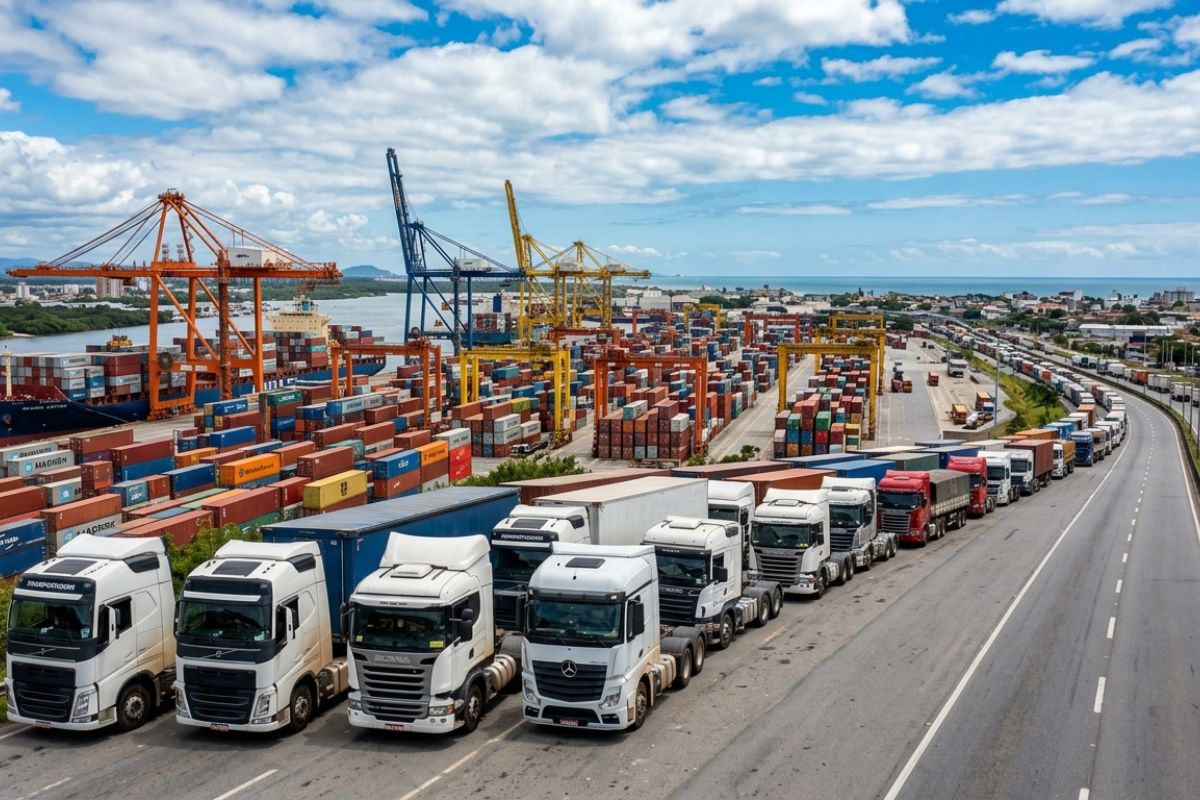
The lack of truck drivers in the country is already halting shipments and threatening deadlines: 88% of transport companies are unable to hire, with an average of eight trucks idle, and the port complex of Itajaí is now feeling the impact.
-
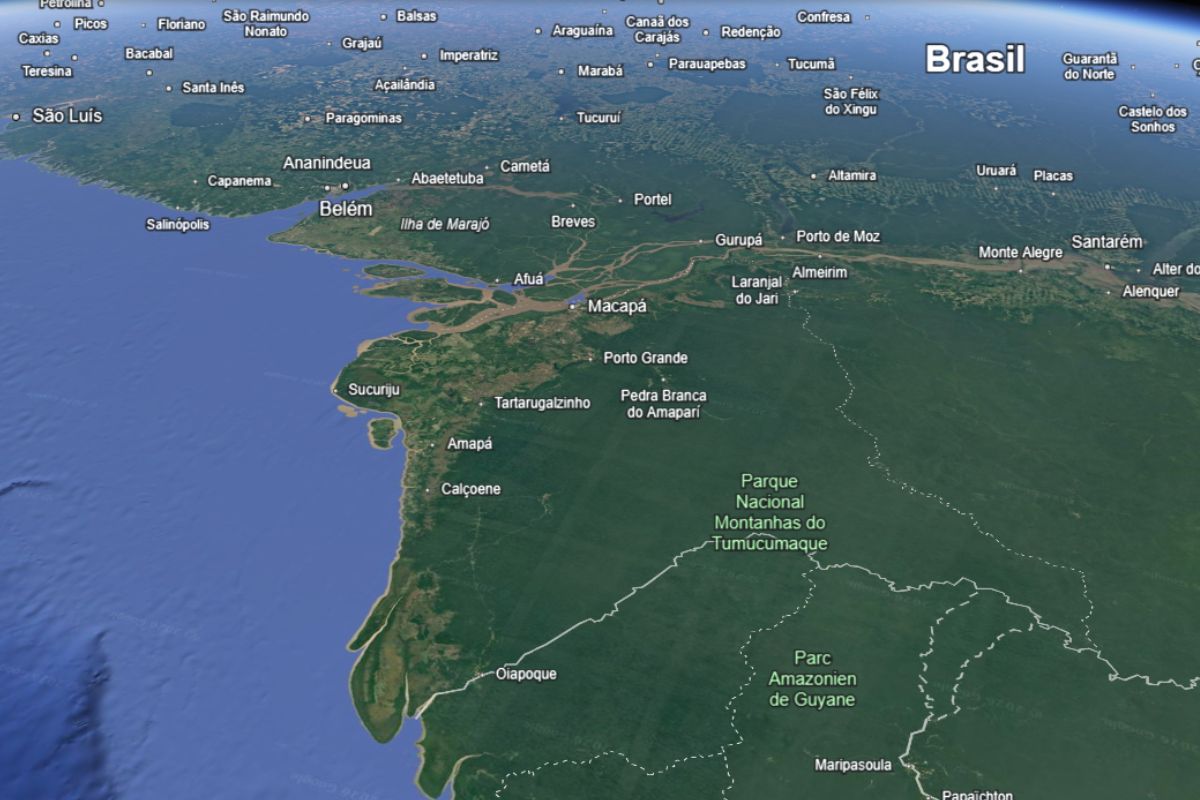
Petrobras is about to transform a forgotten city in the far north of Brazil into the capital of oil: Oiapoque is already feeling the effects even before the first drop of oil comes out from the seabed.
-
The Economist says that Brazil has a secret weapon in the oil war during this crisis: ethanol, biodiesel, and flex-fuel vehicles. With Petrobras holding costs, fuel prices are rising 10% to 20% here, compared to 30% to 40% in the USA.


This point changes the reading of the announcement. In markets with high technical demands, the adoption decision tends to function as a credibility filter. When Japan puts a solution on its operational radar, the message for the global sector is one of validation, not just technological curiosity.
How Many Aircraft Are at Stake and What This Volume Really Indicates
The contract starts with two units, with the option for up to 50 additional aircraft. In terms of strategy, this format avoids two extremes: neither minimum commitment without scale nor immediate expansion without a learning curve. It is a calculated risk architecture, common in projects that combine innovation, regulation, and urban infrastructure.
In practice, the optional volume suggests progressive confidence. If the operation, safety, efficiency, and service acceptance indicators advance as expected, the expansion can happen in stages. The potential number draws attention because it opens space for continuity, not because it guarantees, by itself, automatic total execution.
Tokyo, Osaka, and the Logic of Last-Mile Air Travel
The operational proposal for Tokyo and Osaka focuses on the “last mile,” a concept applied when the final displacement concentrates time and cost bottlenecks.
In this design, Eve’s eVTOLs, linked to Embraer, are intended to complement or replace part of the current use of helicopters on specific routes. The goal is to reduce displacement friction in high-density areas.
There is also a tourism front that expands the usage windows beyond strictly functional displacement. This point is important because it increases the commercial versatility of the aircraft at the start of the operation. The more uses compatible with the same platform, the greater the chance of project sustainability in the deployment cycle.
Reaction from B3 and What Investors Have Started to Price In
After the announcement, Embraer‘s shares on B3 reacted positively and halted the previous downward trend.
The market had been sensitive since July 2025, when the shares debuted at R$ 39 and underwent significant depreciation. In this context, the news served as a short-term narrative change.
But the financial reading is not limited to the immediate effect. Investors usually differentiate “headline event” from “execution event.”
What gave traction to the announcement was the combination of an established client, a demanding market, and a defined operational plan, even though the commercial delivery is projected for 2029.
What Still Needs to Happen Before 2029
Before delivery, there is a path that includes certifications, operational integration, fine-tuning of routes, and coordination between public and private actors.
For Eve and, indirectly, for Embraer, the challenge is to transform initial commercial validation into a robust operational routine. The distance between contract and scale depends on continuous technical discipline.
The confidence of the end user also weighs in. Even with regulatory advances and service design, the adoption of urban air mobility depends on the perception of safety, convenience, and predictability. Without a consistent passenger experience, there is no sustainable expansion, even when market interest is high.
The movement of Embraer in Japan brings together elements that rarely appear together at the outset: a relevant client, a rigorous market, a concrete usage plan, and a growth option at scale.
At the same time, the very structure of the contract shows prudence: it starts with two units, tests real operation, and preserves space for expansion up to 50 aircraft.
In your view, does the entry into Tokyo and Osaka indicate that urban air mobility has become a business of execution, or is it still in the phase of controlled experimentation? And, thinking about Brazil, in which cities would a “last-mile air” model make the most practical sense?








-

Uma pessoa reagiu a isso.