





 Portuguese
  English
  Spanish
  2 min of reading
  0 comments


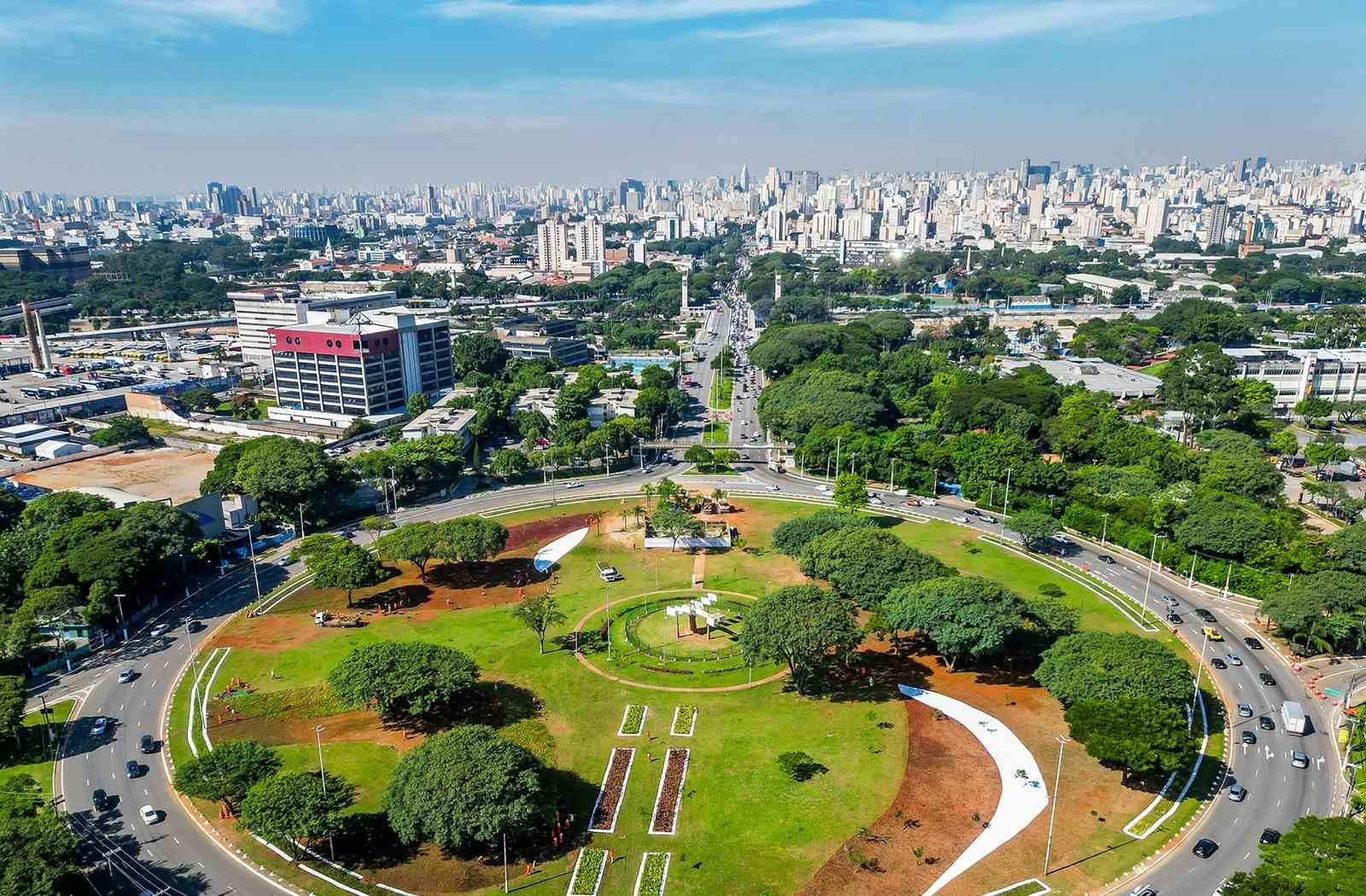
A survey based on the 2022 IBGE census shows which are the five most populous neighborhoods in São Paulo, revealing areas that concentrate hundreds of thousands of residents and face great urban challenges
São Paulo is by far the largest city in Brazil, comprising more than 470 neighborhoods and 12 million inhabitants distributed across different regions.
To organize this vast territory, the capital is divided into almost 100 districts, managed by sub-prefectures.
This structure helps to understand how residents live and which areas require more attention.
-
(Video): Italian pilot lands plane on moving train at 120 km/h and achieves unprecedented feat in aviation, even with a narrow runway and without direct visual contact.

-
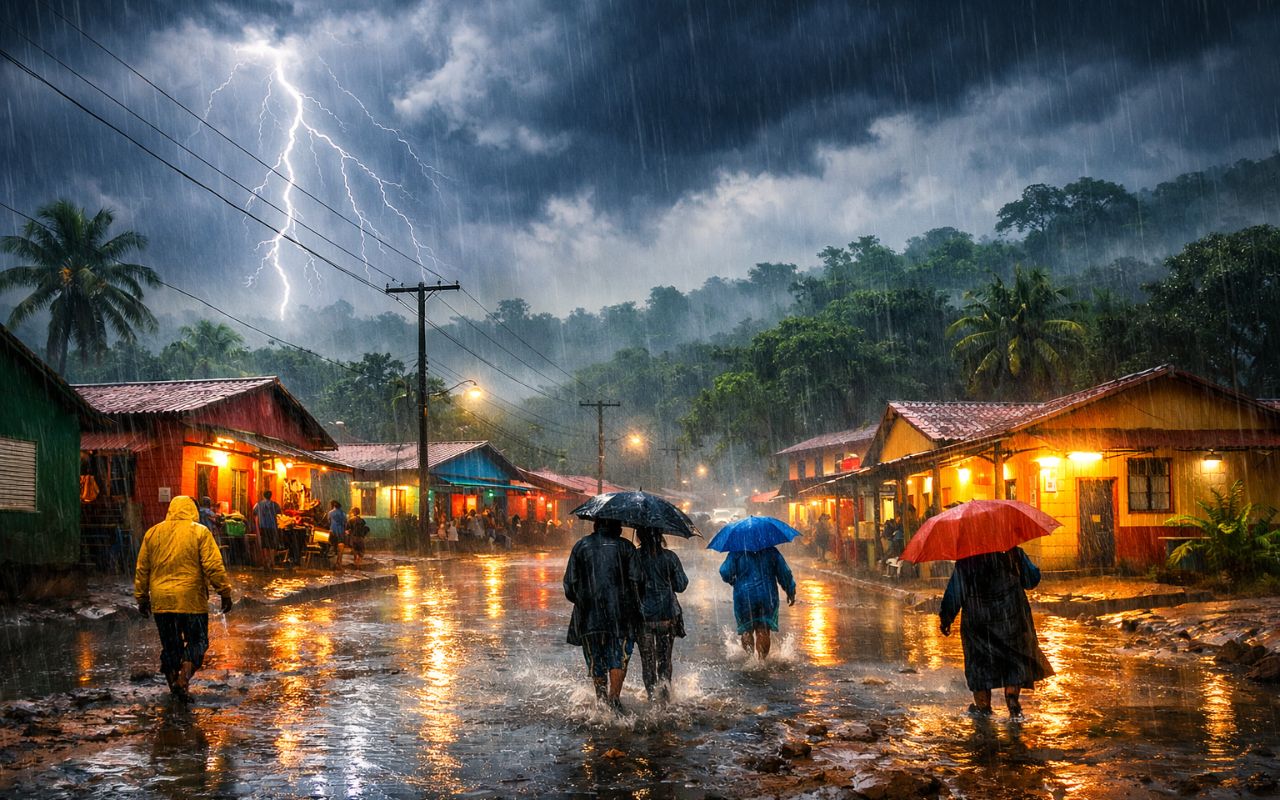
It seems to have come out of a science fiction movie: A Brazilian city where it rains almost every day, recording over 4,000 mm per year, driven by climatic factors — a direct result of its strategic location in the Amazon.
-
The water crisis that could change everything this year has already begun; it’s not just about the climate, it affects technology, raises product prices, and can halt entire companies without warning.

-
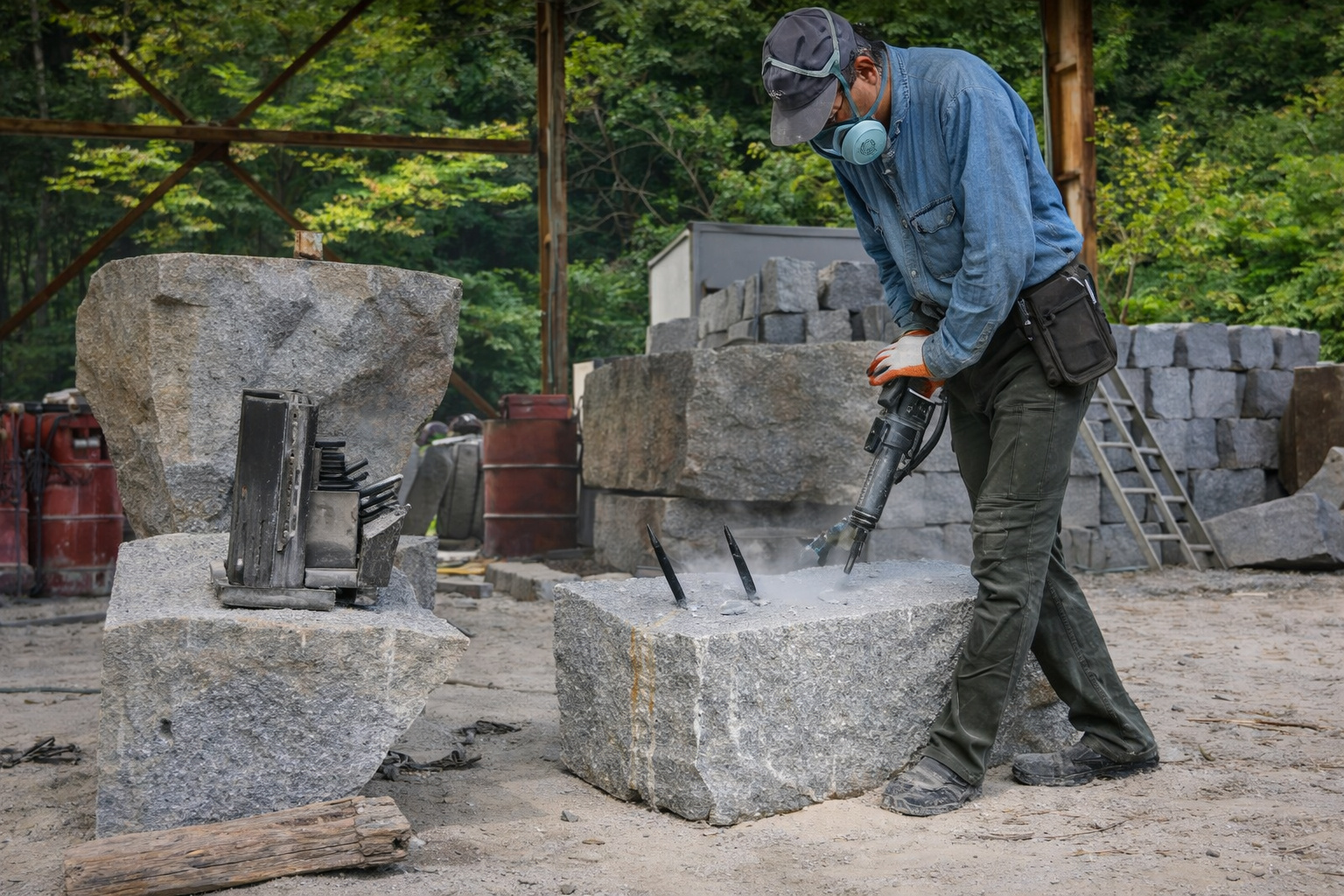
A Japanese mason transforms raw granite into small cups and handcrafted utensils, collects giant stones, cuts with precision, and impresses with detailed manufacturing and finishing.
Based on the data from the 2022 IBGE census, it is possible to identify the five largest neighborhoods in São Paulo in terms of population and area.
Grajaú Leads the List in the South Zone
With 384,000 inhabitants, Grajaú appears as the most populous district in the South Zone and the entire capital.
Located around the Billings Reservoir, the neighborhood encompasses a series of communities that form one of the main residential hubs in the city.
Its population surpasses that of many Brazilian cities, reinforcing the importance of this region in the urban dynamics of São Paulo.
Jardim Ângela Faces Structural Challenges
Jardim Ângela occupies the second position, totaling 311,000 residents. Situated to the north of the Guarapiranga Reservoir, the district is distinguished by its high population density.
Despite its size, it still faces challenges related to transportation, healthcare, and education. Nevertheless, it remains one of the most representative neighborhoods in the South Zone.
Capão Redondo Brings Together Different Communities
Capão Redondo ranks third, with 270,000 inhabitants. The region borders Jardim Ângela and includes neighborhoods such as Jardim Amália, Jardim Dom José, Jardim das Rosas, and Vila Santa Terezinha.
The district forms a set of residential areas that contribute to the strong population density of the South Zone.
Sapopemba Concentrates the Largest Avenue in the City
In fourth place, Sapopemba has 266,715 inhabitants.
Located in the East Zone, the district hosts Sapopemba Avenue, which is 45 km long and cuts through seven districts of the capital. This feature reinforces the strategic role of the region in mobility and urban occupation on the eastern side of São Paulo.
Cidade Tiradentes Closes the Ranking
With 194,000 residents, Cidade Tiradentes appears in fifth place. The district, also in the East Zone, is one of the best-known in the area due to its large population concentration.
The territorial size is accompanied by infrastructure challenges and access to essential services, factors that mark the daily lives of the inhabitants.






-

-

-

6 pessoas reagiram a isso.