Portuguese
 Spanish


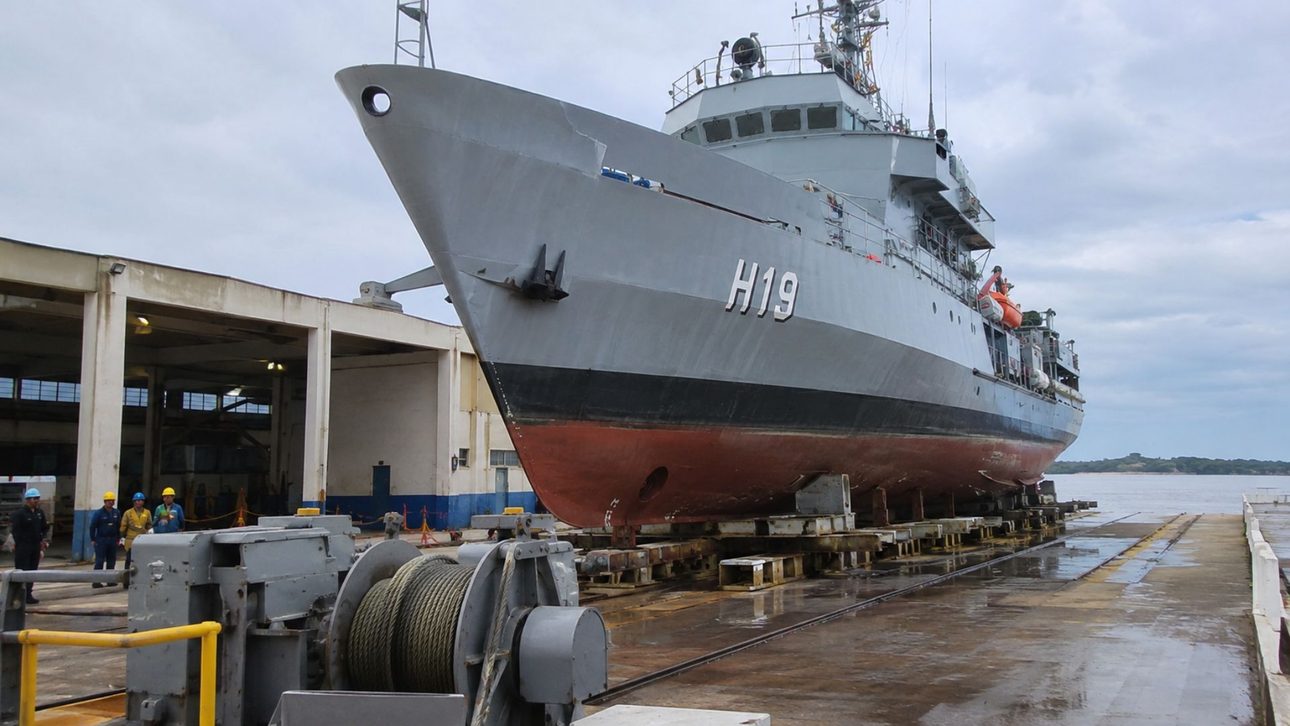

The state-owned company is seeking technical and commercial information on upgrades to naval infrastructure, including civil works, installation of hauling equipment, and operational testing. The initiative follows the inauguration of a new ramp for maintaining Brazilian Navy vessels.
Brazilian state-owned naval projects company EMGEPRON has opened a market consultation to assess engineering solutions to expand the docking capacity of the Naval Station of Rio Grande, in the state of Rio Grande do Sul.
The initiative is part of Public Consultation No. 004/2026, published in Brazil’s Federal Official Gazette on the 12th of this month. The notice is reproduced in full by the Jurídico em Pauta website.
-
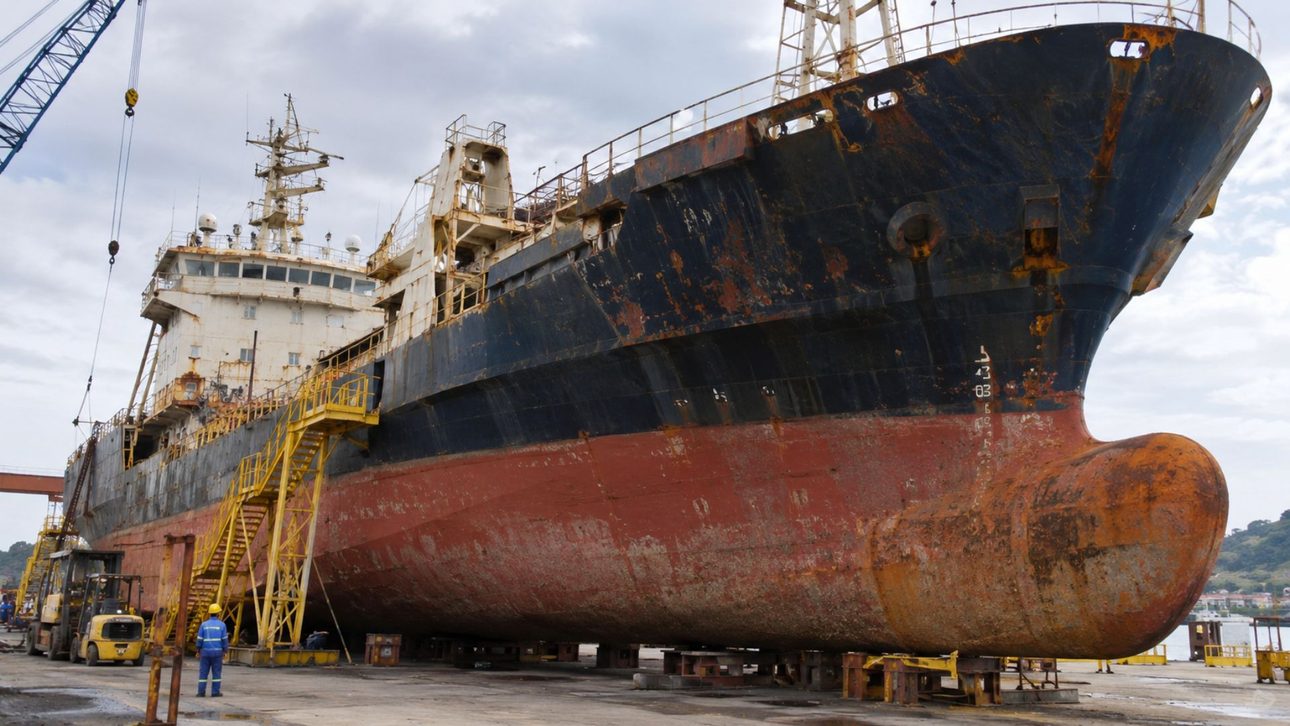
Foreign vessels operating in Brazilian waters may have to maintain hazardous-material inventories as bill advances, setting rules for shipyards dismantling vessels and offshore platforms

-
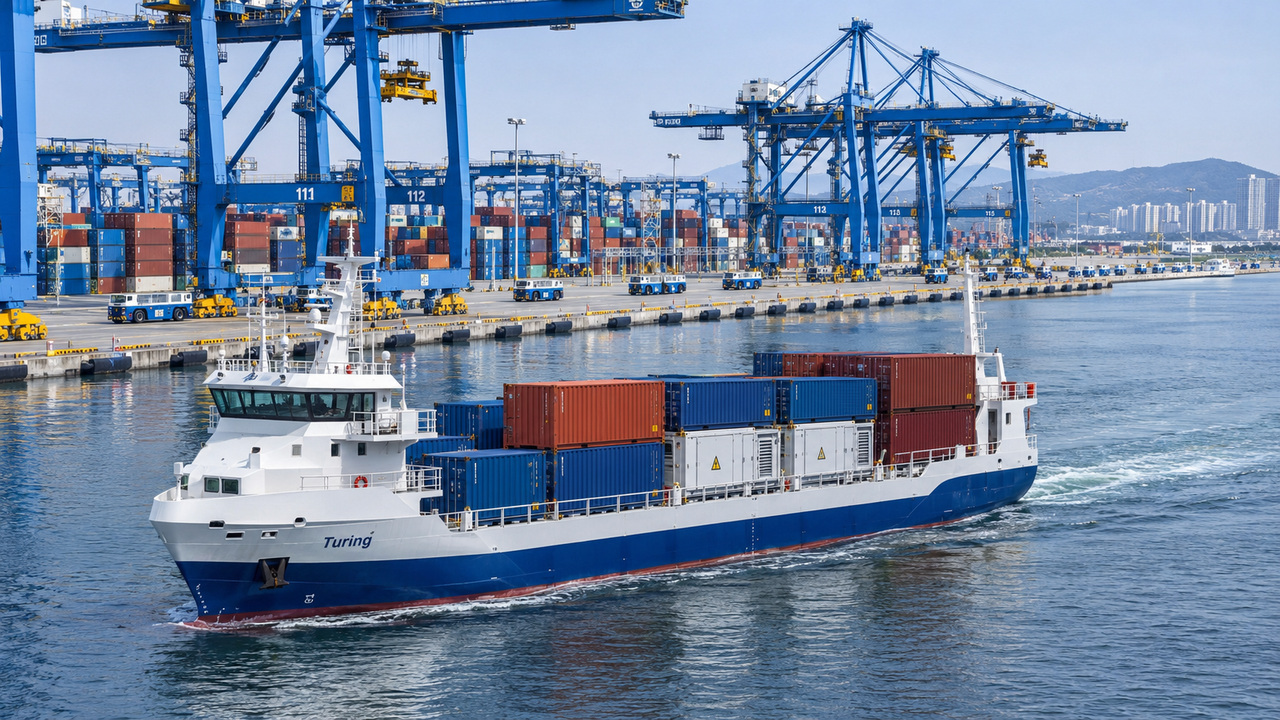
With batteries housed in containers and commands sent from shore, nearly 72-meter electric ship wins approval to test coastal cargo service carrying up to 206 TEUs in China

-
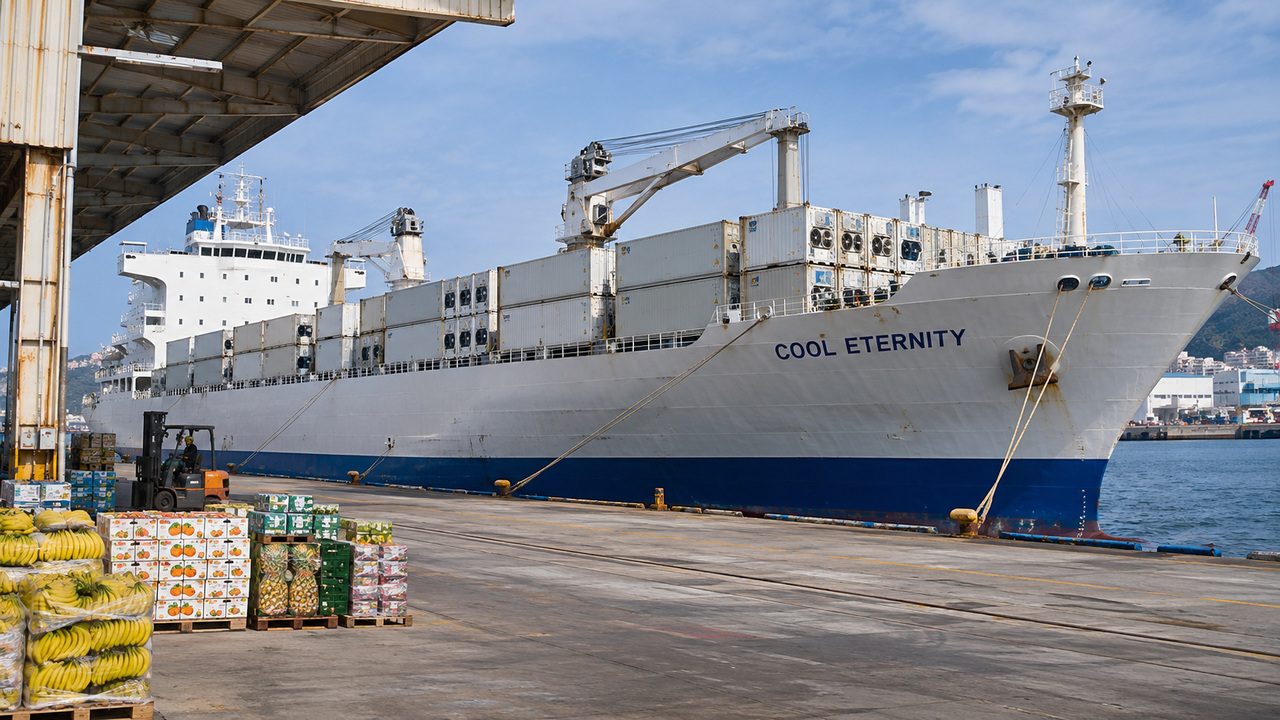
To carry bananas and other fruit across oceans, nearly 190-meter ship launched in Japan gets five refrigerated holds and room for about 300 containers on deck
-
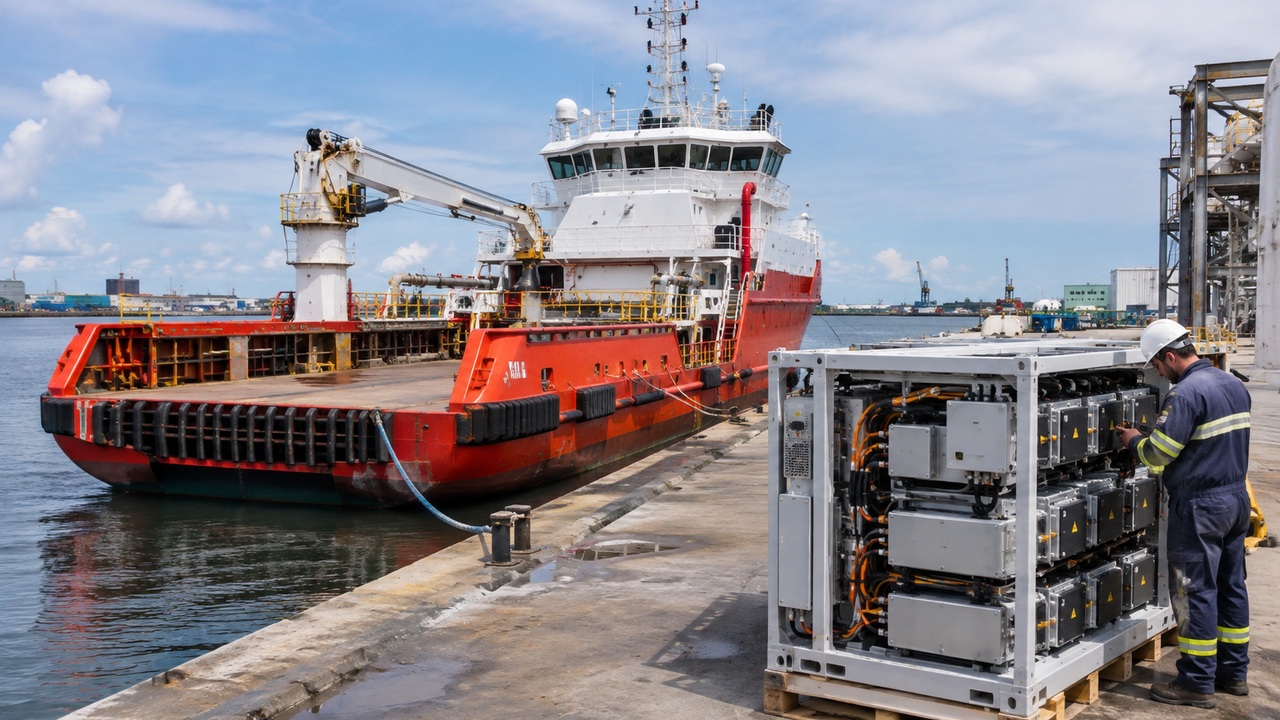
Two Diesel Tanks Become Battery Rooms on Refitted U.S. Support Vessel, Adding 11 MWh of Storage and an Estimated Electric Range of 926 Kilometers
The document sets the current operational capacity at 700 metric tons of displacement and seeks alternatives that would allow vessels of up to 2,000 metric tons to be hauled out of the water and returned to sea.
The difference between the two limits is 1,300 metric tons, representing an approximately 186% increase in docking capacity.
Even if that limit is reached, the vessels the station can service will depend on whether their dimensions and characteristics are compatible with the station’s operating conditions.
Expanding docking capacity requires construction and equipment
The solution under consideration spans several areas of engineering, from the studies needed to size the system to the civil and electrical work required to move vessels.
The planned equipment includes a winch-based hauling system, which will provide the force needed to move ships during docking operations.
In an installation of this kind, the forces generated when a vessel is hauled out of the water must be absorbed by both the hauling equipment and the structures supporting the entire system.
Winch sizing depends on more than a vessel’s weight. Factors such as the slope of the route, friction, and the support system also affect the force required to carry out the maneuver.
As the hull leaves the water, the buoyant force supporting the vessel decreases, progressively transferring its weight to the supports used during docking.
The consultation also covers testing, commissioning, and training for the naval station’s staff, as well as initial preventive maintenance, assisted operation, and technical support after installation.
During commissioning, installed components are checked to assess their individual and integrated performance before the system begins regular operation.
Naval Station of Rio Grande inaugurated ramp in 2025
An issue of Mar do Sul, a magazine published by Brazil’s 5th Naval District Command, reports that the Naval Station of Rio Grande inaugurated a new docking ramp in 2025, with a stated capacity to maintain vessels of up to 2,000 metric tons.
The navigation buoy tender Betelgeuse was the first vessel docked after the structure was built, in July that year. It was followed by the hydrographic and oceanographic buoy tender Comandante Varella.
After completing scheduled maintenance, both vessels returned to the water in early April this year.
Although the Navy’s publication refers to a ramp capable of handling vessels of up to 2,000 tons, EMGEPRON’s request for information sets an operational limit of 700 tons for docking.
The state-owned company’s notice does not explain the difference between the ramp’s advertised capacity and the operational limit stated in the request.
What it means to dry-dock a 2,000-ton vessel
In naval engineering, a vessel’s displacement is the mass of water it displaces while afloat, which is equal to the vessel’s own mass in that condition.
This means the 2,000-ton limit mentioned by EMGEPRON does not refer to the amount of cargo a ship can carry. Instead, it accounts for the vessel’s hull, machinery, equipment, fuel, and other items on board.
During docking, removing a vessel from the water provides access to components that remain submerged while it is underway, such as propellers, rudders, and the outer parts of the hull.
With these areas exposed, crews can conduct inspections, make structural repairs, replace components, and apply corrosion protection.
EMGEPRON request for information seeks proposals in December
The procedure used by the state-owned company is known by the acronym RFQ, short for Request for Quotation, a process used to solicit quotes and information from potential suppliers.
The technical and commercial information received may inform an assessment of engineering alternatives and the terms available in the market for a potential contract.
The notice states that the request is nonbinding, meaning that receiving quotes does not require the company to hire a supplier or determine when work could begin.
Interested parties may submit questions until 5 p.m. on December 1, 2026, while the deadline for submitting technical and commercial proposals is December 9.
EMGEPRON lists licitacao@emgepron.gov.br as the email address for submitting proposals and questions.