Portuguese
 Spanish


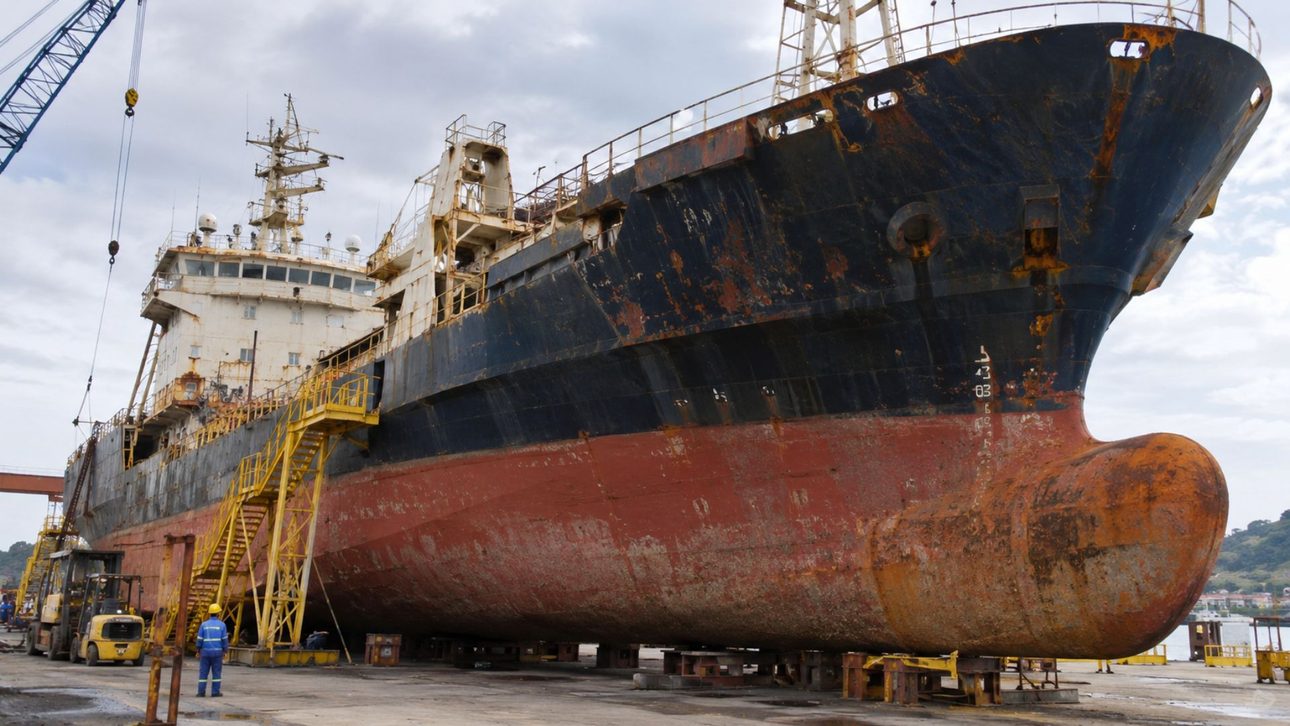

A bill approved by a House committee sets certification, inspection and environmental licensing procedures for ship recycling. It also calls for existing vessels to be adapted and adopts international safety standards for industrial dismantling activities.
The Chamber of Deputies’ Constitution, Justice and Citizenship Committee (CCJ) approved a bill on Tuesday (24) that expands oversight of potentially hazardous materials aboard vessels operating in Brazilian waters.
The measure covers foreign vessels and is part of a proposal to regulate ship recycling, an activity involving the recovery of reusable components and materials, as well as the disposal of waste that can harm human health and the environment.
-
With batteries housed in containers and commands sent from shore, nearly 72-meter electric ship wins approval to test coastal cargo service carrying up to 206 TEUs in China

-
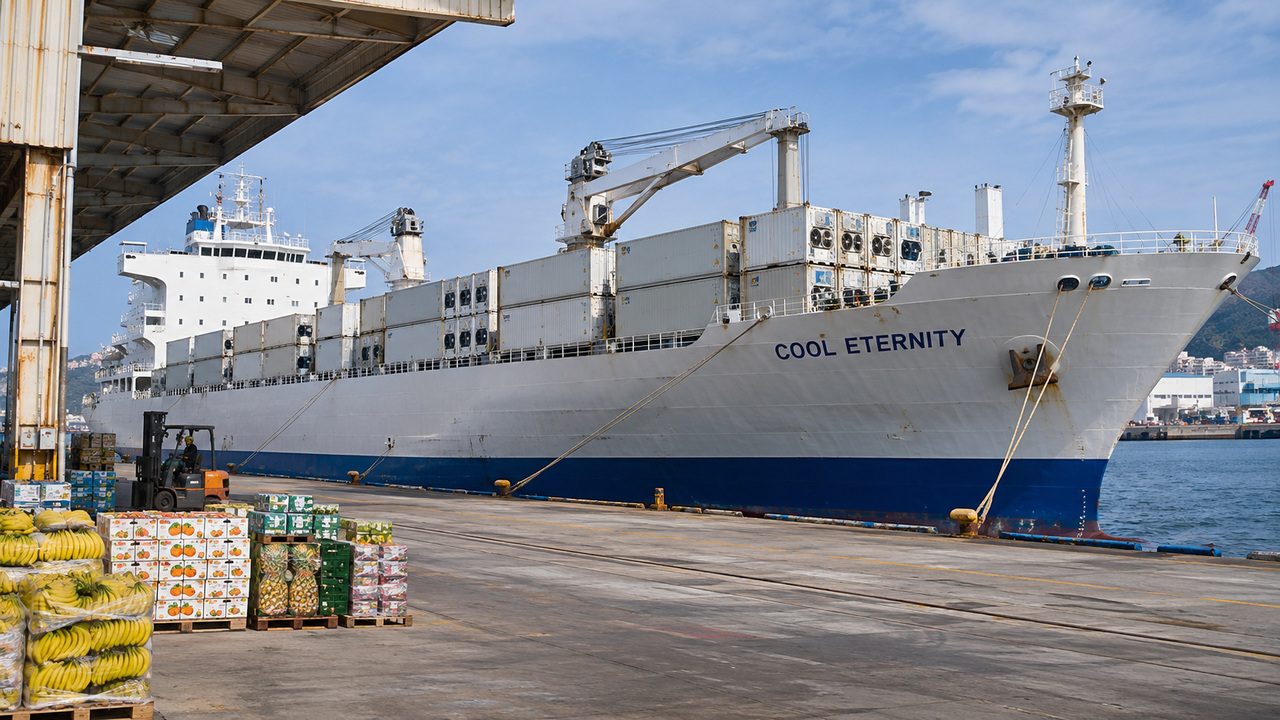
To carry bananas and other fruit across oceans, nearly 190-meter ship launched in Japan gets five refrigerated holds and room for about 300 containers on deck
-
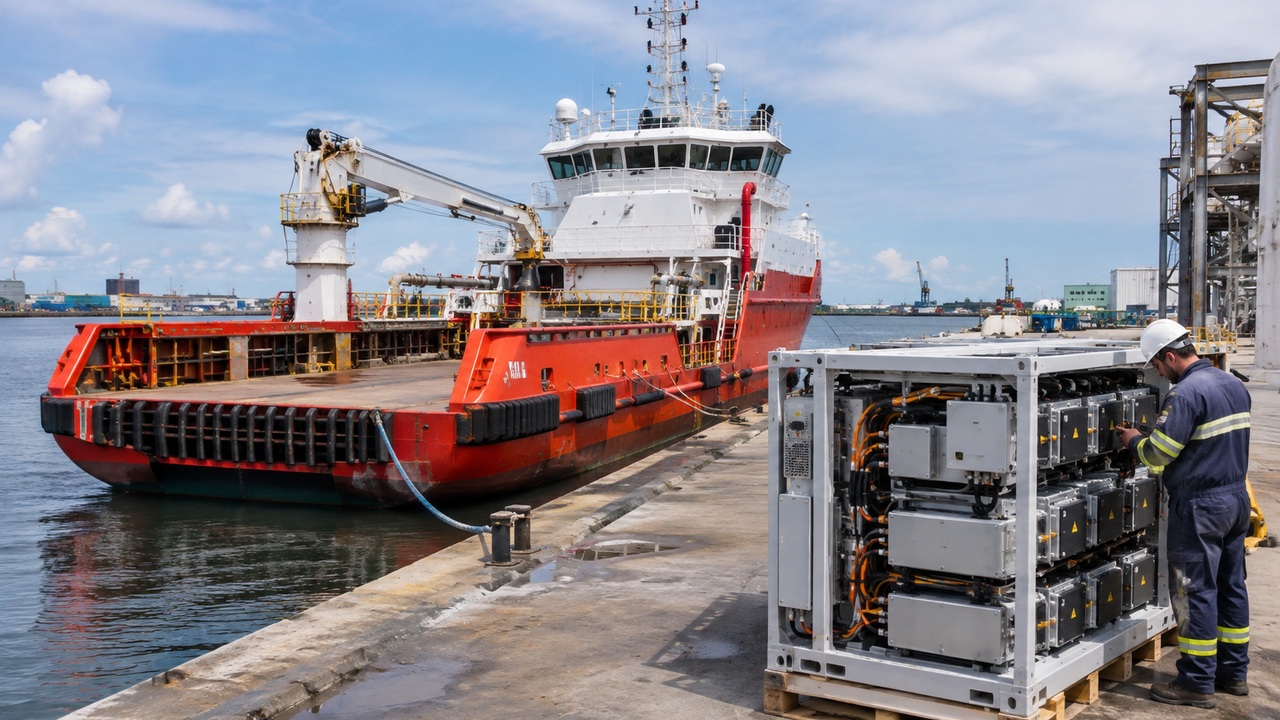
Two Diesel Tanks Become Battery Rooms on Refitted U.S. Support Vessel, Adding 11 MWh of Storage and an Estimated Electric Range of 926 Kilometers
-
20-year-old cruise ship swaps nightclub for gym, turns cabins into 63 luxury suites, and returns to Santos after nearly two months of work in Malta


According to information released Wednesday (25) by Chamber News Agency, the bill provides for a transition period during which existing vessels can be brought into compliance with the requirements.
Authored by Representative Coronel Armando (PP-SC), Bill 1,584/2021 sets out obligations for vessel owners and companies responsible for dismantling ships and offshore structures at the end of their useful lives.
The requirement to identify hazardous materials would apply to foreign vessels even when they were not slated for dismantling in Brazil.
Hazardous-material inventory would have to accompany vessels
Under the substitute bill drafted by the Transportation and Communications Committee, which served as the basis for approval by the CCJ, the inventory would identify substances in the structures and equipment of new vessels, specifying their locations and approximate quantities.
A separate document would be required for each vessel, and it would need approval from the maritime authority or an authorized specialist organization.
Under the proposed rules, the inventory would have to be kept up to date throughout the vessel’s operational life, incorporating significant changes resulting from overhauls, equipment replacements and structural modifications involving potentially hazardous materials.
A shipyard receiving a vessel built decades ago could use this information to identify components requiring special handling, without relying solely on the vessel’s original records.
For existing vessels, a regulation would govern the process of bringing them into compliance, including visual inspections or sampling to identify materials in the structures and equipment installed aboard.
The bill also provides for inspections to verify that the inventory is accurate, including after significant modifications to a vessel that could change the information recorded in the document.
Shipyards would face rules for dismantling vessels and platforms
The regulations cover different stages of ship recycling, from the vessel’s preparation by the responsible party to work at industrial facilities tasked with removing equipment and dismantling structures.
Before work begins, the shipyard operator would have to prepare a vessel-specific recycling plan, taking into account the vessel’s characteristics and information provided by the responsible party, including details recorded in the inventory of potentially hazardous materials.
The plan must address safety conditions for industrial work involving heat sources, such as cutting metal structures, as well as procedures for managing and storing waste generated during dismantling.
The proposal also allows the shipyard to reject a vessel before accepting it if it finds significant discrepancies between the vessel’s actual condition and the information recorded in the inventory certificate. In that case, the party responsible for the ship will remain liable for it.
Facilities used for the activity will be subject to environmental licensing requirements, in addition to applicable Brazilian rules on occupational safety and pollution control.
Each vessel’s recycling plan will also require approval from the competent environmental agency, in accordance with the requirements established in the shipyard’s license.
In the offshore industry, dismantling is associated with decommissioning, the process of taking structures used in oil and natural gas exploration and production out of service.
When these structures are sent for dismantling, some components can return to the supply chain through reuse, refurbishment or materials recycling.
Bill follows international standards for ship recycling
The version approved by the Committee on Constitution, Justice and Citizenship (CCJ) was amended by its rapporteur, Representative Ana Paula Lima (Workers’ Party, Santa Catarina), who recommended removing provisions on economic incentives and the creation of financing mechanisms.
In the lawmaker’s view, those measures are already supported by Brazilian law, making their inclusion in the ship recycling proposal unnecessary.
The bill draws on the Hong Kong International Convention for the Safe and Environmentally Sound Recycling of Ships, which entered into force internationally in 2025.
The agreement sets standards aimed at reducing environmental and occupational risks associated with vessel dismantling, while also taking into account substances used during construction and operation.
Introduced in 2021, the bill must still complete its passage through the National Congress before the proposed obligations can be incorporated into Brazilian law.
Because the bill is being considered under a committee-based procedure, it may proceed directly to the Federal Senate unless an appeal is filed to bring it to a vote on the floor of the Chamber of Deputies.