





 Portuguese
  English
  Spanish
  3 min of reading


The Diesel Balance: The Weight of Replacing Taxes in the Brazilian Economy
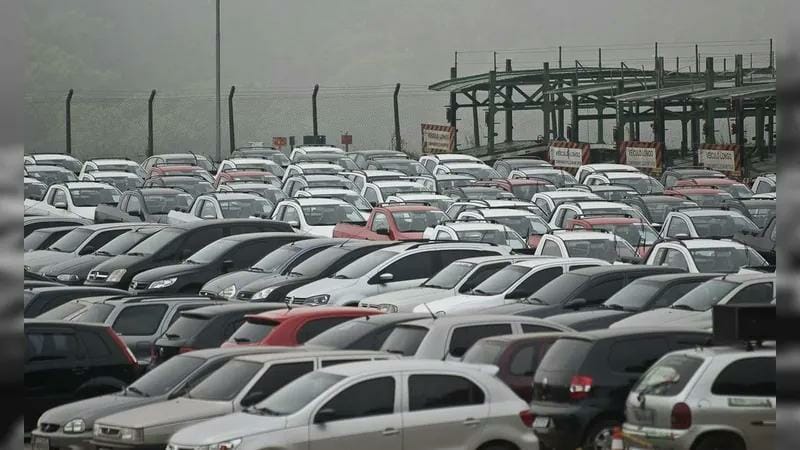
A new alternative to finance the program to stimulate the sales of popular cars is being considered by the government: the anticipation of the return of federal taxes on diesel. If this proposal is accepted, the reimposition of diesel taxes will take place in two phases, one in September of this year and the other in January 2024. Although seen as a financial solution, experts point to a possible inflationary impact, affecting consumers’ pockets.
The Return of Taxes: Anticipated Effects
The Provisional Measure (MP) suggesting the reimposition of diesel is ready to be evaluated by Congress. The proposal aims not only to compensate for the reduction in revenue but also considers linking the car discount policy to a “green package” from the Ministry of Finance. This package is a set of initiatives aimed at energy transition, a strategy that may reduce environmentalists’ criticism of the popular vehicle program.
In the original measure from the Ministry of Development, Industry and Trade (MDIC), the intention was to reduce the cost of cars priced up to R$ 120 thousand produced in the country. Now, with the new MP, the cuts in PIS, Cofins, IPI, and IOF will be replaced by tax credit for automotive companies. This means that instead of a discount of 1.5% to 10.96% on the value of the vehicle via tax reduction, bonuses of R$ 2 to R$ 8 thousand will be offered. This amount will be applied to the consumer’s invoice and compensated by automakers in tax collection.
-
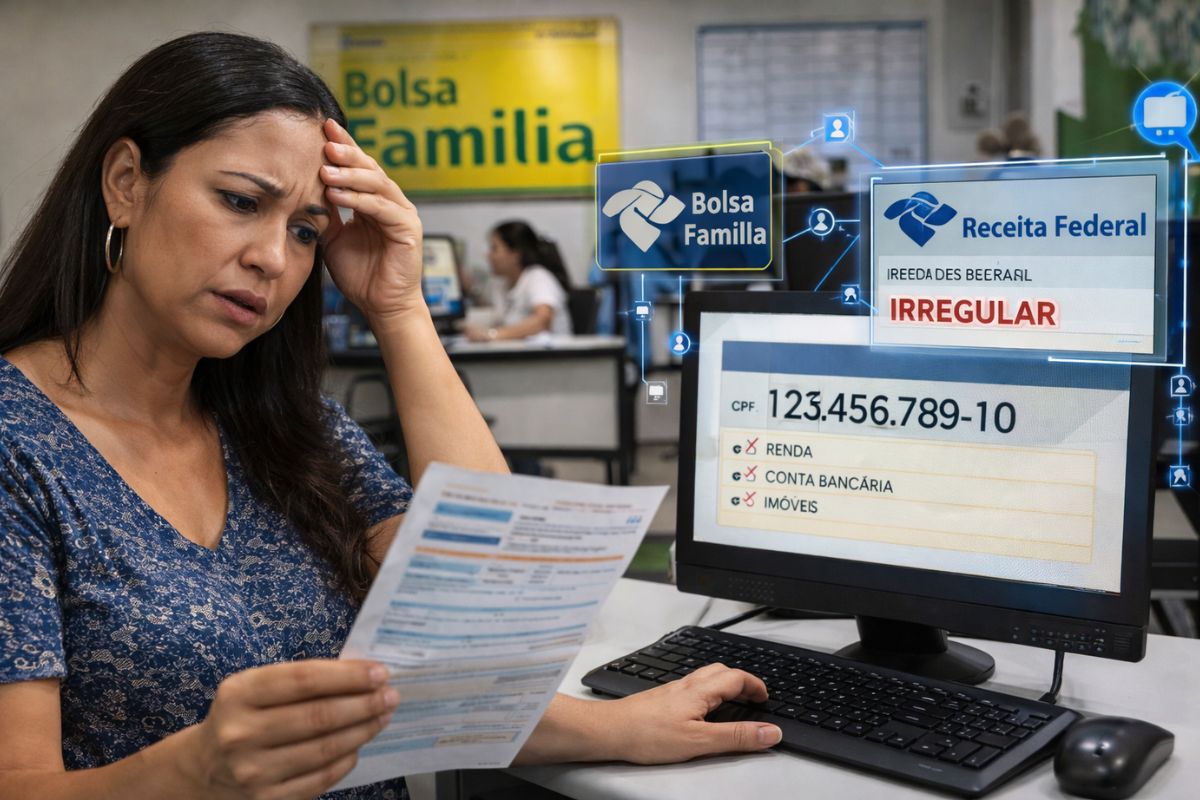
The federal government will cancel Bolsa Família and other benefits for millions of Brazilians who do not update their CadÚnico in 2026, and the new system already cross-references data with the Federal Revenue Service in real time to identify those who are irregular.
-
Famous sertanejo singer and the automaker BYD appear together on the federal government’s dirty list after instances of work analogous to slavery in Goiás and Bahia.

-
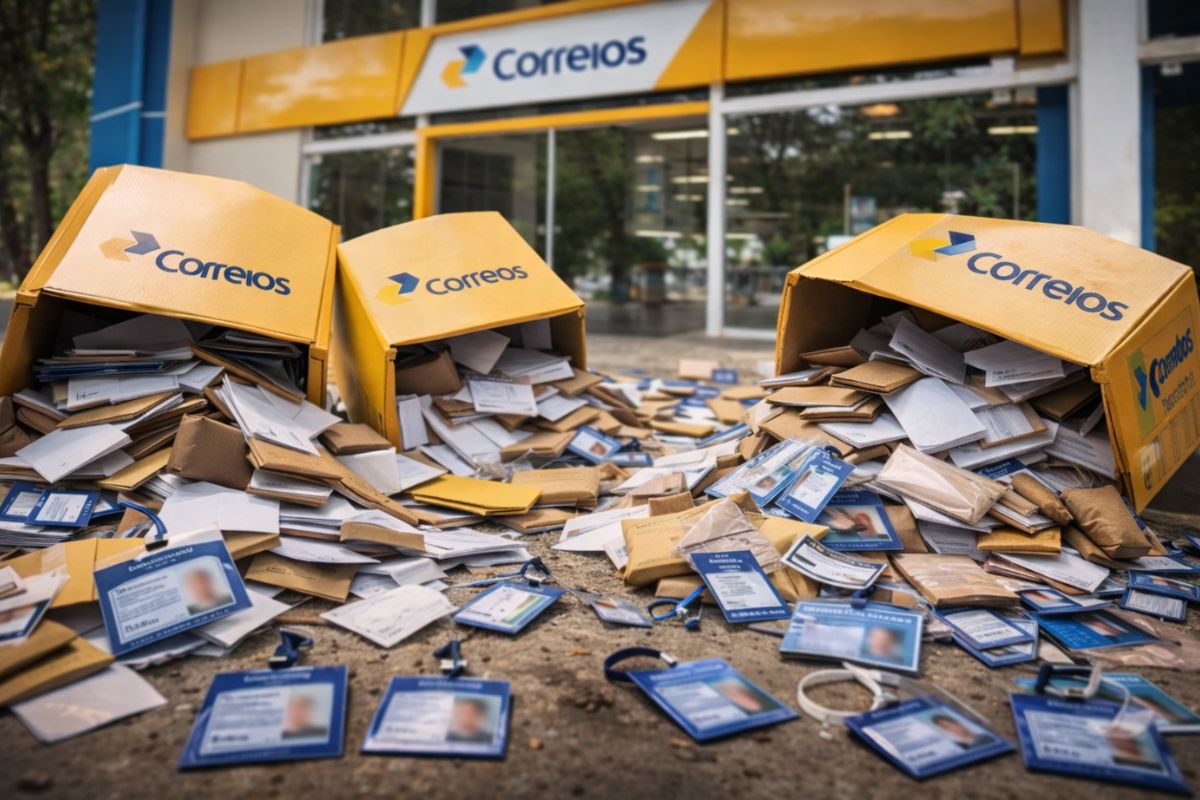
Correios lose more than 3,000 employees in mass layoffs and still aim to reach 10,000 dismissals in an attempt to save a state-owned company that has accumulated losses of R$ 6 billion and a negative net worth of R$ 10 billion.
-
Latin America is stagnant, and Brazil is part of the problem, says the World Bank in a report that highlights Argentina as the main positive exception in the region thanks to fiscal adjustment and Milei’s reforms.

The Diesel Challenge: A Reimposition in Two Stages
The government believes that the reimposition of diesel taxes in two stages can minimize the inflationary impact. Additionally, the expectation is that the fall in the price of oil barrels and the devaluation of the dollar against the real will prevent a significant increase in the price of diesel. However, the historical record of government measures shows us that an action without repercussions is rare. If Congress approves the MP, diesel consumers can expect a 12% increase in taxes.
In March of this year, consumers felt the impact of the return of PIS and Cofins charges on gasoline and ethanol. Gasoline was the product with the greatest weight in the IPCA (National Consumer Price Index), accounting for 0.39% of the total, contributing to an inflation rate of 0.71%.
The effects of the reimposition of diesel taxes deserve close monitoring. After all, this fuel is vital for the country’s logistics, responsible for moving about 65% of cargo via road transport. When there are changes in diesel prices, the prices of all products consumed in the country can be affected.

Disclosure








Seja o primeiro a reagir!