Portuguese
  Spanish




Jean Paul Prates Abandons Sale of Refap and Promises New Investments in Refining Industry of Rio Grande do Sul
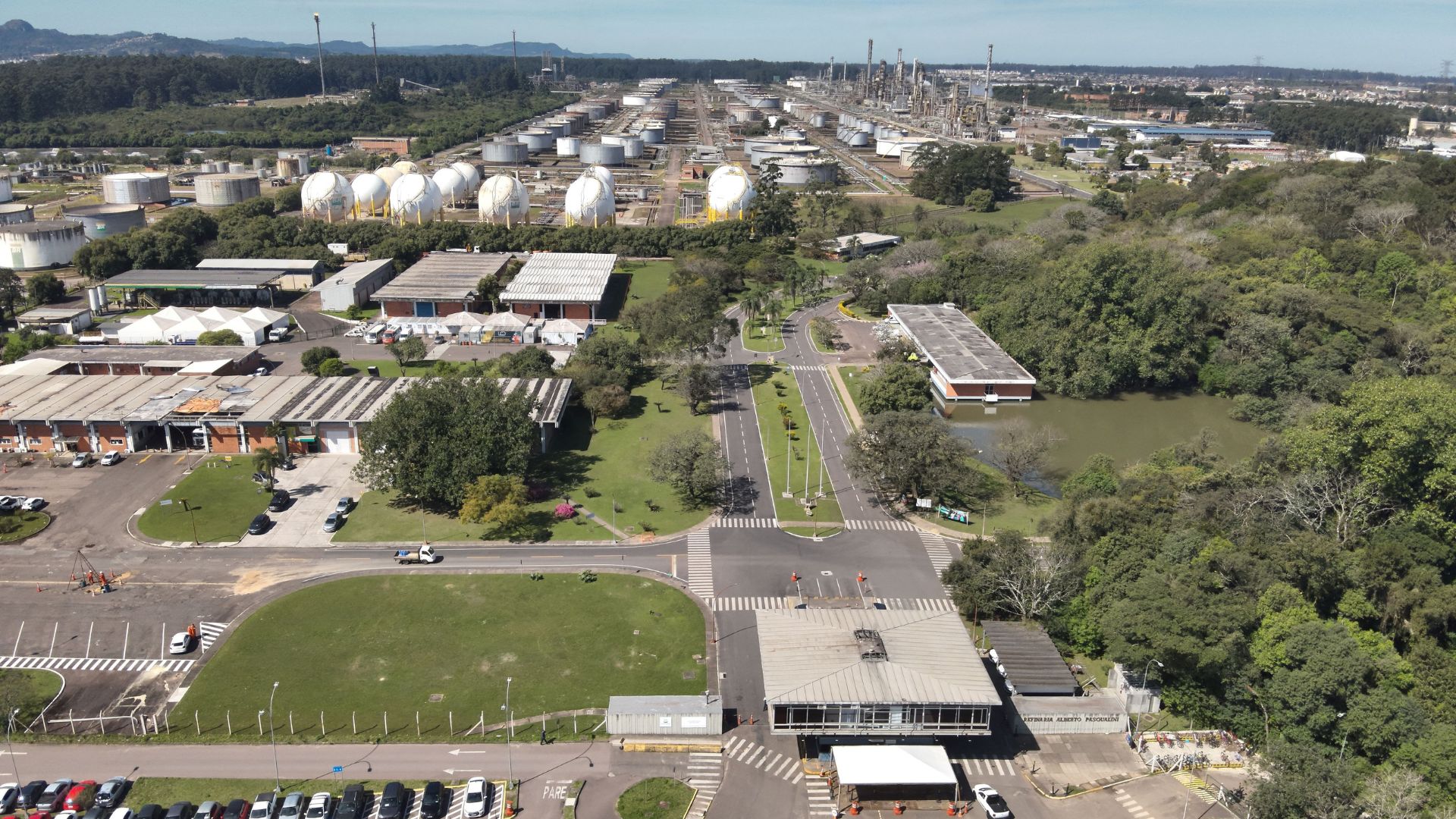
Jean Paul Prates, the president of Petrobrás, recently stated that the sale of the Alberto Pasqualini Refinery (Refap), located in Rio Grande do Sul, will no longer take place. Refap was previously included in the oil company’s divestment plan, according to an agreement established with the Administrative Council for Economic Defense.
End of Divestment and Future Projects
During a ceremony honoring the 55 years of Refap, the announcement was made by Prates, assuring that the refinery would no longer be sold. “The idea of divestment has become irrelevant,” Prates affirmed, putting an end to the company’s old divestment policy.
During his visit to Rio Grande do Sul, Prates also met with local entrepreneurs at the headquarters of Federation of Industries of the State of Rio Grande do Sul (Fiergs), located in Porto Alegre. In this meeting, Prates ensured that Refap will benefit from future investments from Petrobrás for cleaner diesel and renewable diesel production.
-
The first large-scale ethanol-powered thermoelectric plant is born in Pernambuco, surprising the energy sector and potentially opening a new phase for biofuels in Brazil.

-
Acelen advances with megabiorefinery in Bahia with a R$ 503 million investment released by BNDES and boosts the production of sustainable fuels with advanced technology capable of transforming vegetable oil and waste into green diesel and low-emission aviation fuel.

-
Petrobras announces RNEST’s historic milestone in April after the refinery reached record diesel production and strengthened the national fuel supply.
-
Petrobras Expands Refining in Brazil, Increases Production of Diesel S-10 and Gasoline, Enhances Operational Efficiency, and Reduces Import Dependence Between 2023 and 2025

Prates also spoke about future plans for the local industry, with a special focus on the naval sector, a segment that has a strong presence in the state, particularly in the city of Rio Grande. “We are committed to ushering in a new era for the naval industry, bringing meaningful services and jobs to be done in Brazil,” emphasized Prates to the entrepreneurs.
Enhancing Environmental Practices at Refap
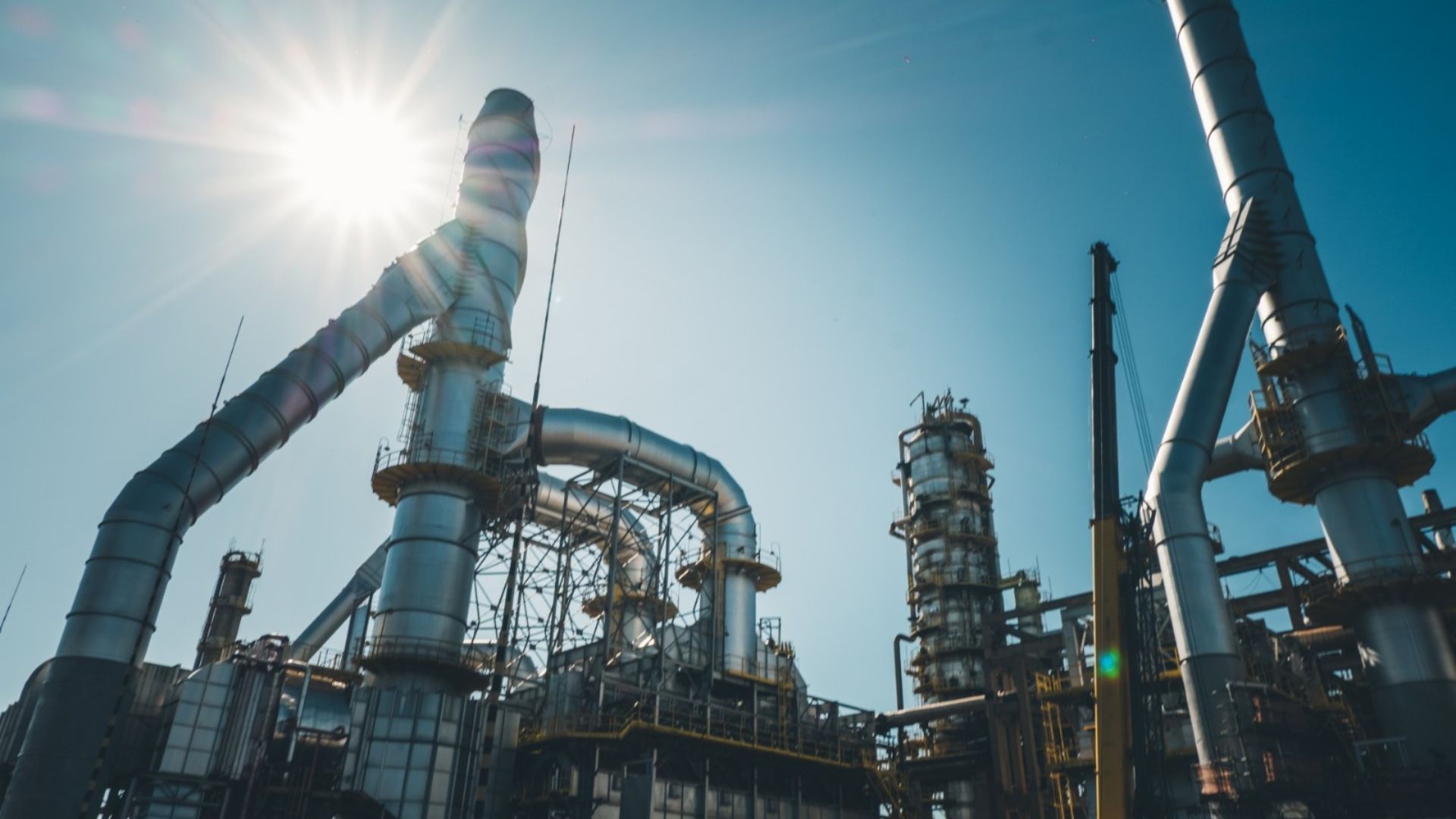
On the same weekend, Petrobrás inaugurated the gas treatment system for the refinery’s catalytic cracking unit. The new equipment, known as an electrostatic precipitator, is capable of capturing particles present in the gas through the application of a strong electric field, providing significant environmental gains.
The implementation of this equipment required an investment of R$ 88 million; however, the impact will be a significant reduction in particle concentration in the emitted gases. Gerson Cesar Souza, general manager of Refap, explained that the new equipment will further improve the company’s ability to maintain atmospheric emission standards.
Testing Petrobrás’ Biorefining Technology at Riograndense Refinery
Petrobrás also announced that the Riograndense Oil Refinery (RPR), located in the city of Rio Grande, will be the site for industrial tests of a Petrobrás technology aimed at the production of petrochemical products and 100% renewable fuels. The first industrial test is scheduled for November this year and will last for up to five days. The second test is planned for June 2024.
If the tests are successful, the technology licensing contract is already agreed upon. The investment amount that Petrobrás will make in RPR is about R$ 45 million. This innovation, developed by Petrobrás’ Research and Development Center (Cenpes), promises to transform the refining industry, introducing innovative processes and systems that will result in completely renewable inputs.
The Riograndense Oil Refinery, which began operations in 1937, is currently controlled by Petrobrás, Braskem, and Ultrapar.