





 Portuguese
  English
  Spanish
  3 min of reading


The Diesel Balance: The Weight of Replacing Taxes in the Brazilian Economy
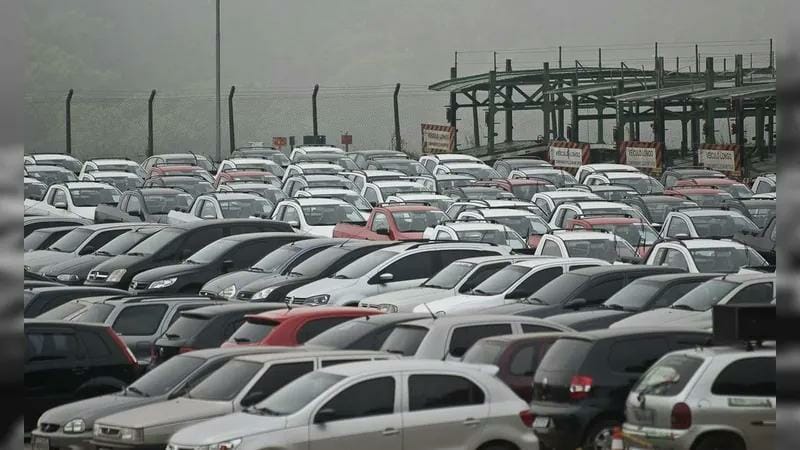
A new alternative to finance the program to stimulate the sales of popular cars is being considered by the government: the anticipation of the return of federal taxes on diesel. If this proposal is accepted, the reimposition of diesel taxes will take place in two phases, one in September of this year and the other in January 2024. Although seen as a financial solution, experts point to a possible inflationary impact, affecting consumers’ pockets.
The Return of Taxes: Anticipated Effects
The Provisional Measure (MP) suggesting the reimposition of diesel is ready to be evaluated by Congress. The proposal aims not only to compensate for the reduction in revenue but also considers linking the car discount policy to a “green package” from the Ministry of Finance. This package is a set of initiatives aimed at energy transition, a strategy that may reduce environmentalists’ criticism of the popular vehicle program.
In the original measure from the Ministry of Development, Industry and Trade (MDIC), the intention was to reduce the cost of cars priced up to R$ 120 thousand produced in the country. Now, with the new MP, the cuts in PIS, Cofins, IPI, and IOF will be replaced by tax credit for automotive companies. This means that instead of a discount of 1.5% to 10.96% on the value of the vehicle via tax reduction, bonuses of R$ 2 to R$ 8 thousand will be offered. This amount will be applied to the consumer’s invoice and compensated by automakers in tax collection.
-
Old chargers forgotten in the drawer may hide copper, reusable parts, and a simple chance to save before they become electronic waste.

-
The country’s primary deficits are expected to continue indefinitely, the same applies to the public debt, which will continue on an upward trajectory until it reaches the level of 90% of GDP (R$ 10.53 trillion) in the coming years.

-
Gas stations will sell gasoline at R$ 4.24 for a limited time, and the campaign with 50,000 liters promises to attract drivers looking for savings.
-
Behind a simple payment via Pix, Brazil is building a layer of financial sovereignty to reduce exposure to the dollar, foreign brands, and U.S. economic sanction instruments.





The Diesel Challenge: A Reimposition in Two Stages
The government believes that the reimposition of diesel taxes in two stages can minimize the inflationary impact. Additionally, the expectation is that the fall in the price of oil barrels and the devaluation of the dollar against the real will prevent a significant increase in the price of diesel. However, the historical record of government measures shows us that an action without repercussions is rare. If Congress approves the MP, diesel consumers can expect a 12% increase in taxes.
In March of this year, consumers felt the impact of the return of PIS and Cofins charges on gasoline and ethanol. Gasoline was the product with the greatest weight in the IPCA (National Consumer Price Index), accounting for 0.39% of the total, contributing to an inflation rate of 0.71%.
The effects of the reimposition of diesel taxes deserve close monitoring. After all, this fuel is vital for the country’s logistics, responsible for moving about 65% of cargo via road transport. When there are changes in diesel prices, the prices of all products consumed in the country can be affected.

Disclosure






Be the first to react!