






 Portuguese
  Spanish
  4 min of reading
  0 comments


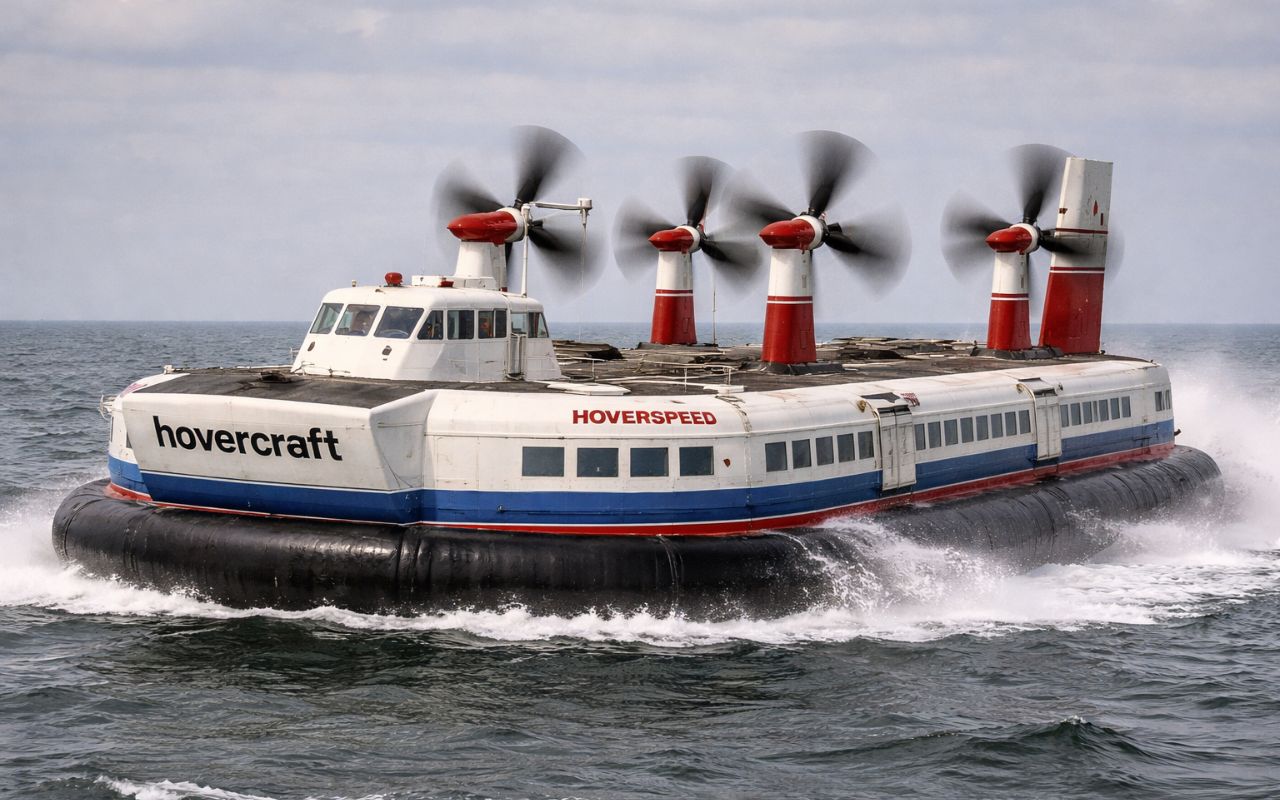
SR.N4 was the largest commercial hovercraft in the world, crossing the English Channel in record time and redefining maritime transport.
For over three decades, the SR.N4 marked a unique era in transport between the United Kingdom and France. Operating between 1968 and 2000 in the English Channel, the vessel transported passengers and vehicles at high speed, using an innovative system that made it literally float above the water.
Initially developed by Saunders-Roe and later by the British Hovercraft Corporation, the design emerged with the goal of making crossings faster and more efficient. Thus, the SR.N4 became the largest commercial hovercraft ever built, changing the concept of navigation.
How did the SR.N4 work?
The major difference of the SR.N4 was in its technology. Unlike traditional ships, it did not navigate by pushing water but rather floated on a cushion of air.
-
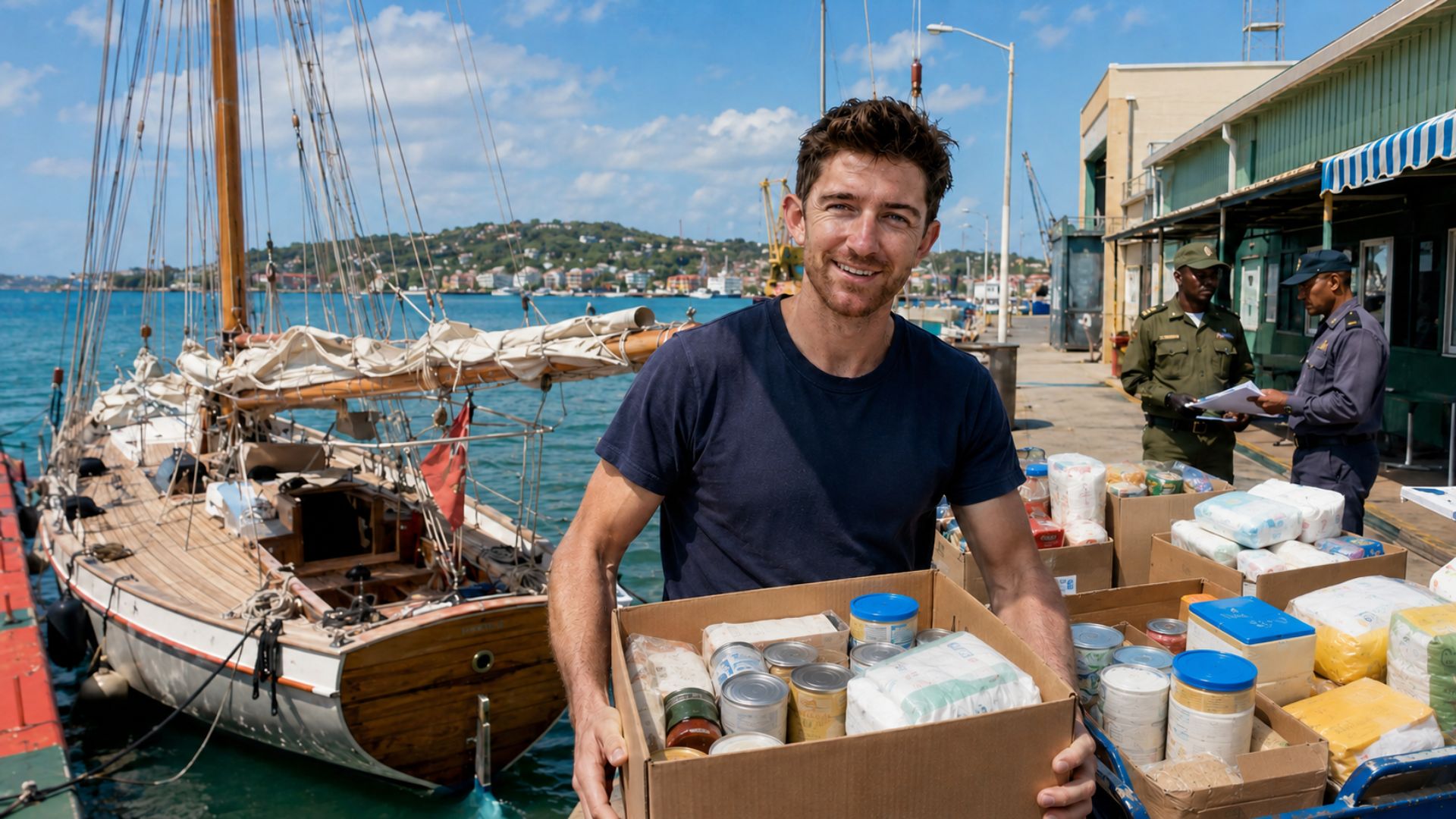
Sailor sails alone from Panama to Cuba carrying just over US$ 7,000 in food, medicine, and baby formula, spends hours at Santiago de Cuba customs, and delivers everything to Cáritas, linked to the Catholic Church, to distribute to the population.

-
In the middle of a forest in the USA, a couple transforms over 1,500 recycled tires, bottles, cans, and clay into an ecological mansion, builds 90% of the house with their own hands, and puts the nearly 7-acre self-sustaining refuge up for sale for $1.3 million.

-
Cutting board created in the Netherlands uses material made by microorganisms, measures 30 x 20 cm, and aims to eliminate microplastics that can end up in food during daily preparation.

-
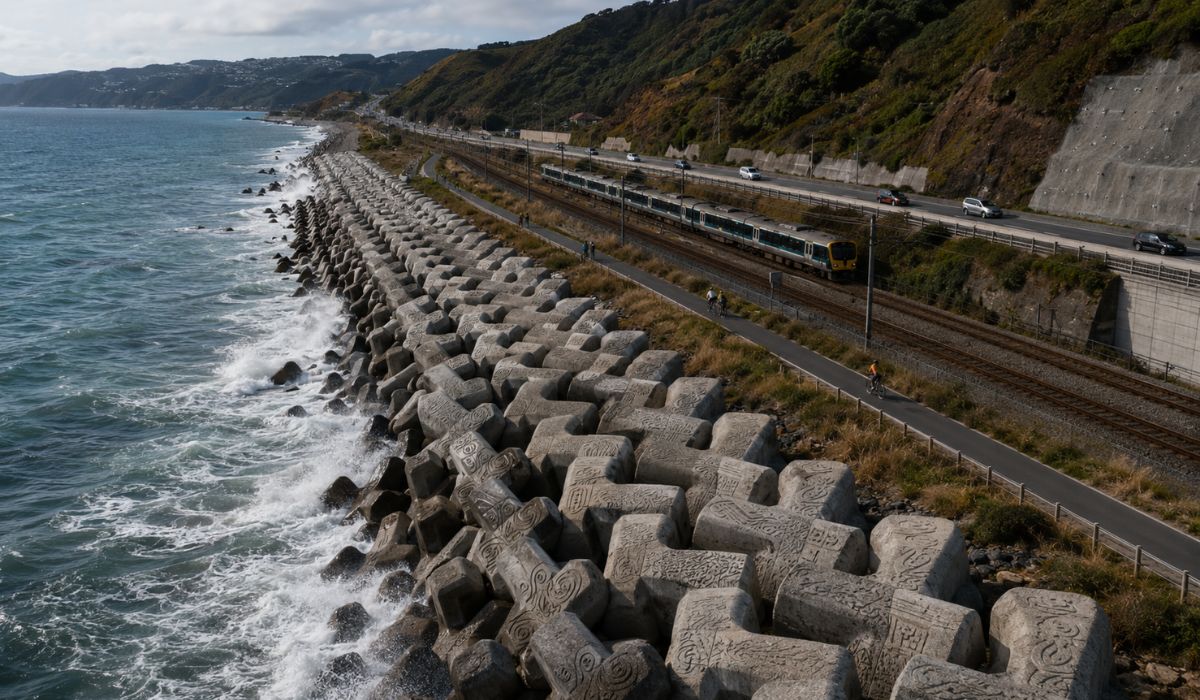
New Zealand aligns nearly 7,000 X-shaped concrete blocks like puzzle pieces to protect railway, highway, and cycle path against waves, erosion, and earthquakes on one of Wellington’s most sensitive coasts.



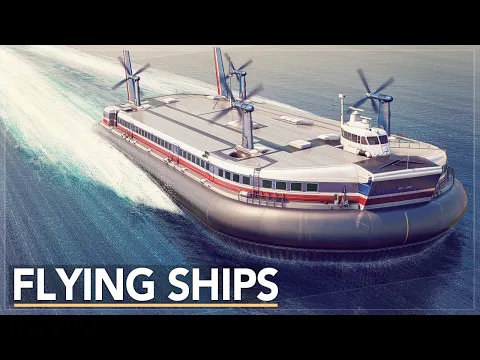
This system was generated by four Rolls-Royce gas turbines, which powered fans and propellers simultaneously. Additionally, a rubber skirt up to three meters high kept the air trapped under the structure.
As a result, the hovercraft could rise about two meters above the surface, reducing friction with the sea. Consequently, it achieved speeds much higher than conventional vessels.
Evolution of the SR.N4: from initial model to “Super 4”
Over the years, the SR.N4 underwent significant improvements. Initially, the model was about 40 meters long and had a capacity for just over 250 passengers.

Subsequently, engineers expanded the structure, creating the Mark III version, known as “Super 4”. This upgrade increased the length to 56 meters and allowed it to carry more than 400 passengers and up to 60 cars.
Furthermore, the total weight also increased, reaching about 320 tons. This evolution demonstrated the project’s ability to adapt to the growing demands of transport.
The speed of the SR.N4 impressed compared to ferries
One of the main attractions of the SR.N4 was its speed. While conventional ferries took about 90 minutes to cross the English Channel, the hovercraft made the journey in approximately 35 minutes.
Its cruising speed varied between 111 km/h and 120 km/h, reaching up to 130 km/h in ideal conditions. This placed the SR.N4 in a unique position for maritime transport.
For this reason, it gained fame similar to that of the Concorde, being seen as a symbol of innovation and speed.
Historic records of the SR.N4 in the English Channel
The SR.N4 also made history with its records. On September 14, 1995, the vessel completed the crossing in just 22 minutes, under the command of Captain Nick Dunn.
With no passengers on board, the time was even more impressive: 15 minutes and 23 seconds. However, this mark was not officially recognized for exceeding the allowed speed limit.
Still, the record remains one of the most notable achievements in modern naval engineering.
Operational challenges and high costs of the SR.N4
Despite its success, the SR.N4 faced significant challenges. The cost of operation was high, mainly due to the consumption of the gas turbines.
Additionally, the hovercraft was known for its noise level and for providing less comfort in rough seas. This impacted the passenger experience in certain weather conditions.
On the other hand, the model still managed to attract an audience due to its speed and technological innovation.

The end of the SR.N4 and the impact of new technologies
From the 1990s onwards, changes in the transport landscape began to directly affect the SR.N4. One of the main factors was the opening of the Eurotunnel, which began to offer a fast and efficient alternative for crossing.
Additionally, the end of duty-free sales in the European Union reduced an important source of revenue for maritime operations. As a result, the economic viability of the hovercraft was compromised. On October 1, 2000, the last SR.N4 units were officially retired.
Even after its retirement, the SR.N4 left a remarkable legacy. It demonstrated that it was possible to transport hundreds of passengers and vehicles at high speed over water.
Today, one of the models is preserved in the Hovercraft Museum, keeping the memory of this innovation alive.
Therefore, the SR.N4 continues to be remembered as one of the most advanced machines of its time. Its influence remains present in the development of new maritime transport technologies, solidifying its place in engineering history.
With information from BM&C News


Be the first to react!