





 Portuguese
  English
  Spanish
  4 min of reading
  2 comments


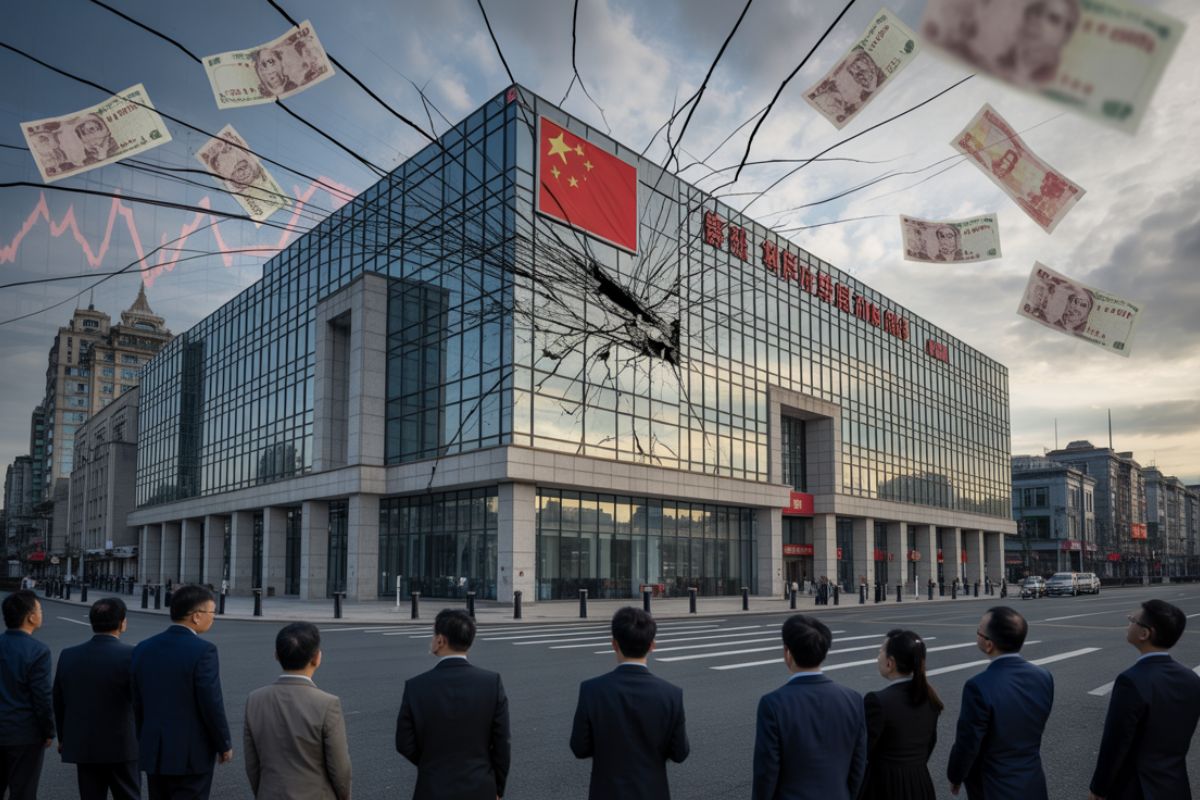


The Collapse of Zhongrong Trust, Giant of the Parallel Financial Sector, Deepens the Crisis of Confidence in the Country and Raises the Alarm for a Possible Contagion in the Banking System, Testing the Limits of the Beijing Government.
The crisis in China, which began with the collapse of real estate giants like Evergrande, reached a new and dangerous level by hitting the heart of the financial system. The bankruptcy of Zhongrong International Trust, a large Chinese bank in the so-called “shadow banking” sector, confirmed the market’s worst fears. The collapse of the institution, which managed billions of dollars for the middle and upper classes of the country, left a trail of losses and sparked a wave of protests from investors in Beijing.
If the problem was previously concentrated in construction companies, now the instability threatens to contaminate the entire financial system. The failure of a bank is much more dangerous than that of a regular company, as it creates a domino effect risk, the so-called “systemic risk.” This episode is being compared to the collapse of Lehman Brothers, which triggered the global financial crisis of 2008, raising a crucial question: is China on the brink of an unprecedented economic crisis?
What Was Zhongrong Trust?
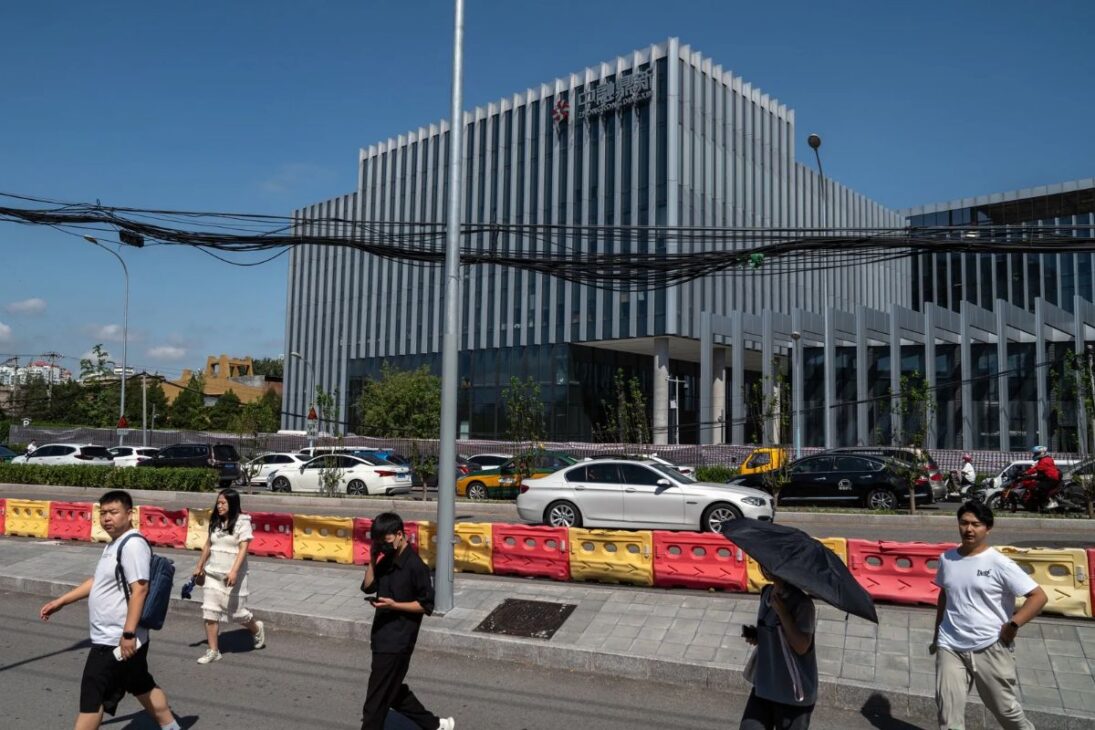
Zhongrong Trust was not a traditional commercial bank, but rather one of the largest companies in China’s “shadow banking.” This parallel system operates outside formal banking regulation, offering high-risk, high-return investment products. For years, these institutions were the engine that financed the Chinese real estate boom.
-
A beach town in Santa Catarina will distribute 4 tons of sardines completely free of charge to the population next Thursday, with a limit of 2 kilograms per person, and the distribution will end when the stock runs out.

-
A YouTuber bought all the Easter eggs from the market, from the cheapest to the most expensive, weighed each one on the scale, and discovered that some brands deliver extra grams while others charge a fortune for little chocolate.

-
Central Bank reveals: public sector ends February 2026 with a deficit of R$ 16.4 billion; Central Government loses R$ 29.5 billion, state-owned companies R$ 568 million, gross debt rises to 79.2% of GDP in 12 months.
-
The largest executive jet in Brazil belongs to the Safra Family and is for sale: it is a 2002 Boeing BBJ, with a range of 11,500 km, 80 m² of interior space, a master suite, an office, and capacity for 18 passengers.


Zhongrong was owned by Zhongzhi Enterprise Group, a financial conglomerate that also declared bankruptcy in early 2025. Both were central pieces in financing construction companies, lending money for projects that often had not even begun. When the real estate market slowed and construction companies could no longer pay their debts, the entire system began to collapse.
The Domino Effect of the Real Estate Crisis
The bankruptcy of Zhongrong is a direct consequence of the crisis in the real estate sector. For decades, the business model of Chinese construction companies has relied on selling apartments off-plan and using the money to finance new projects, creating an unsustainable growth bubble.
When the Chinese government tried to curb speculation and the economy slowed down, companies could no longer finance themselves. Giants like Evergrande and Country Garden collapsed, failing to pay their loans to institutions like Zhongrong. Without receiving money from construction companies, the bank could not honor payments to its own investors, leading to its collapse. The result is a tragedy for millions of families who invested their life savings and may now lose almost everything.
A “Lehman Moment” for China?
The major concern now is contagion. The failure of this large Chinese bank could drag down other financial institutions that had investments or loans linked to it. Pessimism has taken over the country, and confidence in the financial system has been shaken.
This happens at the worst possible time for Beijing, which was counting on increased domestic consumption to offset the decline in exports, affected by the trade war with the United States. Fearful of losing their savings, the Chinese tend to save more and spend less, which could deepen the economic recession. The Chinese government will certainly intervene to try to prevent a chain bankruptcy, but the damage to consumer and investor confidence is already done.
The Uncertain Future of the Chinese Economy


Unlike the United States in 2008, China has a centralized government with greater control over the economy, which may help contain the crisis. However, the challenge is immense. The country needs to restructure its economic model, which for too long has depended on a growth based on debt and real estate speculation.
The collapse of Zhongrong Trust is more than the bankruptcy of a large Chinese bank; it is a clear symptom that China’s structural problems run deep. The world is watching closely, as a prolonged crisis in the second-largest economy on the planet would have severe consequences for all, including Brazil, which has China as its main trading partner.
Do you believe that China will be able to control this crisis, or are we witnessing the beginning of a collapse with global impact? Leave your opinion in the comments.







Tigre de Papel !
Tigre de Papel !