





 English
  Francês
  Alemão
  Italiano
  Japonês
  Norueguês
  Portuguese
  Spanish
  3 min of reading


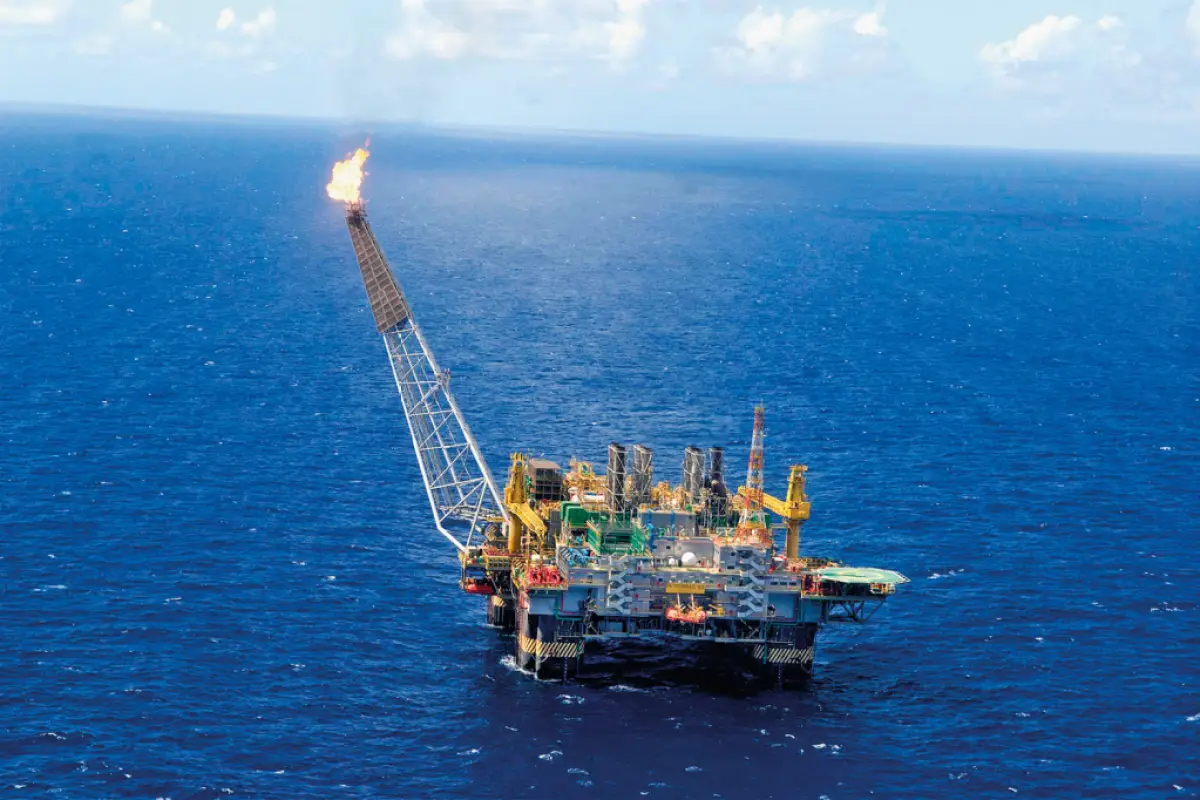
The Federal Government Announced This Tuesday (28) That It Will Impose An Oil Export Tax Starting Wednesday (1).
According to the government, the new tax will ensure federal revenue to restore public accounts and will also stimulate fuel refining in the country. The oil export tax of 9.2% will be enacted through a Provisional Measure (MP), which will be presented to Congress. The measure is expected to generate R$ 6 billion in revenue for the government.
With the MPs, the Lula government will only partially tax gasoline and ethanol. The measure would recover part of the R$ 29 billion that would be lost this year if the tax exemptions ordered by former President Bolsonaro before last year’s election continued.
Oil Export Tax Had Been Cited As An Electoral Exemption
Bolsonaro cut taxes on fuels in his last year in power. At that time, he was trying to block the price increase without changing the price policy of Petrobras. The decision to reinstate the tax is valid until December 2022.
-
Brazilian giant expands borders in the Southeast: Petrobras confirms new oil discovery in ultra-deep waters in the pre-salt of the Campos Basin.

-
Alert in the global energy market: Severe tropical cyclone hits the coast and disrupts gas production at major plants in Australia, threatening global supply.

-
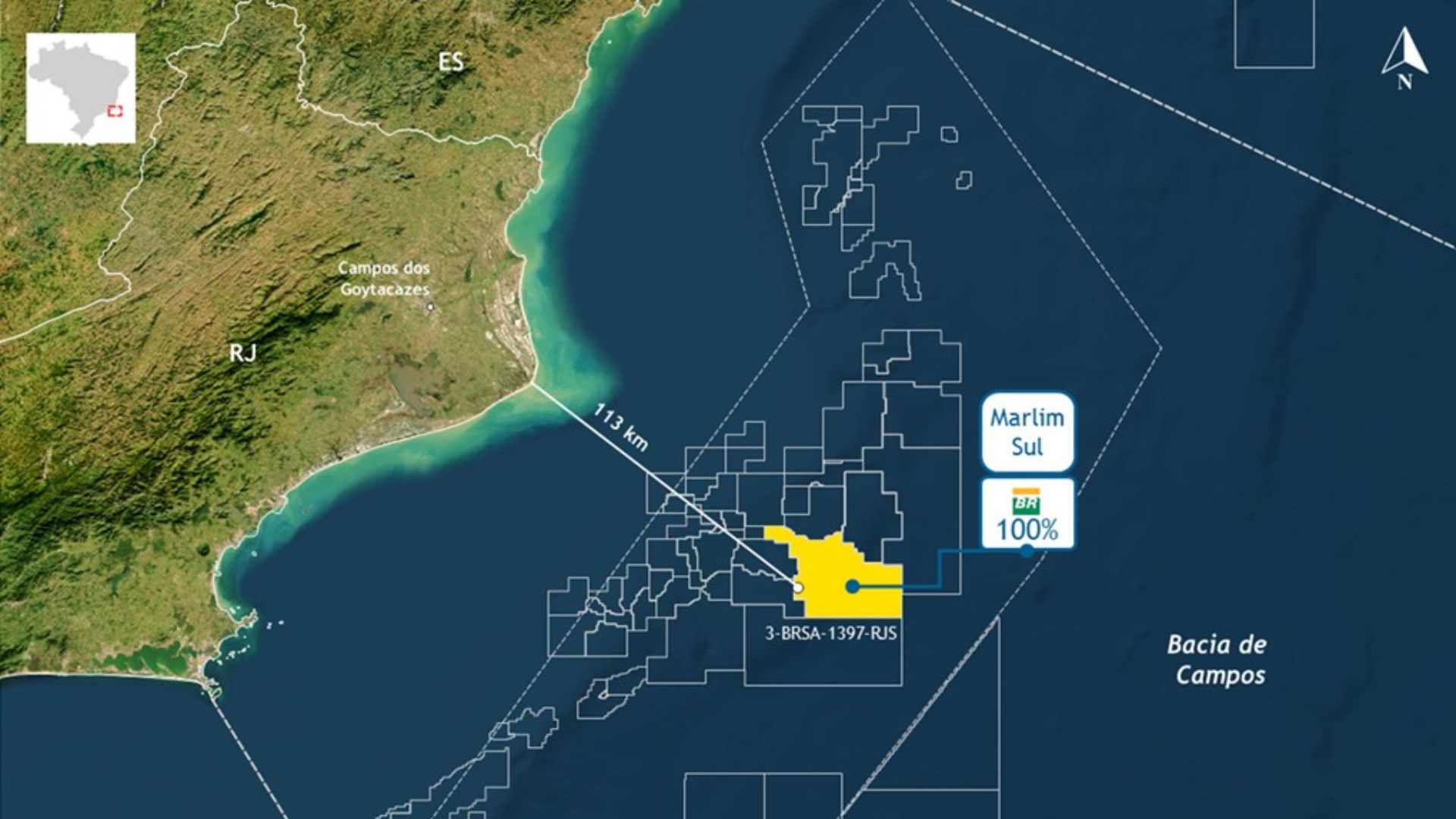
Petrobras finds high-quality oil in the pre-salt at 113 km from RJ and reignites expectations about strategic reserves in the Campos Basin.

-
Ocyan opens registrations for startups focused on innovation in the oil and gas sector and will select projects for Innovation Day with the support of Nexio.

At his inauguration on January 1st, President Lula emphasized that he would try to prevent fuel prices from rising the next day, extending the gasoline and ethanol exemptions until Tuesday, February 28. However, this oil export tax will be allocated to funding Bolsa Família, raising the minimum wage, and other campaign promises of Lula.
Impact on Price
The tax realignment will naturally raise gasoline and ethanol prices. The realignment became a subject of debate among government members, between those justifying keeping prices low and those wanting guaranteed coalition revenue and federal investment. After a series of meetings, the federal government reached an agreement.
For gasoline, the federal tax is R$ 0.69. It was eliminated by Bolsonaro shortly before the election. It will be R$ 0.47. Coincidentally, just on Tuesday, Petrobras announced it would cut gasoline sales to distributors by R$ 0.13. As a result, the government estimates that fuel prices for consumers will increase by up to R$ 0.34.
For ethanol, the federal tax is R$ 0.24. This was also temporarily eliminated by Bolsonaro. It will be R$ 0.02. The price of ethanol is not affected by the sales by Petrobras. As a result, the government estimates a R$ 0.02 increase in fuel prices for the final consumer.
The oil export tax is supported by social movements. The taxes on gasoline and ethanol will remain partial during this period. After four months, the export tax will be abolished and the fuel tax will be reinstated.
Following Bolsonaro’s decision, extended by Lula, the federal tax on diesel will remain eliminated until the end of the year. The fuel is essential for transporting goods and passengers. Haddad stated that cuts in Petrobras production should have a significant impact on the economy and help control inflation.









Seja o primeiro a reagir!