Portuguese
  Spanish


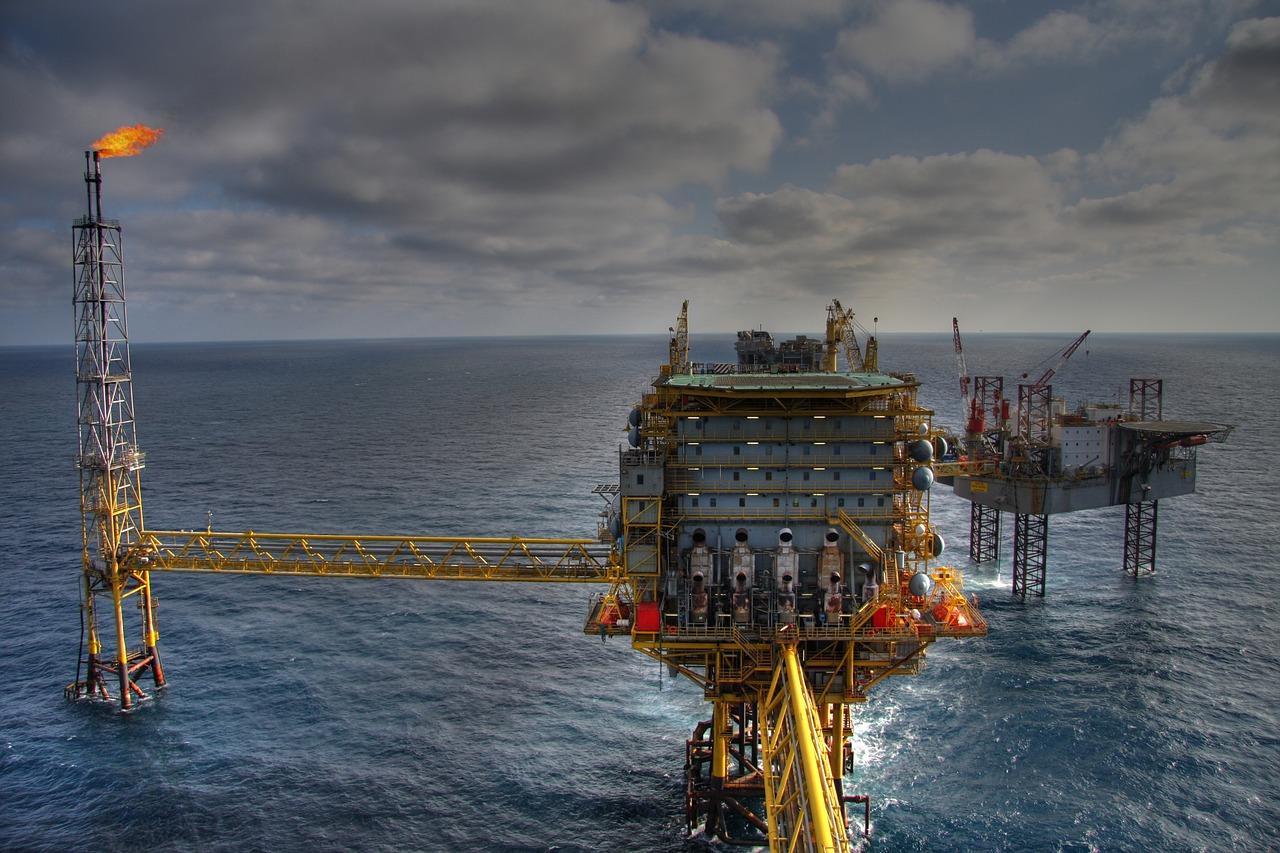

Even Being The World Leader In Offshore Oil Exploration And Achieving Strong Product Exports To The Overseas Market, Brazil Still Suffers The Consequences Of Dependence On Fuel Imports And Sees The Reflection In High Prices Charged.
Brazil Is An International Reference In Oil Exports And, Mainly, In The Production Of The Resource Through The Pre-Salt, And Achieved Great Feats In The Last Decade Thanks To This. However, The Current Scenario Seen On Monday, (06/13), Is Still A Reflection Of The Dependence On Fuel Imports, Caused By The Lack Of Refineries And The Production Of These products, Leading To Excessive Internal Fuel Costs For Consumers.
Oil And Natural Gas Production Grew 53% In The Last 10 Years In Brazil, But Fuel Production Did Not Keep Up With Expansion And Continues To Depend On Imports
The Brazilian Oil Market, With A Main Focus On Pre-Salt Layers, Has Become Something Memorable Worldwide, And Only Between 2010, When The First Well Went Into Operation In Espírito Santo, And 2021, National Oil And Gas Production Jumped 53%.
In Addition, According To Data From The National Oil Agency (ANP), Revenue From Royalties And Special Participation Nearly Doubled, Reaching A Record R$ 78.4 Billion Last Year.
-
With a record production of nearly 3 million barrels per day, Petrobras resumes importing diesel in July, highlighting the bottleneck in Brazilian refining.

-
Qantas and Airbus Invest in Company Aiming to Convert Unsorted Household Trash into Jet Fuel

-
Brazil’s ANP Opens 86 New Oil Blocks in the Equatorial Margin, Expanding the Amazon River Mouth Frontier

-
OPEC+ Boosts Oil Supply by 188,000 Barrels per Day in July 2026, Leading to Price Drop from $112 to $89 per Barrel in Under Two Months
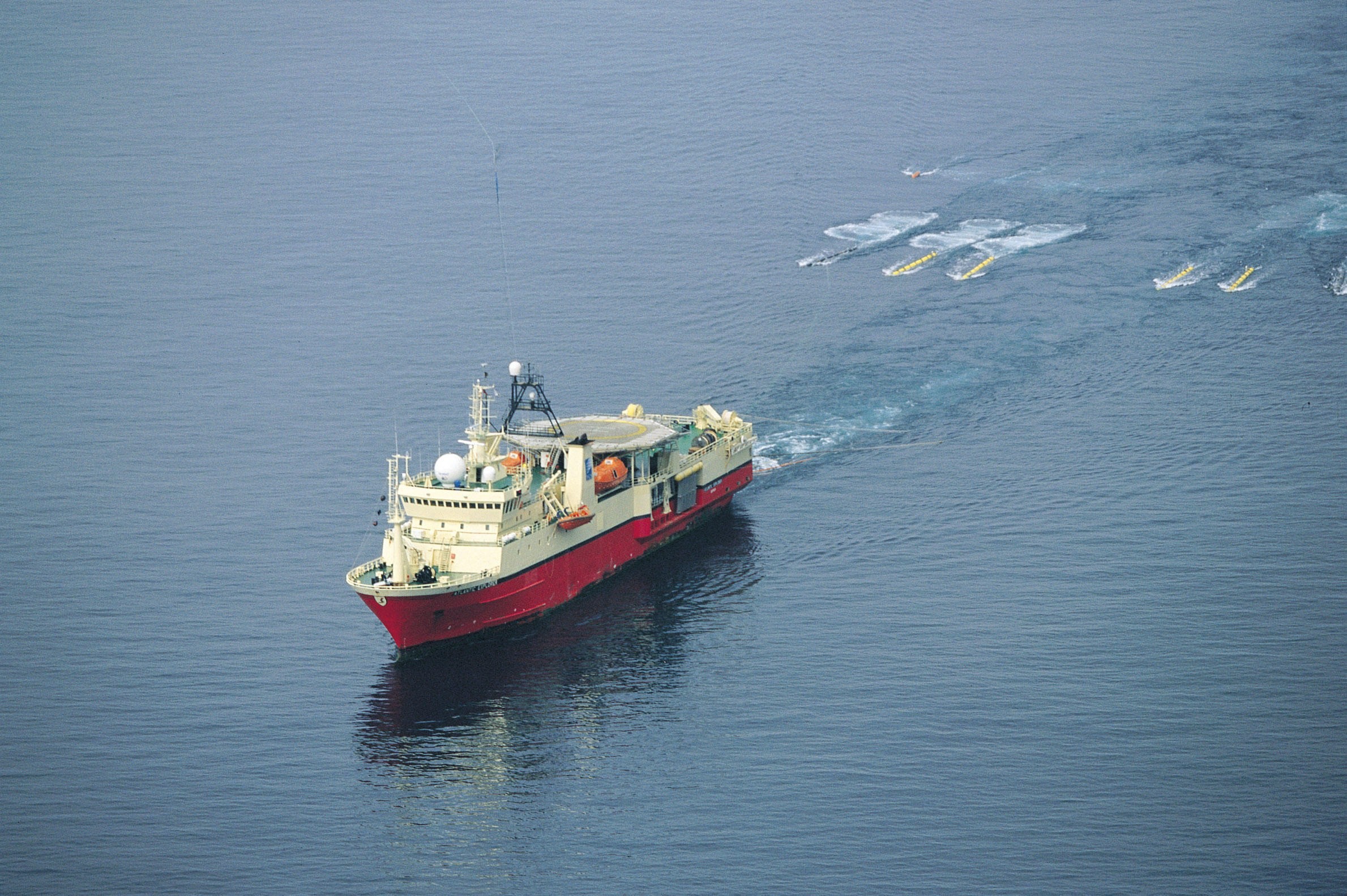
And It Doesn’t Stop There, As The Company Specializing In Oil And Gas Consulting, Bip, Claims That By The Year 2026, Brazil Should Receive 8 More Oil Exploration Platforms.
Thus, The Pre-Salt Exploration Reached Absurd Levels And Brazil Managed To Put The Domestic Market On The Route For International Exports. However, The reflection Of This Production In The Fuel Segment Is Not Favorable To The Brazilian Market.
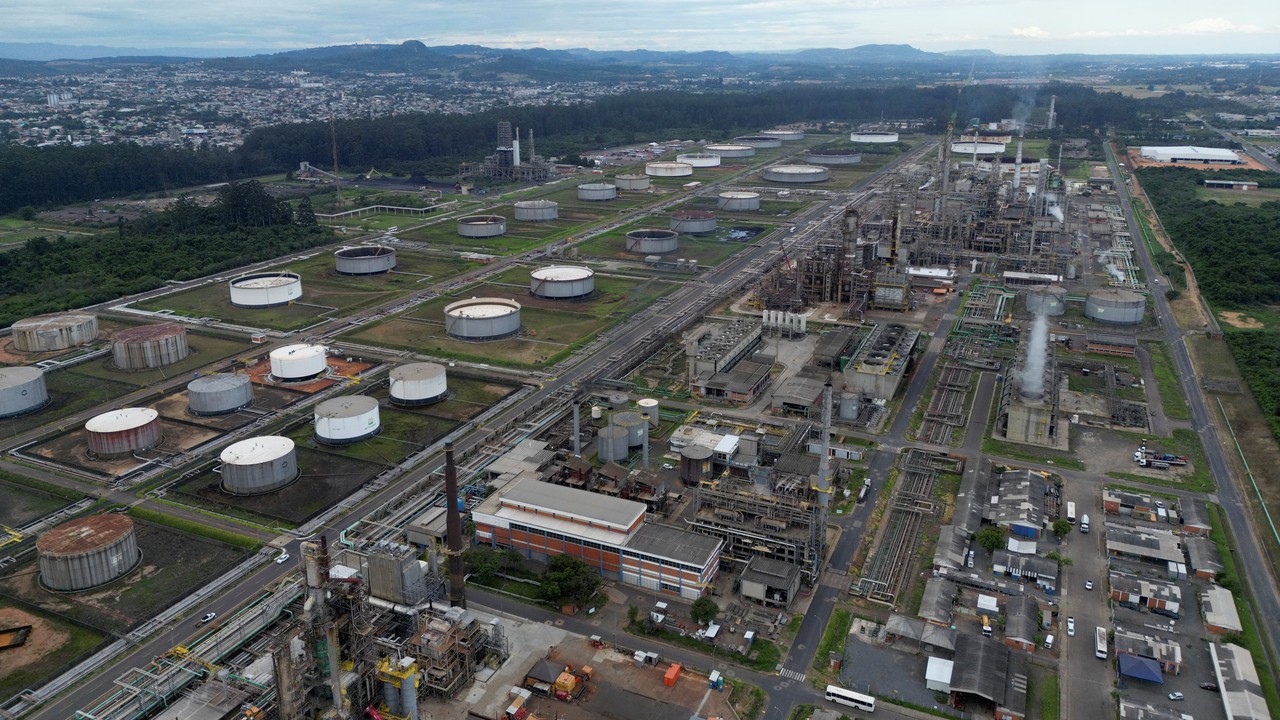
This Is Because, Although The Export And Production Of Oil Have Grown Considerably, There Is Still A Deficit In The Number Of Refineries For The Production Of Oil Derivatives. Thus, Petrobras And The Federal Government Remain Stuck To An Import Policy For Fuels And Maintain This Dependency Relationship To This Day.
Moreover, This Lack Of Production Of Derivatives Leads Petrobras To Advocate A Pricing Policy Based On The Concept Of Import Parity, Which Simulates How Much It Would Cost To Bring Fuels From Abroad, Causing A Price Increase.
Brazil Remains A Hostage To Imports And The Fuel Crisis That May Happen Is A Reflection Of The Deficit Of Refineries And The Production Of Derivatives
According To Data Released In Recent Years By The ANP, While Oil And Natural Gas Production, Mainly From Pre-Salt Areas, Grew More Than $50, The Production Of Oil Derivatives Increased By Only 5.4%.
In Addition, Throughout All These Years, The Country Only Brought One New Refinery Into Operation, Still Incomplete: The First Phase Of The Abreu And Lima Refinery In Pernambuco.
Thus, Without New Refineries For Fuel Production, Brazil Needs To Purchase About 25% Of The Diesel And 7% Of The Gasoline It Consumes From Abroad, Thus Guaranteeing A Significant Increase In The Need For Imports.
Now, The National Market Continues To Focus On Oil Export And The Growth Of Resource Production, While The Deficit In Derivative Production Continues To Affect Consumers’ Pockets.
Finally, The Main Reflection Of The Current Fuel Import Policy And The Lack Of Investment In New Refineries Is The Possible Diesel Supply Crisis That May Occur Throughout The Second Half Of 2022, According To Analyses And Projections By The ANP Along With Petrobras.