






 Portuguese
  Spanish


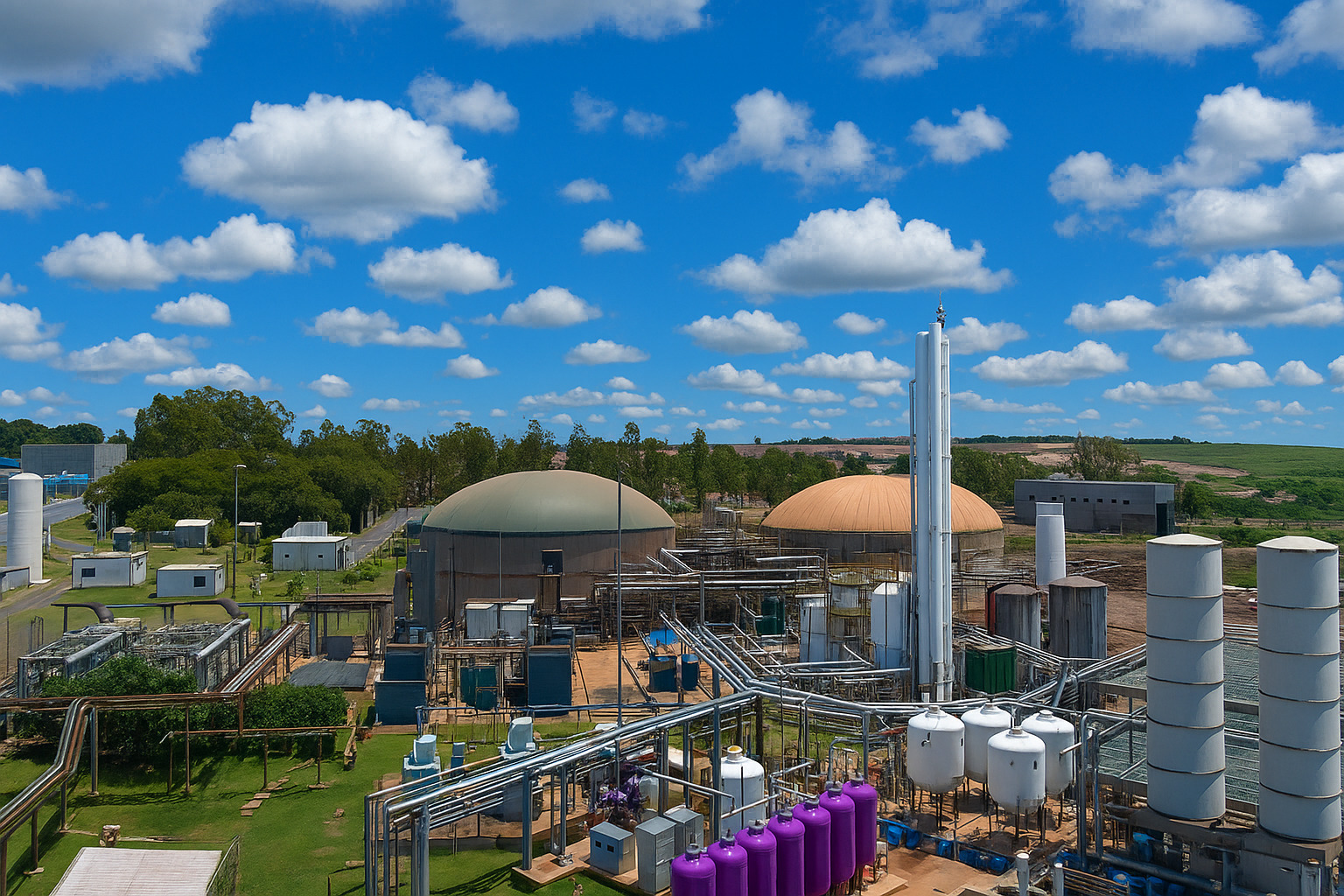
Learn About The New Government Rules For The Incentive For Biogas, Aimed At Reducing Emissions And Strengthening The Production Of Renewable Energy Starting In 2027.
The Brazilian federal government has made progress in regulating a sector that has been gaining more and more attention worldwide: biogas.
Recently, the Ministry of Mines and Energy completed the draft decree that creates the Biogas Incentive Program, an initiative outlined in the Future Fuel Law, which will be submitted to the Planalto in the coming days.
Therefore, the announcement represents an important step for the country in the search for a cleaner and more sustainable energy matrix, as well as aligning with environmental and economic commitments.
-
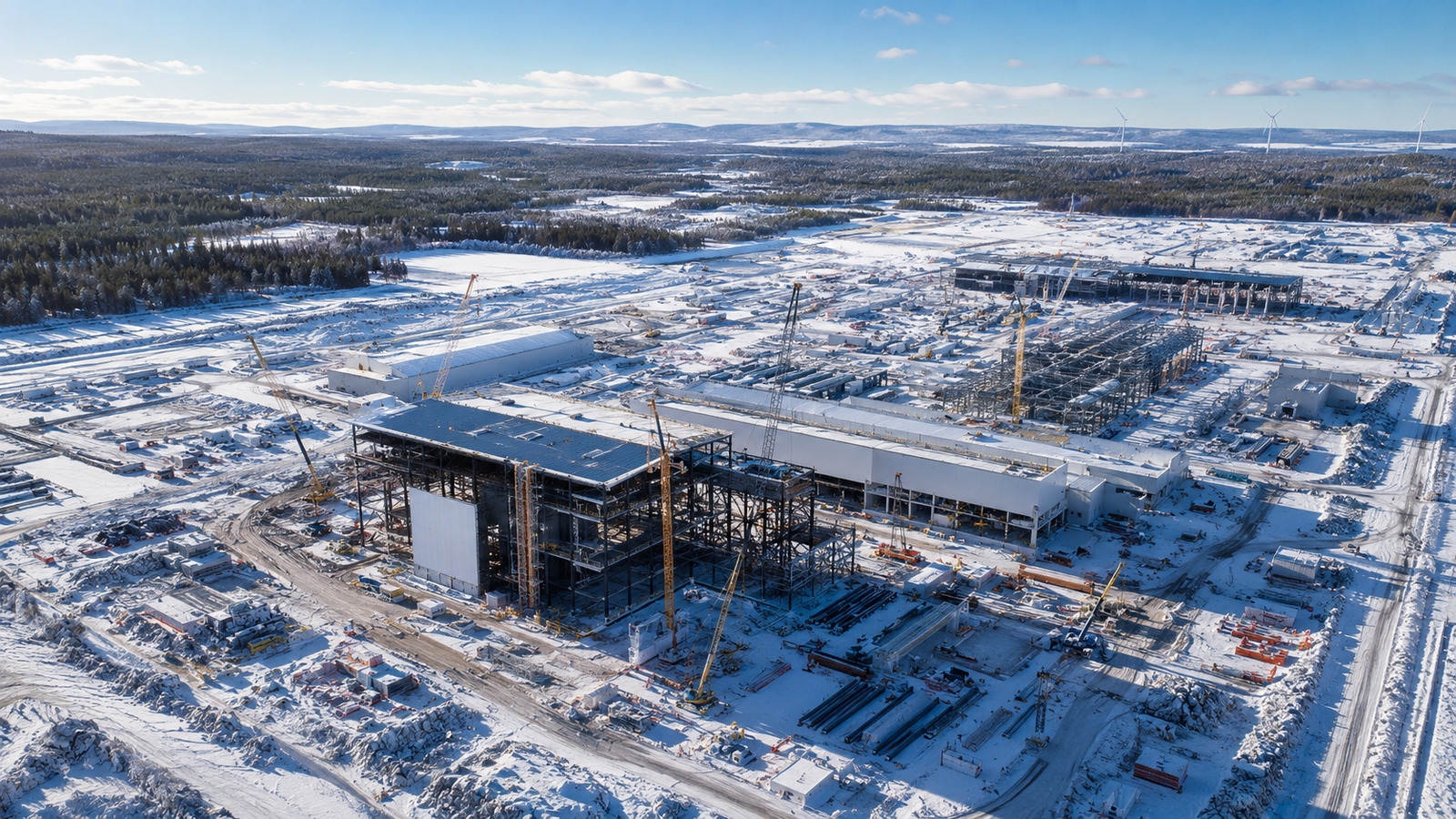
US$ 7 billion, green hydrogen, and steel with up to 95% less CO₂: the first green steel plant on the planet emerges in Sweden and targets Brazil as the next chapter

-
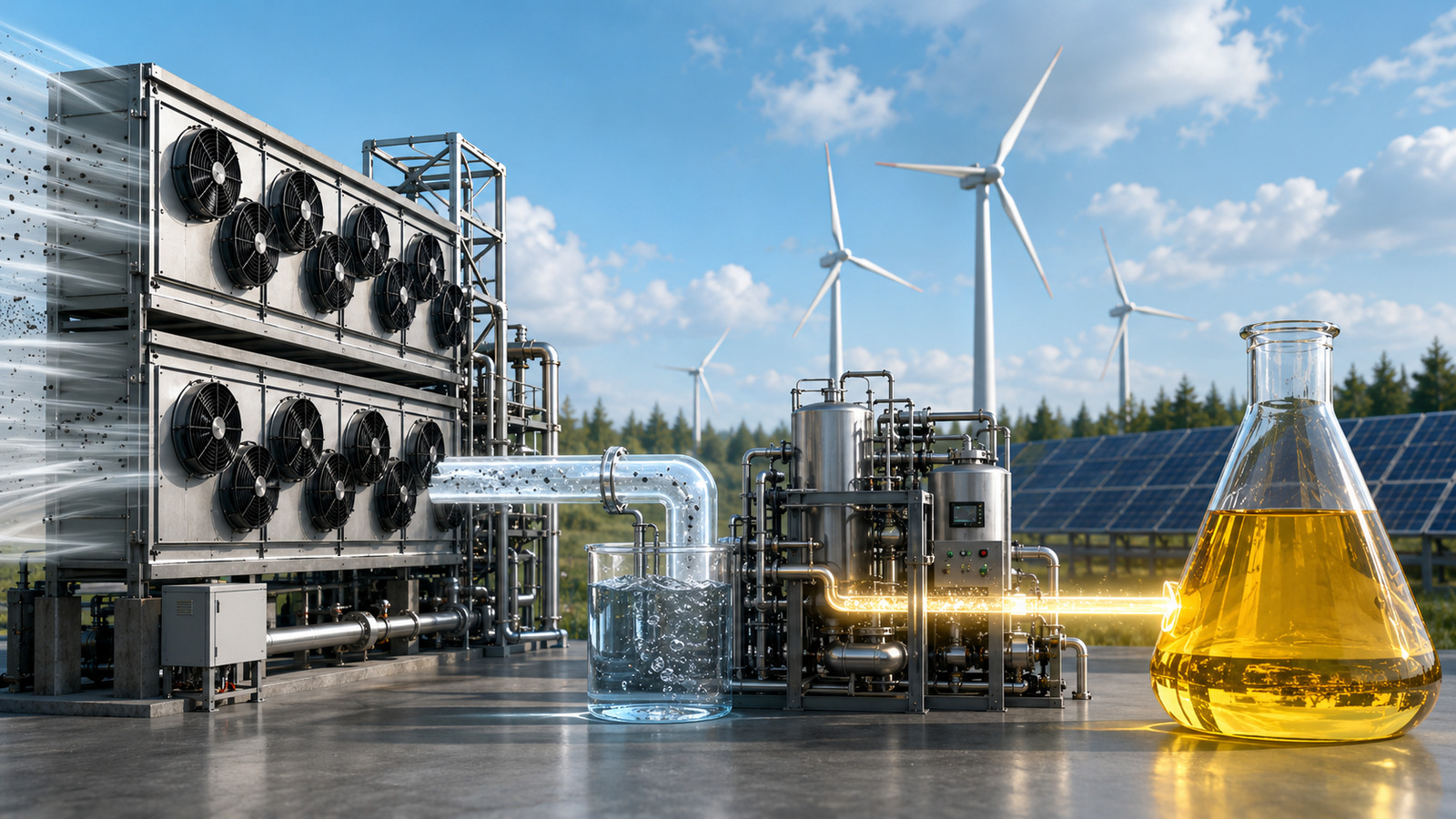
Swedes manage to create synthetic fuel with CO₂, water, and renewable energy, compatible with current engines, but face a huge problem: the energy expenditure is still double the return.
-
Brazil begins to transform wheat, residues, sweet potatoes, and soy molasses into ethanol, in a new phase of biofuels that seeks to utilize leftovers from the field and industry to fuel flex-fuel cars.

-
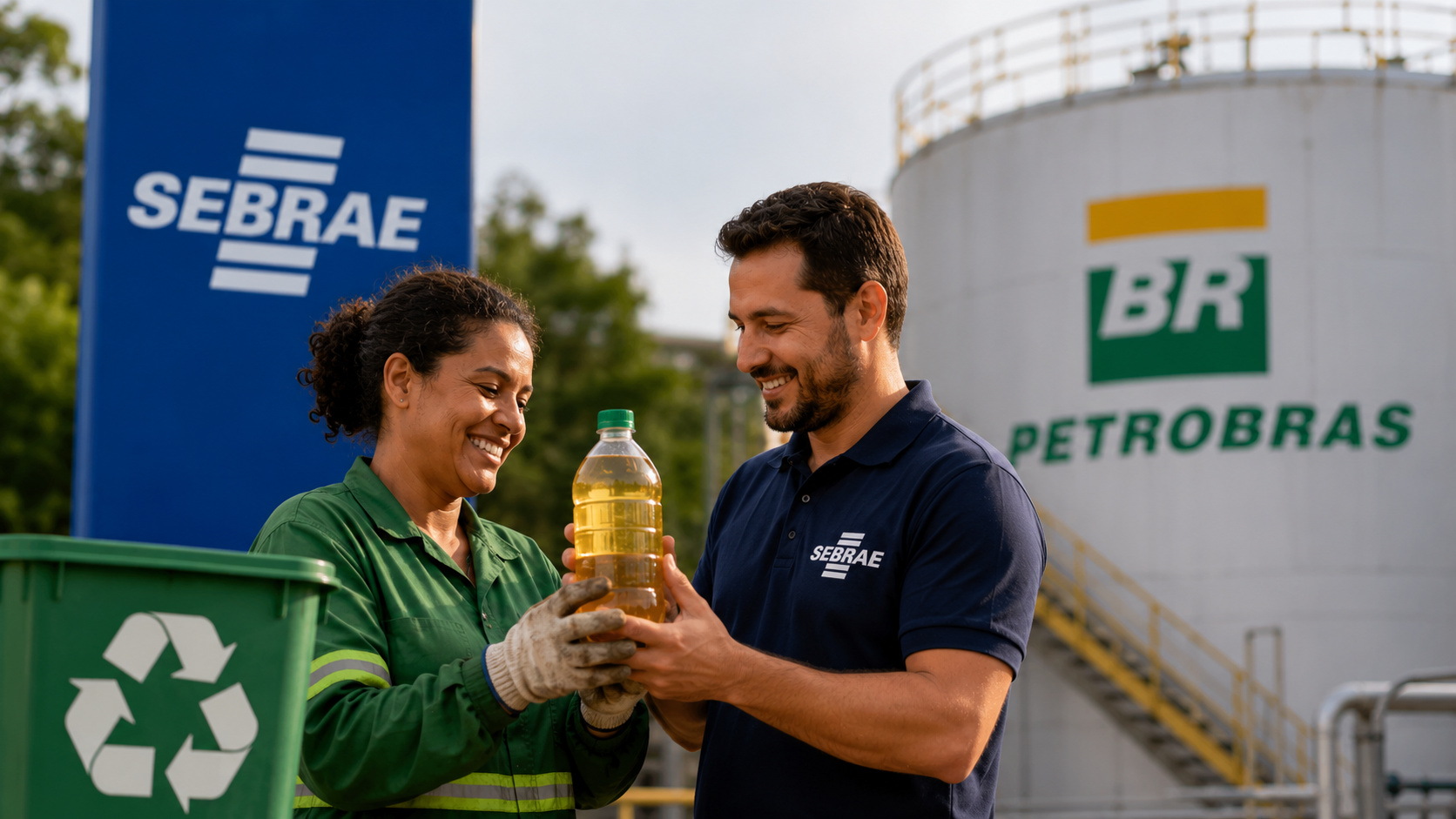
Sebrae and Petrobras join forces in Ceará to include waste pickers in the circular economy and strengthen the biofuel chain, creating new income opportunities and expanding the sustainable use of waste with a direct impact on regional development.

Historically, Brazil has always stood out in the production of biofuels. For example, ethanol produced from sugarcane shows how public policies and investments in technology can consolidate a competitive renewable energy sector.
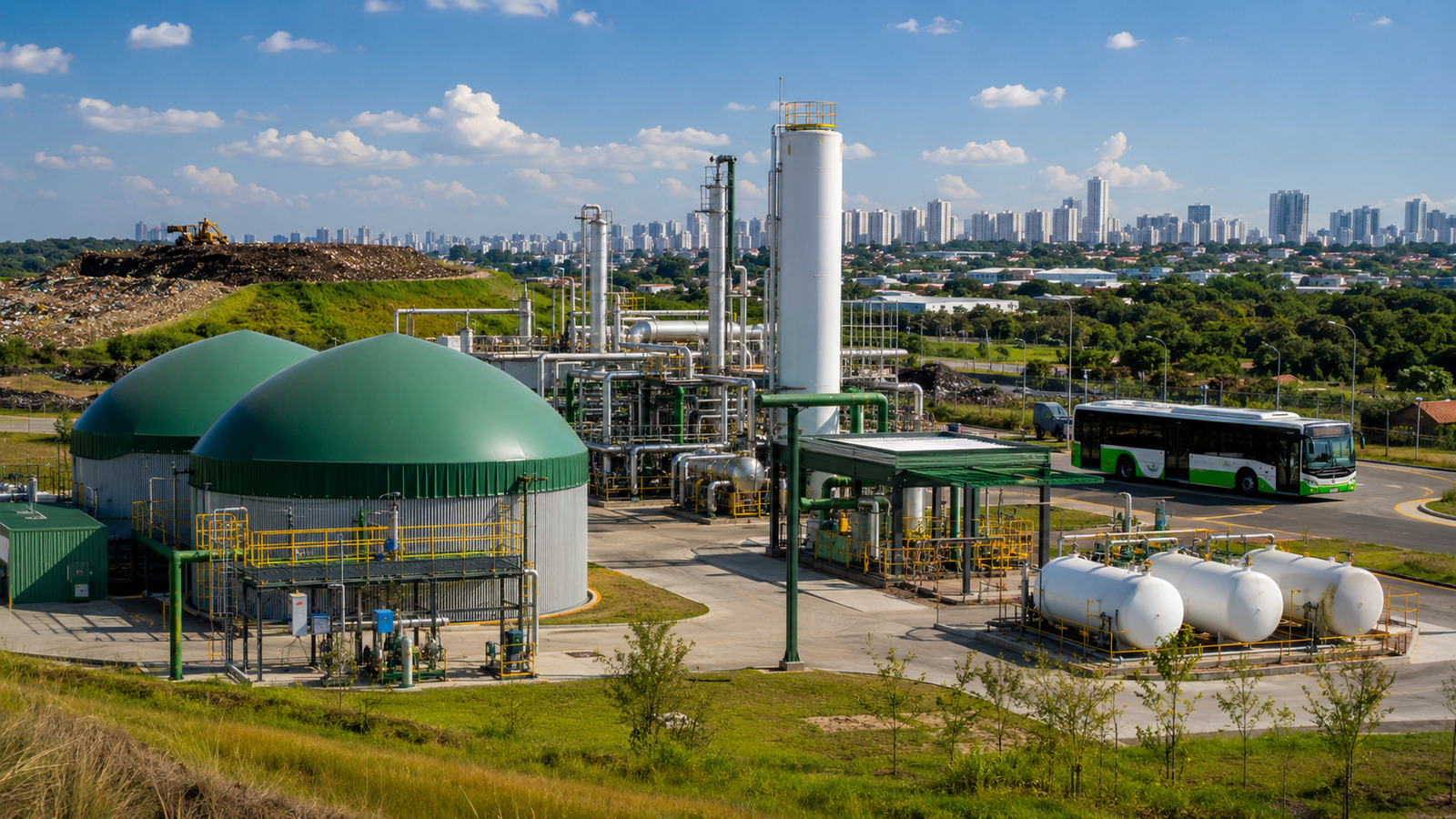
Now, the focus is expanding to biogas, which results from the decomposition of organic waste, such as agricultural, industrial, and urban waste. Thus, this fuel offers a clean alternative to fossil natural gas, contributing to the reduction of greenhouse gas emissions and the circular economy by utilizing waste that would otherwise be discarded.
Furthermore, the incentive for biogas creates mandatory emission reduction targets for producers and importers of natural gas. These targets, which begin to take effect progressively in 2027, demonstrate the government’s effort to integrate biogas into the national energy system.
For small producers, however, the decree exempts the requirement, allowing smaller entrepreneurs to enter the market without facing excessive regulatory barriers. In this way, all segments of the sector can participate in the process.
Implementation And Oversight Strategies
One of the strategies to meet the targets is the direct acquisition of biogas, allowing companies to consume renewable fuel in place of conventional natural gas.
In addition, another option is the purchase of renewable origin certificates, known as CGOBs, which prove that a certain amount of consumed energy originates from renewable sources.
This way, the National Agency of Oil, Natural Gas, and Biofuels (ANP) will oversee the program annually, ensuring transparency and effectiveness in the application of the rules.
The emergence of biogas incentive policies aligns with global trends towards decarbonizing the economy. For example, European countries like Germany and Denmark have already implemented consolidated programs for the use of biogas in public transport and gas distribution, encouraging the private sector to invest in production and purification technologies for the fuel.
In this context, Brazil, with its vast potential for organic waste and experience in biofuels, finds favorable conditions to follow this path.
Moreover, biogas offers several advantages compared to fossil natural gas. Besides being renewable, it meets existing applications, such as electricity generation, heating, and transportation, without the need for major infrastructure adaptations.
Therefore, the incentive for biogas becomes even more strategic, as it promotes energy sustainability without compromising the operational efficiency of the sector.
Additionally, its production encourages proper waste management, reducing environmental impacts from landfills and uncontrolled methane emissions.
In this regard, the development of a biogas market can also stimulate partnerships between companies and universities, strengthening scientific and technological research in the country.
Consequently, new purification, storage, and distribution processes may emerge from these innovation investments, making the Brazilian sector more competitive in the international arena.
Economic And Social Benefits
From an economic perspective, the biogas incentive program generates jobs and fosters new businesses.
Indeed, the installation of production plants involves sectors such as engineering, construction, logistics, and environmental technology. Furthermore, the market for renewable energy certificates creates opportunities for consulting, auditing, and environmental credit trading companies.
In this way, well-structured policies integrate economic development and environmental protection.
Another important aspect is the reduction of dependence on imported fossil fuels. In other words, biogas, produced locally from available waste in the country, decreases the need for natural gas imports and strengthens national energy security.
This independence is particularly relevant in a global scenario marked by volatility in oil and gas prices, geopolitical crises, and international regulatory changes.
In addition, the program, starting in 2027, will allow Brazil to closely monitor technological advancements related to the production and purification of biogas.
In recent years, various innovations have emerged, such as more efficient anaerobic digestion systems, purification techniques that increase gas quality, and integration of biogas plants with solar and wind energy systems.
As a result, these technologies reduce production costs and increase fuel competitiveness in the market.
Moreover, the biogas incentive also favors regional sustainable development programs, connecting small rural producers and cooperatives to larger value chains.
This way, it ensures that economic benefits are distributed equitably throughout the country. Thus, integration promotes social inclusion and local development, strengthening communities and encouraging more sustainable practices.
Impacts On Agriculture And Sanitation
Besides the energy sector, the biogas incentive benefits other areas, such as agriculture and basic sanitation.
For example, using agricultural waste for production transforms by-products into economic value, creating an additional source of income for rural producers.
In sanitation, the treatment of urban organic waste in biodigesters generates gas that feeds local energy networks or public transport, reducing emissions and promoting urban efficiency.
Still, the program reinforces the importance of regulation and oversight. By establishing clear targets and monitoring mechanisms, the government creates a reliable environment for investors, reducing risks and stimulating private investments.
Moreover, the ANP’s actions ensure that results are consistently monitored, strengthening the sector’s credibility and promoting a sustainable and transparent biogas market.
Additionally, biogas can fuel public transport fleets, contributing to sustainable urban mobility policies and reducing pollution in urban centers, directly benefiting public health.
Historical Context And The Biogas Incentive In Brazil
The evolution of the Brazilian energy sector shows that well-structured incentive policies rapidly transform strategic sectors.
Since the National Alcohol Program (Pró-Álcool) in the 1970s, which consolidated ethanol production, to the current investments in solar and wind energy, the country demonstrates that government incentives combined with technological innovation generate significant changes in the energy market.
Thus, the same applies to biogas, which can become a central piece in Brazil’s energy transition.
Therefore, the incentive for biogas starting in 2027 represents a milestone in the pursuit of a cleaner, more diversified, and resilient energy matrix.
It offers environmental, social, and economic benefits, leveraging the country’s potential to consolidate a competitive renewable energy market.
By stimulating local production, reducing emissions, and generating jobs, the program aligns the interests of the government, private sector, and society, reinforcing Brazil’s position as a protagonist in the global energy transition.
As a result, the expectation is that the biogas market will grow sustainably, allowing the country to better utilize its natural resources and strengthen its low-carbon economy.
The biogas incentive not only creates opportunities for companies and investors, but also contributes to a more sustainable future, with clean and accessible energy for all.
In summary, the biogas incentive program constitutes a strategic step by the Brazilian government to integrate renewable fuel into the national market.
It combines historical experience, effective public policies, and technological advancements to strengthen a more sustainable and competitive energy sector.
Thus, starting in 2027, biogas could consolidate as a real alternative to fossil natural gas, reinforcing Brazil’s commitment to sustainable development and the global energy transition.





Be the first to react!