





 Portuguese
  English
  Spanish
  4 min of reading
  0 comments


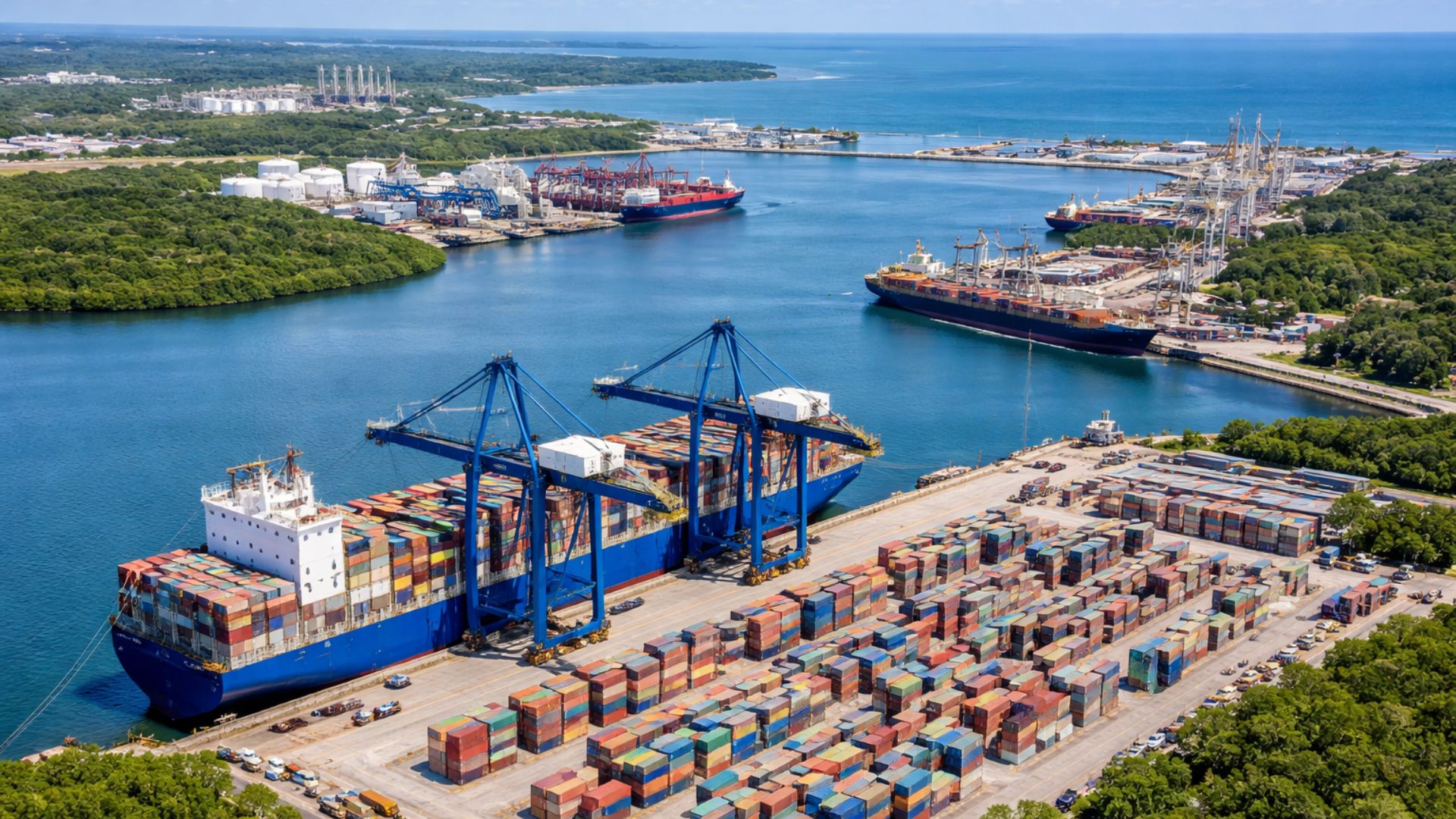
Port Complex on the coast of Pernambuco combines environmental preservation, accelerated growth, and billion-dollar investments in clean energy and logistics, with new terminals, e-methanol production, and expansion of cargo handling, reinforcing its strategic position on international routes and in the global energy transition.
Located about 40 kilometers from Recife, the Suape Industrial Port Complex is undergoing an expansion phase that integrates logistics, energy transition, and environmental preservation within the same strategic area on the Pernambuco coast.
Connected to over 250 ports across all continents, the venture hosts more than 80 companies in operation, accumulates R$ 74.5 billion in private investments since its inauguration, and preserves 59% of the territory as protected environmental area.
In this scenario, recent advancements are supported by two fronts that reposition the complex both on the map of international navigation and in the context of low-carbon energy production.
-
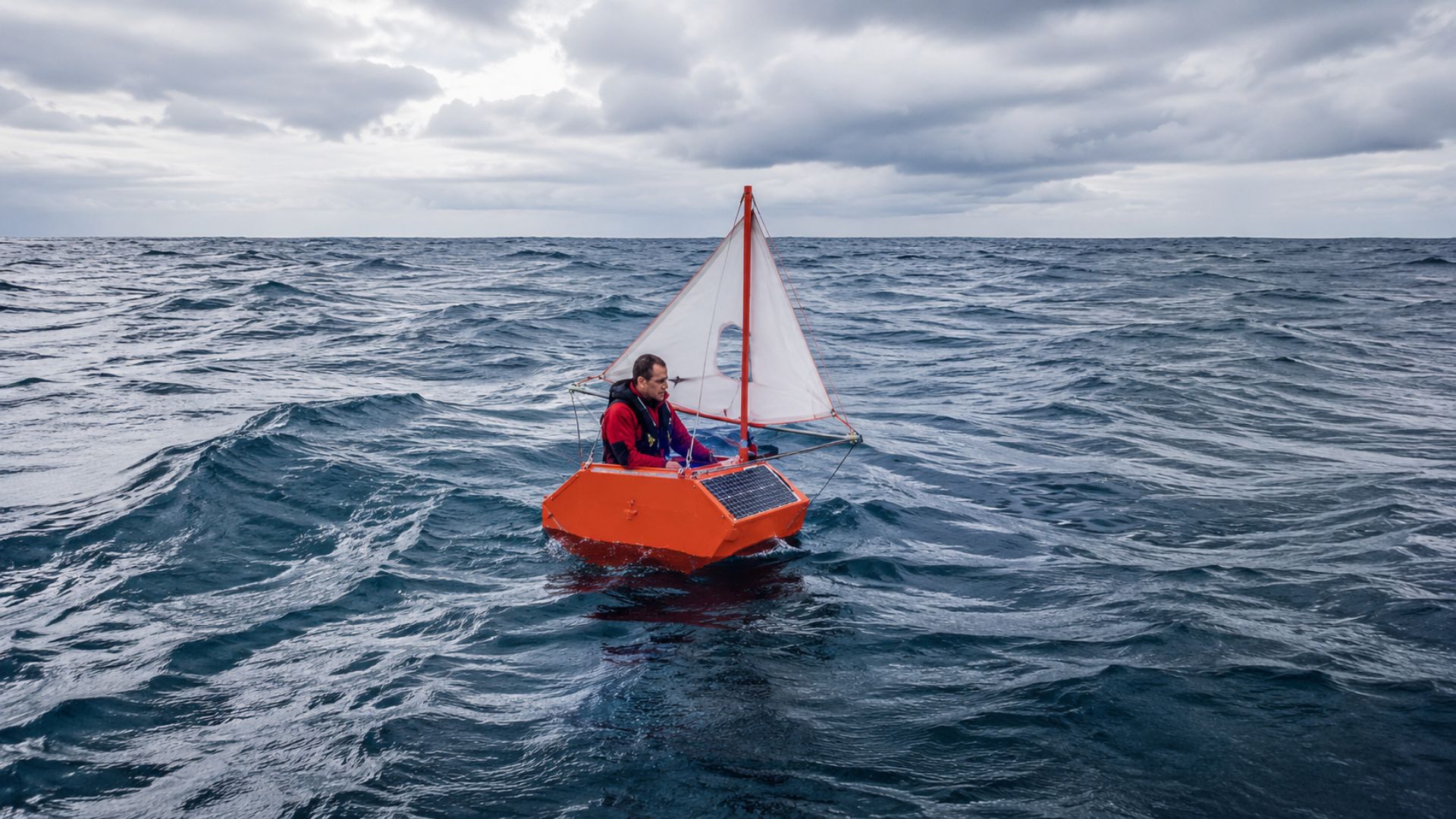
In a boat just 1.19 meters long, smaller than many kayaks, Briton Andrew Bedwell wants to cross nearly 3,000 kilometers of the North Atlantic alone and spend more than two months without being able to lie down or stand up, all to break a record and honor cancer victims.

-
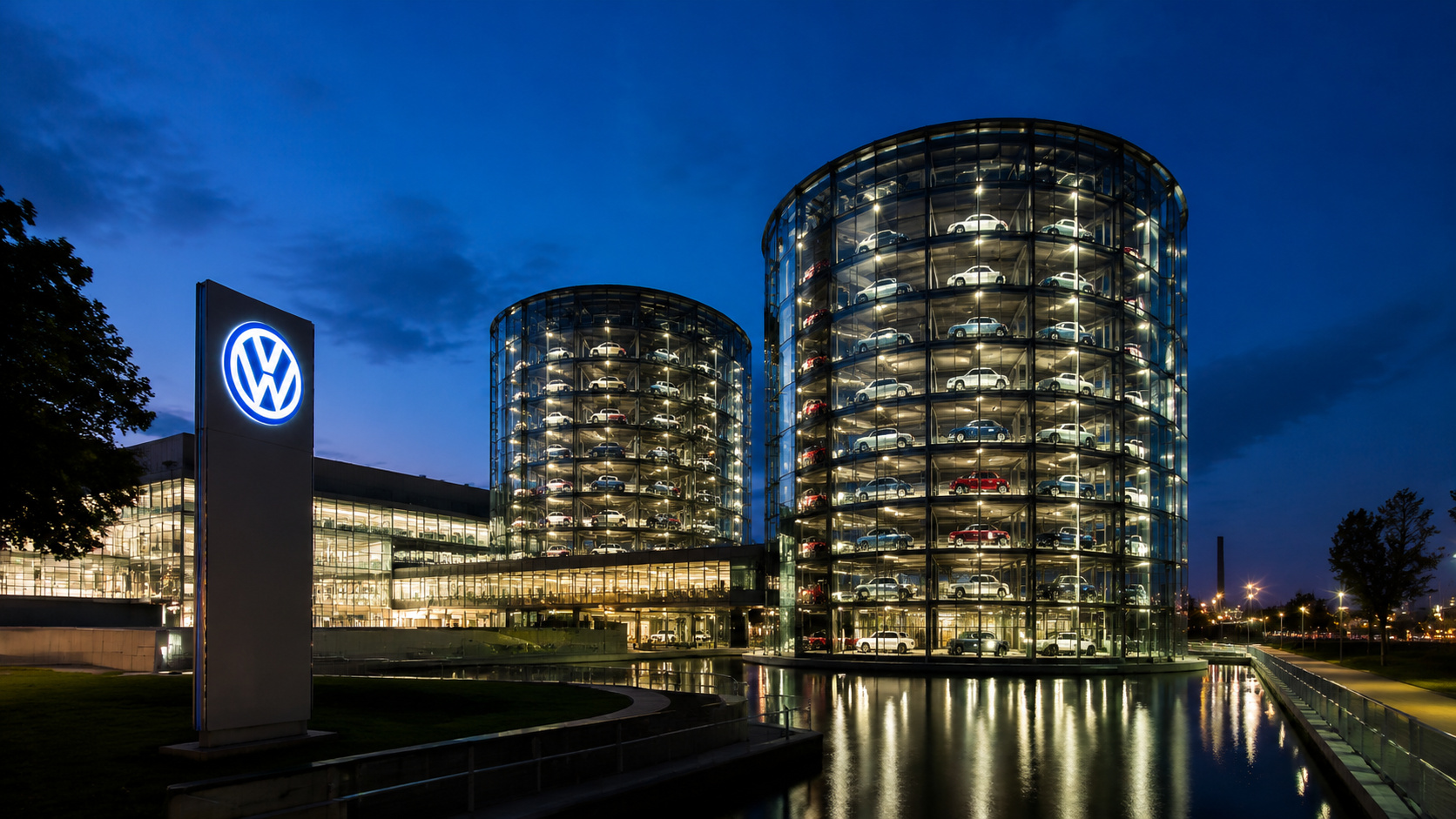
While most dealerships in Brazil take days to deliver cars, in Germany two 48-meter glass towers hold 800 vehicles and release each model via automatic elevators in a few seconds.

-
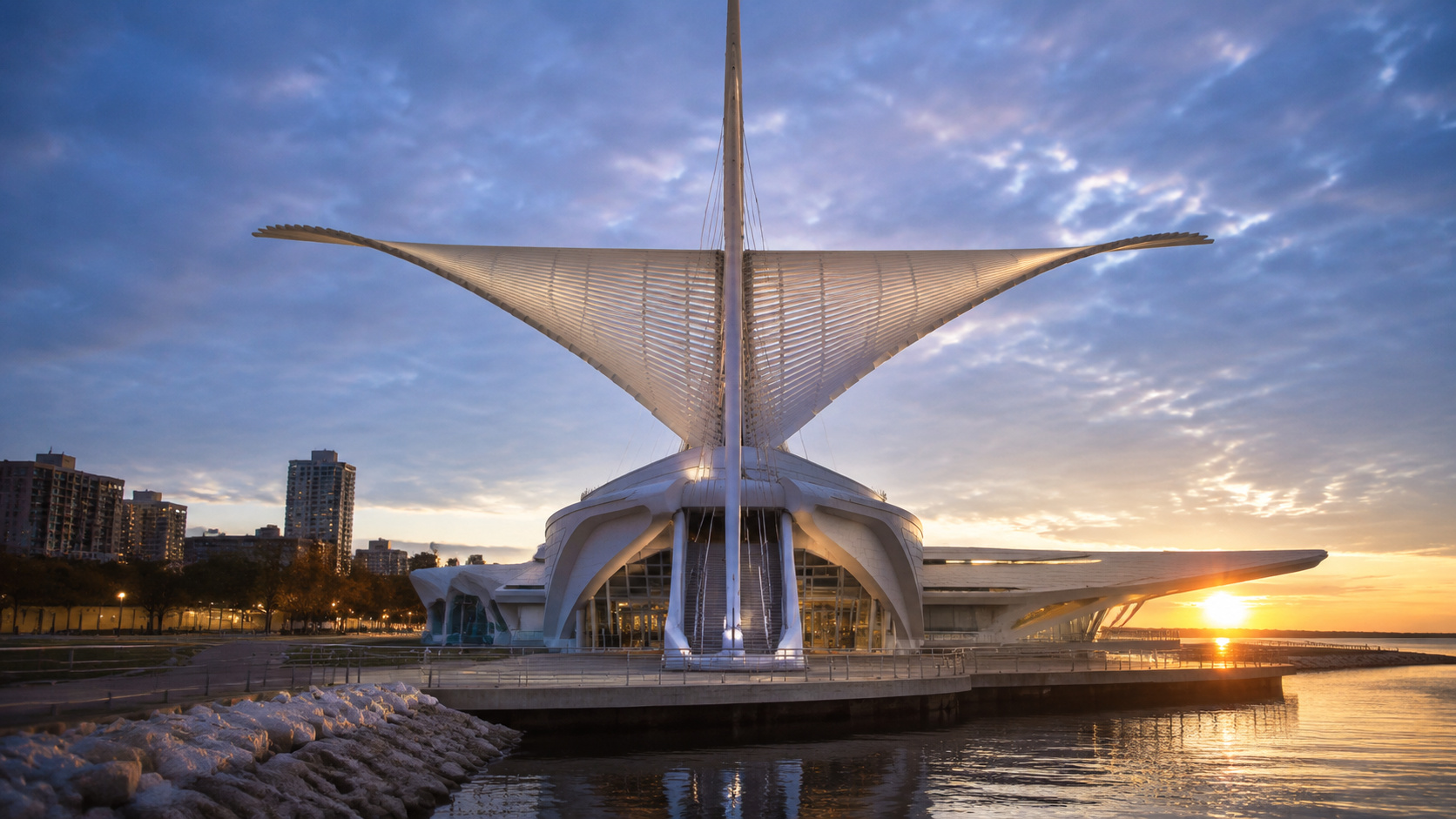
In Japan, a 40 by 60-meter concrete museum without pillars rises like a floating drop, allowing wind, light, and rain inside the space and surprising architects and engineers with the delicacy of the structure.
-
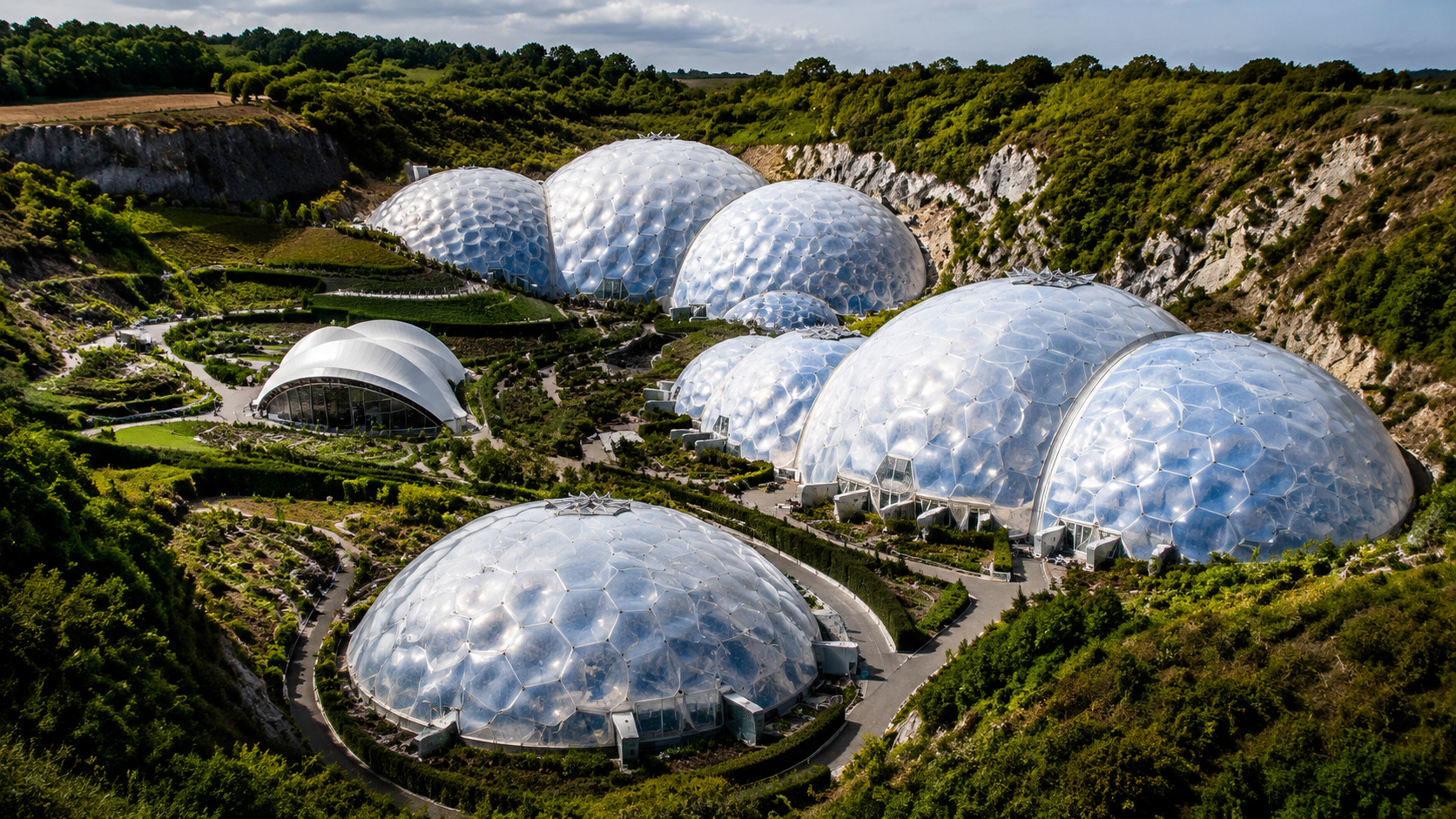
While traditional constructions rely on tons of concrete to support weight, in England an abandoned site was converted into transparent hexagonal domes, combining lightweight engineering and mine repurposing, transforming the landscape and local tourism.

While cargo handling grew by 38.6% in January 2026, reaching 2,193,515 tons during the period, the port also consolidated a robust portfolio of projects aimed at decarbonization and infrastructure expansion.
At the same time, initiatives such as new e-methanol plants and the implementation of a fully electrified container terminal reinforce the strategy of adapting to the environmental demands of global trade.
Investments in Suape and new electrified terminal
Among the ongoing projects, the investment led by APM Terminals, a company of the A.P. Moller-Maersk group, stands out as one of the main structural transformations in the port complex.
In March 2026, the company reported that the terminal entered the final construction phase, with the arrival of fully electrified equipment aimed at container and general cargo operations.
With an initial capacity expected to reach up to 400,000 TEUs per year, the structure was presented as the first port facility of its kind in Latin America with fully electrified operation.
According to the company itself, the expectation is that commercial operations will begin in the second half of 2026, significantly expanding the logistical capacity of the Pernambuco port.
Although the company’s direct investment is estimated at 300 million euros, the federal government reported that the total amount applied to the project already exceeds R$ 2 billion.
Previous records indicated values between R$ 2.5 billion and R$ 2.6 billion, highlighting adjustments throughout the execution as the works progressed and contractual updates occurred.
In addition to operational gains, the entry of the new terminal alters the competitive dynamics of the port, which since 2001 had concentrated container handling in a single leased structure.
With this expansion, Suape begins to operate with more than one relevant logistics hub, strengthening its position as a regional hub for higher value-added cargo.
Production of e-methanol and clean energy at the port
In the industrial field, the complex is advancing to occupy a still underexplored space in Latin America by investing in the production of e-methanol on a commercial scale.
The first initiative was formalized in September 2024, when the government of Pernambuco signed a contract with the Danish company European Energy to install the first plant of its kind in the country.
With an estimated investment of R$ 2 billion, the project received preliminary license in 2025 and anticipates production of 15 tons per hour of green methanol.
Subsequently, in June 2025, GoVerde Holding announced the implementation of a second unit in the complex, also with an investment of R$ 2 billion.
Planned to occupy an area of 10 hectares, the new plant is expected to start construction in 2026 and begin operations between 2027 and 2028.
Initially, the capacity will be 300 tons per day, with a gradual expansion forecast to reach 900 tons daily by 2032.
This advancement occurs in a context of international pressure for emission reductions, especially in maritime transport, which is undergoing significant regulatory changes.
The International Maritime Organization has established progressive targets for the use of low-emission fuels, with intermediate goals set for 2030 and an ambition for carbon neutrality around 2050.
In light of this, Suape’s geographic position in the South Atlantic becomes a competitive differential to serve international routes seeking cleaner energy alternatives.
In addition to its strategic location, the port has been expanding its global presence through trade missions and agreements with Asian markets.
Between February and March 2026, representatives of the complex were in Southeast Asia to attract investments and consolidate new maritime routes.
Growth of cargo and logistics expansion
The latest operational indicators reinforce the expansion moment experienced by the Pernambuco port.
After closing 2024 with 24.8 million tons handled, a result that ranks among the highest in its history, Suape began 2026 maintaining a high growth rate.
Liquid bulk, containers, and various cargo led the performance, reflecting a consistent increase in logistics activity within the complex.
At the same time, another relevant project involves the structuring of a new vehicle terminal, which has received authorization to be tendered.
With a bidding notice expected by May 2026, the project aims to further consolidate Suape’s role as a regional automotive hub.
Currently, the port stands out in the flow of production from Stellantis and in vehicle import operations.
The history of the complex helps to gauge the magnitude of this transformation over the last few decades.
From the first studies in the 1960s, through the establishment of the state-owned company in 1978 and the start of operations in 1983, Suape has evolved to become one of the main logistics hubs in the country.
Today, the challenge is to integrate this operational tradition with a new agenda focused on sustainability and integration into global clean energy chains.






Be the first to react!