





 Portuguese
  English
  Spanish
  3 min of reading
  0 comments


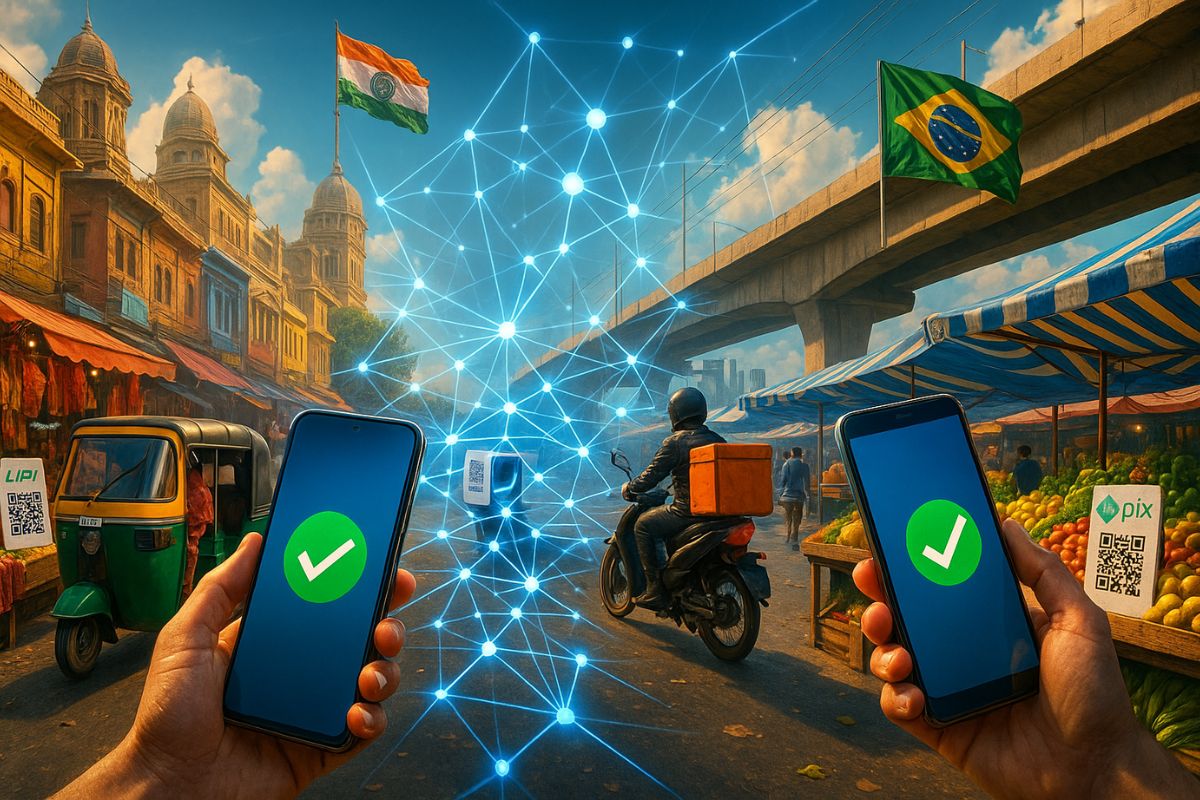
Pix and Open Finance as the Basis for an Open Ecosystem Connecting Merchants, Deliverers, and Consumers with Lower Fees and Greater Competitive Scale
India has aligned instant payments with an open e-commerce protocol and built an environment where merchants, deliverers, and consumers interact without relying on a single platform. The result was competition, reduced fees, and scale for micro-entrepreneurs. In Brazil, Pix and Open Finance are already forming the foundation for a similar shift, but it lacks integration of the pieces into a design that generates end-to-end value.
The practical goal is to transform Pix and Open Finance into infrastructure that unites identity, checkout, logistics, and credit, allowing street vendors, markets, and neighborhood retail to sell, receive, finance, and deliver with the same fluidity as a large marketplace, keeping transaction costs under control and improving formalization.
What India Integrated
The Indian experience combines UPI for instant payments, simple authentication for the end user, and ONDC as an open marketplace layer, where multiple apps interoperate.
-
The government is considering a temporary subsidy for cooking gas following the spike in oil prices due to the war in Iran and warns about the impact of 20% of imports on the prices paid by families.

-
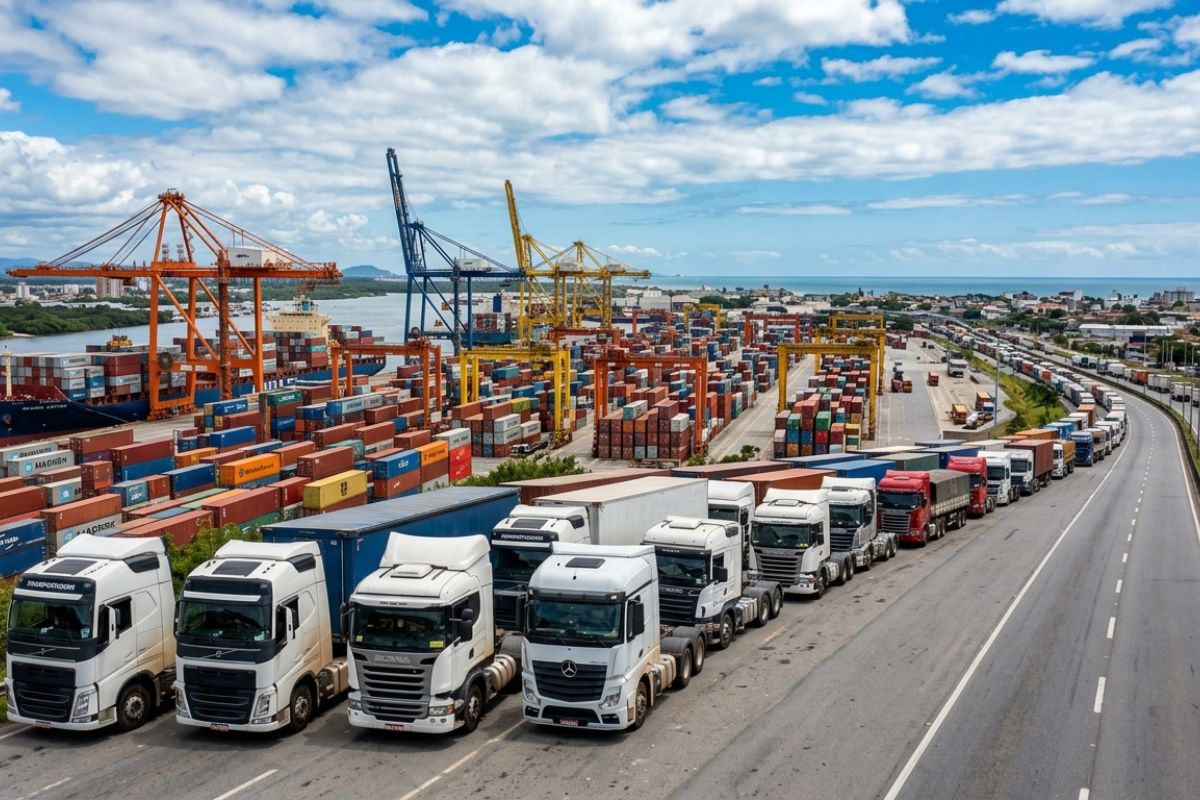
The lack of truck drivers in the country is already halting shipments and threatening deadlines: 88% of transport companies are unable to hire, with an average of eight trucks idle, and the port complex of Itajaí is now feeling the impact.
-
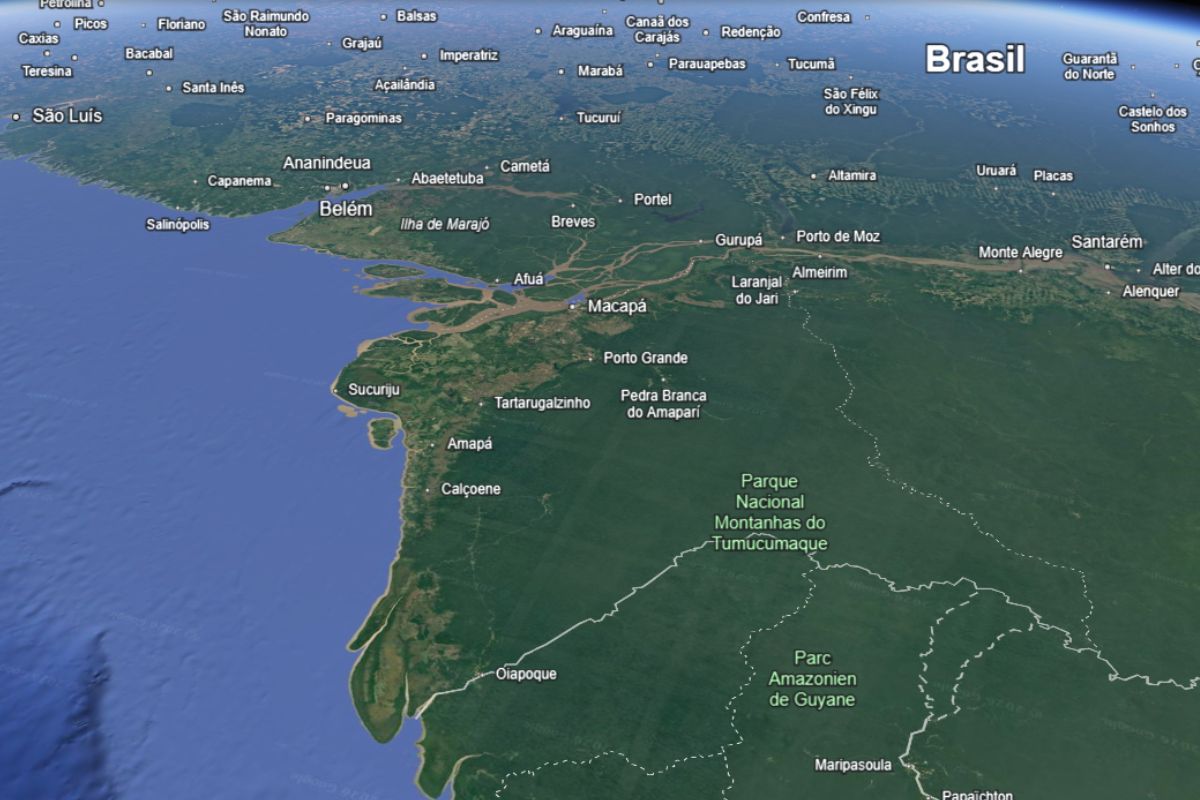
Petrobras is about to transform a forgotten city in the far north of Brazil into the capital of oil: Oiapoque is already feeling the effects even before the first drop of oil comes out from the seabed.
-
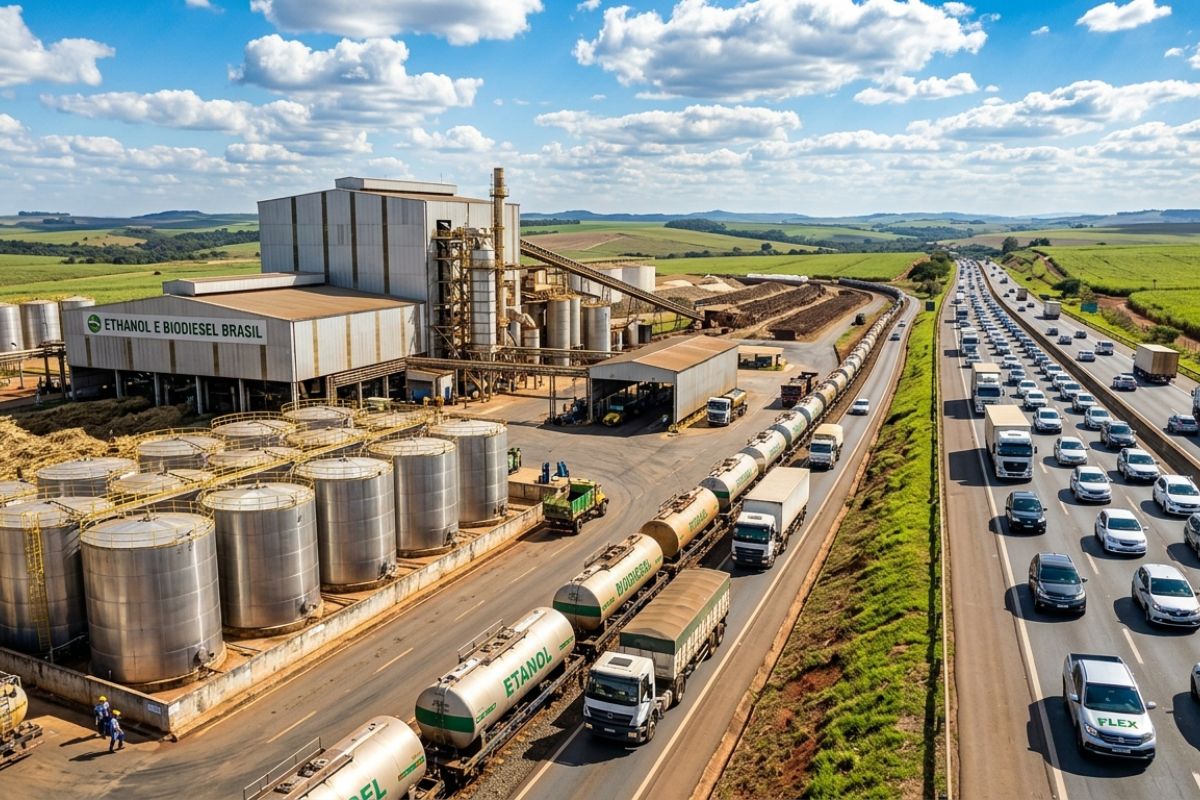
The Economist says that Brazil has a secret weapon in the oil war during this crisis: ethanol, biodiesel, and flex-fuel vehicles. With Petrobras holding costs, fuel prices are rising 10% to 20% here, compared to 30% to 40% in the USA.

The logic is modular: a client app accesses offers published by various merchants while other providers compete in logistics, search, and reputation.
What Brazil Already Has
Brazil has Pix and Open Finance as a transactional and data foundation, along with digital identity and electronic invoicing.
This set already allows for instant payment, payment initiation, consented data sharing, and fiscal issuance, essential blocks for open commerce.
The challenge is to stitch the layers into a technical and governance standard that any app can adopt.
What Is Missing for a “Brazilian ONDC”
There are three clear operational gaps: last mile logistics, interoperability between apps, and credit for micro-entrepreneurs.
Without a minimum standard for catalog, cart, tracking, and SLA, the competition is confined to payment, not the complete service.
And without credit lines plugged into the Open Finance history, small businesses lose momentum to rotate stock and accept terms.
Metrics That Matter from Day One
To measure traction, the gauge should track cost per transaction, average ticket, participation by ZIP code, and formalization.
Monitoring these indicators on public dashboards accelerates course corrections and builds trust among municipalities, associations, and logistics operators.
The viable path is to publish an open commercial interoperability standard coupled with Pix and Open Finance:
catalog and orders with unique identifiers, checkout with Pix initiation, shipping cost calculation by competing providers, automatic fiscal issuance, and data-consented credit connectors.
Each app chooses its role, but they all speak the same technical language.
Why This Empowers the Small
With an open protocol, the street vendor or neighborhood market appears on multiple apps at the same time, negotiates deliveries with different operators, and receives via Pix with automatic reconciliation.
The competition migrates to service and price, not to platform locks, and Open Finance unlocks credit based on actual sales history.
Publishing the minimum message standard between apps, logistics, and payments, testing in urban pilots by ZIP code, and disseminating weekly metrics of cost, ticket, and formalization.
Pix and Open Finance are already ready to support this layer; it remains to align governance, APIs, and SLAs for the ecosystem to thrive.
What pain of small retail in your city would you address first with a “Pix ONDC”: last mile logistics, interoperability between apps, or credit linked to Open Finance?







Seja o primeiro a reagir!