





 Portuguese
  English
  Spanish
  4 min of reading
  0 comments


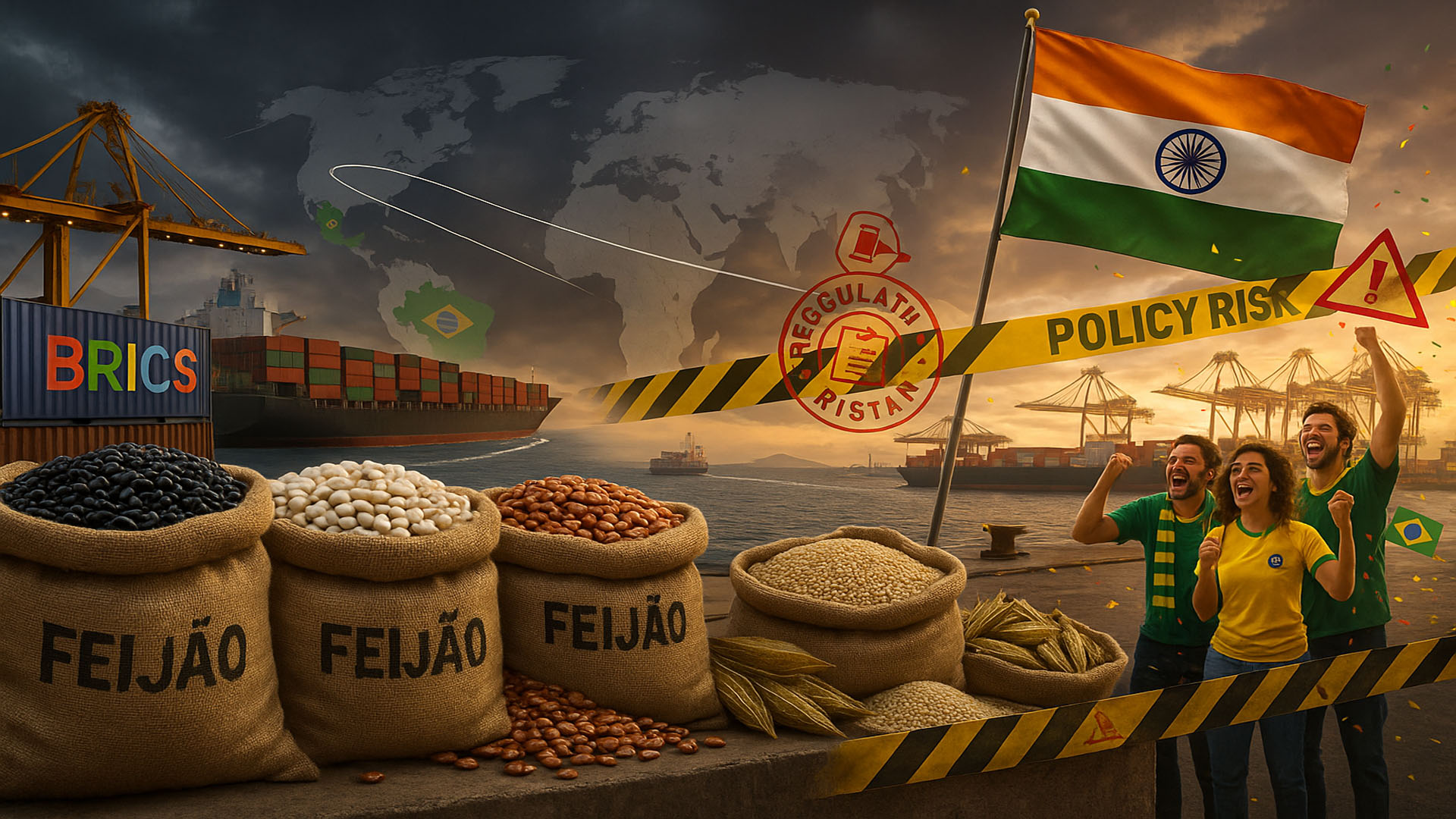
Brazil Exports 361.8 Thousand Tons of Beans Until September and Also Breaks Record in Sesame, India Leads Purchases, While Import Policies and Regulatory Risks Remain on the Radar.
Brazil Achieved a New Export Record of Beans Between January and September 2025, 361.8 Thousand Tons, Up 4.3% Compared to 2024. The Performance Was Driven by Demand from India, the Main Destination During the Period.
In Addition to Beans, Sesame Consolidated Its Surge in the International Market, with 349.7 Thousand Tons Exported Year-to-Date and a Peak of 109 Thousand Tons in September. China Led Monthly Purchases, Followed by India, Vietnam, and Turkey.
Industry Experts Attribute the Advances to a Combination of Diversification of Varieties, Opening Markets, and Actions from the Brazil Super Foods Project, a Partnership Between IBRAFE and ApexBrasil, Aimed at Positioning Beans and Sesame as Sustainable Superfoods.
-
End of the bricklayers? The construction industry suffers from a labor shortage, and the causes go beyond Bolsa Família and Uber.

-
The construction sector opposes the release of R$ 7 billion from the FGTS for workers to pay off debts: the measure raises a risk alert in the market, threatens Minha Casa Minha Vida, housing credit, and mass layoffs in Brazil.

-
Mining company Vale and Chinese Shandong Shipping finalize the construction of the world’s first ocean-going ship powered by ethanol, a giant measuring 340 meters in length and with a capacity of 325 thousand tons.

-
Airfare prices can rise by up to 30% — what are the government and Petrobras doing to prevent an even larger increase?

According to Reuters, There Is Opportunity for Growth, but Regulatory Risks in India and Demand Volatility Require Caution in the Coming Harvests.
Historical Record and Map of Bean Exports
The Consolidated Numbers Confirm the Export Boost, 361,864 Tons of Beans Exported Year-to-Date, the Highest Mark in the Series. India Accounted for 207.5 Thousand Tons, According to Data Compiled by IBRAFE, with Pakistan, Portugal, South Africa, and Venezuela Following. In 2024, the Same Period Totaled 346.6 Thousand Tons.
Breaking It Down by Type, the Black Mung Bean (urad/black matpe) Stands Out as the Best Seller: 171 Thousand Tons, About 47% of 2025’s Exports. White Cowpea Accounted for +66 Thousand Tons; Black Beans, 59 Thousand Tons; and Striped, Red, and White Beans, 54 Thousand Tons. Carioca Beans Remain Largely in the Domestic Market.
For Producers, the Practical Insight Is Diversification of Channels. India Sets the Pace, but Exports to Alternative Countries Reduce Exposure to Trade Policy Shocks. Risk Management Is Becoming as Important as Productivity.
Why India Buys So Many Beans
India Is the World’s Largest Producer and Consumer of Pulses and Still Imports Significant Volumes to Balance Supply and Prices for Consumers. In 2024, the Country Spent About US$ 5 Billion on Pulse Imports and Announced a Multi-Year Program to Increase Domestic Production and Reduce External Dependence.
Indian Trade Policy Is Interventionist and Changes with the Harvest Cycle and Prices. In 2025, New Delhi Extended the Free Import Policy (No Tariff) for Urad (Black Mung Bean) and Yellow Pea Until March 31, 2026, Signaling Support for Supply. Sudden Changes Remain Possible and Require Monitoring.
For Brazilian Exporters, the Message Is Pragmatic: Plan with Flexibility in Deadlines and Destinations, Monitor DGFT Notifications, and Use Contracts with Clauses Covering Potential Tariff and Non-Tariff Barriers.
Black Mung Bean: IAC Innovation Accelerates Access to the Indian Market
The Shift in Black Mung Bean Is Technology-Based. Varieties from IAC for Mung (Vigna radiata) and Black Mung (Vigna mungo), Described in Technical Literature, Support Early Cycle and High Productive Potential, Facilitating Adoption in Rotation Areas and Short Windows. The Field Launch in 2024 Expanded Brazilian Supply Just When India Opened Imports.
With Quality Standardization and Appropriate Logistics, Brazilian Black Mung Has Been Competing on Price and Consistency. Post-Harvest Attention Remains Critical: Grain Color, Moisture, and Impurities Impact Final Prices in Asian Markets.
Producers Report Additional Gains By Integrating Black Mung into Conservation Systems, with Low Input Use and Mechanized Harvesting. The Result Is Improved Area Profitability Without Pressuring Domestic Supply of Carioca Beans.
Sesame Also Breaks Record and Reinforces the “Superfoods” Agenda
In Line with the Promotion Actions of Brazil Super Foods (ApexBrasil + IBRAFE), Sesame Moved from a Lateral Position and Became a Pillar of the Agenda. Brazil Totaled 349,674 Tons in the Year and 109 Thousand Tons in September. In September, China Accounted for 64 Thousand Tons (58%), Followed by India, Vietnam, and Turkey.
The Repositioning of Sesame as a High Nutritional Value Ingredient and with a Traceable Supply Chain Expanded Access for Asian and Middle Eastern Buyers. Exporters Report Improved Quality Premium with Long-Term Contracts.
For 2026, the Combination of Marketing, Certifications, and Production in New Frontiers Should Keep Brazil Among the Top Exporters. Monitoring Freights and Exchange Rates Will Be Crucial for Maintaining Margins.
The Record Is a Cause for Celebration, but Do You Agree That Brazil Should Increase Sales to India Even with the Risk of Regulatory Changes There? Or Should the Focus Be on Diversifying Destinations and Locking in Less Price in India? Comment Your Views on the Balance Between Short-Term Gain and Long-Term Security for Brazilian Producers.








Seja o primeiro a reagir!