





 Portuguese
  English
  Spanish
  5 min of reading
  0 comments


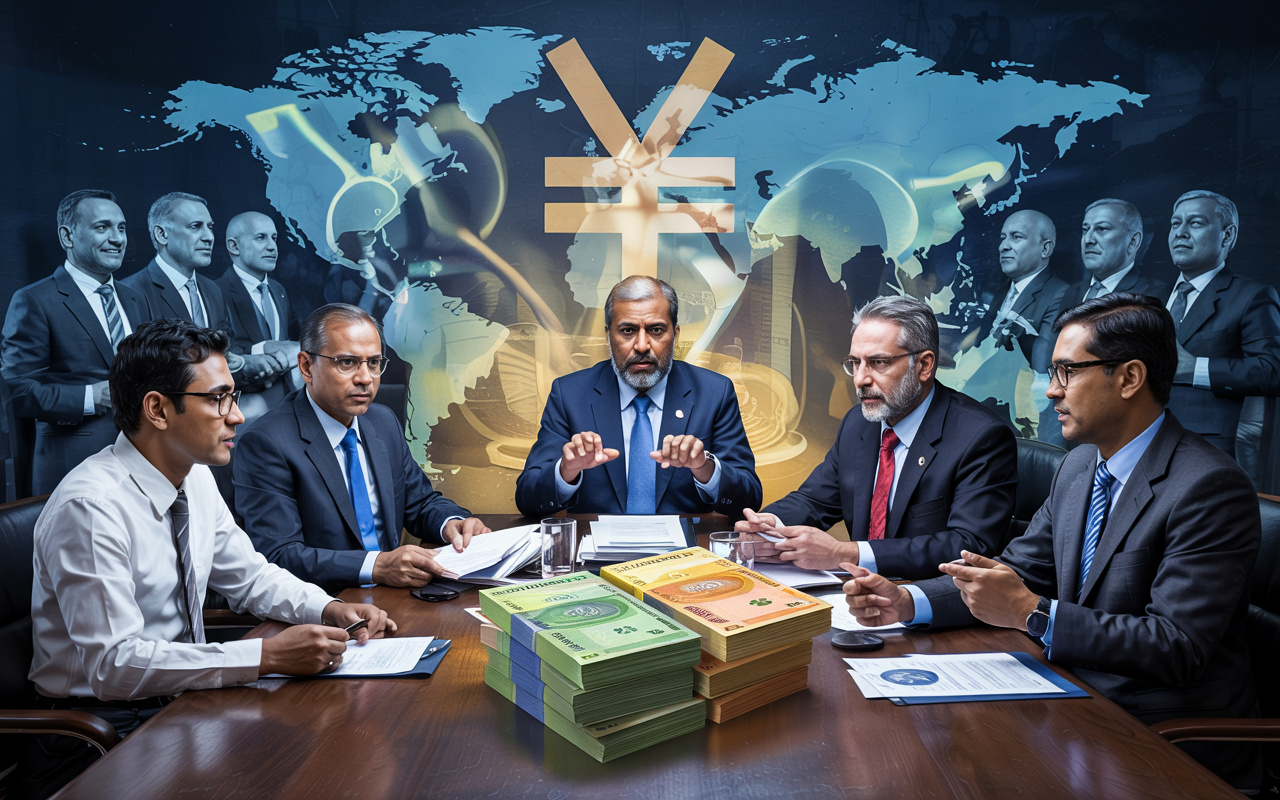
India Pressures for the Use of the Rupee in the BRICS in 2025, But Brazil and South Africa Resist and Advocate Multicurrency System Against China’s Advancement.
What was supposed to be a technical debate turned into a geopolitical dispute within the BRICS in 2025. India began to push for the expanded adoption of the rupee in the bloc’s trade agreements, trying to transform its currency into an instrument of greater global projection. However, the movement faced immediate resistance from Brazil and South Africa, who prefer to maintain a multicurrency system, capable of balancing forces and avoiding the hegemony of a single country — whether China with the yuan or India itself with the rupee.
The divergence exposes the internal rift in the BRICS at a decisive moment. While countries seek alternatives to the dollar and discuss platforms like BRICS Pay, the risk grows that the internal monetary dispute will weaken the bloc’s cohesion.
India’s Plan: Make the Rupee a Reference
The Indian strategy did not come out of nowhere. New Delhi has been working since 2023 to internationalize the rupee. It has established bilateral agreements with countries in Asia and Africa, created compensation mechanisms in rupees, and sought to attract strategic partners to abandon the dollar.
-
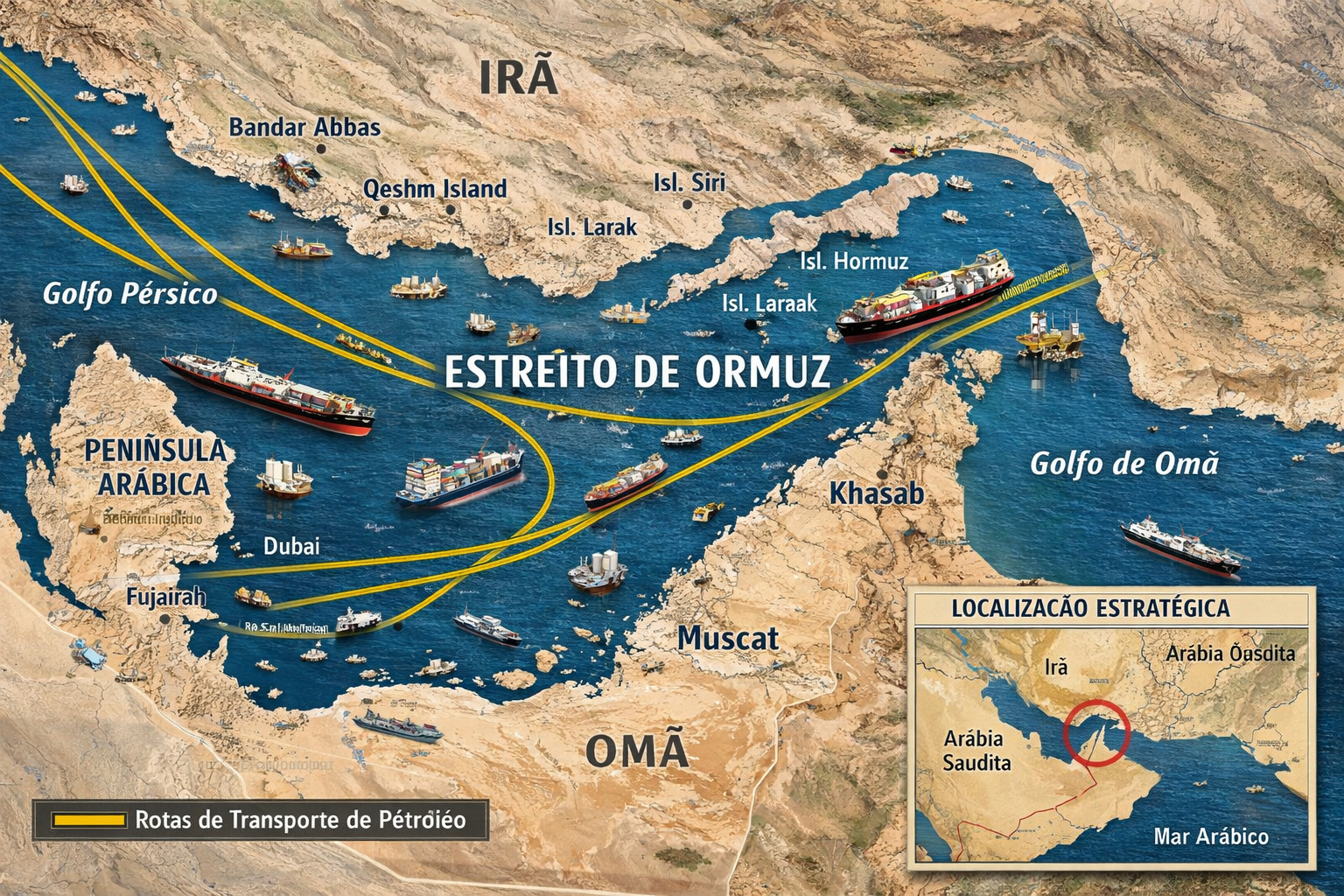
Global summit with over 40 countries pressures Iran for a blockade in the Strait of Hormuz and warns of direct impact on oil, food, and the global economy.
-
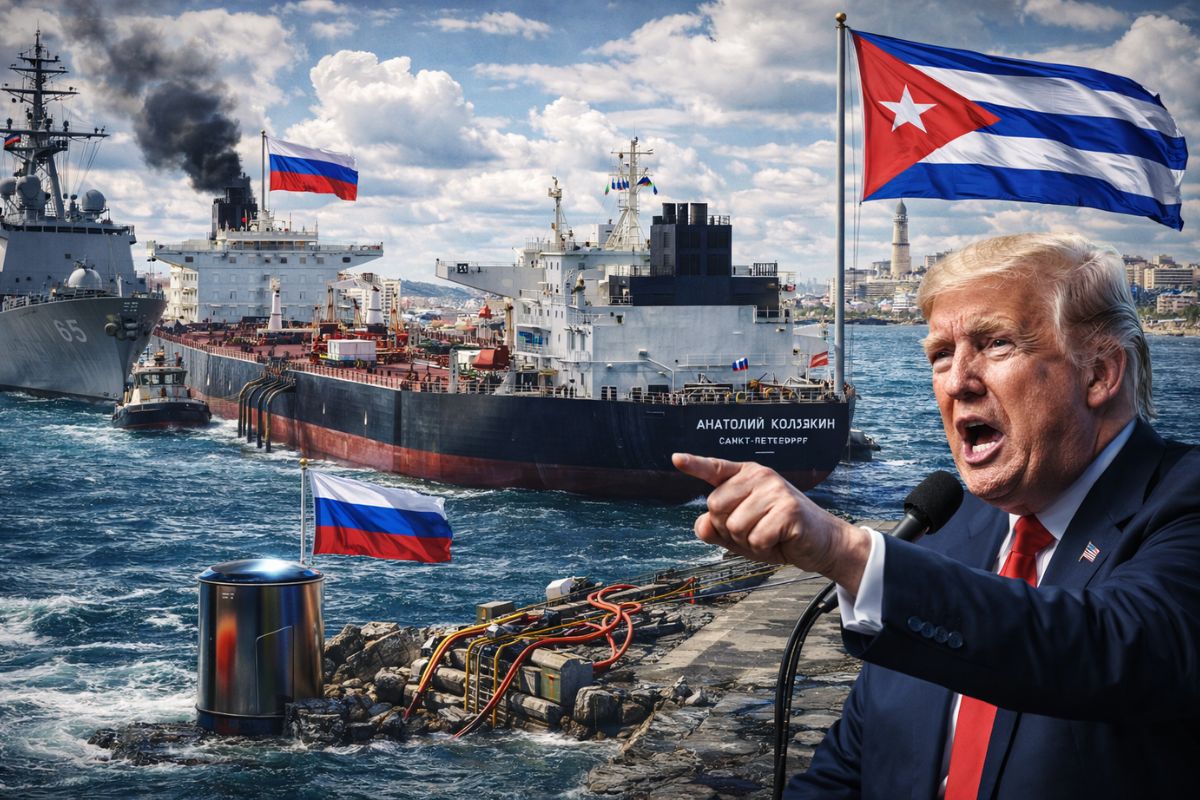
Russia has broken the U.S. maritime blockade to send oil to Cuba and is now loading a second ship while Trump says that “Cuba is next” in a possible military action against the island.
-
Spain challenges the USA and closes its airspace for operations against Iran, raising global tension and provoking the threat of a trade rupture.

-
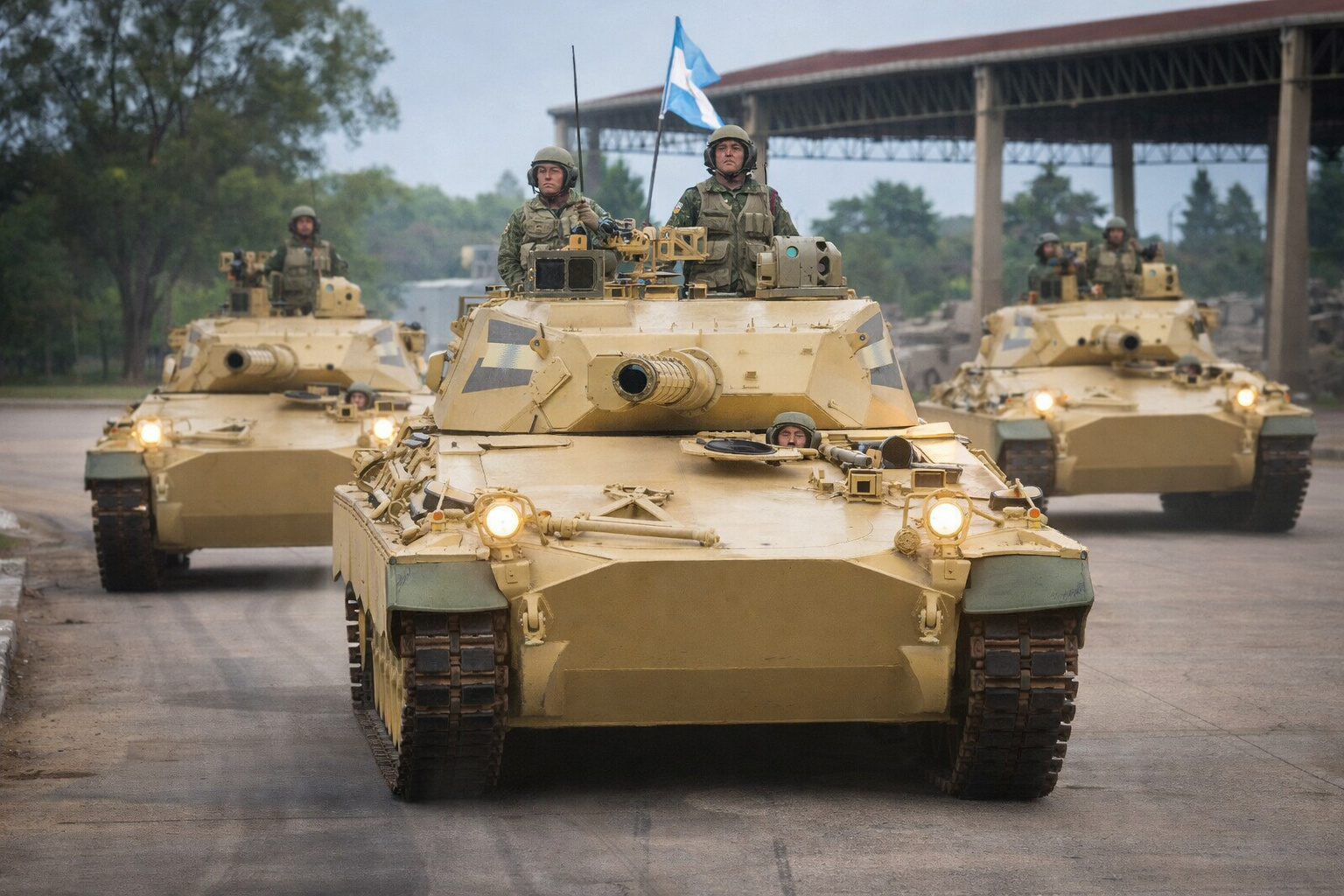
While no other country manufactures tanks in Latin America, Argentina activates the TAM 2C-A2 and raises a curiosity about the technological lag in the region.

In 2025, India wants to make a leap: insert the rupee inthe heart of the BRICS, transforming it into one of the reference currencies for commercial contracts and investments within the bloc. The objective is twofold:
- Reduce dependence on the dollar, aligning with the narrative of dedollarization.
- Gain prominence against China, which currently leads the bloc with the advancement of the yuan.
With over 1.4 billion inhabitants and a GDP growing above the global average, India aims to use the rupee as a tool of diplomatic and economic power.
The Counterattack from Brazil and South Africa
If the Indian proposal pleases Moscow and partially interests Beijing, it does not receive the same welcome in Brasília and Pretoria. Both Brazil and South Africa argue that the BRICS should advance in a multicurrency payment model, allowing countries to transact in yuan, rupee, real, rand, or ruble, as per the convenience of each operation.
The Brazilian view is clear: by prioritizing only one currency, the bloc risks trading dependence on the dollar for a new dependence — whether it is on the yuan or the rupee. The multicurrency model, on the contrary, would ensure flexibility and internal balance, while respecting the diversity of the economies that make up the BRICS.
The Weight of China: The Yuan as a Silent Rival
At the center of the debate is China, which has advanced much further than India in the process of internationalization. Only in trade with Brazil, the yuan already accounts for about 40% of transactions in 2025, supported by the R$ 157 billion currency swap agreement signed between the two countries.
Beijing views the Indian proposal with ambivalence. On one hand, it supports any initiative that reduces the dollar’s space. On the other, it does not want to see the rupee gaining too much ground within the BRICS, especially when the yuan starts to secure its territory. Thus, the game is one of patience: China pretends to support India but works behind the scenes to keep the yuan as the dominant currency of the bloc.
In the United States, the Dispute is Watched with a Mixture of Concern and Relief
In the United States, the dispute is watched with a mixture of concern and relief. Concern because each advancement of the BRICS in alternative currencies represents a threat to the dominance of the dollar. But also relief because, while the members fight among themselves, the unity of the bloc becomes weakened.
Analysts in Washington argue that the greatest risk for the U.S. is not the BRICS creating a single currency or immediately replacing the dollar, but rather the gradual strengthening of parallel payment networks. If the rupee and yuan advance side by side, the dollar may lose ground in energy, grain, and technology contracts.
The Impact in Brazil
For Brazil, the dispute opens opportunities and risks. The country increasingly relies on China as a trading partner and cannot ignore the yuan’s advancement. At the same time, it sees India as an important counterbalance within the BRICS, capable of preventing Beijing from dictating the rules of the game alone.
The multicurrency model advocated by Brasília makes practical sense: it allows exporters and importers to choose the most advantageous currency for each operation, reducing costs and diversifying risks. For agribusiness, which sells billions in soy, meat, and corn to China and India, this flexibility can mean higher margins and more secure contracts.
The Future of BRICS Pay
The divergence over the rupee and yuan does not completely paralyze the bloc. In parallel, the BRICS are advancing in the creation of a integrated payment platform, informally known as BRICS Pay, which would allow transactions in local currencies without the need for dollars or euros.
The final format is still uncertain. If the Indian vision prevails, the rupee will gain weight. If the Chinese vision prevails, the yuan will dominate. But if Brazil and South Africa manage to impose the multicurrency model, the BRICS could present itself as a truly multipolar system — closer to the narrative of balance that the bloc is trying to sell to the world.
The advancement of the rupee within the BRICS in 2025 is more than a monetary issue: it is a test of unity for the bloc. India is making a bold play to transform its currency into an instrument of global power. Brazil and South Africa resist, fearing a fall into a new dependency. China observes closely, ready to defend the space of the yuan.
The question that remains is inevitable: is the BRICS building a multipolar financial system or merely paving the way for new internal hegemonies?
In any case, the fact for 2025 is clear: the debate over the rupee has shown that the battle against the dollar will not only be external. It will also be fought within the BRICS itself.










-

2 pessoas reagiram a isso.