Portuguese
  Spanish



ENGIE Invested R$ 2.3 Billion in the Construction of the Santo Agostinho Wind Farm in RN, Creating Many Job Openings in the Region
Rio Grande do Norte continues to lead as the largest state producer of wind energy, and will now receive a billion-dollar investment from Brazil’s largest private energy company, ENGIE. The investment of R$ 2.3 billion is for the construction of the new Santo Agostinho Wind Farm Complex, which promises to offer up to a thousand job openings by 2023, when the works are expected to be completed.
The company announced that it is already in the process of hiring 800 employees, and that an additional 200 jobs will be opened later this year. Worldwide, the company has over 170,000 employees. The wind farm is located in the municipalities of Lajes and Pedro Avelino, in Rio Grande do Norte, 120 kilometers from the capital, Natal. Learn more about this new venture.
Understand a Little More About the Importance of the Northeast in Wind Energy Generation in Brazil


Implementation of the Santo Agostinho Wind Farm Began in 2021 and Will Be Completed in 2023, with Siemens Wind Turbines and Job Creation in the Northeast
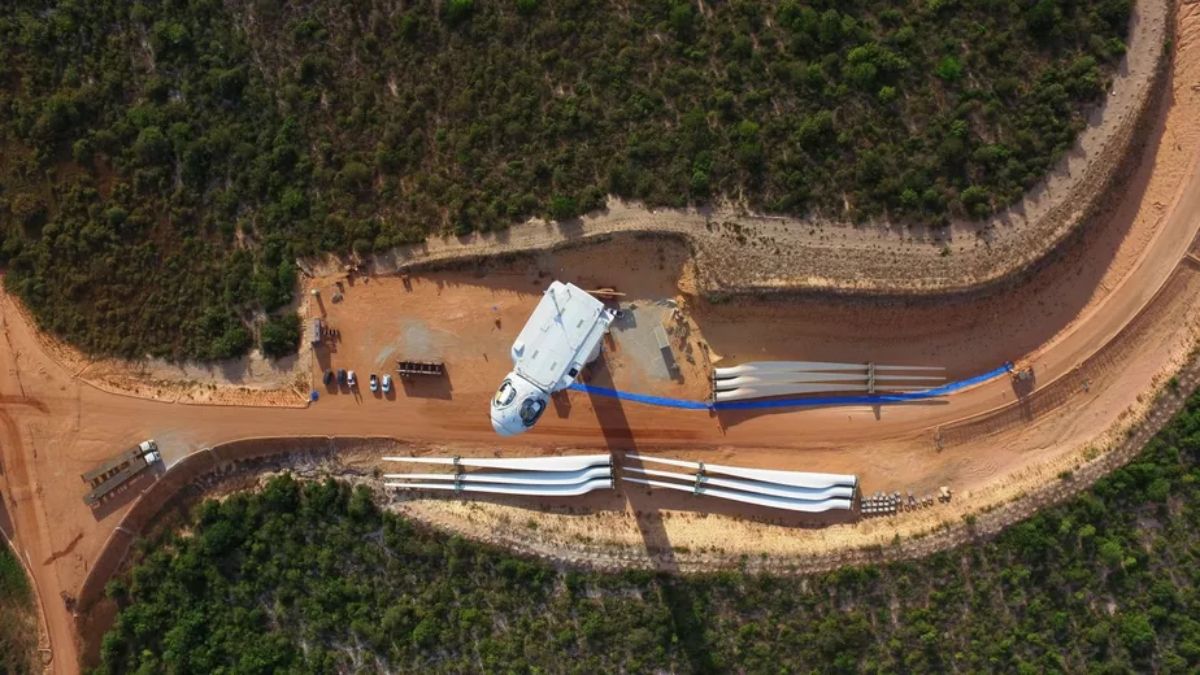
The initial project of the Santo Agostinho Wind Farm Complex will have a generation capacity of 434 MW, with the presence of 70 Siemens Gamesa wind turbines, each producing 6.2 MW. Construction began in January 2021, and is expected to be completed by March 2023, presenting a great opportunity for those seeking job openings in the northeastern region.
-
Brazil saved US$ 32.4 billion in 2025 by switching from fossil to renewable energy and only ranked behind China and the United States on the IRENA global podium.

-
Fired during apartheid and with a little borrowed money, an electrician started with a borrowed truck and transformed electrical services into a group connected to energy, real estate, and infrastructure in South Africa.

-
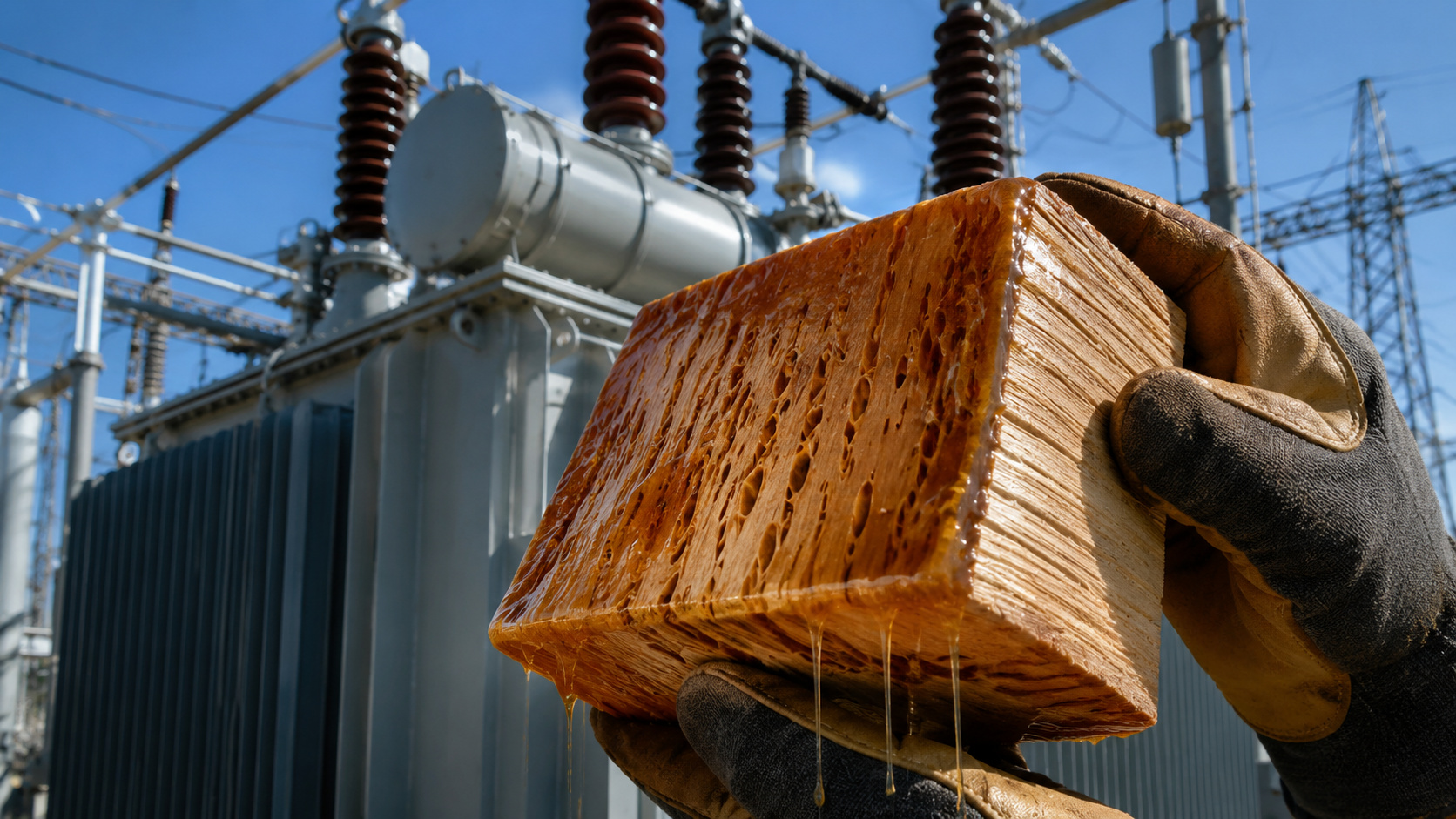
Wood has ceased to be just a construction material in Yale research and has become insulation for electrical transformers that face intense heat, aging, and increasing pressure from the renewable energy-powered grid.
-
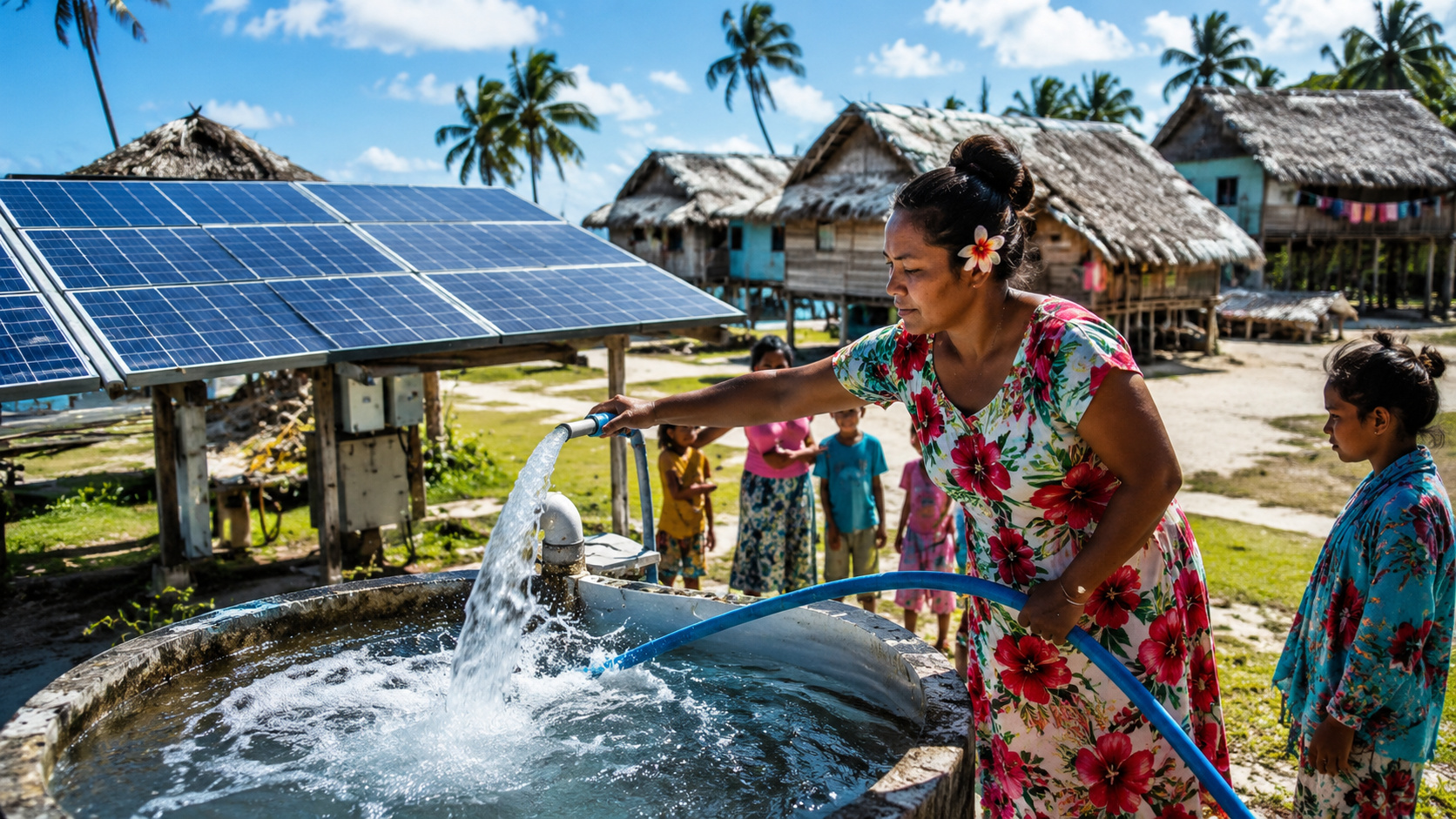
More than 1,000 residents of a remote island in Kiribati now have clean water and electricity with solar systems operated by the community itself.


ENGIE is a large company committed to the transition to a more renewable energy matrix. It aims for carbon neutrality and sustainable solutions. With projects already in operation in Brazil, ENGIE currently produces 10 GW through its 69 plants, being responsible for 6% of the national wind energy production.
This new complex in the Northeast will further expand the company’s business and presence in Brazil, stimulating the job market with new job openings. After the completion of the Santo Agostinho works, the company will increase its presence in the free energy market and promote the use of wind energy and renewable sources, reducing greenhouse gas emissions and helping to mitigate the severity of global warming.
According to the Brazilian Association of Energy Traders (Abraceel), this set of wind farms in the Northeast will direct all its energy to the free market. This sector is already responsible for 30% of all electricity consumed at the national level, and will likely gain even more strength.
Why Does ENGIE Focus on the Northeast?
According to the National Electric Energy Agency (Aneel) and the Atlas of Brazilian Wind Potential, produced by the Reference Center for Solar and Wind Energies Sérgio de S.Brito, the Northeast, particularly Rio Grande do Norte, is the most promising region for wind energy generation in Brazil. This implies a potential capacity of 500 GW, equivalent to nearly three times the current national total capacity.
Furthermore, ENGIE Brasil already has other operational plants in the region, yielding very satisfactory results in wind energy generation and job creation. Currently, the company has plants in Ceará, with the Trairi Wind Complex (212.6 MW), and in Bahia, with the Umburanas Wind Complex (360 MW), Campo Largo Phase 1 (326.7 MW), and Campo Largo Phase 2 Wind Complex (361.2 MW).