






 Portuguese
  Spanish
 2 min of reading


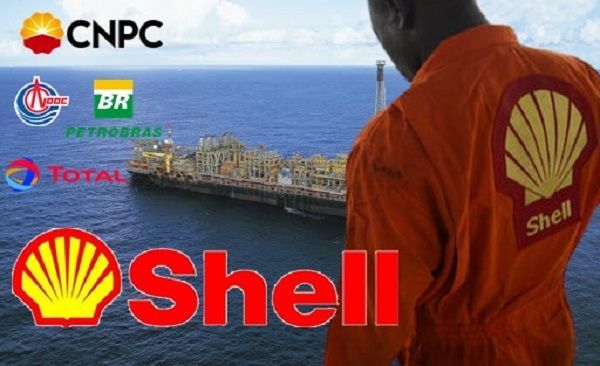
With Green Light From Libra Consortium, Shell Adds Another Long-Term Project in Brazil’s Pre-Salt
The Libra Consortium, which includes Shell, has made a final investment decision to contract a floating storage and offloading unit Mero-3 (FPSO) to be deployed in the Mero field in the Santos Basin, in the pre-salt, Shell (NYSE: RDS.A) reported on Tuesday (25).
In addition to Shell, other members of the Petrobras-operated Libra Consortium (NYSE: PBR) include Total (NYSE: TOT), CNPC, and CNOOC Limited (NYSE: CEO). Petrobras signed a letter of intent with Malaysia International Shipping Corp. Berhad (MISC Berhad) to charter and supply the FPSO Mero-3, Shell indicated in a press release.
“Mero-3 is the latest addition to our portfolio of world-class assets in Brazil’s pre-salt,” commented Shell’s Upstream Director, Wael Sawan. “Shell is the largest foreign producer in Brazil, and we are proud to make progress on another valuable growth opportunity in the country to support the long-term strategy of our Upstream business.”
-
IEA reduces forecast for global oil demand in 2026 after impacts of the Middle East crisis

-
Bank of Japan raises interest rates to 1%, reaching the highest level in over three decades

-
ANP halts LPG reform, and Sindigás sees technical caution as a decisive point for safety, investments, and the future of the cylinder in Brazil.
-
Oil spill in the Caribbean raises environmental alert and increases tension between Venezuela and Trinidad and Tobago





Shell highlighted that the consortium has already made final investment decisions to contract two other Mero production systems under the Libra Production Sharing Contract (PSC): the FPSOs Mero-1 and Mero-2. The company stated that each unit has an operational capacity of 180,000 barrels of oil equivalent per day (boepd), adding that production will start in the next four years. Additionally, it noted that the Libra Pioneer FPSO – with a capacity of 50,000 boepd – has been producing in Mero since 2017.
According to Shell, the Libra Consortium will also do something unprecedented in the Mero-3 area: conduct a pilot test of Petrobras’s “HISEP – High-Pressure Separation” technology. HISEP uses centrifugal pumps to perform subsea separation and reinjection of a large portion of the carbon dioxide produced along with the oil, Shell explained. The company emphasized that the technology allows the oil processing plant to be released on the FPSO, enabling an increase in oil production.
The HISEP is being defined and tested, and a pilot may be installed at Mero-3 after qualification to conduct long-term tests and evaluate the technology, Shell stated.







Be the first to react!