





 Portuguese
  English
  Spanish
 3 min of reading


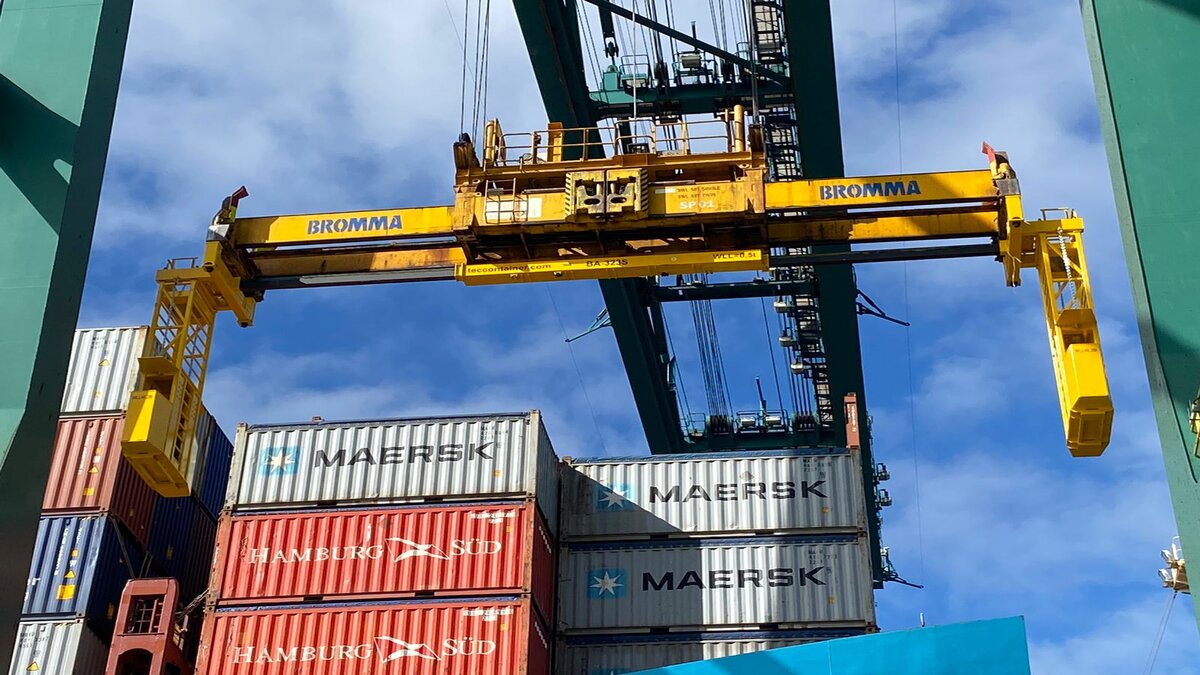
Port Itapoá Is The First Port In Brazil To Have Gondola Model Cage. The New Acquisition Is Encouraging, As The Equipment Will Enable Loading And Unloading Containers With More Safety And Efficiency, Furthermore Ensuring Greater Operational Capacity For The Port.
Last Monday, (07/11), it was announced that Itapoá will be the first Brazilian port terminal to have a gondola model loading and unloading cage. The new model not only ensures more safety for the operational assistants but will also maximize the speed of operations, helping in the constant pursuit of evolution for the port.
The Gondola Model Cage Is Synonymous With More Safety And Maximization Of Work
The new equipment at the Itapoá port terminal, the gondola model cage, guarantees more safety for the operational assistants, professionals responsible for securing and releasing the containers onboard. The cage is fixed to the containers and, in addition to enhancing safety, will maximize the speed of operations by about 40%, ensuring even greater efficiency for the Brazilian port.
According to the terminal’s operations manager, Thiago Santos, the new acquisition reflects the port’s constant quest for operational improvements: “We understand that safety and efficiency are directly linked, and that is why we have been investing not only in equipment but also in training our team,” the manager commented.
-
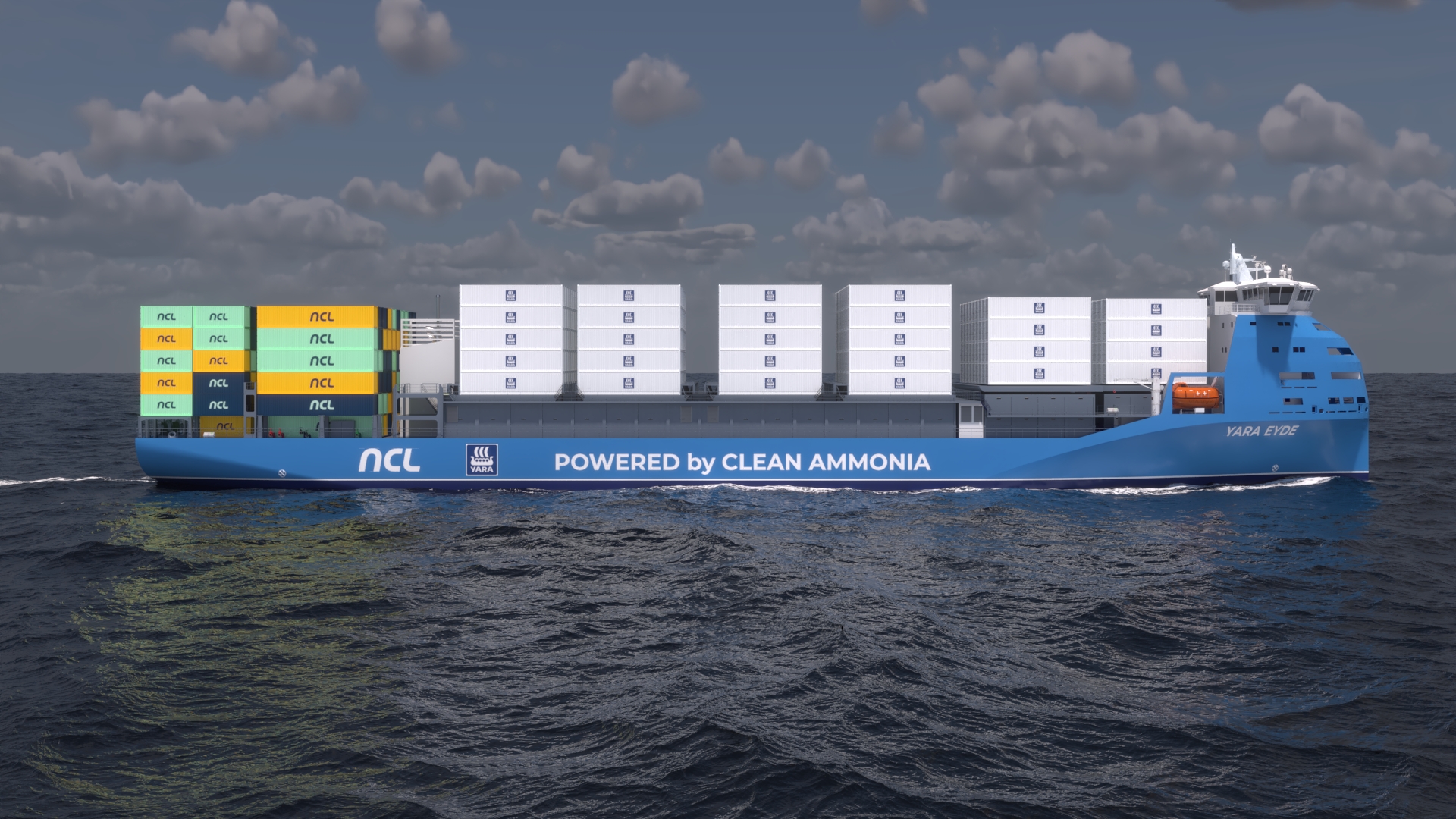
The world’s first container ship powered by renewable ammonia promises to avoid around 11,000 tons of CO₂ per year. The vessel, scheduled to operate in 2026, will connect Norway, Germany, and the Netherlands on one of the shortest and most strategic routes in Europe.
-
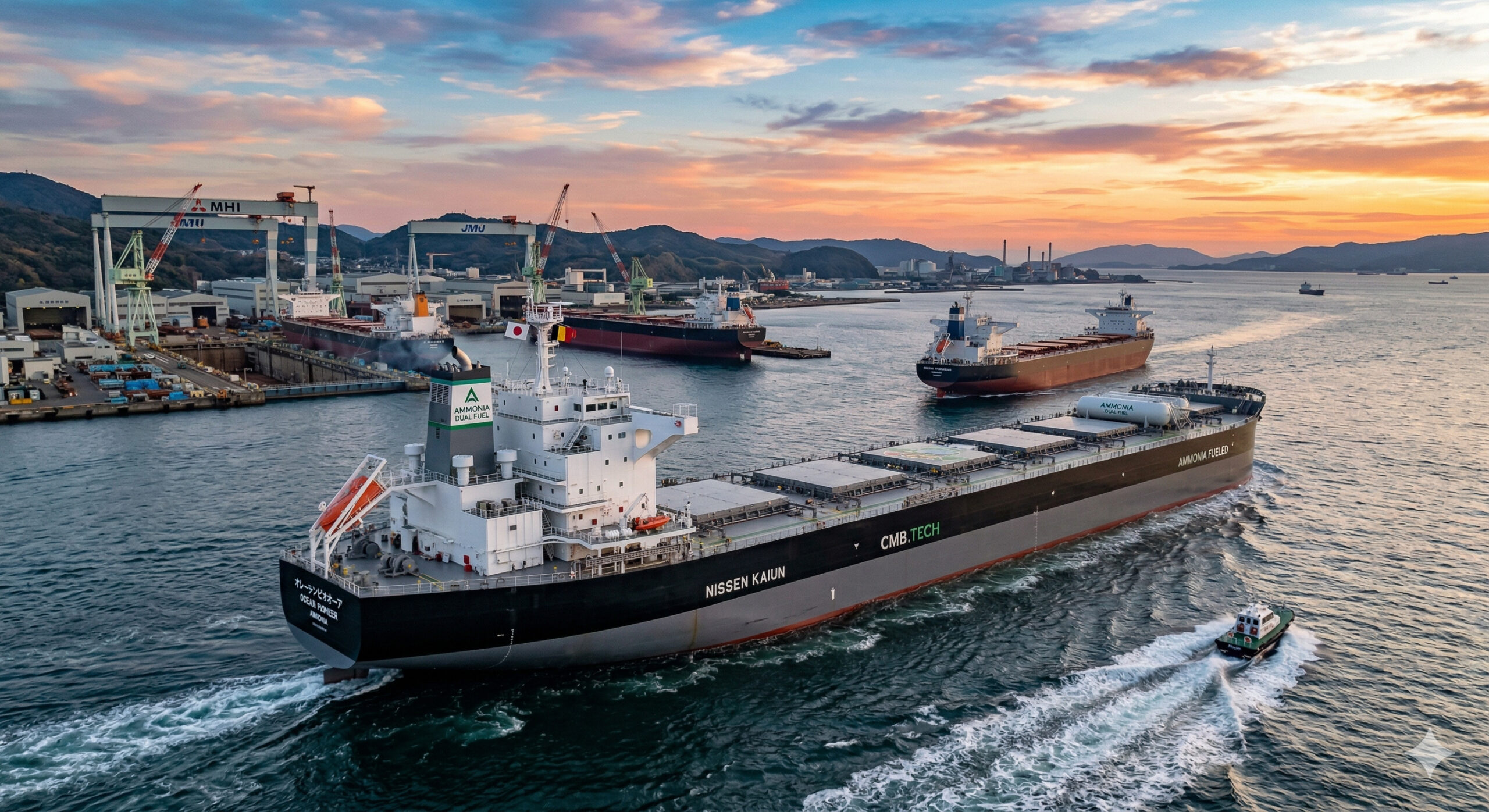
Nine giant ships of up to 210,000 gross tons equipped with dual fuel ammonia engines are being launched by Japan and Belgium. The project includes the world’s first Capesize vessels using this fuel, with contracts of up to 12 years, marking the beginning of a carbon-free ocean fleet starting in 2026.
-
Lack of workers and an aging population: Japan bets on AI robots in factories, logistics, and infrastructure to keep the economy and essential services active.
-
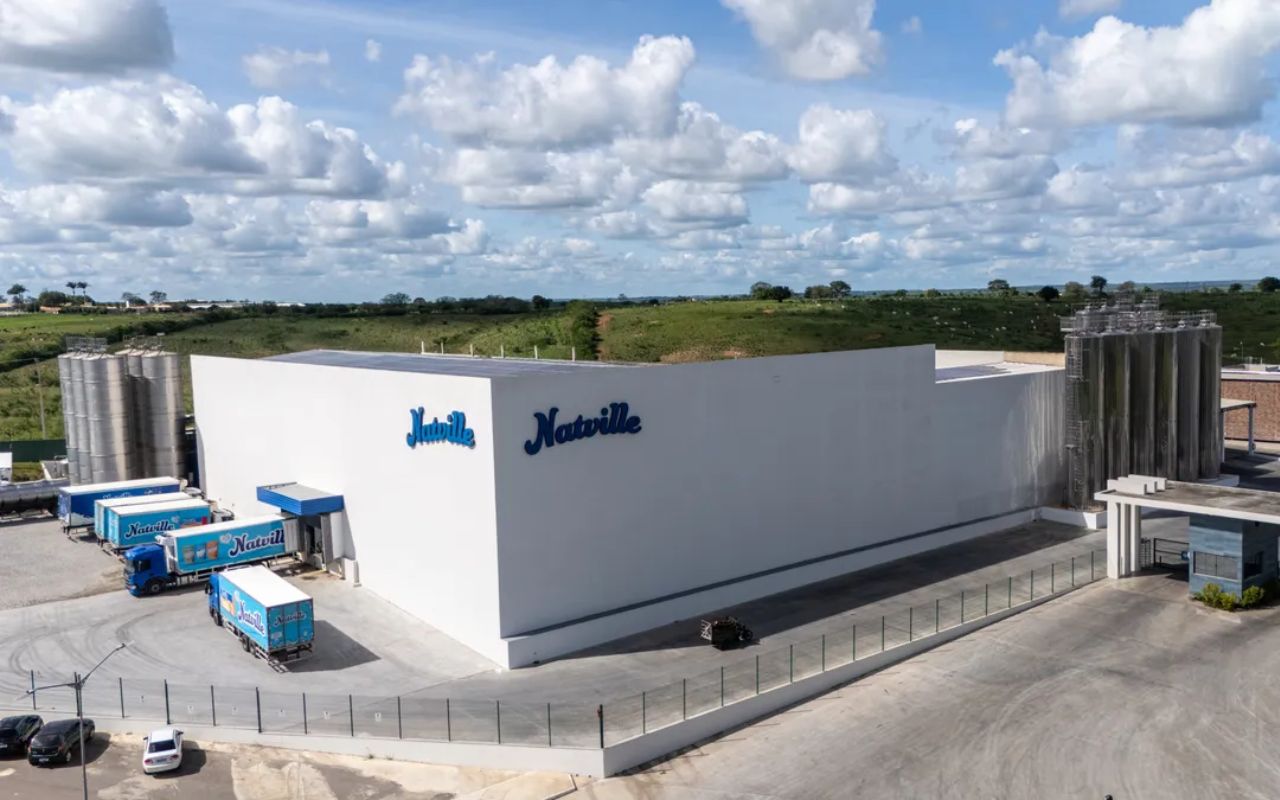
Natville puts R$ 700 million on the table for new factories in the Northeast, generating jobs and boosting the local economy.
The new model is from the Spanish brand Tec Container, represented by Rimac in Brazil. The cage weighs on average six tons and is technically called a Lashing Cage; moreover, it consists of two side platforms where the assistants are positioned.
The equipment can be opened between 23 and 45 feet (13.72 meters), or about 7.5 m and 15 m, respectively, and supports up to two professionals on each side of the gondola, thus ensuring more agility and safety during operations.
Port Itapoá Also Invests In Infrastructure
In April of this year, the Itapoá port terminal acquired two reach stackers—telescopic and retractable forklifts for long reach—which were employed in operations in the port yard. The goal is to enhance the service between the ship and the yard, completing the operations with an RTG, a mobile crane used in ports to move and stack containers.
The new models are from the brand Kalmar and have the capacity to lift 45 tons on the spreaders—the device used to lift containers—besides featuring a range of technologies for operator safety. The port terminal already had three similar pieces of equipment. Additionally, five more RTGs have been obtained to further facilitate operations in the yard.
Port Itapoá previously had 17 pieces of equipment like the RTGs, from the brand ZPMC; however, the novelty is that the new ones will be operated by remote controls, making Port Itapoá the first in Brazil to have this technology. The expectation is that these equipment will be delivered by January 2023.
The port also has another significant acquisition, which is nine terminal tractors, arriving in July, along with nine buggies, the “trailers” for the TTs, which have already arrived. The new vehicles will join the existing fleet of 40 units, from the brand Rucker, and can carry an average of 65 tons each, equivalent to two 20-foot containers (6.1 meters), for example. The expectation is that these new acquisitions will provide more capacity and evolution for operations, with greater agility, without compromising the safety of all onboard.






Seja o primeiro a reagir!