





 Portuguese
  English
  Spanish
  4 min of reading
  0 comments


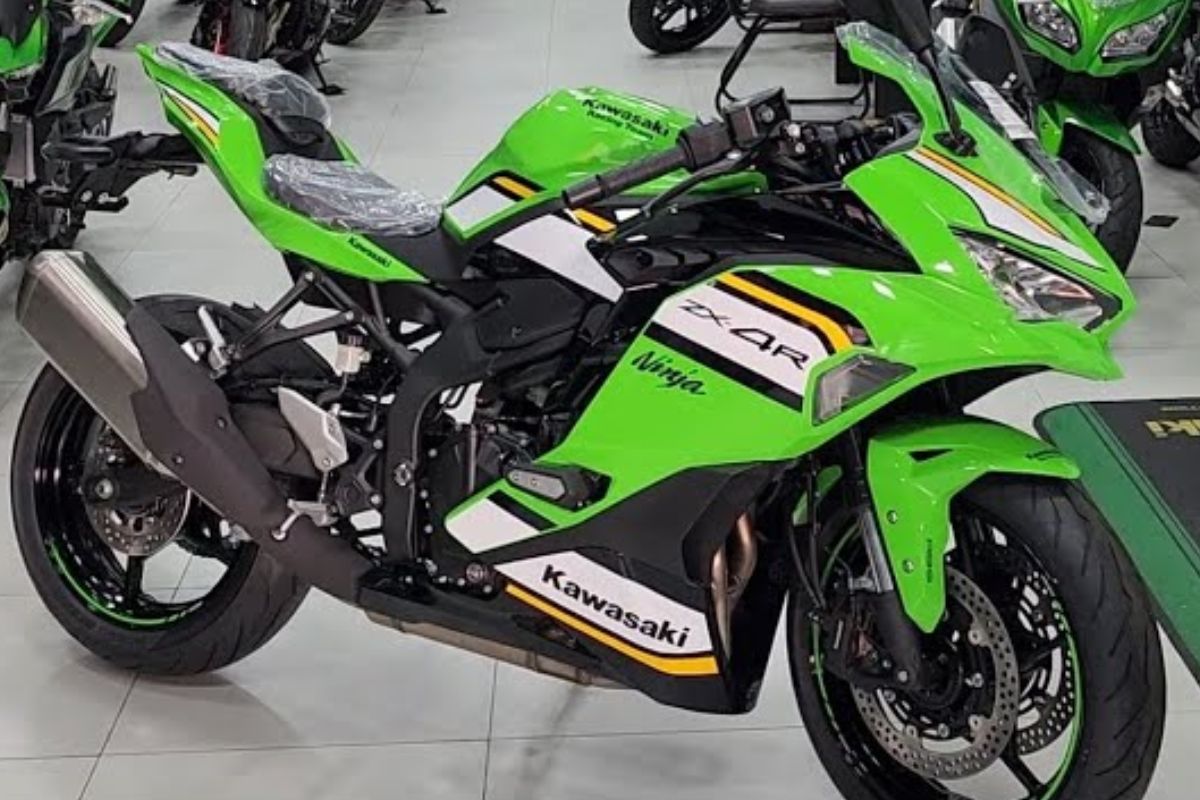
While all competitors use 1 or 2 cylinder engines, Kawasaki put 4 inline cylinders in a motorcycle that delivers up to 80 hp, has a chassis inherited from the legendary ZX-10RR Superbike, and is still good for going to work on Monday
In the world of 400cc motorcycles, there is an unwritten rule. A single-cylinder engine for economy. A twin-cylinder for a bit more excitement. No one puts four cylinders in a motorcycle of this displacement. It’s too expensive, too complex, unnecessary. Kawasaki ignored this rule and created the ZX-4R.
The result is a motorcycle that shouldn’t exist in theory, but in practice is redefining what “medium displacement” means in Brazil and the world. Four inline cylinders, 399 cc, up to 80 horsepower, and a rev range that exceeds 15,000 rpm. This number is not a typo. Fifteen thousand revolutions. Normal street motorcycles rev up to 10,000, 11,000. Super sportbikes of 1,000cc reach 14,000. The ZX-4R revs higher than most motorcycles that cost three times the price.
What do 4 cylinders do that 2 cannot?

The difference is visceral. A twin-cylinder engine delivers torque in punches. You feel the pulse of the engine, the vibration, the irregular push. It has personality, it has character, but it has limits.
-
The culture of cars that jump on the asphalt was born in the garages of Mexicans in the 1940s, was treated as a crime in the United States for decades, and has now become an official postage stamp of the American Postal Service in a twist that no one expected.

-
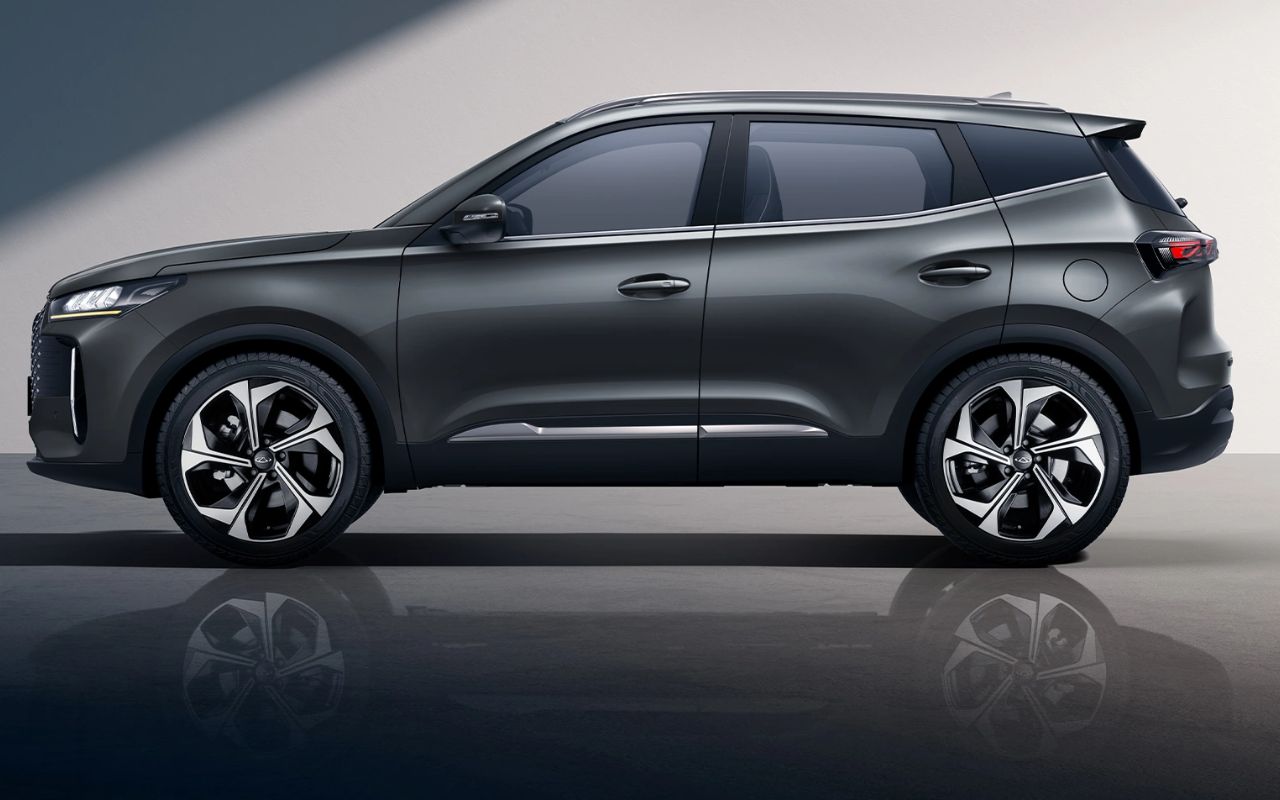
It surpassed the Onix Plus and HB20S: with over 5,000 units sold in March, the Caoa Chery Tiggo 5X 2027 has refreshed its look, conquered the market, and will soon launch a version priced at R$ 120,000 for PcD.
-
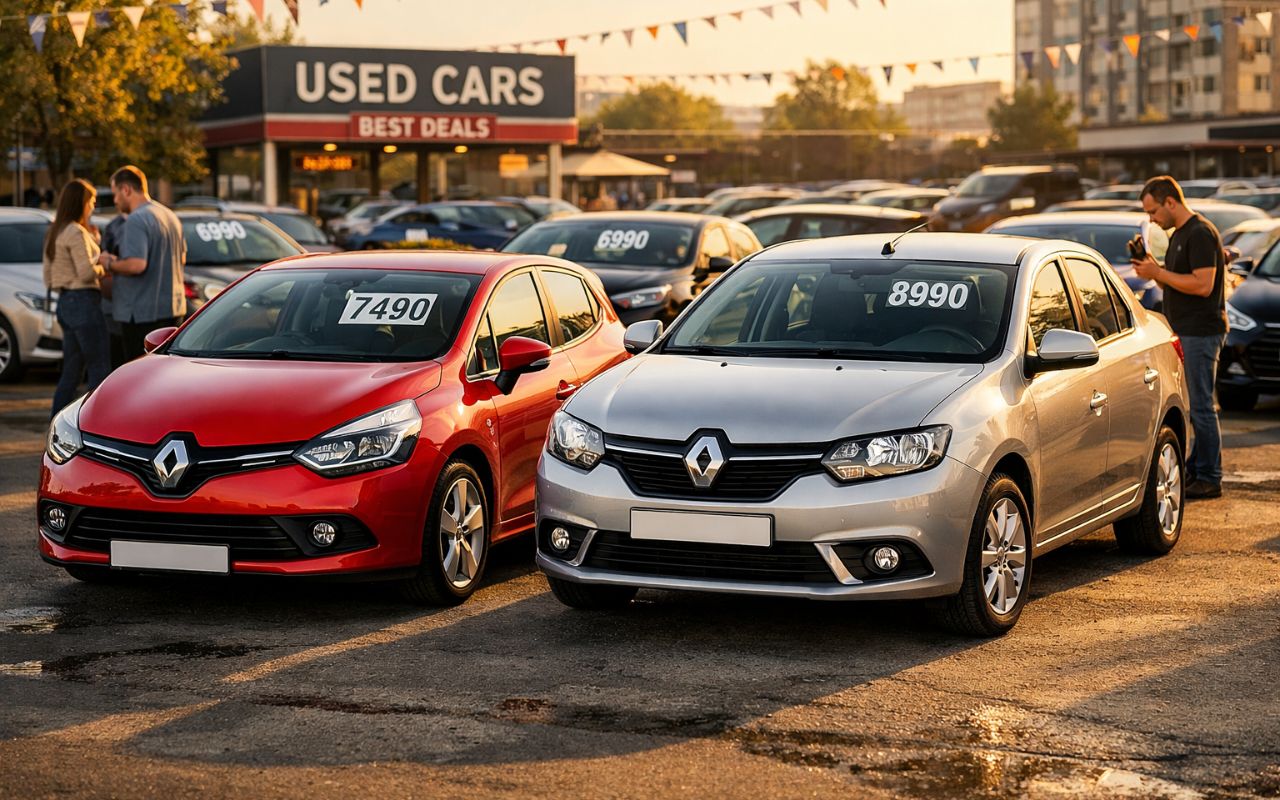
Used cars soar in Brazil: historical appreciation changes the landscape in 2026
-
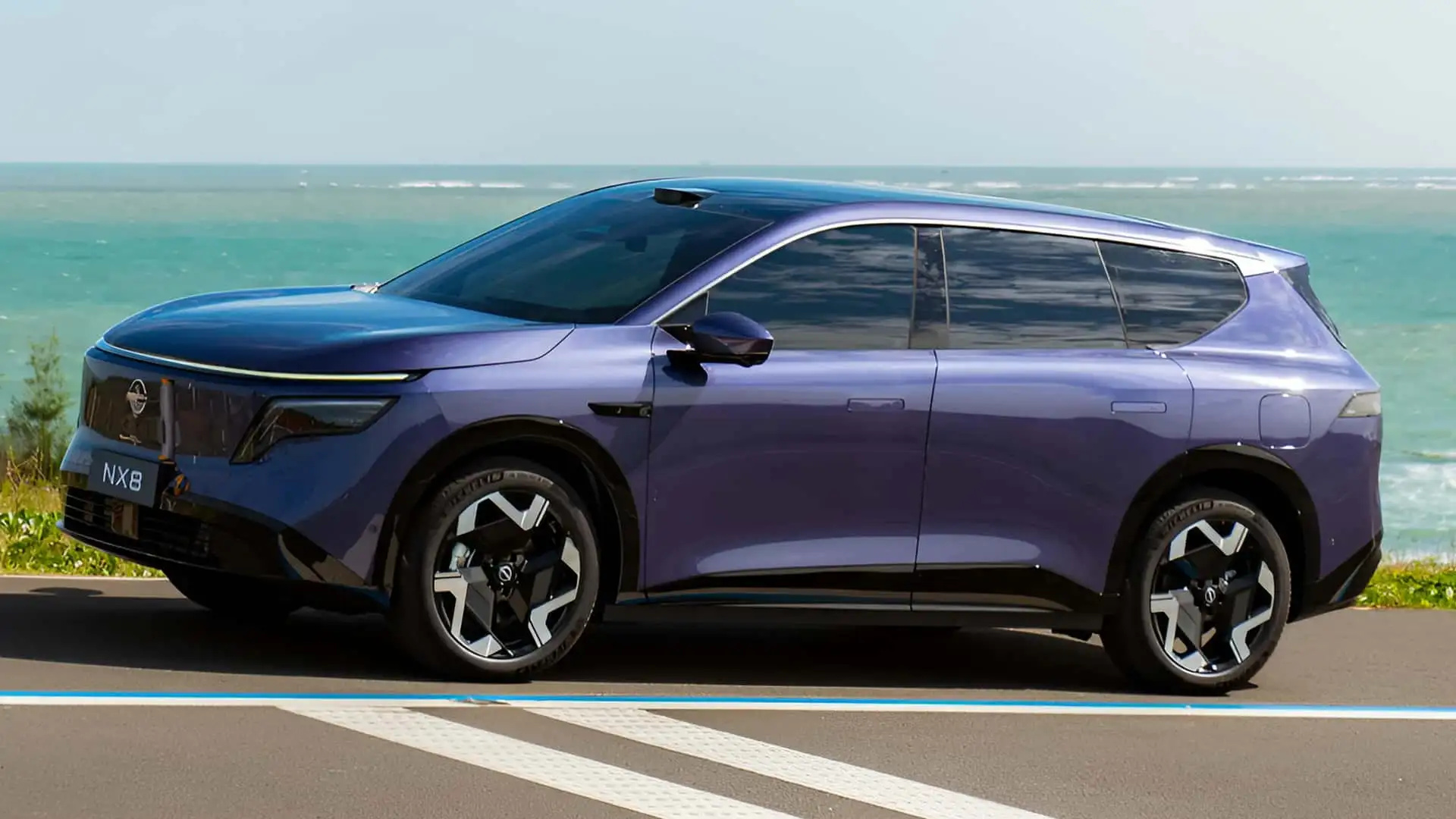
Nissan NX8 prepares a counterattack with a range of 1,450 km, EREV system, and tests already underway in Brazil, in a Japanese response to the offensive from BYD, GWM, and Leapmotor.
A 4-cylinder inline engine delivers power like a turbine. The acceleration is linear, progressive, without gaps. The torque doesn’t come in punches; it comes like a wave that keeps growing. And when the tachometer needle passes 10,000 rpm, something happens that no single or twin-cylinder 400cc can reproduce: the engine truly wakes up.
Between 10,000 and 15,000 rpm, the ZX-4R transforms. The sound changes. The power delivery changes. The roar turns into a high-pitched, metallic scream, identical to that of MotoGP bikes you see on television. It’s not marketing. It’s physics. Four smaller cylinders spinning faster produce higher frequencies than two larger cylinders spinning slower. The result is a sound that sends chills and a power delivery that is addictive.
The heritage of the ZX-10RR that no one expected
The chassis of the ZX-4R was not designed from scratch. It directly descends from the development program of the ZX-10RR, Kawasaki’s superbike that competes in the World Superbike Championship. The high-strength steel trellis uses geometry derived from racing machines, adapted for the smaller dimensions of the 400cc.
In practice, this means that the motorcycle has a handling that doesn’t match its price. It enters corners with a precision that surprises riders coming from larger bikes. The stability at speed is superior to any direct competitor. And the feeling of control is that of riding something designed for the track and adapted for the street, not the other way around.
The front suspension is a 37mm inverted Showa SFF-BP, a component that normally appears on much larger displacement motorcycles. At the rear, the horizontal Back-link monoshock absorbs imperfections of Brazilian asphalt without compromising stability in fast corners.
The electronic package that came straight from competition
The ZX-4R did not skimp on electronics. The package includes:
KTRC traction control that monitors the speed difference between the wheels and cuts power in milliseconds when it detects loss of grip. On a rainy day in traffic, this can be the difference between getting home or not.
Riding modes that alter the response of the electronic throttle. In the gentlest mode, the motorcycle becomes docile for the city. In the most aggressive mode, the response is immediate, sharp, without filter.
Bidirectional quickshifter that allows shifting up and down without using the clutch. In sporty riding, this eliminates milliseconds between shifts. In everyday use, it simply makes riding smoother and less tiring in traffic.
Brakes with radial-mounted calipers and dual 290mm discs at the front, a configuration that normally only appears on high-displacement sport bikes.
The question every rider asks: is it good for everyday use?
Yes. And this is the biggest surprise of the ZX-4R.
Despite all the track technology, the motorcycle is not a torture device in traffic. The riding position is sporty but not extreme. The seat allows for medium-distance trips without destroying your back. The engine, which becomes a monster above 10,000 rpm, is surprisingly civilized below 6,000. It responds well at low revs, pulls without stalling, and doesn’t shake at the traffic light.
The average consumption is around 20 to 23 km/l, depending on usage, which provides reasonable autonomy with the 15-liter tank. It’s not as economical as a single-cylinder, but it’s perfectly acceptable for those who use the motorcycle as their main transport.
The ZX-4R is that motorcycle that takes you to work from Monday to Friday without complaint and, on Saturday, makes you feel like you’re on a racetrack on a mountain road. No 400cc competitor on the market can do both things at the same time with this level of competence.
Kawasaki not only put track technology in a motorcycle for everyday use. It proved that the boundary between street and track has never been as thin as it is now. And that four cylinders in a 400cc was not madness. It was prophecy.
With information from Monitor do Mercado and Kawasaki Motors.









Seja o primeiro a reagir!