Portuguese
 Spanish


Mato Grosso farmers face a prolonged dry spell, pest attacks and difficulties growing soybeans. Some farms have gone as long as 29 days without rain, also putting corn planting at risk
Soybean planting in Mato Grosso is facing challenges in the 2026/27 crop year because of a lack of rain, with some farms going as long as 29 days without precipitation. Farmers have already had to replant entire areas, are dealing with pest attacks and risk missing the ideal window for planting second-crop corn.
The problems have been reported in São José do Rio Claro, Diamantino and Tangará da Serra. The issues include fields with stunted growth and areas where planting has not even begun, according to information published by Revista Cultivar.
The accounts were compiled by the Mato Grosso Association of Soybean and Corn Producers (Aprosoja MT) during visits on November 18, as part of the seventh edition of the Mato Grosso Climate and Markets project.
-
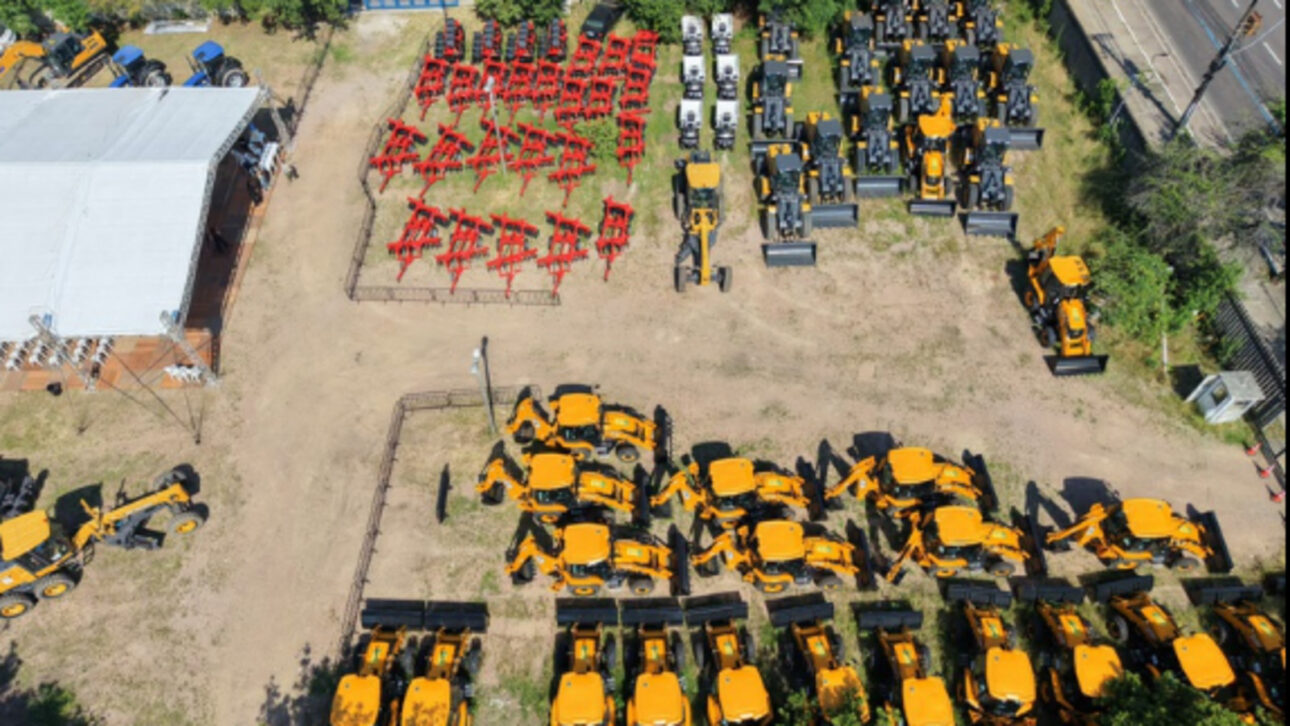
Federal Government delivers 327 agricultural machines to 255 municipalities in Rio Grande do Sul; tractors, excavators and motor graders to restore rural roads

-
Brazil set to lead global beef production decline in 2027 with a 3% reduction, approximately 300,000 metric tons less
-
New Agribusiness Tax Effective January 2027: Impacts on Farmers with R$3.6 Million Revenue and Smallholders
-
Brazil Targets 3.8 Million Tons of Fertilizers from Morocco to Address 76% of Projected Phosphate Deficit for 2026/27, but Purchases Depend on Negotiations



Farmer had to replant 38 hectares of soybeans after 20 days without rain
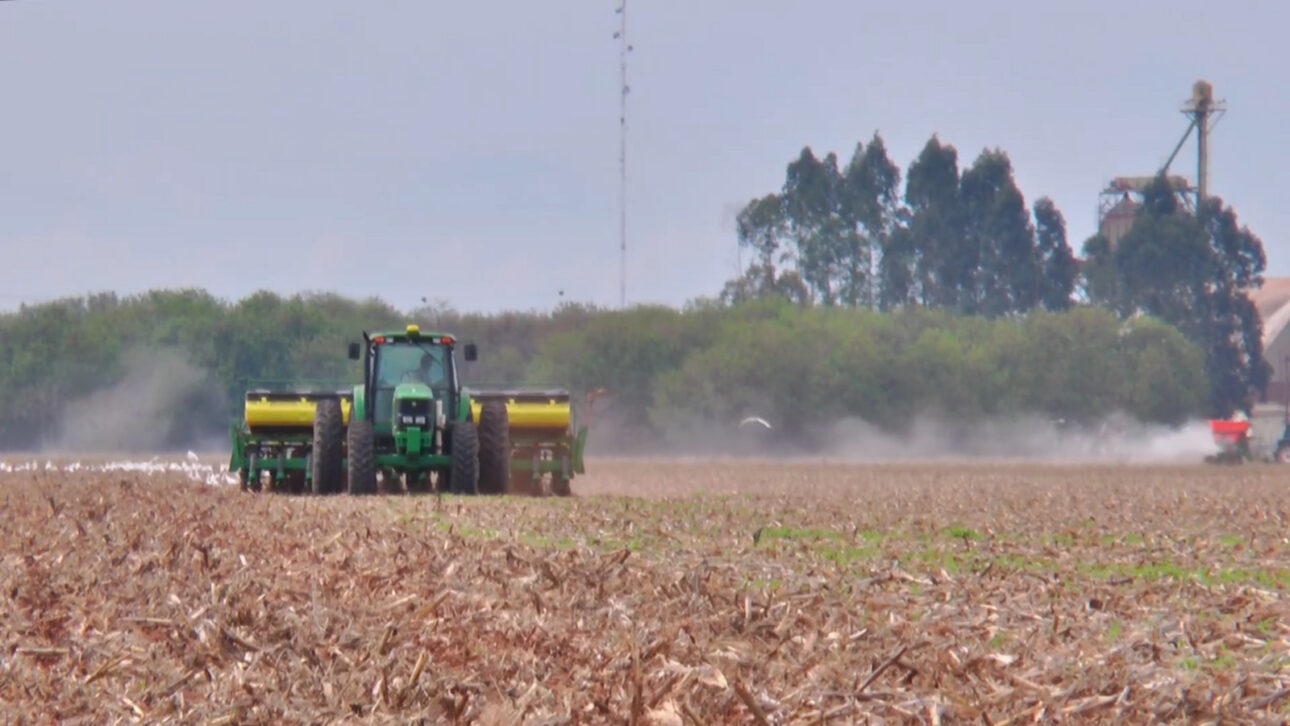
In São José do Rio Claro, farmer Paulo Pilatti began sowing his crop on September 22, even though the soil was dry. The expected rain, however, did not arrive.
After 20 days without precipitation, he had to replant 38 hectares. Along with the cost of sowing again, the farmer faced another problem: an infestation of a beetle known locally as the soybean weevil.
The beetle attacks the stems of young plants. Pilatti said dry, hot conditions favored the pest, requiring two pesticide applications in an effort to control the infestation.
The problem was not limited to his farm. Cleverson Bertamoni, a regional coordinator for Aprosoja MT, said he found fields where planting had not yet begun, a situation also linked to difficulties obtaining agricultural financing.
Without access to operating loans, farmers are struggling to buy the seeds, fertilizers and pesticides needed to begin fieldwork.
Dry spells of up to 29 days hamper soybean growth in Diamantino
In Diamantino, farmer and Aprosoja MT representative Flávio Kroling reported periods of 15 to 25 days without rain in different parts of his farm.
Other farmers in the region reported as many as 29 consecutive days without rain.
In a field planted on October 5, a lack of moisture slowed plant growth. The field also suffered a severe attack by the soybean stem weevil.
Three consecutive days of rain preceded the association’s visit, but the potential damage from the dry spell was still being assessed.
In addition to weather conditions, Kroling cited financial pressures tied to the prices of seeds, fertilizers and pesticides. Uncertainty over tax reform is also a concern for farmers.
Just 2 millimeters of rain and less effective herbicides
In Tangará da Serra, farmer Napoleão Estanislau Rutilli finished planting on October 29 despite low soil moisture.
By November 11 and 12, his farm had recorded only 2 millimeters of rain for the month.
Crop residue from intercropping corn with brachiaria grass helped conserve some soil moisture, allowing planting to proceed.
Even so, the dry spell made weed control difficult. Herbicides applied before the weeds emerged were less effective, while later applications caused phytotoxicity symptoms in the soybeans.
The farmer also found that root nodules had formed later than usual. These structures are involved in biological nitrogen fixation, which supplies a nutrient needed for crop development.
However, it is not yet clear how much these changes could affect the fields’ final yields.
Planting delays threaten second crop corn, while a lack of storage adds to the challenges
The weather problem is also disrupting plans for second crop corn, which is usually planted after the soybean harvest.
In São José do Rio Claro, a farm neighboring Pilatti’s was still planting soybeans during the week of the visit, putting the crop outside the period considered suitable for planting corn.
Logistics add to the challenges. Pilatti said he has to travel about 60 kilometers on unpaved roads to reach a paved highway.
With insufficient storage capacity in the municipality, some of the crop has to be transported to Nova Mutum and Diamantino.
In Diamantino, producers use large plastic grain bags, known as silo bags, for temporary storage to avoid interruptions during harvest.
Rutilli said farmers who managed to plant within the recommended window still face more favorable conditions for corn. Those who planted late may reconsider growing the crop in light of climate risks and costs.
Aprosoja MT, Mato Grosso’s soybean and corn growers’ association, said the Mato Grosso Climate and Market project will continue its visits to the eastern part of the state in the coming weeks.