





 Portuguese
  English
  Spanish
  6 min of reading
  0 comments


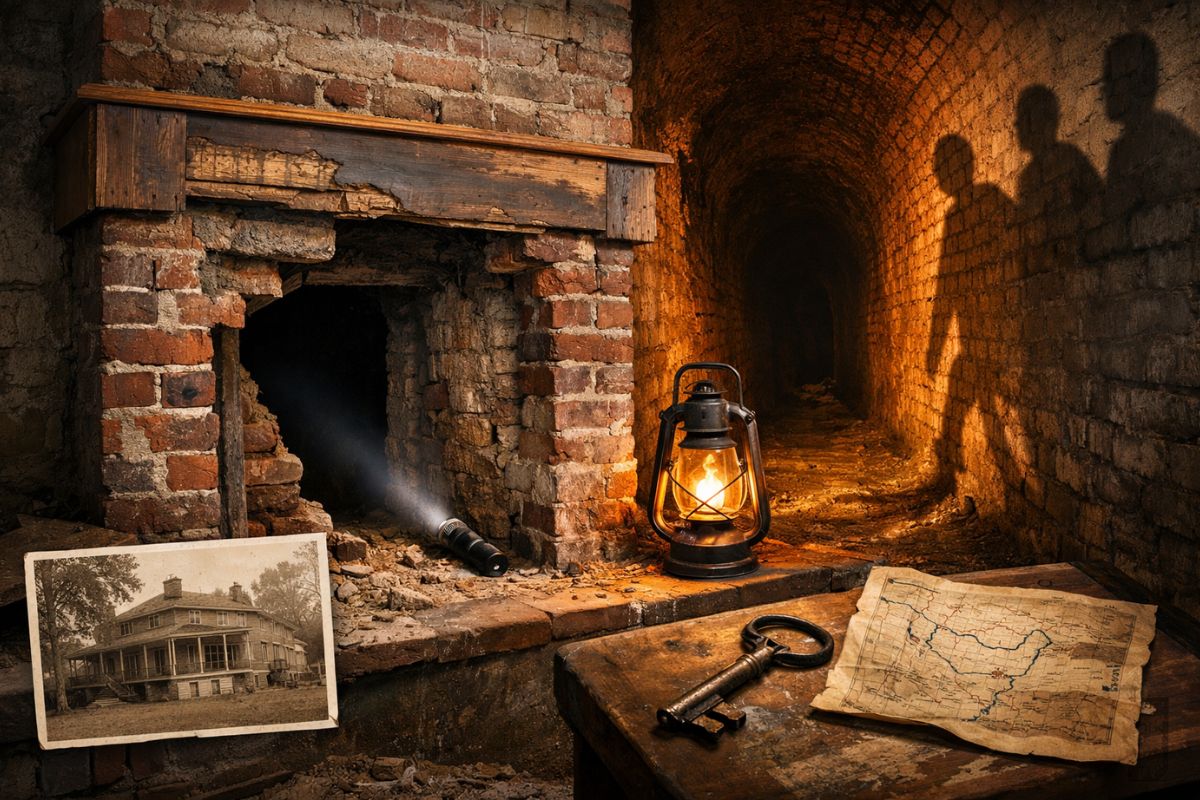
The Discovery Of The Tunnel In A Victorian Home In Cleveland Led The New Owners To Reassess Fireplaces Without Chimneys, Old Maps, Reports Of Hidden Passages And The Possible Connection Of The Property With Clandestine Routes Used In Different Periods Of Local North American History And Support For The Escape Of Enslaved People.
The tunnel found during the restoration of a house built in 1859, in Cleveland, Ohio, transformed a home improvement into a case that blends ancient architecture, urban memory, and historical suspicions. The couple Ariel and Otelia Vergez began to look at every detail of the residence with a much higher level of attention.
The property, purchased without a prior in-person visit, already drew attention for its 19th-century features, such as high ceilings and the four fireplaces scattered throughout the rooms. What seemed merely part of the charm of the construction began to take on new meaning when two of these fireplaces were noticed in strange positions and with no connection to any functional chimney.
An Old House That Began To Reveal Unusual Signs
Ariel and Otelia Vergez have been documenting the recovery of the residence since they received the keys in April. The Italian Victorian-style house was named Vergezcaya by them and began to be shown in videos that capture both the renovation and unexpected discoveries.
-
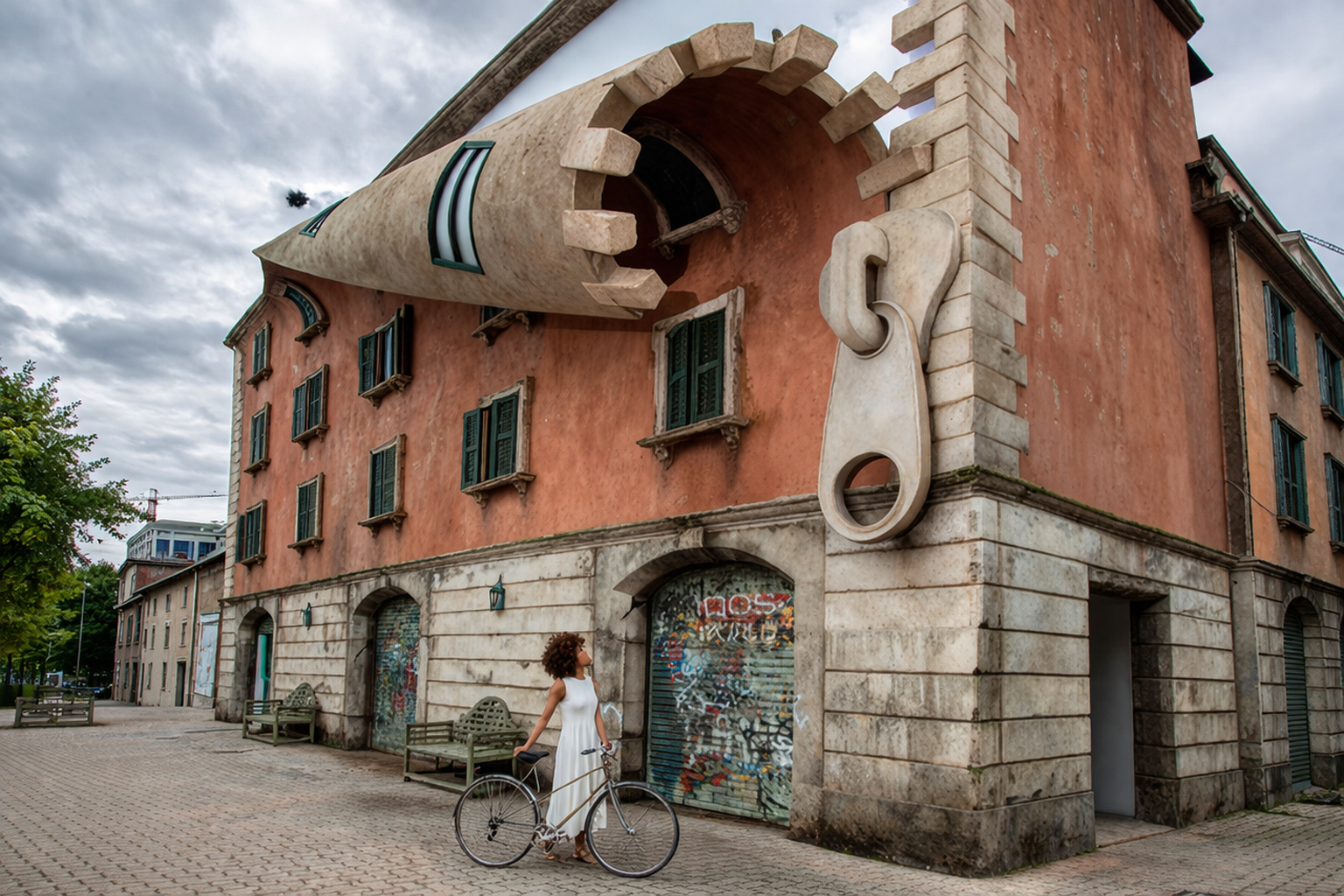
With a façade that resembles a giant zipper, the building in Milan creates a sense of strangeness, featuring lighting that transforms engineering and attracts the attention of residents and tourists.
-
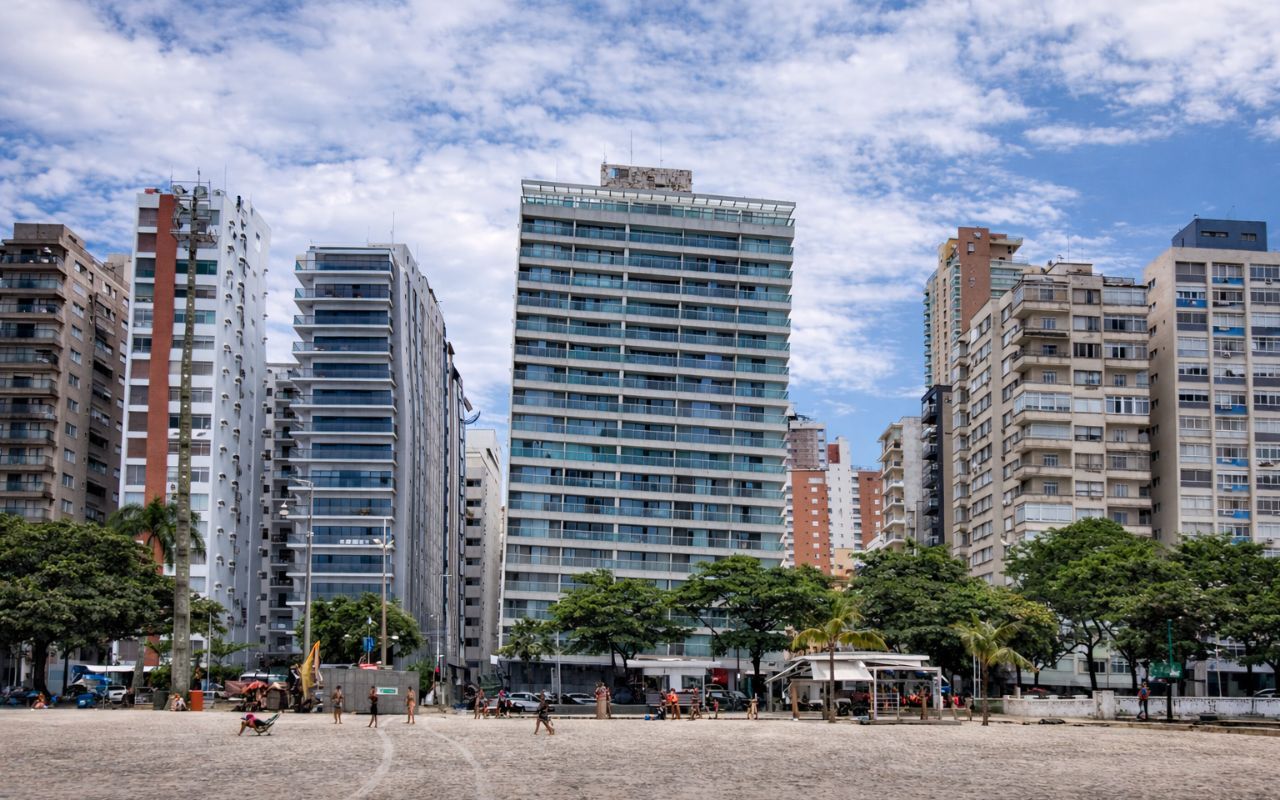
The Brazilian city has 319 crooked buildings built on sandy soil without proper deep foundations, houses the largest beach garden in the world, with over 5 km, and is still considered the birthplace of surfing — meet Santos, in São Paulo.
-
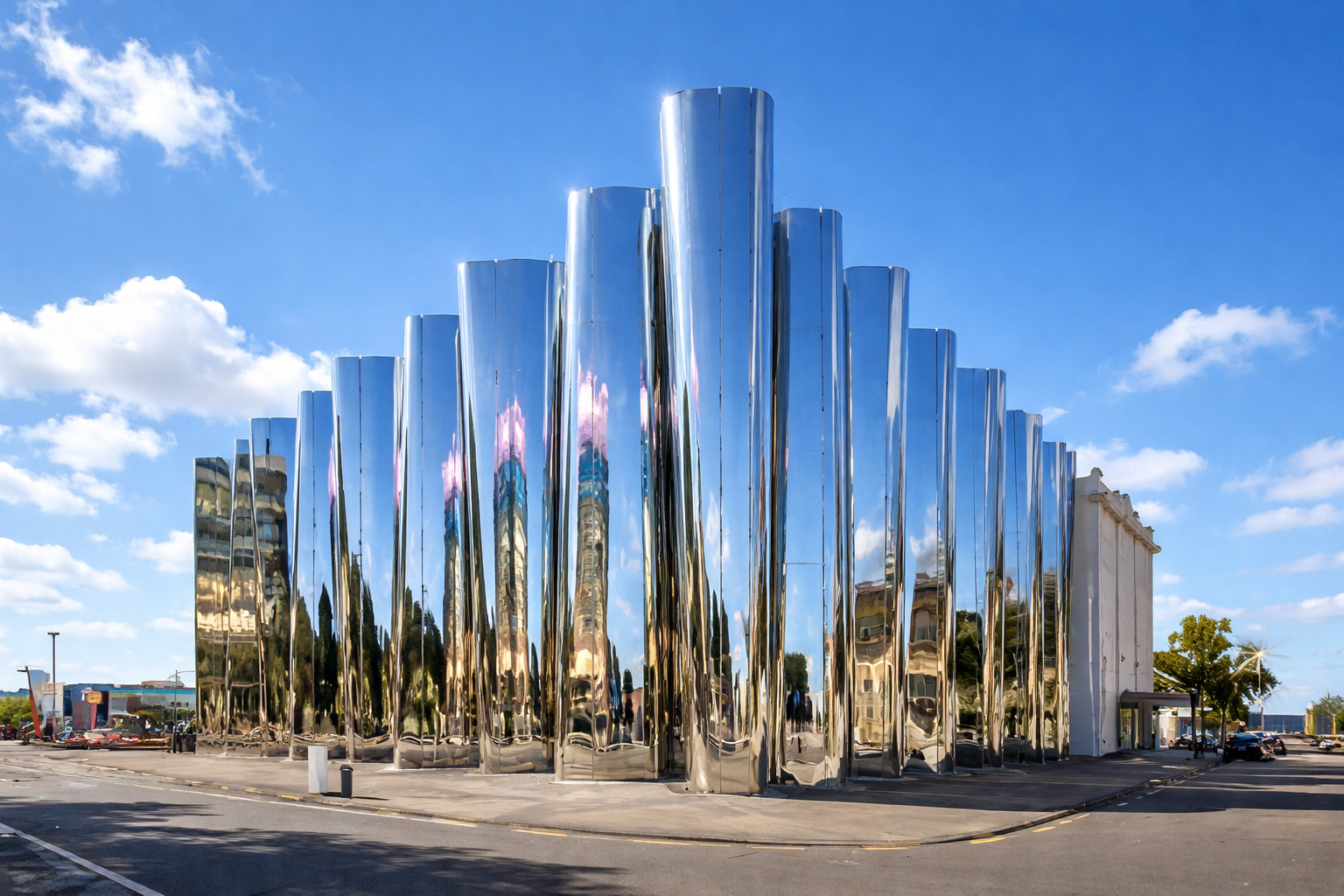
New Zealand builds a shimmering building that vibrates, featuring a 62-seat cinema, moving sculptures, and an environment where sound, light, and energy are felt in the body.
-
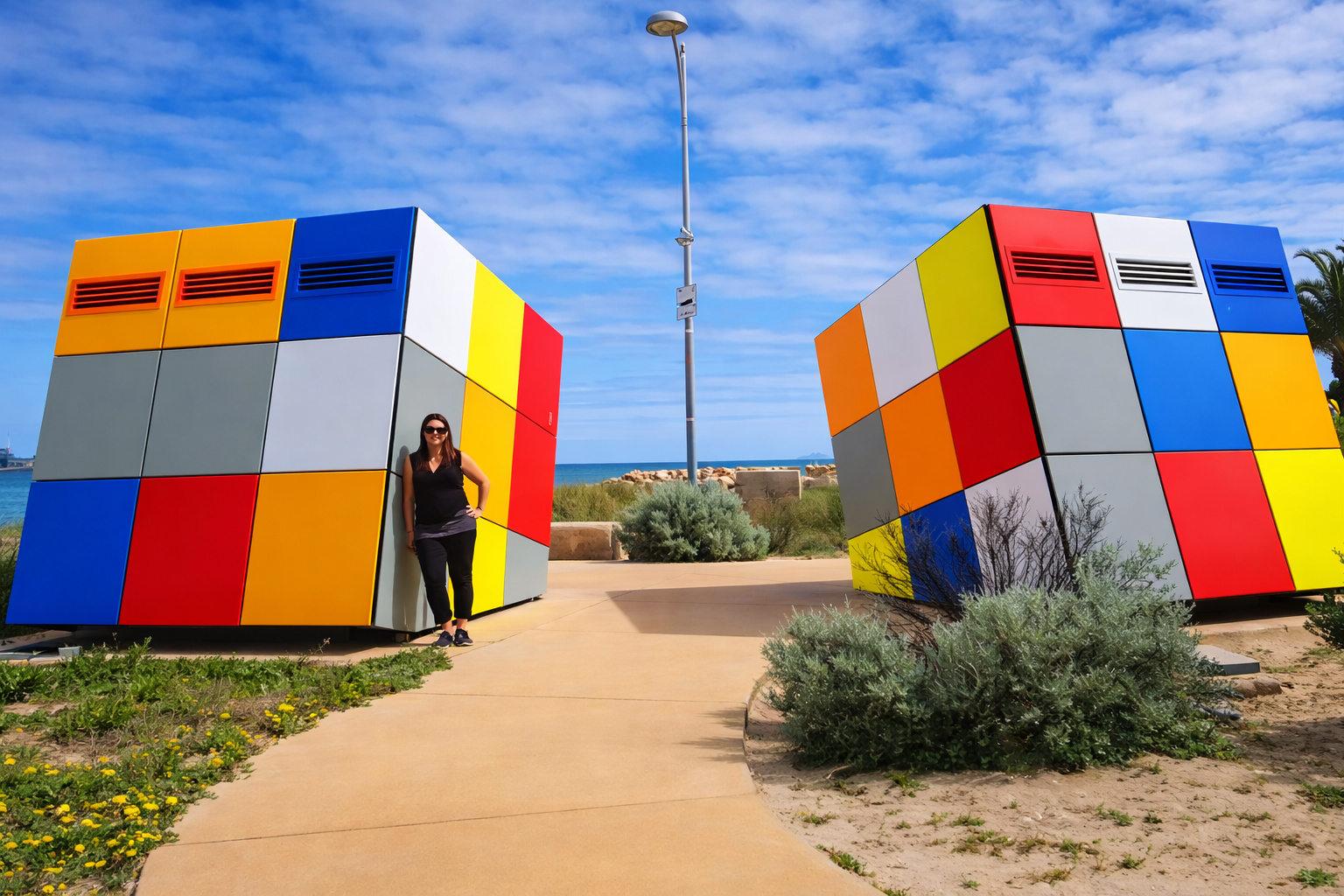
Two colored cubes of 2.5 m transform a public bathroom into a selfie spot in Western Australia, costing up to 75% less than traditional construction and helping to reduce vandalism in public spaces.

The most intriguing detail was not a rare finish or an antique piece of furniture, but the strange logic of part of the internal structure.
Upon examining the property more carefully, the couple noticed that there were four fireplaces, but only two actually worked.
The other two did not lead to any chimney, raising an objective question: why would a house from that period have such elements merely for appearance? It was precisely from this inconsistency that the investigation was born, which would later lead to the tunnel.
What The Hidden Tunnel Behind The Fireplace Really Revealed
After receiving the suggestion to check for corridors between the fireplaces, the couple decided to examine the upper part of the house.
In one of the recordings, Otelia shows a false corner and access to the attic, while her husband begins to clear debris from the fireplace to understand what existed behind that structure. The result was the revelation of a narrow passage, sufficient for the circulation of a person.
This point is central because the tunnel did not appear in an open or obvious area of the house, but rather behind an architectural solution that, at least visually, imitated a function it did not serve. When a fireplace does not heat, does not ventilate, and does not connect to a chimney, it ceases to be merely decorative and requires explanation.
In the case of this residence, the passage led to the attic, which heightened suspicions about a possible use of concealment or discreet movement within the property.
Why The Suspicion Of Clandestine Route Gained So Much Strength
The hypothesis that the tunnel may have a connection with the Underground Railroad did not arise from nowhere. Otelia pointed out that the neighborhood is known for housing houses associated with this clandestine network, created to provide shelter, guidance, and assistance to enslaved people fleeing from the southern United States. The location of the house, combined with the year of construction, reinforced the interest in investigating the origin of the passage further.
Furthermore, there are reports in the area itself about properties with tunnels that would lead toward the lake, in a logic that could facilitate movements toward exit routes to Canada.
This does not confirm that the Vergez house participated in that circuit, but it helps to understand why the discovery of the tunnel was interpreted as something larger than a mere eccentricity of an old structure. The combination of historical context, anomalous architecture, and local memory is what makes the case so compelling.
The Research On The Land Amplified The Mystery Even More
Days after the discovery, Otelia delved into the search for the history of the property and found an old map from 1852 showing who owned the land before the house was built.
From there, the possibility arose that the previous owner, identified as W.J. Gordon, might have a connection with other existing tunnels in the area. This link does not conclude the investigation, but opens a concrete line of interpretation about the past of the place.
According to the survey she conducted, there were mentions of tunnels distributed throughout the property of this former owner, with hypotheses of use linked to both the Underground Railroad and alcohol smuggling during Prohibition.
The information that these passages would lead to the Cuyahoga River makes the picture even more interesting, as it suggests a practical utility for the circulation of people or goods. When the tunnel appears within a house and the surroundings already have a history of hidden passages, the mystery ceases to be isolated and begins to connect with the entire neighborhood.
The Material Evidence Reinforces Curiosity, But Does Not Close The Case
Another point that fuels suspicions is the fact that the couple found bricks under the grass of the property. Alone, this detail does not prove the existence of a larger underground network, but it adds to other structural signs that had already drawn attention.
In 19th-century properties, especially those that have undergone renovations, expansions, and adaptations over time, such vestiges can indicate covered constructions, later closures, or radical changes in internal circulation.
At the same time, it is important to separate indication from proof. The tunnel was found, the false fireplace exists, access to the attic was recorded, and the neighborhood has historical reputation compatible with the hypothesis raised.
But there is still no definitive proof that the passage was used to hide enslaved people in flight. It is precisely this boundary between the visible and the unproven that gives journalistic weight to the story: there are enough elements to raise suspicion, but not enough to decree the conclusion as an established fact.
What The Discovery Already Allows Us To Affirm With Certainty
The case makes it clear, first of all, that the house concealed more than normal signs of aging.
The presence of two fireplaces with no apparent function, coupled with a narrow tunnel hidden behind one of them, shows that the structure of the property was designed or modified in an unusual way. This alone would already be sufficient to transform the restoration into an investigation of the architectural past of the residence.
It is also already possible to affirm that the discovery changed the reading the owners have of the property. The renovation ceased to be just a project for aesthetic recovery and began to involve local history, social memory, and possible connections with crucial periods in the United States.
The house has at least two bedrooms, in addition to an attached one-bedroom apartment, but what really sets it apart now is not the layout of the property, but rather the possibility that its walls have silently participated in events much larger than the domestic life of an ordinary family.
In the end, the tunnel found behind the false fireplace reignites a powerful question: how many old houses still hide passages that have never been fully explained?
More than a renovation curiosity, this discovery compels us to view architecture as a living archive, where seemingly decorative details may carry forgotten functions, protection strategies, or traces of tense moments in history.
And you, upon seeing a narrow tunnel hidden within a house from 1859, would think it is merely an old constructive solution or a real vestige of a clandestine route?
Does this type of discovery convince you that historical properties still hold important secrets?








-

Uma pessoa reagiu a isso.